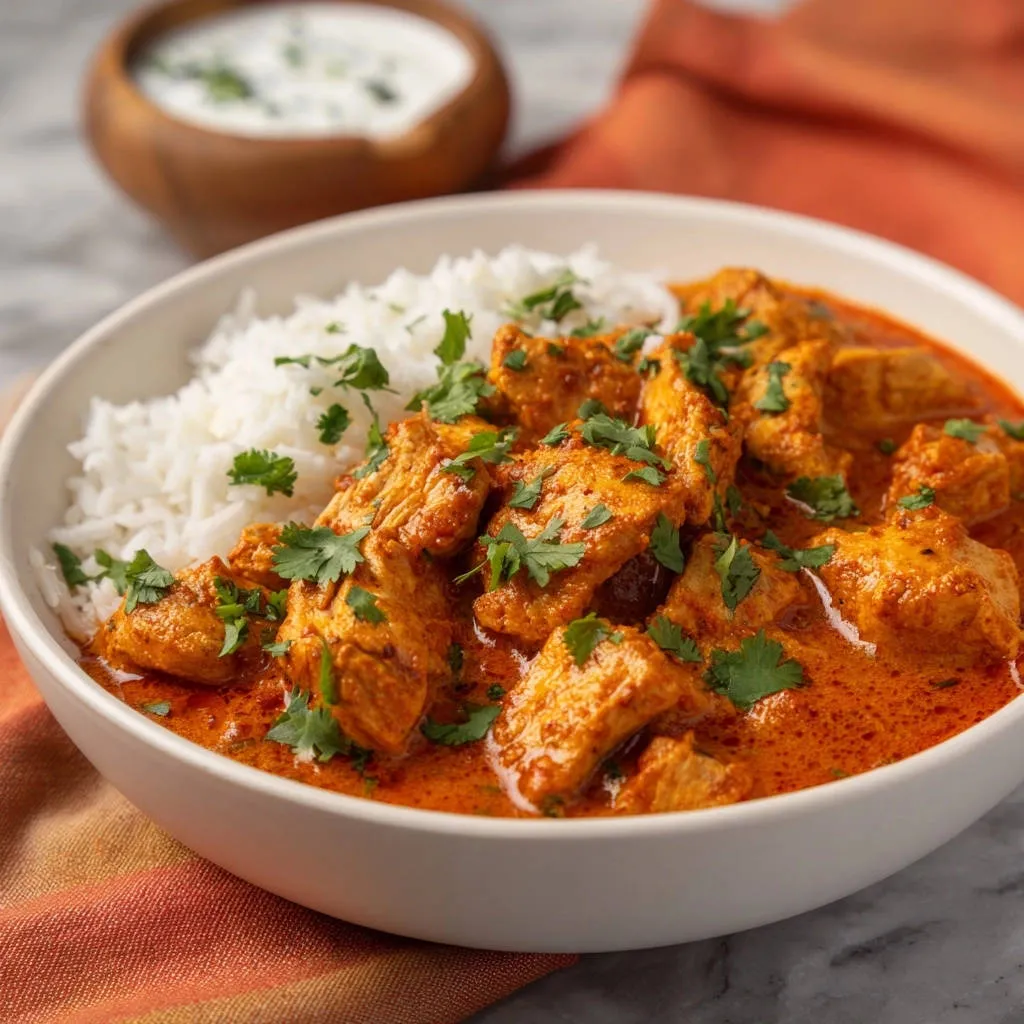
We’ve all suffered the disappointment of craving a rich, comforting bowl of curry only to find the chicken dry and tough-a common culinary pain point. That ends today with this simple but critical technique that guarantees the moistest, most tender chicken in a vibrant, intensely flavored Creamy Indian-Inspired Chicken Curry.
As a content strategist and expert cook, I developed this method specifically to address texture issues, allowing you to achieve complex, authentic flavors in a surprisingly short time frame, even on a busy weeknight.
Why This Creamy Indian-Inspired Chicken Curry is a Weeknight Miracle
This recipe bypasses the need for hours of slow cooking traditionally associated with depth of flavor, delivering a rich, satisfying meal in under an hour of active time.
The streamlined process focuses on flavor layering and precision cooking, ensuring you achieve the luxurious texture and balanced taste of a slow-simmered curry without the lengthy commitment.
The resulting dish features chicken so tender it nearly melts, suspended in a velvety, tomato-based curry sauce that perfectly balances sweetness, spice, and acidity.
The Lactic Acid Secret: Guaranteed Tender Chicken
The key to preventing dry chicken is the initial marinade utilizing plain whole milk yogurt and lemon juice.
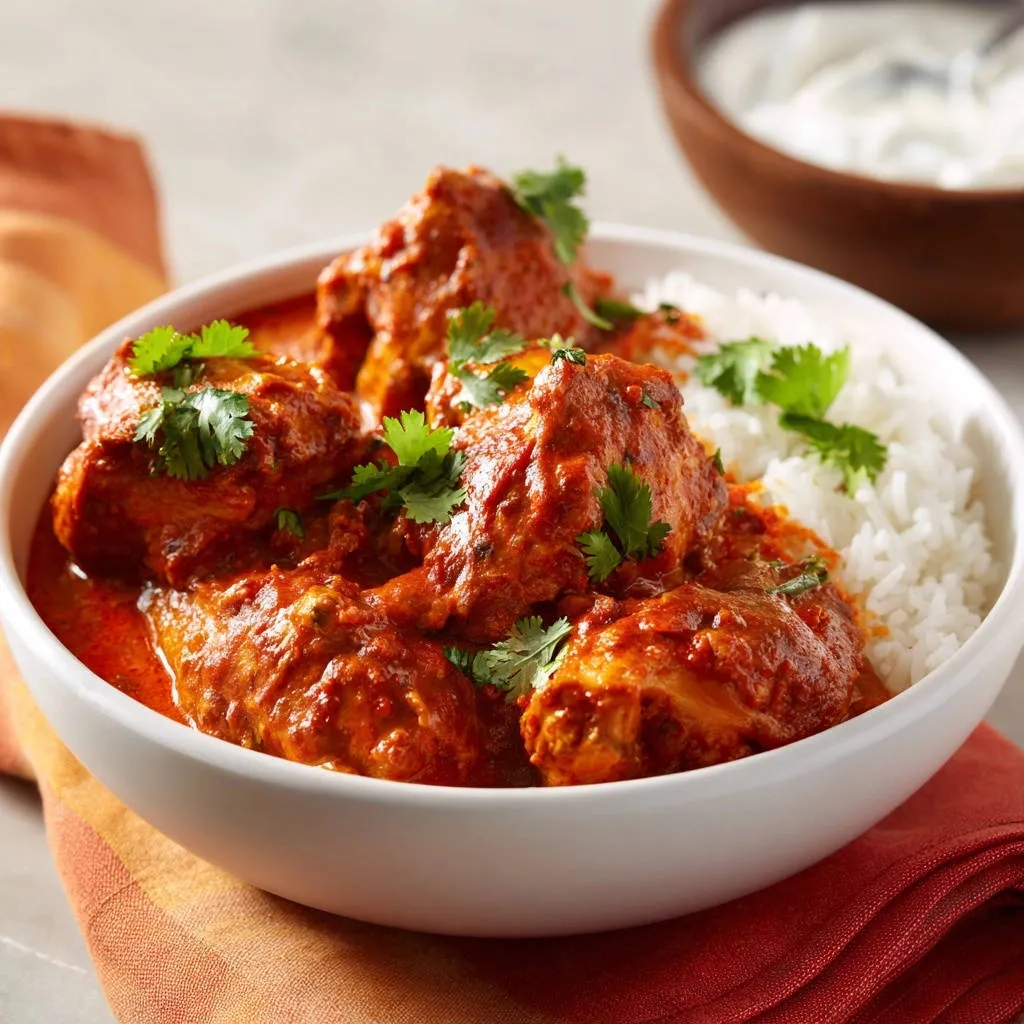
The mild acidity found in the yogurt’s lactic acid begins to gently break down and tenderize the proteins in the chicken fibers before cooking even begins, effectively serving as a protective buffer against moisture loss during the high heat of the sear and the simmer.
This simple tenderizing marinade is the non-negotiable step that ensures your chicken stays juicy, guaranteeing a perfect bite every single time you make this tender chicken curry.
Building Depth of Flavor Without Hours of Simmering
We achieve complexity quickly by splitting the spices and aromatics between two crucial stages: the marinade and the sauce base.
Incorporating turmeric, cumin, and garam masala into the marinade allows the spices to penetrate the chicken deeply, establishing a baseline of flavor.
The remaining aromatics are then sautéed slowly with the onions, blooming their essential oils to build the foundation of the tomato-based curry sauce before any liquid is introduced.
Perfect Pairing: Creamy Texture Meets Fresh Brightness
The heavy cream stirred in at the end adds unmistakable richness and silkiness, transforming the sauce into a luxurious texture.
For an even more luxurious result, explore how to achieve truly velvet texture in butter chicken.
However, pure richness needs balance; the final addition of remaining fresh yogurt and a touch of optional sugar cuts through the density, providing essential brightness and balancing the tangy acidity of the crushed tomatoes.
Unpacking the Ingredients: Your Flavor Foundation
The Essential Aromatic Trinity: Onion, Ginger, and Garlic
Always start with fresh ingredients, as jarred alternatives lack the vibrant potency necessary for this rich dish.
The onion must be finely diced and cooked until completely soft and translucent-if they retain any crunch, the final sauce texture will be compromised; fresh grating the ginger is essential for maximum punch.
The Marinade Powerhouse: Yogurt, Acid, and Spices
The ingredients chosen for the marinade are specifically designed to maximize moisture and flavor infusion.
Yogurt Quality: Use whole milk, plain yogurt if possible, as the extra fat helps carry the flavor and adds to the richness of the marinade, though nonfat plain yogurt works if necessary.
Spice Integration: Turmeric provides its characteristic golden hue and earthy undertone; cumin adds warmth; and garam masala brings the required aromatic top notes, establishing the core flavor profile immediately.
Choosing the Right Chicken Cut (Breasts vs. Thighs)
Boneless, skinless chicken breasts are lean and quick-cooking, making them ideal for this fast-paced recipe, provided you adhere strictly to the marinade and searing times to prevent dryness.
Alternatively, chicken thighs are far more forgiving due to their higher fat content, resulting in a slightly richer flavor and offering a greater buffer against accidental overcooking.
Tools for the Job: Setting Up Your Curry Station
Having the right equipment ensures efficiency and proper heat control for the layering technique.
- Dutch Oven or Large Skillet: Provides even, consistent heat, which is vital for both searing the chicken and simmering the final sauce gently.
- Microplane Grater: Essential for quickly grating fresh ginger and garlic, avoiding large, uneven chunks in the final sauce.
- Heavy-Duty Tongs: Necessary for quickly turning the chicken pieces during the crucial high-heat sear, ensuring all sides brown evenly.
- Wooden Spoon or Spatula: Crucial for scraping up the caramelized bits (fond) from the bottom of the pan when adding the tomatoes-this step deepens the flavor of the sauce immeasurably.
Step-by-Step Perfection: Achieving the Creamy Indian-Inspired Chicken Curry
Follow these phases precisely to guarantee tender chicken and a luxurious sauce.
-
Phase 1: The Essential Tenderizing Soak
In a large bowl, combine the cubed chicken with 1/2 cup of the yogurt, half the ginger and garlic, lemon juice, salt, turmeric, cumin, and garam masala.
Ensure the chicken is thoroughly coated, then cover and refrigerate for a minimum of 1 hour, or ideally 4 hours, allowing the lactic acid marinade ample time to work its tenderizing magic.
-
Phase 2: The Quick Sear-A Critical Timing Technique
Heat your neutral oil over medium-high heat until shimmering, then remove the chicken from the marinade, lightly scraping off any large excess clumps of yogurt, but do not wipe it completely dry.
Work in necessary batches to prevent overcrowding the pan, searing the chicken for only 2 to 3 minutes per side until lightly browned and cooked halfway through.
It is vital to slightly undercook the chicken at this stage; this strategy guarantees the chicken will finish cooking slowly and gently in the sauce later, preventing it from drying out completely.
-
Phase 3: Building and Deepening the Sauce Base
Reduce the heat to medium and add the finely diced onion to the pan, cooking until fully softened and translucent, which usually takes about five to seven minutes.
Add the remaining fresh ginger and garlic and cook for just one minute until intensely fragrant, then immediately pour in the crushed tomatoes, remaining salt, and optional sugar.
Bring the sauce to a gentle simmer, scraping up all the browned bits (fond) from the bottom of the pan to integrate that flavor; allow the sauce to gently bubble for 10 minutes to reduce and meld the tomato flavor.
-
Phase 4: The Final Cream and Yogurt Swirl
Before adding the dairy, reduce the heat completely to low to prevent curdling, which is a common curry mistake.
Stir in the heavy cream and the remaining 1/2 cup of plain yogurt until the sauce becomes beautifully smooth and a uniform, rich orange color.
For an even silkier result, discover the secrets to a truly velvet sauce in creamy butter chicken.
-
Phase 5: The Gentle Finish
Return the quickly seared chicken pieces and any accumulated juices from the resting plate to the smooth sauce and stir gently to coat them.
Cover the pan and simmer on low for only five to seven minutes-this short, gentle heat is just enough time for the chicken to heat through and reach the safe internal temperature of 165°F.
Monitoring the time here is key; pulling the curry off the heat immediately once cooked ensures your Creamy Indian-Inspired Chicken Curry remains incredibly moist.
Troubleshooting and Chef’s Secrets for Maximum Curry Flavor
Preventing Dairy from Curdling: Temperature Control is Key
Dairy curdles when milk proteins are rapidly exposed to high heat or extreme acid, causing them to clump together.
To avoid this, you must reduce the heat to the lowest setting before incorporating the heavy cream and final yogurt, ensuring the dairy integrates slowly and smoothly into the tomato base.
The Crucial Role of Sugar and Salt Balance
The optional 1/2 teaspoon of sugar is an important tool for flavor balancing, not just sweetness.
It cuts the sharp acidity of both the crushed tomatoes and the fresh yogurt, rounding out the flavor profile and resulting in a much smoother, richer final taste experience.
How to Achieve Perfectly Fluffy Basmati Rice Every Time
Fluffy basmati rice is the perfect accompaniment for this deeply flavorful dish.
Rinse Thoroughly: Always rinse the rice aggressively under cool running water until the water runs clear; this removes excess starch, preventing sticky, gummy rice.
The Ratio: Use a precise 1:1.5 ratio of rice to water (one cup of rice to 1.5 cups of water).
Rest and Steam: Once cooked, turn off the heat and let the rice rest, covered, for at least 10 minutes to steam and finish cooking gently, separating the grains beautifully.
Serving Suggestions and Storage Logistics
What to Serve Alongside Your Creamy Indian-Inspired Chicken Curry
The richness of the curry pairs beautifully with fresh, cooling, and textured elements.
Warm Naan or Roti: Essential for scooping up every last drop of the decadent sauce.
Simple Cucumber Raita: A cooling mix of grated cucumber, yogurt, and mint provides a fresh, acidic contrast to the heat and creaminess.
Chopped Fresh Cilantro: Crucial for a vibrant finish, adding a powerful aromatic lift.
Round Out Your Meal
To complement your Indian-inspired chicken curry, consider these dishes.
- For a contrasting element with grilled paneer, try this Grilled Paneer & Roasted Squash Salad, which offers a satisfying crunch.
- To add a cooling accompaniment, prepare this Onion Bell Pepper Raita for a fresh counterpoint.
Storing and Reheating for Delicious Leftovers
This curry stores very well and can be kept in an airtight container in the refrigerator for three to four days.
The best way to reheat is low and slow on the stovetop; if the sauce seems too thick, add a small splash of water or chicken broth to restore the desired consistency.
Can This Curry Be Prepared Ahead of Time?
Yes, this recipe is excellent for meal prep, but delay the final dairy addition for best results.
You can complete the marinade, sear the chicken, and build the entire tomato sauce base (Phase 3) 1-2 days ahead of time and refrigerate it.
When ready to serve, reheat the sauce gently, then stir in the cream and yogurt (Phase 4), add the chicken, and perform the final short simmer (Phase 5).
Common Questions About Creamy Indian-Inspired Chicken Curry
What If I Don’t Have Garam Masala?
Garam masala is a finishing spice blend, but if you must substitute, a small pinch of allspice and cinnamon mixed with a dash of cardamom can provide a similar aromatic warmth.
How Do I Make This Recipe Dairy-Free or Vegan?
To make the sauce dairy-free, substitute the plain whole milk yogurt with an unflavored, unsweetened, plant-based yogurt (such as soy or coconut yogurt) for the marinade.
For the final cream step, use full-fat canned coconut milk or canned coconut cream in place of the heavy cream, which will result in a slightly sweeter and noticeable coconut flavor profile.
Is This Recipe Considered Very Spicy?
As written, this recipe is mild to medium in heat, relying on the warmth of the spices rather than chili heat.
To increase the spice level, simply add 1/2 to 1 teaspoon of cayenne pepper or a chopped green chili along with the garlic and ginger during the sauce building phase.
Ready to Impress? Share Your Creamy Indian-Inspired Chicken Curry Masterpiece!
This weeknight miracle is designed to give you that rich, complex flavor you crave without sacrificing your time or compromising on texture.
Now that you have the secrets to guaranteed tender chicken and a perfectly balanced creamy curry sauce, it’s time to test your skills and share your delicious results!
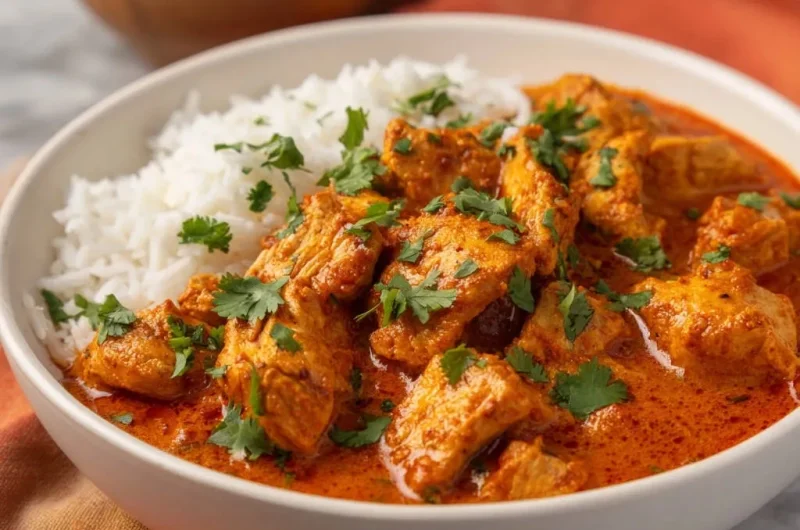
Chicken Curry
Course: Main CourseCuisine: IndianDifficulty: medium4
servings20
hours30
minutes450
kcal60
minutesNever suffer through dry chicken curry again! This recipe uses a crucial yogurt and spice marinade technique to ensure perfectly moist and tender chicken every time. The result is a comforting, rich curry finished with heavy cream and fresh cilantro.
Ingredients
1.5 pounds boneless skinless chicken breast or thighs, cut into 1-inch cubes
1 cup plain whole milk yogurt (nonfat is okay)
1 tablespoon fresh grated ginger
3 cloves garlic, minced
1 tablespoon lemon juice
1 teaspoon salt
1 teaspoon turmeric powder
1 teaspoon cumin
1 teaspoon garam masala
1 tablespoon neutral oil (like canola or vegetable)
1 medium yellow onion, finely diced
1 (15 ounce) can crushed tomatoes
1/2 cup heavy cream
1/2 teaspoon sugar (optional, to balance acidity)
Cooked basmati rice, for serving
Fresh cilantro, chopped, for garnish
Directions
- The Tenderizing Marinade (The Solution): In a large bowl, combine the cubed chicken, 1/2 cup of the yogurt, half the grated ginger, half the minced garlic, the lemon juice, 1/2 teaspoon of the salt, turmeric, cumin, and garam masala. Mix thoroughly until the chicken is completely coated. Cover and refrigerate for at least 1 hour, or ideally up to 4 hours. This lactic acid marinade is essential for breaking down the proteins and ensuring tenderness while the chicken cooks.
- Sear Quickly: Heat the oil in a large skillet or Dutch oven over medium-high heat. Remove the chicken from the marinade (leaving behind any large excess clumps of yogurt, but do not wipe dry). Working in batches if necessary to avoid overcrowding the pan, sear the marinated chicken pieces for 2 to 3 minutes per side until lightly browned and cooked halfway through. Immediately remove the chicken from the pan and set aside. It is vital to undercook the chicken slightly here so it finishes cooking in the sauce without drying out.
- Build the Sauce Base: Reduce the heat to medium. Add the diced onion to the pan and cook until soft, about 5 to 7 minutes. Add the remaining ginger and garlic and cook for 1 minute until fragrant.
- Simmer and Deepen Flavor: Pour in the crushed tomatoes, remaining 1/2 teaspoon of salt, and the optional sugar. Bring the sauce to a gentle simmer, scraping up any browned bits from the bottom of the pan. Let the sauce bubble gently for 10 minutes to allow the flavors to meld and the tomato to cook down slightly.
- Finish the Curry: Reduce the heat to low. Stir in the remaining 1/2 cup of plain yogurt and the heavy cream until the sauce is smooth and uniformly orange.
- Add the Chicken Back: Return the seared chicken pieces and any accumulated juices to the sauce. Gently stir to coat. Cover the pan and let it simmer on low for only 5 to 7 minutes, just long enough for the chicken to heat through and finish cooking completely (internal temperature of 165 degrees F). Do not overcook.
- Serve: Garnish generously with fresh cilantro and serve hot over fluffy basmati rice.
Notes
- The initial quick sear is vital to prevent overcooking later in the sauce.