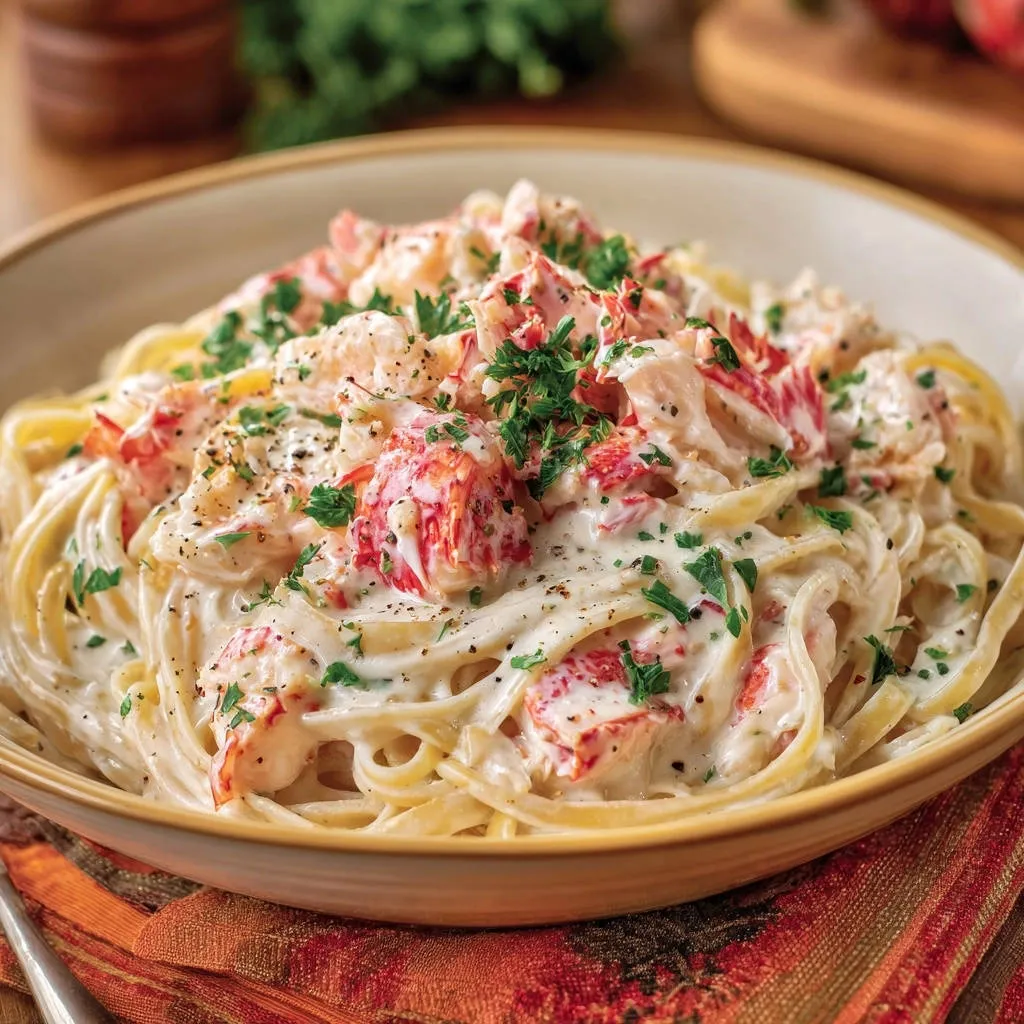
There’s nothing more frustrating than envisioning a luxurious plate of Creamy Lobster Fettuccine, only to find your sauce watery and unwilling to coat the pasta. I’ve been there, too, and it used to drive me crazy! This recipe is your secret weapon, designed to deliver a perfectly rich, thick, and clingy sauce every single time, making this indulgent dish utterly foolproof.
Get ready to impress yourself and your guests with restaurant-quality results right in your own kitchen.
Why This Creamy Lobster Fettuccine Recipe is Your New Go-To
No More Watery Sauce Woes: The Secret to Perfect Cling
Many recipes fall short, leaving you with a thin, disappointing sauce. Our method focuses on two crucial steps: broth and cream reduction for concentrated flavor, and the magic of starchy pasta water to create an emulsified sauce that genuinely hugs every strand of fettuccine.
Indulgence Made Simple: Foolproof Perfection for Special Occasions
Despite its elegant appearance, this Creamy Lobster Fettuccine is surprisingly straightforward to master. We break down each step with clear guidance, ensuring even novice cooks can achieve a show-stopping meal without stress.
Restaurant-Quality Flavor, Comfortably at Home
Experience the decadent taste of fine dining without leaving your home. The combination of succulent lobster, a velvety rich sauce, and perfectly cooked pasta elevates a simple dinner into a memorable culinary event, all from your own kitchen.
The Star Players: Essential Ingredients for Your Creamy Lobster Fettuccine
Fresh vs. Frozen Lobster: Making the Right Choice
While fresh lobster offers unparalleled sweetness, high-quality cooked and frozen lobster meat is a fantastic, convenient alternative. If using frozen, ensure it’s fully thawed in the refrigerator before use to maintain texture and flavor. For fresh lobster tails, you can easily prepare them at home; learn more about cooking techniques with our guide on baked lobster tails.
Pasta Power: Selecting the Perfect Fettuccine
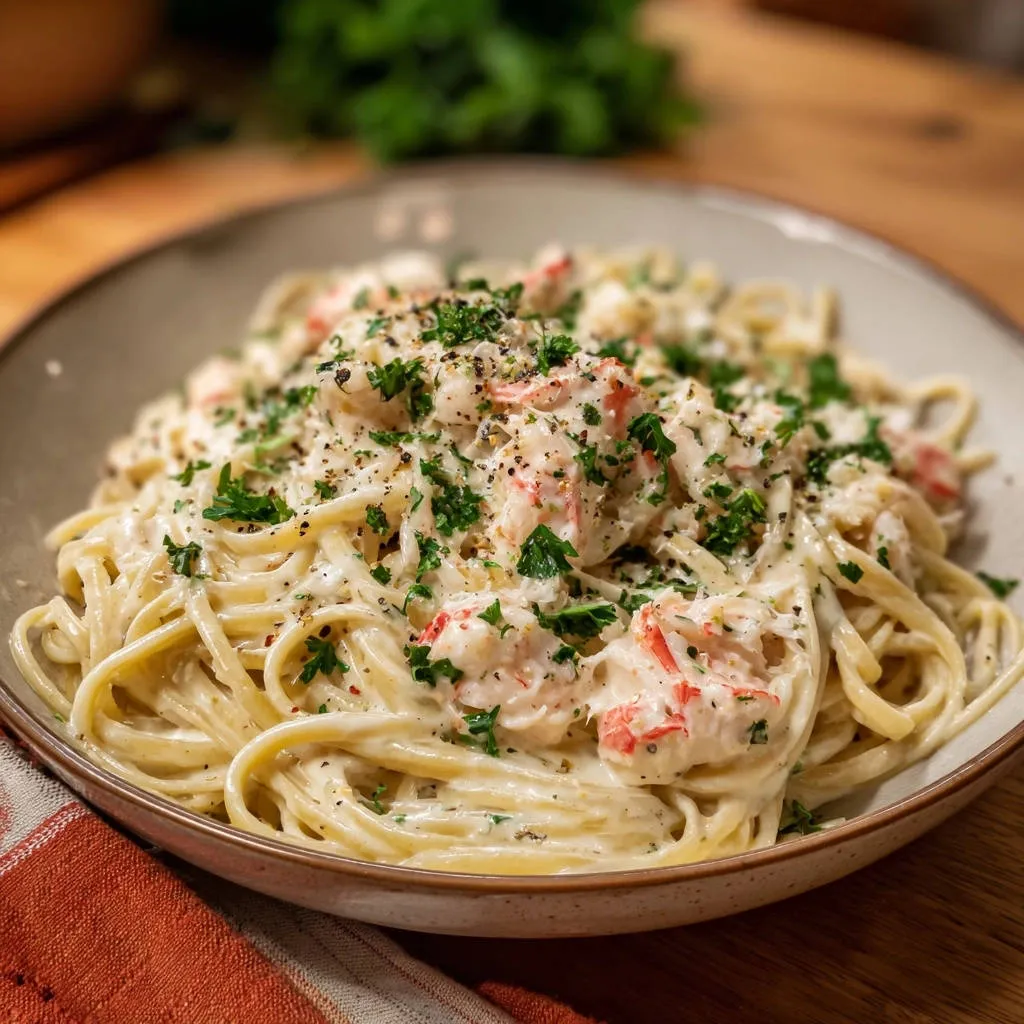
Fettuccine, with its broad, flat strands, is ideal for capturing and holding rich, creamy sauces. Opt for a good quality bronze-die cut pasta if possible, as its slightly rougher texture helps the sauce adhere even better.
Dairy Delights: The Creamy Sauce Foundation
Heavy cream is non-negotiable here, providing the luxurious body and richness that defines a truly creamy sauce. Unsalted butter adds another layer of velvety texture and helps brown the garlic without adding unwanted salt early on.
Aromatic Boosters: Garlic and Fresh Herbs
Freshly minced garlic forms the aromatic backbone of this dish, infusing the sauce with a warm, savory depth. Fresh parsley brightens the final dish with a burst of color and herbaceous freshness that cuts through the richness.
Broth Basics: Chicken vs. Vegetable Options
Chicken broth provides a robust, savory base that enhances the overall flavor profile. For a lighter touch or if preferring a strictly pescatarian dish, a good quality vegetable broth or even fish stock makes an excellent substitute.
Essential Tools for Creamy Lobster Fettuccine Success
Having the right tools makes all the difference in achieving culinary excellence with your creamy lobster fettuccine.
Large Skillet or Wide Pan: This is crucial for properly reducing the sauce and later tossing the pasta without overcrowding.
Large Pot: Essential for cooking the fettuccine in ample, well-salted water, preventing it from sticking together.
Whisk: Perfect for blending ingredients smoothly and helping the sauce emulsify consistently.
Tongs: Ideal for gently tossing the delicate pasta and lobster without tearing the strands or damaging the meat.
Measuring Cups and Spoons: For accurate ingredient proportions, ensuring a balanced and flavorful dish.
Crafting Culinary Magic: Your Step-by-Step Creamy Lobster Fettuccine Guide
Prepare the Fettuccine: Cook the pasta according to package directions in well-salted water until al dente.
Before draining, reserve 1.5 cups of the starchy pasta water. This reserved water is a true game-changer for achieving perfect sauce consistency; do not skip this step. Drain the pasta and set aside.
Sauté the Aromatics: While the pasta cooks, heat the olive oil and butter in a large skillet or wide pan over medium heat.
Add the minced garlic and cook for about 1 minute until fragrant, being careful not to brown it. Browned garlic can impart a bitter flavor to your delicate sauce.
Reduce the Broth: Pour in the chicken or vegetable broth.
Bring it to a simmer and let it reduce by about half, which usually takes 3 to 4 minutes. This essential step concentrates the flavor, building a strong, savory foundation and actively preventing a watery sauce later on.
Thicken the Cream Base: Add the heavy cream to the skillet.
Bring it to a gentle simmer, stirring occasionally, and cook for 5 to 7 minutes until the sauce visibly thickens and reduces. This careful reduction is paramount for developing a rich, velvety sauce that will beautifully cling to your fettuccine.
Warm the Lobster: Stir in the chopped cooked lobster meat and cook for just 1 to 2 minutes, allowing it to warm through.
It’s crucial not to overcook the lobster, as this will render it tough and rubbery, compromising its tender texture.
Combine with Pasta: Add the cooked fettuccine directly into the skillet with the creamy sauce.
Toss gently but thoroughly to coat the pasta evenly, ensuring every strand is enveloped in the rich, luscious goodness.
Emulsify with Pasta Water: Gradually add the reserved pasta water, about 1/4 cup at a time, continuously tossing the pasta.
The starch released from the pasta water is the magic ingredient that will help emulsify the sauce, making it incredibly creamy and ensuring it clings perfectly to every strand without being watery. Continue adding pasta water until your desired sauce consistency is reached, typically between 1/2 to 1 cup.
Season and Finish: Season the Creamy Lobster Fettuccine with salt to taste and plenty of freshly ground black pepper.
Stir in the 1/4 cup of fresh chopped parsley. Taste and adjust seasonings as needed, ensuring a balanced and vibrant flavor profile.
Serve Immediately: Serve your exceptional Creamy Lobster Fettuccine right away. Garnish with additional fresh parsley and a final sprinkle of black pepper for an inviting presentation and extra burst of freshness.
Chef’s Secrets: Elevate Your Creamy Lobster Fettuccine Experience
The Power of Reduction: Flavor Concentration
Reducing both the broth and the cream isn’t just about thickening; it’s about intensifying flavor. As the liquids evaporate, the savory notes from the broth and the richness of the cream become more concentrated, creating a profoundly delicious sauce that’s far from bland.
Mastering the Pasta Water Technique for a Clingy Sauce
The cloudy, starchy water leftover from cooking pasta is liquid gold. It acts as an emulsifier, binding the fat and water in your sauce to create a cohesive, silky texture that beautifully coats the fettuccine. Add it gradually, tossing constantly, until you reach your ideal consistency.
Preventing Overcooked Lobster: Timing is Everything
Cooked lobster needs only a minute or two to warm through in the sauce. Prolonged heat will make it tough and rubbery. Add it last and gently, ensuring it retains its tender, succulent texture.
Seasoning Like a Pro: Salt, Pepper, and Fresh Herbs
Always taste your sauce before final seasoning. Salt enhances all the flavors, while freshly ground black pepper adds a subtle warmth and aroma. Finishing with fresh parsley provides a vibrant, clean counterpoint to the rich sauce, brightening the entire dish.
Beyond the Bowl: Serving, Storing, and Enjoying Your Creation
Perfect Pairings: What to Serve Alongside
To complement the richness of your Creamy Lobster Fettuccine, consider serving a simple green salad with a bright vinaigrette, like our simple green salad that stays perfectly crispy. A basket of warm, crusty bread, perhaps a slice of crusty artisan loaf, is also essential for soaking up every last drop of that amazing sauce.
Reheating & Storage Tips for Leftovers
Store any leftover Creamy Lobster Fettuccine in an airtight container in the refrigerator for up to 2 days. To reheat, gently warm it in a skillet over low heat, adding a splash of milk or broth to revive the creamy texture and prevent it from drying out.
Can You Make Creamy Lobster Fettuccine Ahead?
While best served fresh, you can prepare the sauce base (garlic, broth reduction, cream reduction) a day ahead and store it in the fridge. Cook the pasta and warm the lobster just before serving, then combine everything to ensure the best texture and flavor.
Troubleshooting Your Creamy Lobster Fettuccine: Solutions for Common Hiccups
My Sauce Isn’t Thick Enough!
If your sauce is too thin, return the skillet to low heat and gently simmer it for a few more minutes to encourage further reduction. You can also gradually add a bit more of the reserved pasta water, as the starch helps to emulsify and thicken the sauce to your desired consistency.
Why is My Lobster Rubbery?
Rubbery lobster is a classic sign of overcooking. Lobster meat cooks very quickly. Ensure you only add your cooked lobster to the hot sauce for 1-2 minutes, just long enough to warm it through, then remove it promptly from the heat.
Pasta Clumping Together?
Pasta often clumps if not cooked in enough water, not stirred initially, or left to sit too long after draining. Ensure you use a large pot with plenty of salted water and toss the pasta immediately with the sauce after draining.
Your Creamy Lobster Fettuccine Questions Answered
Can I Use Frozen Lobster Meat?
Absolutely, high-quality frozen cooked lobster meat is a great option for convenience. Ensure it’s fully thawed in the refrigerator before using, then pat it dry before adding to the sauce to avoid excess moisture.
What if I Don’t Have Chicken Broth?
Vegetable broth is a perfect substitute, offering a clean, savory base. You could also use a good quality fish stock for an even more pronounced seafood flavor, if available.
Is There a Dairy-Free Alternative for Cream?
While heavy cream yields the richest results, full-fat coconut milk or a plant-based heavy cream alternative can work. Be aware that these may subtly alter the flavor and final texture, but can still create a delicious dish.
How Long Does Creamy Lobster Fettuccine Last in the Fridge?
For optimal freshness and food safety, Creamy Lobster Fettuccine should be consumed within 1-2 days when stored properly in an airtight container in the refrigerator.
Can I Add Other Seafood to This Recipe?
Yes, absolutely! Shrimp, scallops, or crab meat would all be delicious additions to your Creamy Lobster Fettuccine. Just be mindful of their cooking times, adding them briefly to the sauce so they don’t overcook.
Ready to Indulge? Your Creamy Lobster Fettuccine Awaits!
Now you have all the insider knowledge to create a truly exceptional Creamy Lobster Fettuccine that will dazzle your taste buds and earn you rave reviews. This recipe proves that gourmet dining is entirely achievable at home, delivering profound flavors and perfect textures every time.
Go ahead, gather your ingredients, and transform your kitchen into a five-star restaurant. Don’t forget to share your culinary triumph with us!
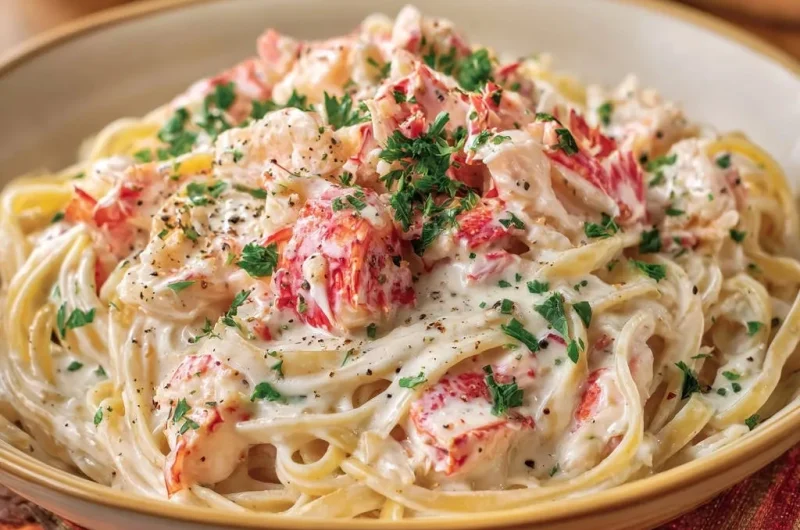
Lobster Fettuccine
Course: Main CourseCuisine: Italian-AmericanDifficulty: easy4
servings15
minutes25
minutes850
kcal40
minutesSay goodbye to watery sauces with this foolproof creamy lobster fettuccine! Discover the secrets to a perfectly rich, thick sauce that clings beautifully to every noodle, making this indulgent dish absolutely unforgettable. An easy yet impressive main course for any occasion.
Ingredients
12 ounces fettuccine pasta
2 tablespoons olive oil
2 tablespoons unsalted butter
4 cloves garlic, minced
1 cup chicken broth or vegetable broth
1.5 cups heavy cream
8 ounces cooked lobster meat, chopped into bite-sized pieces
1/4 cup fresh parsley, chopped, plus more for garnish
Salt to taste
Freshly ground black pepper to taste
Directions
- Cook the fettuccine pasta according to package directions in well-salted water until al dente. Before draining, reserve 1.5 cups of the starchy pasta water. Drain the pasta and set aside.
- While the pasta cooks, heat the olive oil and butter in a large skillet or wide pan over medium heat. Add the minced garlic and cook for about 1 minute until fragrant, being careful not to brown it.
- Pour in the chicken broth or vegetable broth. Bring to a simmer and let it reduce by about half, for 3 to 4 minutes. This step concentrates the flavor and helps prevent a watery sauce later.
- Add the heavy cream to the skillet. Bring it to a gentle simmer, stirring occasionally, and cook for 5 to 7 minutes until the sauce slightly thickens and reduces. This reduction is crucial for a rich, clingy sauce.
- Stir in the chopped cooked lobster meat and cook for just 1 to 2 minutes, allowing it to warm through. Do not overcook the lobster.
- Add the cooked fettuccine directly into the skillet with the sauce. Toss gently to coat the pasta evenly.
- Gradually add the reserved pasta water, about 1/4 cup at a time, continuously tossing the pasta. The starch from the pasta water will help emulsify the sauce, making it incredibly creamy and ensuring it clings perfectly to every strand without being watery. Continue adding pasta water until your desired sauce consistency is reached, usually between 1/2 to 1 cup.
- Season with salt and plenty of freshly ground black pepper. Stir in the 1/4 cup of fresh chopped parsley.
- Serve immediately, garnished with additional fresh parsley and black pepper.
Notes
- The key to a thick, clingy sauce lies in reducing the broth and cream, and using reserved starchy pasta water to emulsify.