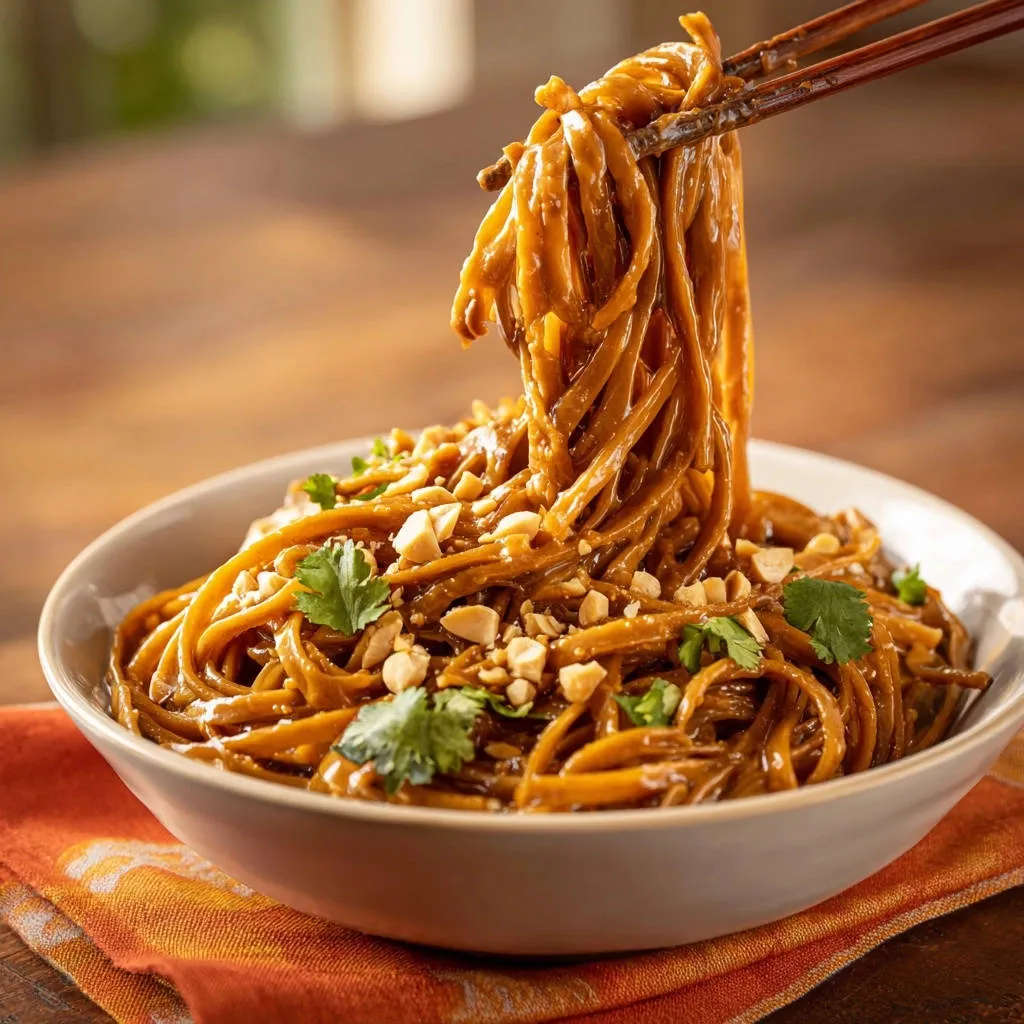
For years, I struggled with making Creamy Peanut Noodles because the sauce inevitably seized up into a sticky, oily mess, never achieving that perfect velvety coating.
This method solves that persistent problem entirely using one genius trick: reserved hot pasta water, which acts as a powerful emulsifier to create a consistently fluffy, pourable, and genuinely smooth peanut sauce every time.
Why This Creamy Peanut Noodles Will Replace All Other Recipes
This recipe focuses entirely on texture and stability, ensuring that your sauce remains luxuriously smooth whether served hot, warm, or chilled.
It cuts through the richness of the peanut butter with strategic acidity, preventing the flavor profile from becoming heavy or monotonous.
The Common Struggle: Clumpy vs. Creamy
The main failure point in most recipes is the immediate separation that occurs when liquids are added directly to dense peanut butter, often resulting in unappetizing clumps.
Our technique prevents the peanut oils from separating and integrates the ingredients smoothly, delivering a luscious texture that clings perfectly to the noodles.
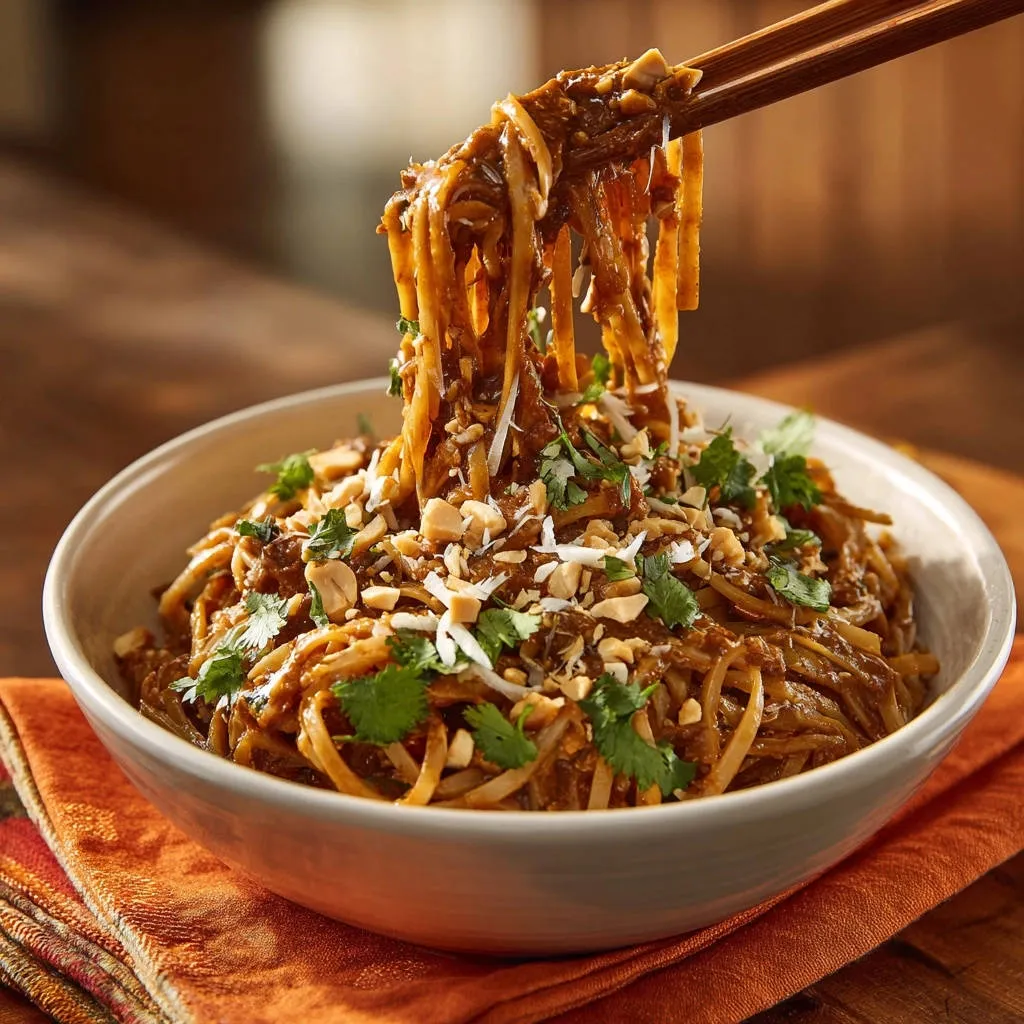
Unbeatable Speed and Efficiency
Since the sauce is made quickly in one bowl while the pasta cooks, this dish requires less than 20 minutes from start to finish.
It is the ideal weeknight solution for a flavorful, satisfying meal, requiring minimal cleanup and basic pantry staples.
Versatility for Warm or Chilled Serving
Unlike many creamy pasta sauces that solidify unpleasantly when cooled, the starch-stabilized nature of this peanut sauce keeps it velvety.
This quality makes these Creamy Peanut Noodles excellent for immediate serving or perfect for meal prep, picnics, or cold lunch boxes.
The “Fluffy Sauce Technique”: How to Prevent Peanut Butter Clumping
Achieving a restaurant-quality peanut sauce requires understanding how the ingredients interact, moving beyond simple mixing to proper emulsification.
This technique is the core distinction of this recipe, guaranteeing a smooth finish without needing stabilizers like cornstarch.
The Crucial Role of Hot, Starchy Water
Pasta water is rich in released starches, which act as a natural emulsifying agent by linking the fat molecules in the peanut butter with the water-based liquids like soy sauce and vinegar.
The starch prevents the fat and water from separating, integrating the dense peanut butter base into a stable, cohesive, and fluffy liquid.
For similar tender noodle perfection, try sesame garlic shrimp & soba next.
Why Temperature Matters for Emulsification
The water must be hot (near boiling) because heat helps temporarily relax the structure of the peanut butter and activate the starch.
Crucially, adding the hot liquid slowly prevents thermal shock, allowing the mixture to emulsify gradually rather than seizing instantly.
From Paste to Perfection: Whisking for Smoothness
Initial mixing results in a dense paste; this is when you must whisk vigorously, particularly during the first few tablespoons of hot water addition.
Vigorous whisking incorporates air and helps the emulsion form quickly, transforming the sticky mixture into a silky, pourable sauce consistency.
Building the Perfect Sauce: Essential Ingredients and Substitutions
Choosing the Right Peanut Butter Base
We highly recommend using conventional, creamy peanut butter for this recipe, as its consistent texture and added stabilizers simplify the emulsification process.
If you opt for natural peanut butter, you must stir it well first, and be prepared to use slightly more hot water if the sauce appears too oily.
Balancing Acidity and Umami: Soy Sauce and Vinegar
Low-sodium soy sauce provides essential umami flavor without overpowering the dish with saltiness, while the rice vinegar adds critical tang.
For even greater brightness, you can finish the dish with a teaspoon of fresh lime juice, which cuts through the richness beautifully.
The Aromatic Foundation: Ginger and Garlic
The depth of flavor in this recipe comes from the punchy, vibrant notes of fresh aromatics.
Always use freshly grated ginger and minced garlic; powdered substitutes lack the sharp, essential oils needed to anchor the sauce.
Selecting the Noodle Type for Maximum Sauce Coverage
We recommend thick spaghetti or linguine because their round, slightly roughened surface provides maximum area for the thick peanut sauce to adhere.
Avoid thin noodles like angel hair, which can easily be overwhelmed, or short, smooth shapes like penne, which don’t coat as effectively.
Your Step-by-Step Guide to Perfect Creamy Peanut Noodles
-
Noodle Prep and Starch Reserve: Cook the noodles according to package directions until perfectly al dente.
Crucially, reserve at least 1 cup of the hot, starchy cooking water just before draining. This water is the secret ingredient for the sauce.
After draining, a quick rinse with warm water helps stop the cooking process and prevents sticking while you prepare the sauce.
-
Create the Dense Sauce Base: In a medium mixing bowl, combine all sauce ingredients (peanut butter, soy sauce, rice vinegar, sesame oil, sweetener, aromatics, and cayenne).
Stir this mixture thoroughly until it is a thick, homogeneous, and dense paste. Do not worry about its texture at this stage; density is normal and expected.
-
Execute the Fluffy Sauce Technique: Slowly incorporate the reserved hot pasta water, adding only one tablespoon at a time.
Whisk vigorously after each addition. Observe how the hot starch begins to emulsify the peanut butter, transforming the sticky paste into a liquid.
Continue adding water until the sauce is completely smooth, pourable, and coats the back of a spoon. Use only enough water to achieve your desired consistency (usually about 1/2 cup).
-
Toss and Coat Immediately: Add the warm, drained noodles immediately to the finished sauce.
Toss quickly using tongs to ensure every strand is evenly coated. The warmth of the noodles helps the sauce cling perfectly.
-
Garnish and Serve: Transfer the noodles to serving dishes.
Garnish generously with crushed peanuts and fresh cilantro for texture and freshness. Serve immediately warm, or chill for a cold pasta salad.
Chef’s Secrets: Elevate Your Creamy Peanut Noodles Game
Toast Your Sesame Oil: For a richer, nuttier flavor, lightly toast the sesame oil in a small pan for 30 seconds before adding it to the mixture. Be careful not to burn it.
Add a Citrus Finish: Just before serving, squeeze a dash of fresh lime juice over the tossed noodles. This bright acid counteracts the richness of the peanut butter beautifully.
Control the Heat: If using cayenne pepper, always start with half the amount specified, taste the finished sauce, and adjust before mixing with the noodles. Heat levels intensify slightly as the sauce sits.
Meal Prep Strategy: If making this dish ahead of time, reserve an extra tablespoon or two of the finished sauce separately. When reheating or serving cold, you may need to toss the noodles with this reserved sauce and a splash of hot water to refresh the consistency.
How to Serve, Store, and Customize Your Peanut Noodle Masterpiece?
Suggested Protein Pairings
Shredded rotisserie chicken tossed into the warm noodles is an instant, easy protein addition.
Crispy baked or pan-fried tofu cubes soak up the sauce wonderfully and maintain great texture.
Quickly sautéed shrimp or perfectly seared steak strips add sophistication and robust flavor to the dish.
Vegetable Boosts for Texture and Color
Add shredded carrots, julienned red bell peppers, or thinly sliced cucumber for satisfying crunch and color.
These vegetables should be added raw right before serving to maintain maximum crispness, or you can toss in lightly blanched edamame.
Storage and Make-Ahead Advice
Leftover Creamy Peanut Noodles store excellently in an airtight container for up to 4-5 days refrigerated.
If the sauce thickens too much overnight, simply toss the noodles with a teaspoon of hot water or a splash of sesame oil to refresh the velvety consistency.
Troubleshooting Common Issues and FAQs
Why is my sauce still too thick after adding the water?
Ensure your water was truly hot; cold water will inhibit emulsification and cause seizing.
You may need to whisk much more vigorously to break the initial paste, and don’t hesitate to add one or two more tablespoons of hot water until the desired pourable consistency is achieved.
Can I make this recipe vegan or gluten-free?
Yes, the recipe is naturally vegan if using maple syrup instead of brown sugar (though brown sugar is often vegan).
To make it gluten-free, substitute the soy sauce entirely with tamari or coconut aminos, ensuring the noodles used are certified gluten-free (like rice noodles).
What if my noodles clumped while waiting for the sauce?
If the noodles have cooled and become sticky, run them under very warm water for about 10 seconds immediately before adding them to the sauce.
This light warmth will relax the starch and allow them to separate quickly without making them mushy.
How spicy is the optional cayenne?
The 1/2 teaspoon of cayenne provides a pleasant warmth that lingers without being overwhelmingly hot for most palates.
If you prefer very mild heat, start with a scant 1/4 teaspoon; you can always add a dash of hot sauce to the finished plate if needed.
Ready to Impress? Share Your Creamy Peanut Noodles Masterpiece!
You now hold the secret to the smoothest, fluffiest peanut sauce imaginable, transforming simple Creamy Peanut Noodles into a reliable weeknight favorite.
Give this technique a try this week-you will never again face the disappointment of a clumpy sauce. We invite you to leave a comment below and share your favorite toppings!
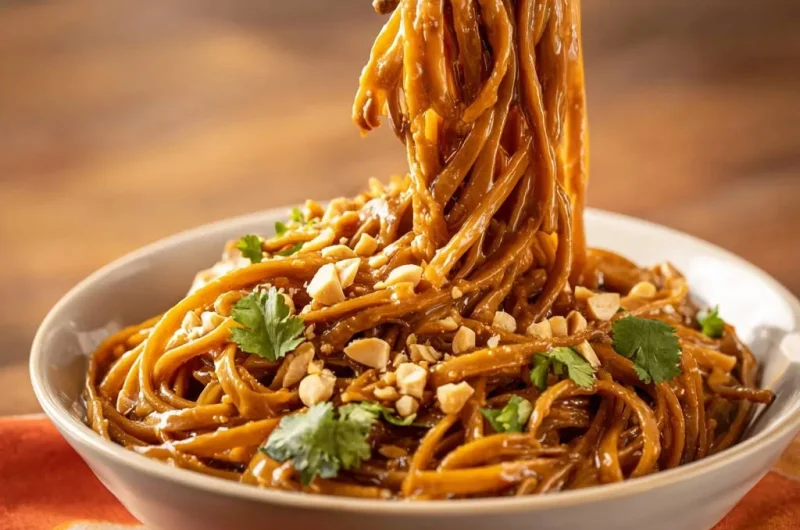
Peanut Noodles
Course: Main CourseCuisine: AsianDifficulty: easy4
servings10
minutes10
minutes550
kcal20
minutesTired of sticky, clumping peanut sauces? This recipe uses a simple technique involving hot pasta water to create a flawlessly smooth, spoonable, and fluffy peanut sauce that coats every strand of noodle perfectly. Excellent served warm or chilled.
Ingredients
1 pound thick spaghetti or linguine noodles
1/2 cup creamy peanut butter
1/4 cup soy sauce (low sodium preferred)
2 tablespoons rice vinegar
2 tablespoons sesame oil
2 tablespoons brown sugar or maple syrup
1 teaspoon grated fresh ginger
1 clove garlic, minced
1/2 teaspoon cayenne pepper (optional, for heat)
1/2 cup hot water (reserved from cooking noodles)
1/4 cup chopped peanuts, for garnish
2 tablespoons fresh cilantro, chopped, for garnish
Directions
- Cook the Noodles: Cook the noodles according to package directions until al dente. IMPORTANT: Just before draining, reserve at least 1 cup of the hot, starchy cooking water. Drain the noodles and rinse briefly with warm water to prevent sticking, then set aside.
- Prep the Sauce Base: In a medium bowl, combine the peanut butter, soy sauce, rice vinegar, sesame oil, brown sugar or maple syrup, ginger, minced garlic, and cayenne (if using). Stir until the mixture is thick and fully combined. At this point, it will be dense, sticky, and paste-like.
- Solve the Clumping Problem (The Fluffy Sauce Technique): This is the key step. Take the reserved hot pasta water and begin incorporating it into the peanut mixture one tablespoon at a time, whisking vigorously after each addition. The hot, starchy water helps the peanut butter emulsify smoothly rather than separating or clumping. Continue adding the water, whisking until the sauce reaches a creamy, pourable consistency that is completely smooth and free of lumps. You will likely use about 1/2 cup total, but adjust based on your desired thickness.
- Combine: Add the warm, drained noodles immediately to the bowl of finished sauce. Toss quickly and thoroughly until every strand is coated evenly with the smooth, fluffy peanut sauce.
- Serve and Garnish: Transfer the noodles to serving bowls. Garnish generously with crushed peanuts and fresh cilantro before serving. These noodles are excellent served warm or chilled.
Notes
- These noodles are delicious served either warm right after tossing or chilled for an excellent cold pasta salad.