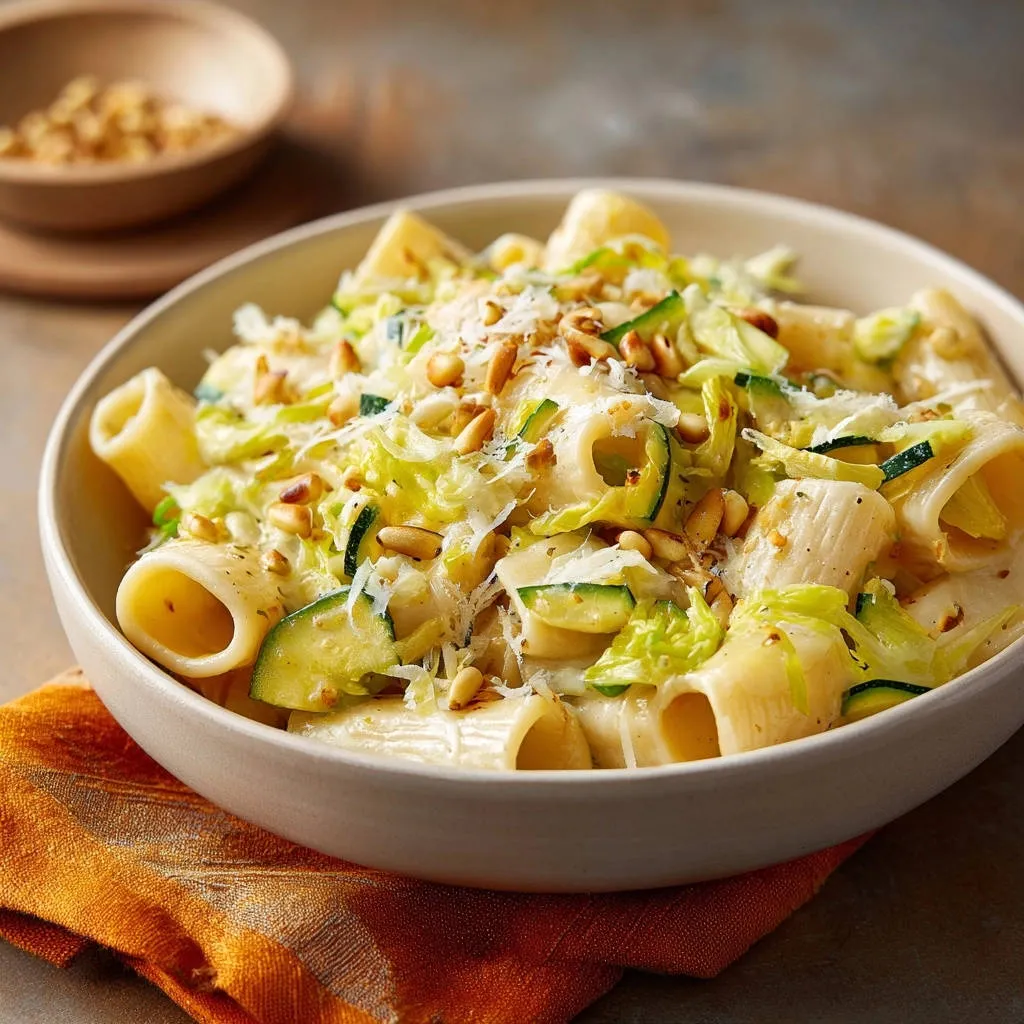
There’s a particular joy that comes from a perfectly creamy pasta dish, where every strand is luxuriously coated, not swimming in a thin, disappointing sauce. I’ve refined my approach to Creamy Zucchini and Cabbage Rigatoni to guarantee that luscious, clingy sauce every single time.
This recipe transforms simple vegetables and pantry staples into an elegant, satisfying meal that truly stands out, promising a restaurant-quality finish right from your kitchen.
Beyond Basic: Why This Creamy Zucchini and Cabbage Rigatoni Stands Out
The Secret to a Perfectly Clingy Sauce: No More Watery Pasta!
The magic behind this Creamy Zucchini and Cabbage Rigatoni lies in a simple yet revolutionary technique: utilizing reserved pasta cooking water. The natural starch from the pasta creates an instant emulsifier when added to the cream sauce.
This vital starch allows the sauce to beautifully bind and thicken, ensuring it perfectly clings to each rigatoni tube, delivering that enviable, non-watery “restaurant-quality finish.”
Quick & Satisfying Weeknight Elegance
Despite its luxurious taste and appearance, this creamy pasta dish comes together with surprising speed. It’s designed to be a culinary hero for busy weeknights, offering maximum flavor with minimal fuss.
You’ll enjoy a satisfying and special meal without spending hours in the kitchen, making it perfect after a long day.
A Fresh Take on Your Favorite Pasta Dish
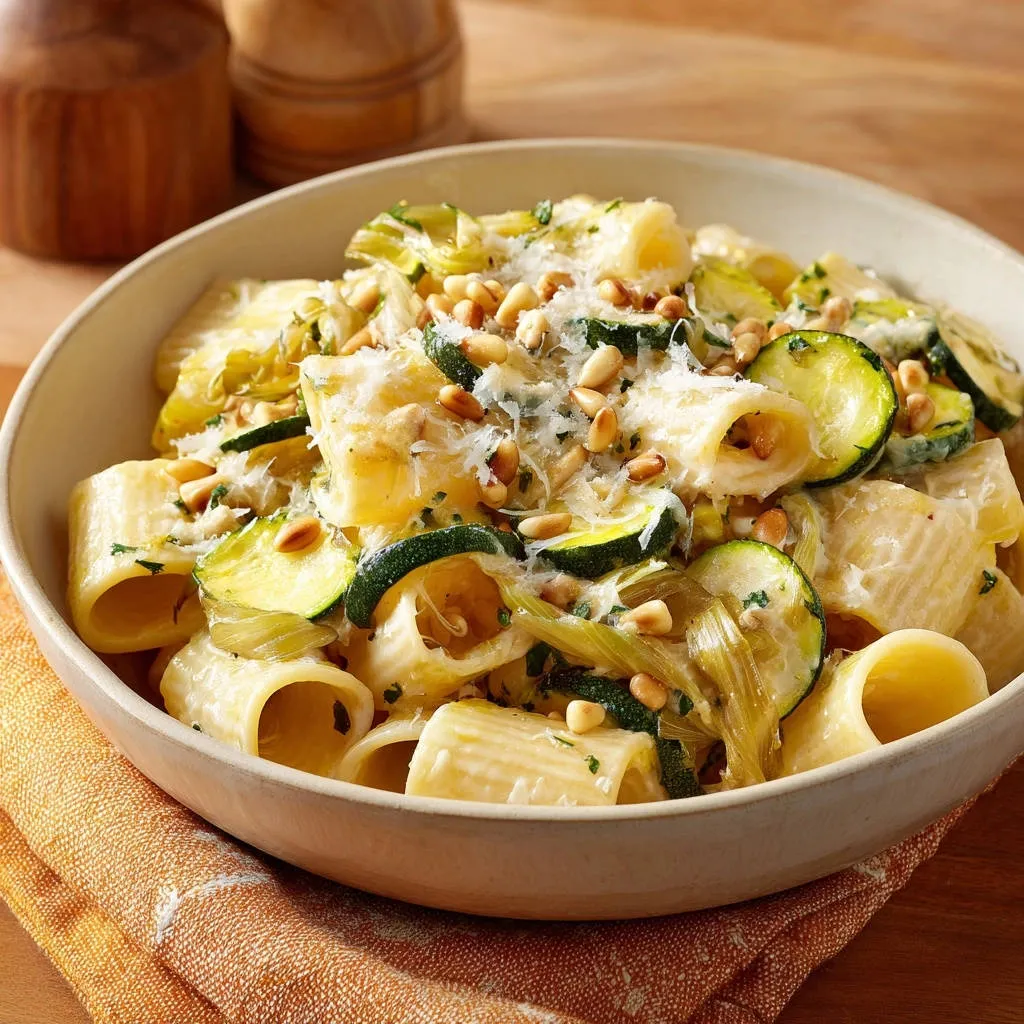
Elevate your traditional creamy pasta with the vibrant addition of fresh zucchini and tender cabbage. This combination introduces delightful textures and a subtle sweetness that brightens the entire dish.
It’s a wholesome yet indulgent twist, showcasing how easily everyday vegetables can transform a classic into something extraordinary.
Gather Your Goodness: Essential Ingredients for Rigatoni Perfection
The Pasta Base: Rigatoni and Its Starchy Secret
Rigatoni, with its robust tubular shape and ridged surface, is an ideal choice for this creamy sauce. The ridges and hollow interior beautifully capture and hold the rich sauce in every bite.
Beyond its shape, rigatoni releases valuable starch into the cooking water, which, as you’ll discover, is the unsung hero for emulsifying our sauce.
Garden Fresh Stars: Zucchini and Cabbage
Fresh zucchini, thinly sliced into half-moons, offers a delicate sweetness and a tender-crisp texture when sautéed. It absorbs the creamy flavors wonderfully.
Shredded green cabbage adds a subtle earthiness and a pleasant, slightly chewy bite, contributing depth and a lovely vibrant color. Both vegetables cook quickly, integrating seamlessly into the dish.
The Creamy Heart: Heavy Cream & Parmesan
Heavy cream forms the luxurious base of our sauce, providing unparalleled richness and a smooth, velvety consistency. Its higher fat content helps prevent separation, ensuring a stable sauce.
Freshly grated Parmesan cheese melts beautifully into the cream, adding a salty, umami depth and contributing to the sauce’s cohesive, clingy texture. Always grate your own for superior flavor.
Flavor Boosters: Garlic, Pine Nuts & Seasonings
Minced garlic lays the aromatic foundation, infusing the olive oil with a pungent, savory fragrance that builds the dish’s flavor profile from the start.
Toasted pine nuts provide a delightful crunch and a buttery, nutty counterpoint to the creamy sauce, elevating the texture and adding a gourmet touch.
Salt and freshly ground black pepper are essential for balancing and enhancing all the flavors, while a pinch of red pepper flakes adds a welcome, subtle warmth without overwhelming the dish.
Your Kitchen Arsenal: Tools for Creamy Zucchini and Cabbage Rigatoni
Essential Cookware
Large Pot: Crucial for cooking rigatoni to perfection, ensuring ample space for the pasta to move and prevent sticking.
Large Skillet or Dutch Oven: Ideal for sautéing vegetables and building the creamy sauce, providing enough surface area for even cooking and tossing.
Handy Utensils
Ladle: Indispensable for safely transferring reserved pasta water to the sauce, as well as serving the finished dish.
Tongs: Excellent for tossing the pasta and sauce vigorously, ensuring every piece of rigatoni is thoroughly coated.
Grater: For grating fresh Parmesan, which melts more smoothly and offers superior flavor compared to pre-grated varieties.
Sturdy Wooden Spoon or Spatula: Perfect for stirring vegetables and sauces, preventing scorching and ensuring smooth incorporation of ingredients.
Crafting Your Masterpiece: Step-by-Step Creamy Zucchini and Cabbage Rigatoni
Prepare Pasta & Reserve Its Liquid Gold
Start by bringing a large pot of generously salted water to a rolling boil. Add your rigatoni and cook according to package directions, aiming for a perfect al dente texture.
Before draining, make sure to reserve about 1 ½ cups of that precious, starchy pasta cooking water. This “liquid gold” is non-negotiable for achieving a beautifully emulsified, clingy sauce, so don’t forget this crucial step!
Once you’ve collected your starchy water, drain the pasta and set it aside.
Sauté Aromatics and Tender-Crisp Vegetables
In a large skillet or Dutch oven, heat the olive oil over medium heat. Add the minced garlic and cook for about 30 seconds until it becomes wonderfully fragrant, taking care not to let it brown or burn, which can lead to bitterness.
Next, add the thinly sliced zucchini to the skillet. Sauté for 5 to 7 minutes, stirring occasionally, until the zucchini is tender-crisp and exhibits a light golden hue, showing off its natural sweetness.
Stir in the shredded cabbage and cook for just another 2 to 3 minutes, until it wilts slightly and brightens in color. Season these vegetables lightly with salt and pepper at this stage to build foundational flavor.
Build the Signature Clingy Cream Sauce
Pour the heavy cream into the skillet with your fragrant vegetables. Bring the mixture to a gentle simmer, ensuring it warms through evenly.
Now, for the secret to a perfectly clingy sauce: ladle in about ½ cup of your reserved starchy pasta cooking water. The starch acts as a natural emulsifier, binding the cream to create a stable, non-watery sauce.
Continue to stir constantly while simmering gently for 2 minutes. This allows the sauce to thicken slightly and begin its transformation into that desired luscious consistency.
Melt in the Parmesan for Cohesion
Stir in the ½ cup of freshly grated Parmesan cheese until it completely melts into the sauce. This process creates a smooth, cohesive mixture, adding incredible depth and a salty, umami flavor.
Observe the sauce’s consistency; it should coat the back of a spoon. If it appears too thick, add another tablespoon or two of the reserved pasta water, stirring until your desired luscious coating consistency is achieved.
Combine Pasta and Sauce for the “Restaurant Finish”
Add the cooked and drained rigatoni directly into the skillet with the rich sauce and tender vegetables. Now, toss everything together vigorously for 1 to 2 minutes. This is key to ensuring every piece of pasta is thoroughly coated.
The pasta will continue to absorb some of the magnificent sauce and release additional starch, further thickening and binding the sauce. This final vigorous toss is what truly creates that incredible “restaurant-quality finish” for your Creamy Zucchini and Cabbage Rigatoni.
For a similar creamy pasta experience, consider our Creamy Shells with Bacon recipe.
Final Seasoning and Elegant Garnishing
Taste the dish and adjust the seasoning as needed. You might want to add a bit more salt, freshly ground black pepper, or a pinch of red pepper flakes for an extra kick, tailored to your preference.
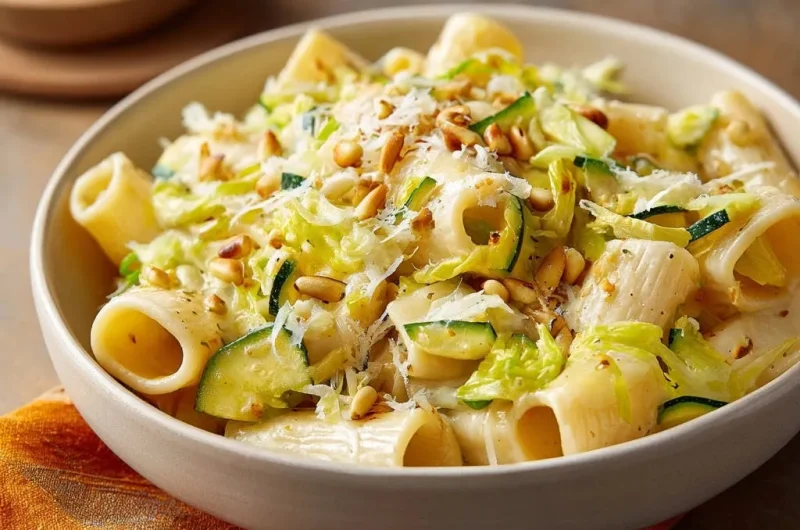
Serve your magnificent Creamy Zucchini and Cabbage Rigatoni immediately in warm bowls. Garnish generously with extra grated Parmesan cheese and a sprinkle of those toasted pine nuts, adding both visual appeal and a delightful textural contrast.
Elevate Your Dish: Pro Tips for Flawless Creamy Rigatoni
The Power of Pasta Water: Your Sauce’s Best Friend
Never underestimate the cloudy, starchy water from cooking your pasta. It’s truly your sauce’s best friend!
The starches in this water are essential for creating an emulsion, preventing your sauce from separating and ensuring it beautifully coats the pasta. Always add it gradually, a tablespoon at a time, until you hit that perfect consistency.
Achieving Perfect Vegetable Texture
When sautéing garlic, keep the heat medium and watch it carefully; it should be fragrant, not browned, to avoid bitterness. Zucchini should be tender-crisp, not mushy, maintaining a pleasant bite.
Cabbage needs just a few minutes to wilt and brighten, retaining its structural integrity and adding a fresh, vibrant element.
Don’t Overcook the Pasta: Al Dente is Key!
Cooking your rigatoni to a true al dente is crucial for the overall success of this dish. Pasta that’s slightly firm to the bite will continue to cook in the hot sauce, absorbing flavors without becoming soft or gluey.
It ensures the pasta maintains its structure and a satisfying chewiness, making for a truly enjoyable experience.
Seasoning in Layers for Maximum Flavor
Build flavor throughout the cooking process. Season the vegetables lightly as they cook, then season the sauce, and finally, taste and adjust the entire dish before serving.
This layering technique ensures a well-rounded and balanced flavor profile, rather than relying on a single burst of seasoning at the end.
Finishing Touches: How to Serve Your Creamy Zucchini and Cabbage Rigatoni
Classic Garnishes & Beyond
Beyond the essential extra grated Parmesan and toasted pine nuts, consider fresh, bright garnishes to elevate your dish. A sprinkle of chopped fresh parsley or basil adds a pop of color and herbaceous freshness.
A final drizzle of high-quality extra virgin olive oil can also add a subtle peppery note and a lovely sheen to the creamy sauce. For another take on combining vegetables and pasta, check out our Perfect Sausage and Zucchini Pasta.
What to Pair With This Delightful Pasta
This Creamy Zucchini and Cabbage Rigatoni pairs beautifully with simple, fresh accompaniments. A crisp green salad dressed with a light vinaigrette offers a refreshing contrast to the richness of the pasta.
Crusty bread is perfect for soaking up any lingering sauce. For beverages, a light-bodied white grape juice or sparkling water with lemon would complement the flavors without overwhelming them.
Enjoying Later: Storage and Make-Ahead Tips
Storing Leftovers Safely
Allow any leftover Creamy Zucchini and Cabbage Rigatoni to cool completely before transferring it to an airtight container. Refrigerate promptly, and consume within 2-3 days for best quality and safety.
While the texture may change slightly upon cooling, the flavors remain delicious.
Reheating for Best Results (Without Losing Creaminess)
To reheat, gently warm the pasta in a skillet over low heat, adding a splash of milk, cream, or even a bit of vegetable broth. Stir constantly to help restore the sauce’s creamy consistency and prevent it from drying out or separating.
Avoid high heat or prolonged reheating, as this can cause the sauce to break. Reheat just until warmed through, then serve immediately.
Common Questions & Quick Fixes for Your Rigatoni
My Sauce is Too Watery! What Went Wrong?
If your sauce is too watery, it likely needs more starch for emulsification. Increase the heat slightly and simmer gently for a bit longer, allowing the sauce to reduce naturally.
Alternatively, stir in another tablespoon or two of your reserved starchy pasta water, or a tiny sprinkle of extra grated Parmesan cheese, which helps thicken and bind the sauce.
Vegetables Aren’t Tender Enough / Are Too Mushy
If vegetables are too firm, continue sautéing them for a few more minutes until they reach your desired tenderness. If they’re mushy, they were likely overcooked; ensure you cook zucchini only until tender-crisp and cabbage just until wilted and bright.
Adjusting cooking times and monitoring doneness carefully in the future will prevent this issue.
Pasta is Sticking Together in the Skillet
If your pasta clumps, it could be due to insufficient sauce or not enough vigorous tossing. Ensure there’s ample sauce to coat every piece.
Add an extra splash of reserved pasta water if needed, and toss everything together with enthusiasm to distribute the sauce evenly and separate the rigatoni.
Your Creamy Zucchini and Cabbage Rigatoni FAQs Answered
Can I Use Different Vegetables in This Recipe?
Absolutely! This Creamy Zucchini and Cabbage Rigatoni recipe is quite versatile. Spinach, bell peppers, asparagus, or mushrooms are excellent additions or substitutions, offering varied flavors and textures.
Consider vegetables that cook relatively quickly or can be pre-sautéed to a similar tender-crisp stage as the zucchini and cabbage. For another idea for combining vegetables and ingredients, explore our Cheesy Ground Beef and Cabbage Bake.
What About a Dairy-Free or Vegan Version?
Yes, you can adapt this recipe! For a dairy-free version, substitute heavy cream with a full-fat canned coconut milk (for richness) or a plant-based cream alternative.
For Parmesan, use a nutritional yeast-based vegan Parmesan substitute. The sauce will still benefit greatly from the reserved pasta water for thickening.
Can I Add Protein to This Dish for a Heartier Meal?
Certainly! For added protein, cooked chicken (shredded or diced), sautéed shrimp, or even crispy bacon bits would be delicious additions. You could also stir in white beans or chickpeas for a plant-based protein boost.
Add cooked protein during the final step when combining the pasta and sauce, ensuring it warms through.
Is Rigatoni Essential, or Can I Use Other Pasta Shapes?
While rigatoni is excellent for capturing this creamy sauce, other robust pasta shapes like penne, orecchiette, or even farfalle would work beautifully. Choose a pasta with nooks, ridges, or cups to hold the sauce well.
Avoid very thin pasta like angel hair, as it can get lost in the creamy sauce.
How Can I Make This Dish Spicier?
To amp up the heat, you can easily add more red pepper flakes to the sauce, either during the sautéing of the vegetables or during the final seasoning. A tiny pinch of cayenne pepper, or a dash of your favorite hot sauce stirred in at the end, will also provide a pleasant warmth.
Ready to Create? Share Your Creamy Rigatoni Success!
Now you have all the secrets to mastering the perfect Creamy Zucchini and Cabbage Rigatoni. Say goodbye to watery pasta woes and hello to a dish that consistently delivers rich, clingy, and utterly satisfying flavor.
I encourage you to try this recipe with confidence, knowing you’ll achieve a restaurant-quality result every time. Don’t forget to share your culinary creations with us, and we’d love to hear your thoughts and ratings in the comments below!
Rigatoni
Course: Main CourseCuisine: ItalianDifficulty: easy4
servings20
minutes30
minutes650
kcal50
minutesDiscover the secret to a perfectly creamy pasta sauce that clings to every rigatoni, ditching the disappointment of watery dishes. This recipe features tender zucchini and wilted cabbage in a rich, cheesy sauce, elevated by the magic of starchy pasta water. Enjoy a luxurious, restaurant-quality meal at home.
Ingredients
1 pound rigatoni pasta
2 tablespoons olive oil
4 cloves garlic, minced
2 medium zucchini, thinly sliced into half-moons
2 cups shredded green cabbage (or very thinly sliced Savoy cabbage)
1 cup heavy cream
1/2 cup grated Parmesan cheese, plus more for serving
1/4 cup toasted pine nuts, for garnish
Salt and freshly ground black pepper to taste
Red pepper flakes, a pinch (optional)
Directions
- Bring a large pot of salted water to a boil. Add the rigatoni and cook according to package directions until al dente. Before draining, reserve 1 1/2 cups of the starchy pasta cooking water. Drain the pasta and set aside.
- While the pasta cooks, heat the olive oil in a large skillet or Dutch oven over medium heat. Add the minced garlic and cook for 30 seconds until fragrant, being careful not to burn it.
- Add the thinly sliced zucchini to the skillet. Saute for 5 to 7 minutes, stirring occasionally, until tender-crisp and lightly golden. Add the shredded cabbage and cook for another 2 to 3 minutes, just until it wilts and turns bright green. Season lightly with salt and pepper.
- Pour the heavy cream into the skillet with the vegetables. Bring it to a gentle simmer. Now for the secret weapon to a perfectly clingy sauce: Ladle in 1/2 cup of the reserved pasta cooking water. The starch in this water is essential for emulsifying the sauce and preventing it from becoming watery. Stir constantly while simmering gently for 2 minutes to allow the sauce to thicken slightly.
- Stir in the 1/2 cup of grated Parmesan cheese until it melts into the sauce, creating a smooth, cohesive mixture. If the sauce seems too thick, add another tablespoon or two of the reserved pasta water until it reaches your desired consistency. The goal is a sauce that coats the back of a spoon, not a thin liquid.
- Add the cooked and drained rigatoni directly into the skillet with the sauce and vegetables. Toss everything together vigorously for 1 to 2 minutes, ensuring every piece of pasta is thoroughly coated. The pasta will absorb some of the sauce and release additional starch, further thickening and binding the sauce to create that restaurant-quality finish.
- Taste and adjust seasoning with additional salt, pepper, or a pinch of red pepper flakes if desired.
- Serve immediately in bowls, garnished with extra grated Parmesan cheese and a sprinkle of toasted pine nuts. Enjoy your perfectly sauced pasta!
Notes
- The key to a perfectly creamy, clingy sauce is using reserved starchy pasta water to emulsify.