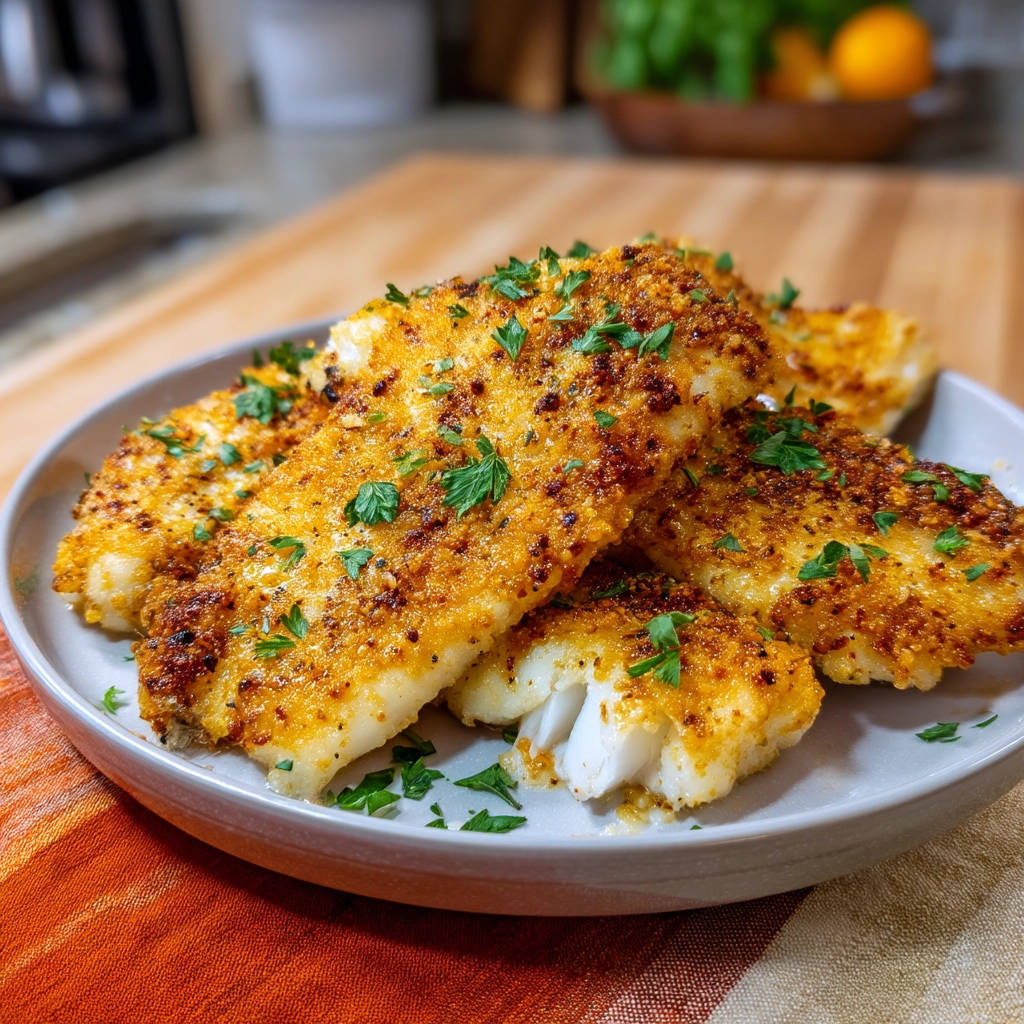
Oh, friends, let’s talk about one of life’s simple pleasures: perfectly crispy breaded fish. You know the kind – golden brown, delightfully crunchy on the outside, and flaky and tender on the inside. It’s pure comfort food! But if you’re anything like I used to be, you might have faced the dreaded soggy breading challenge. You follow a recipe, excited for that satisfying crunch, only to end up with a soft, sad coating. Ugh! It’s so disappointing, right?
Well, good news! I’ve cracked the code, and there’s one simple trick that changed my breaded fish game forever. This recipe for Crispy Breaded Fish Fillets guarantees a crunchy exterior every single time, no soggy bottoms or tops in sight. It’s quick enough for a weeknight but feels special enough for company. Get ready to ditch the takeout menu and make the best crispy fish right in your own kitchen!
Why You’ll Absolutely Love This Recipe
Beyond just solving the soggy breading problem (which is reason enough!), there are so many things to adore about this method:
- Ultimate Crispy Texture: This recipe focuses on techniques that ensure a golden, crunchy crust that holds up beautifully.
- Flaky, Tender Fish: The quick cooking time keeps the fish moist and delicate inside, providing a lovely contrast to the exterior crunch.
- Simple Ingredients: You likely have most of these pantry staples on hand already.
- Fast & Easy: From start to finish, you can have delicious, crispy fish on the table in under 30 minutes. Perfect for busy evenings!
- Kid-Approved: What’s not to love about crunchy, flavorful fish? It’s a great way to get seafood into your family’s diet.
Gathering Your Ingredients for Crispy Breaded Fish Fillets
One of the beauties of this recipe is its simplicity. We’re not using anything fancy or hard to find, just basic components that come together to create maximum flavor and that essential crispy texture.
- White Fish Fillets: About a pound of white fish. Lean, mild-flavored fish works best here. Think cod, tilapia, haddock, or even pollock. Choose fillets that are relatively thin and uniform in thickness for even cooking. Make sure they’re fresh or properly thawed.
- Bread Crumbs (or Panko): The star of our crunchy coating! Standard bread crumbs work well, but for an extra crispy crust, I highly recommend using Panko bread crumbs. They’re lighter, flakier, and absorb less oil, leading to a superior crunch.
- Grated Parmesan Cheese (Optional): If you like a little extra savory flavor and a richer golden hue, a bit of grated Parmesan is a fantastic addition to the breading mixture. It melts slightly as it cooks, contributing to the crispness.
- Paprika: This adds a beautiful color to the breading, giving your fish that inviting golden-brown look, and a subtle, warm flavor.
- Garlic Powder: A touch of garlic powder infuses the coating with savory aroma and taste without the risk of burning fresh garlic.
- Salt and Black Pepper: Essential flavor enhancers. Season the breading mixture generously to ensure the crust is well-seasoned, not just crunchy.
- Large Egg: This acts as the binder, helping the flour and bread crumbs stick to the fish.
- Milk or Water: Whisking the egg with a little liquid creates the egg wash, which helps the breading adhere more evenly. Either milk or water works fine.
- All-Purpose Flour: The first layer in our dredging process. Flour helps create a dry surface for the egg wash to cling to, which in turn helps the breadcrumbs stick better. It’s a crucial foundation for a good crust.
- Vegetable Oil ( or other cooking oil): We’ll be pan-frying these fillets, so you need an oil with a medium-high smoke point. Vegetable oil, canola oil, or even light olive oil are good choices. You need enough to generously coat the bottom of your skillet.
- Fresh Parsley, chopped: For a bright, fresh garnish that adds a pop of color and a lovely, clean flavor finish.
Crafting Your Crispy Breaded Fish Fillets: Step-by-Step Guide
Let’s walk through the simple steps to achieve fish fillet perfection. The key is preparation and paying attention to technique. Trust me, these little details make all the difference between soggy and spectacularly crispy!
Prep the Fish by Patting Dry: This is arguably the most crucial step for achieving that coveted crispy coating. Moisture is the enemy of crispness! Place your fish fillets on a plate and use paper towels to pat every surface completely dry. Don’t just blot; press firmly to absorb as much liquid as possible. Repeat with fresh paper towels if needed until the fish feels quite dry to the touch.
Set Up Your Dredging Station: Get organized! You’ll need three shallow dishes, like pie plates or shallow bowls, set up in a row. This creates an assembly line for coating the fish efficiently and cleanly. Think of it as building the perfect foundation for crunch.
Flour the First Dish: In the first dish, simply place your all-purpose flour. This initial layer provides a dry surface that the wet ingredients will adhere to, creating a better bond for the breading.
Prepare the Egg Wash: In the second dish, crack the large egg. Add the milk or water and whisk it thoroughly with a fork until the yolk and white are fully combined and a bit frothy. This wet mixture is what the breadcrumbs will stick to.
Create the Breading Mixture: In the third dish, combine the bread crumbs (or panko for extra crispiness!). If you’re using the optional Parmesan cheese, add that now. Stir in the paprika, garlic powder, salt, and black pepper. Mix everything together really well with a fork or spoon so the seasonings are evenly distributed throughout the crumbs. This ensures every bite is flavorful.
Dredge in Flour: Take one completely dry fish fillet and place it in the first dish with the flour. Gently press the fillet into the flour to coat both sides. Pick it up and shake off any excess flour. You want a light, even dusting, not thick clumps.
Dip in Egg Wash: Carefully transfer the floured fillet to the second dish with the egg wash. Coat both sides, letting any excess egg wash drip back into the dish for a moment. The flour helps the egg wash stick properly.
Coat in Bread Crumbs: Now, place the egg-washed fillet into the third dish with the bread crumb mixture. Press the bread crumbs gently onto both sides of the fish using your fingers. Make sure the fillet is completely covered with a generous layer of breading. Don’t be shy! Set the coated fillet aside on a clean plate or baking rack and repeat with the remaining fillets. Try not to stack them before frying.
Heat the Oil (The Simple Trick!): This is it – the secret weapon against sogginess! Pour the vegetable oil into a large, heavy-bottomed skillet. Place the skillet over medium-high heat. You want the oil to get hot. How to tell? It should shimmer slightly, and if you flick a tiny pinch of breadcrumbs into it, they should sizzle immediately. If the oil isn’t hot enough, the breading will absorb the oil and get greasy and soggy instead of frying up crispy. Patience here pays off!
Fry the Fillets: Carefully, using tongs, place the breaded fish fillets into the hot oil. Lay them away from you to avoid splashes. Do NOT overcrowd the pan. Cook only as many fillets as comfortably fit in a single layer with space around them. Overcrowding lowers the oil temperature and leads to steaming, which, you guessed it, means soggy breading. Cook for about 3 to 4 minutes per side. You’ll know it’s time to flip when the edges look golden brown and crispy. Once flipped, cook for another 3-4 minutes on the second side until it’s also golden brown and the fish is opaque all the way through and flakes easily when you test a thicker part with a fork. Avoid moving the fish around too much while it’s frying on each side, as this helps the crust set nicely.
Drain Excess Oil: As each batch of fish is done, carefully remove it from the skillet using tongs or a slotted spatula. Place the cooked fish on a plate lined with paper towels. This allows any excess oil to drain off, helping to keep the breading crispy. If you need to cook multiple batches, keep the first batches warm in a low oven (around 200°F or 90°C) while you finish frying, placing them on a wire rack set over a baking sheet to maintain airflow and crispness.
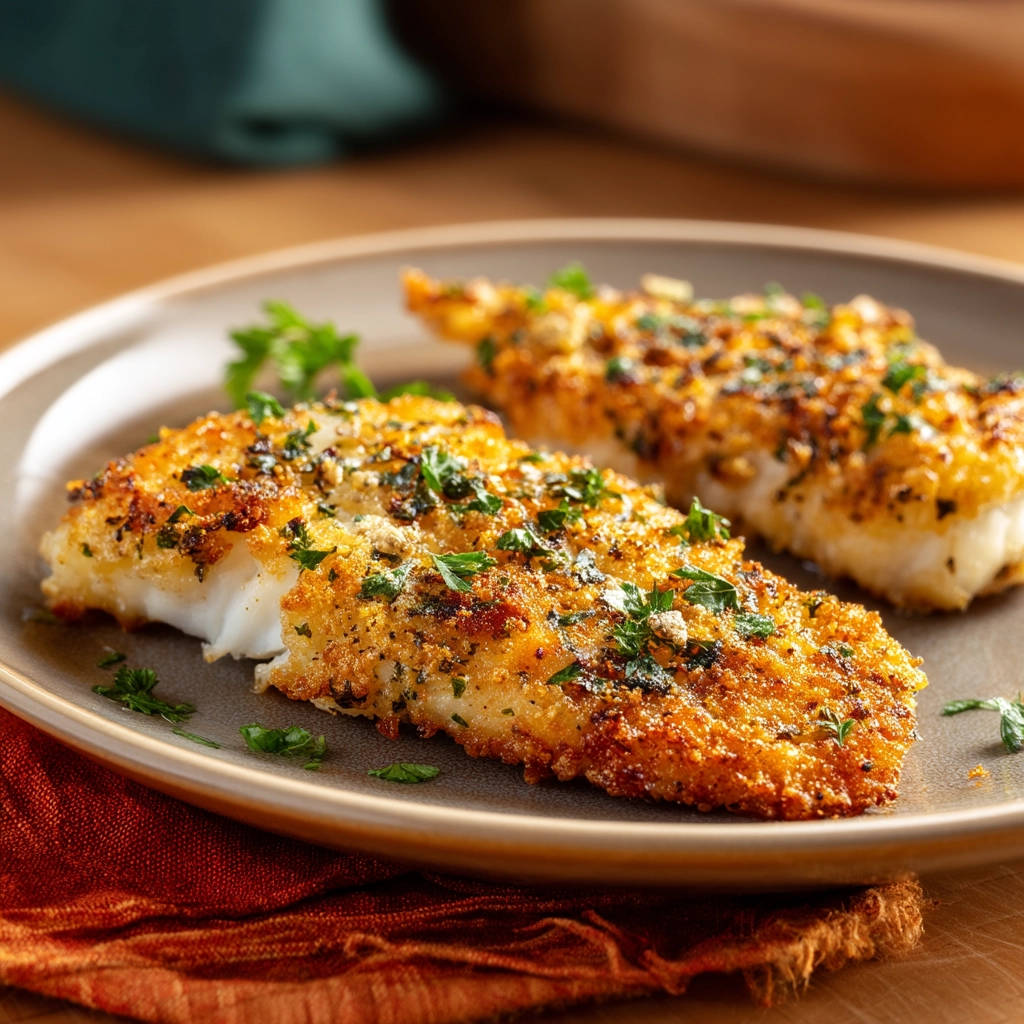
Garnish and Serve: Before serving, sprinkle the Crispy Breaded Fish Fillets with fresh chopped parsley for a burst of color and freshness. Serve immediately while they are at their absolute crispiest!
Tips for Perfect Crispy Breaded Fish Every Time
Achieving that perfect crispy crunch isn’t hard once you know the secrets. Here are a few extra tips to ensure your success:
- Start Dry, Stay Dry: Seriously, pat that fish dry! It’s the foundation of the whole crispy operation.
- Use Panko: If you want the absolute best crunch, switch from standard bread crumbs to Panko. It makes a noticeable difference!
- Don’t Skimp on the Oil Temperature: This is the other critical factor. Ensure your oil is hot before adding the fish. Test with a crumb. It should sizzle immediately.
- Give Them Space: Fry in batches! Crowding the pan lowers the oil temp and steams the fish instead of frying it crisply.
- Season the Breading: Don’t just rely on seasoning the fish itself. The flavor is in the crust, so make sure your breadcrumb mixture is well-seasoned with salt, pepper, garlic powder, and paprika.
- Serve Immediately: Fried foods are best enjoyed right after cooking when they are at their peak crispiness.
- Choose the Right Fish: Thinner, flaky white fish works best for this quick pan-fry method. Avoid thicker fillets that might require longer cooking, as the breading could burn before the fish is cooked through.
- Consider Gluten-Free: Easily adapt this recipe by using gluten-free all-purpose flour and gluten-free bread crumbs or Panko. The technique remains the same!
What to Serve With Your Crispy Breaded Fish Fillets
Crispy fish is incredibly versatile and pairs beautifully with so many side dishes. For a classic fish fry feel, try serving them alongside some Extra Crispy French Fries or Crispy Baked Hasselback Potatoes. A fresh, bright side like a simple green salad or some Roasted Cauliflower Steaks would be wonderful. Creamy side dishes like Creamy Potato Salad or Creamy Sweet Corn Skillet also make fantastic accompaniments. Don’t forget a squeeze of fresh lemon or a dollop of tartar sauce!
Your Crispy Breaded Fish Fillets Questions Answered (FAQ)
Got questions about making your fish perfectly crispy? Here are some common ones:
Can I bake or air fry these fillets instead of pan-frying?
While this recipe is specifically designed for pan-frying for optimal crispiness, you can adapt it. To bake: Coat the fish as directed, then place on a wire rack set over a baking sheet sprayed with cooking spray. Bake at 400°F (200°C) for 12-18 minutes, flipping halfway, until golden and cooked through. To air fry: Follow the same coating steps, lightly spray the basket and fish with oil spray, and air fry at 400°F (200°C) for 8-12 minutes, flipping halfway, until golden and crispy. Pan-frying usually yields the best and fastest crisp, but baking or air frying are good alternatives if you prefer less oil.
Why did my breading still turn out soggy?
Sogginess is almost always due to moisture or insufficient heat. Did you pat the fish completely dry? Was the oil hot enough? Did you overcrowd the pan? Go back and double-check these steps – they are the key culprits!
Can I prepare the fish ahead of time?
I highly recommend breading the fish just before you plan to fry it. If you bread it too far in advance, the moisture from the fish can seep into the breading, making it soggy before it even hits the pan. The whole process is quick, so it’s best to do the breading right before frying.
What’s the best way to reheat leftover crispy fish?
Reheating fried fish can be tricky if you want to maintain crispiness. The best methods are reheating in a toaster oven or a conventional oven at around 350°F (175°C) until heated through (about 10-15 minutes), or using an air fryer at 350-375°F (175-190°C) for 5-8 minutes. Microwaving will unfortunately result in soggy fish.
Can I add other seasonings to the breading?
Absolutely! Think of this as a base. You could add a pinch of cayenne for heat, dried herbs like dill or parsley, or even a little onion powder. Feel free to experiment and make it your own!
Enjoy Your Homemade Crispy Breaded Fish!
Seriously, once you try this recipe and see how easy it is to achieve genuinely crispy fish fillets without any sogginess, you’ll be making it again and again. It’s a game-changer for seafood lovers and a perfect weeknight meal solution. Give it a try tonight and let me know what you think! I can’t wait to hear about your crispy fish success.
Don’t forget to leave a comment below if you make these Crispy Breaded Fish Fillets, or if you have any other questions!
Crispy Breaded Fish Fillets
Course: Main CourseCuisine: AmericanDifficulty: easy4
servings15
minutes16
minutes350
kcal30
MinutesGet perfectly Crispy Breaded Fish Fillets every time with this easy recipe! Say goodbye to soggy breading and hello to golden, crunchy, flavorful fish.
Ingredients
1 pound white fish fillets (like tilapia or cod)
1/2 cup bread crumbs (or panko)
1/4 cup grated Parmesan cheese (optional)
1 teaspoon paprika
1/2 teaspoon garlic powder
1/2 teaspoon salt
1/4 teaspoon black pepper
1 large egg
2 tablespoons milk or water
1/4 cup all-purpose flour
1/3 cup vegetable oil (or other neutral cooking oil), plus more as needed between batches
Fresh parsley, chopped (for garnish)
Directions
- Pat the fish fillets completely dry with paper towels. This is a crucial step for crispy coating.
- Set up a dredging station with three shallow dishes. In the first dish, place the flour.
- In the second dish, whisk the egg with the milk or water.
- In the third dish, combine the bread crumbs (and Parmesan if using), paprika, garlic powder, salt, and pepper. Mix well.
- Dredge each fish fillet first in the flour, shaking off excess.
- Next, dip the floured fillet into the egg wash, letting excess drip off.
- Finally, coat the fillet generously in the bread crumb mixture, pressing lightly to help it adhere. Make sure it’s fully coated.
- Heat the oil in a large skillet over medium-high heat until it shimmers. The oil needs to be hot enough to fry the breading immediately. This is key to preventing sogginess.
- Carefully place the breaded fish fillets in the hot oil in a single layer. Do not overcrowd the pan; cook in batches if necessary, adding a little more oil between batches as needed.
- Cook for 3 to 4 minutes per side (4 to 5 minutes for fillets thicker than 3/4 inch), or until the breading is golden brown and crispy and the fish is opaque, flakes easily with a fork and reads 145°F (63°C) in the thickest part. Avoid moving the fish too much until it’s ready to flip, which helps the crust set.
- Remove the cooked fish from the skillet and place on a plate lined with paper towels to drain any excess oil.
- Garnish with fresh chopped parsley before serving.
Notes
- Ensure your oil is shimmering hot before adding the fish to achieve that perfect crisp. Press the breadcrumb mixture firmly onto the fillets to help it adhere beautifully.