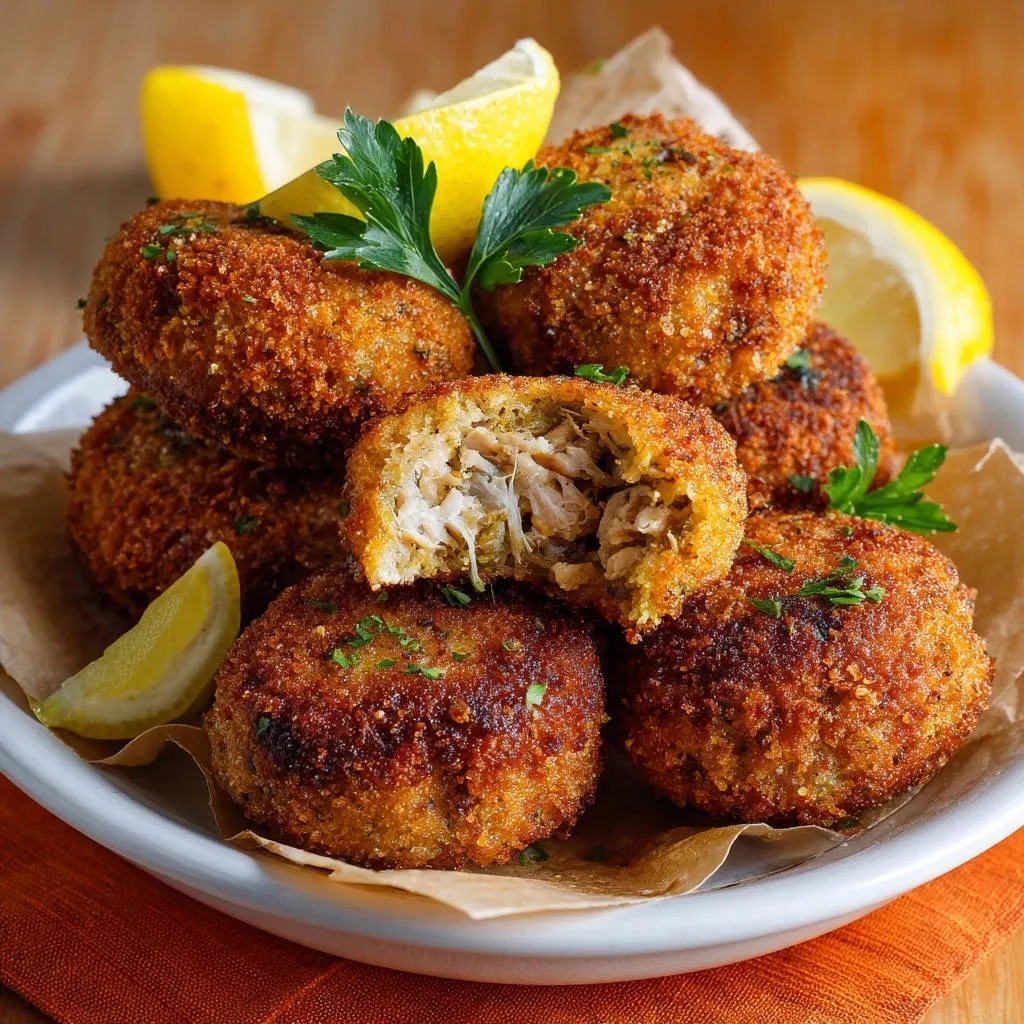
The frustration is universal: you spend time preparing beautiful ingredients only to watch your perfectly formed patties crumble into expensive, greasy hash the moment they hit the oil. I developed this precise technique for making Crispy Crab-Style Cakes specifically to eliminate that structural failure forever.
The secret lies not just in the ingredients, but in the crucial time-out they receive before cooking. This method guarantees a moist filling, a flawless internal structure, and a shatteringly crisp Panko crust, every single time.
Beyond the Basic Recipe: Why This Technique Guarantees Success
The Core Challenge: Maintaining Internal Structure
Traditional crab cakes or seafood patties often fail because of excessive moisture and a weak binder. When heated, the internal water expands and creates steam, which aggressively forces the unset structure apart.
If the binder hasn’t solidified, the patties cannot withstand this internal pressure or the mechanical stress of frying, leading inevitably to crumbling.
The Critical Step: Why Chilling is Non-Negotiable
Refrigerating the formed cakes for a minimum of 60 minutes is the single most important technique in this recipe. This chilling period allows the fat (from the mayonnaise) and the proteins (from the egg) to firm up and bind tightly to the crab fibers.
Essentially, you are setting the internal glue before it ever sees the heat, ensuring the crab cakes hold their shape and preventing collapse during frying.
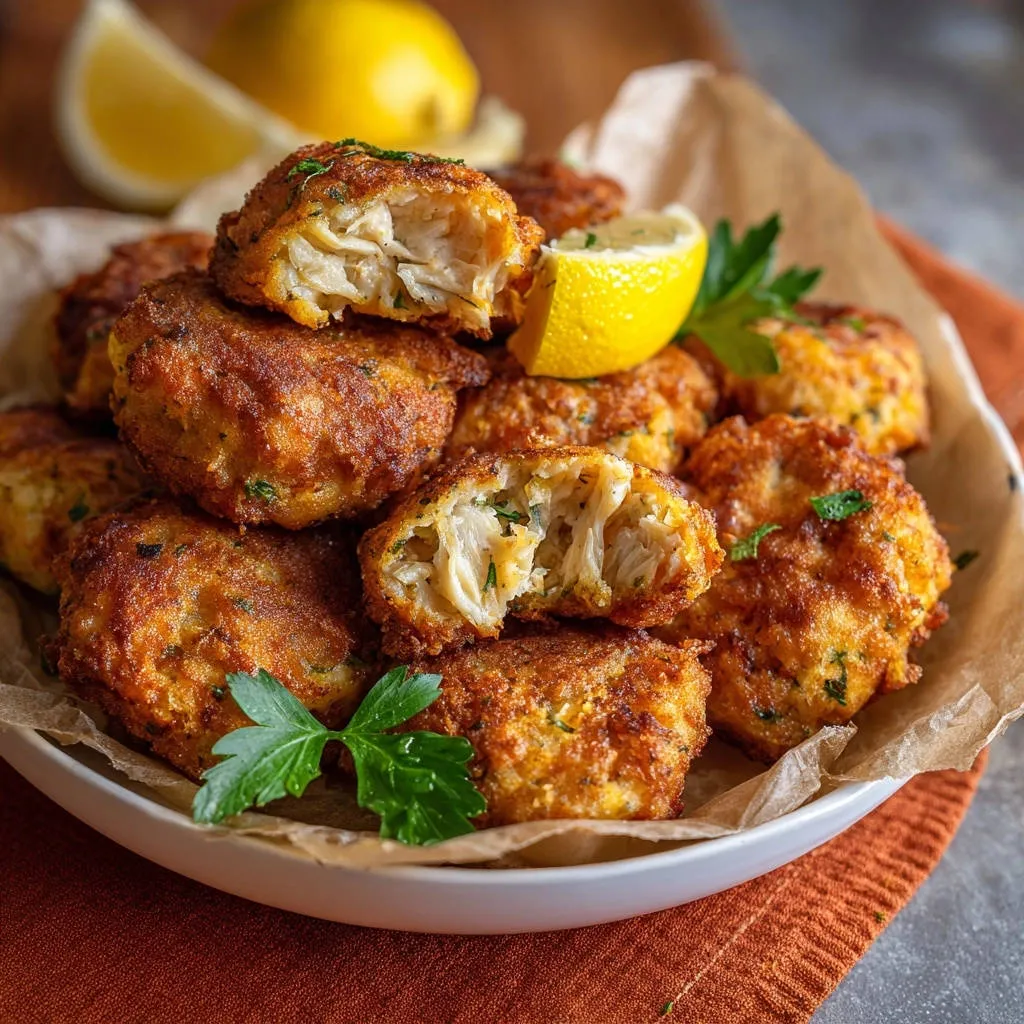
The Perfect Moisture Balance for Fluffy, Never Dense Cakes
Before mixing any binder, it is crucial to squeeze out excess moisture from the protein source. Too much liquid dilutes the flavor and binder, guaranteeing a weak cake structure.
Water-logged seafood will steam internally during cooking, resulting in a soggy, dense product instead of the airy, moist filling paired with the superior crispy crust we are seeking.
Understanding the Building Blocks: Key Ingredients and Substitutions
Choosing Your Primary Protein: Lump Crab vs. Flaked Fish
For the classic, luxurious texture, high-quality lump crab meat provides the best bite structure. Look for minimal shells and a clean, fresh aroma.
Using flaked white fish, such as cod or pollack, is an excellent, cost-effective alternative for making true “crab-style” cakes. Ensure the fish is thawed and very dry before use.
The Essential Flavor and Binder System
Mayonnaise and a beaten egg form the primary cohesive base of these seafood patties. The mayo introduces essential fat that aids in binding and keeps the center rich and moist.
A touch of Dijon mustard is essential as it cuts through the richness, adds complexity, and provides a necessary acid component to the binder system.
The Magic of Old Bay and Fresh Herbs
Old Bay seasoning is non-negotiable for achieving that iconic, authentic crab cake flavor profile. It delivers a balanced blend of paprika, celery seed, and various spices.
Fresh parsley and a splash of lemon juice are critical finishers, providing brightness and lifting the rich flavors so the patties feel light and vibrant.
The Panko Difference: Securing the Superior Crisp
Panko breadcrumbs are made from crustless white bread and produce an incredibly light, airy, and sharp texture. They are significantly superior to standard breadcrumbs when aiming for maximum crispness.
Pre-dredging the chilled cakes in all-purpose flour before the Panko helps the crust adhere uniformly and provides an extra barrier against oil absorption.
Essential Tools for Your Crispy Crab-Style Cakes Adventure
Heavy-Bottomed Skillet: A thick-walled skillet, such as cast iron or quality stainless steel, is vital for cooking. It maintains a consistent, high oil temperature, preventing heat fluctuation that leads to greasy or unevenly browned cakes.
Cooling Rack: After frying, immediately transfer the cakes to a wire cooling rack instead of a paper towel-lined plate. This allows air circulation underneath, preventing the bottom crust from steaming and becoming soft.
Deep-Fry Thermometer (Optional but Recommended): While not strictly necessary, achieving the perfect 350°F oil temperature is key for an immediate, golden crisp. Using a thermometer removes the guesswork and ensures high-quality results.
Your Step-by-Step Guide to Crispy Crab-Style Cakes Perfection
-
Preparation of the Protein: Moisture is the Enemy
Place the crab or flaked fish in the center of a clean kitchen towel or several sheets of thick paper towels.
Gently but firmly squeeze out as much excess liquid as possible. This crucial action is the foundation of structural integrity and prevents a soggy final texture.
-
Whisking the Flavorful Binder Base
In a separate medium bowl, whisk together the mayonnaise, beaten egg, Dijon mustard, Old Bay, lemon juice, salt, and pepper.
Ensure the mixture is fully homogenous before combining with the protein; this step guarantees even flavor distribution throughout the finished cakes.
-
The Gentle Combine: Avoid Overmixing Density
Pour the binder mixture over the dried protein and add 2 tablespoons of chopped parsley. Use a rubber spatula to gently fold the mixture together.
Mix only until the protein is just coated. Overmixing develops the proteins, which leads directly to a tough, dense cake texture that lacks the desired fluffiness.
-
Forming and The Setting Secret (Crucial Step!)
Scoop the mixture into 6 to 8 uniform patties, ensuring they are about 1-inch thick, and place them directly onto a parchment-lined tray.
For more tips on forming perfect bites, check out this guide to classic crab cakes.
Cover the cakes loosely and refrigerate for a minimum of 60 minutes, or up to 2 hours. This chilling period is the sole guaranteed method to prevent crumbling during the cooking process.
-
Building the Ultimate Crisp Coating
Set up a simple dredging station with flour in the first shallow dish and Panko breadcrumbs in the second. Gently dredge each chilled cake in the flour, shaking off excess, then press firmly into the Panko.
Pressing ensures a thick, protective Panko crust that locks in moisture, prevents the interior from escaping, and minimizes oil absorption.
-
Frying for Maximum Crispness
Heat 1/2 inch of vegetable or canola oil in your heavy skillet over medium-high heat until it shimmers, ideally reaching 350°F.
Carefully place the patties into the hot oil, working in batches if necessary. Fry for 3 to 4 minutes per side, turning only once, until they are a deep, uniform golden brown and beautifully crispy.
-
The Final Serve and Garnish
Remove the finished cakes from the oil and transfer them immediately to a cooling rack to drain the excess oil.
Garnish with the remaining fresh parsley and serve without delay alongside fresh lemon wedges for a burst of acidity.
Common Challenges Solved: Expert Tips for Flawless Results
My Cakes Are Too Pale: Adjusting Heat. If your cakes are browning slowly and feel heavy with oil, your temperature is too low. Conversely, if the crust burns before the internal filling is hot, the oil is too hot. Maintain a steady medium-high heat for even cooking.
Cakes Are Falling Apart While Frying: Structure Check. Review the two critical steps you may have rushed: did you squeeze enough excess liquid from the protein, and did you ensure the full 60-minute chilling period? Both are essential for creating a strong, bound structure.
How to Make Ahead: Storage and Reheating. Form the cakes, dredge them completely in the Panko, and then flash freeze them uncovered on the tray. Once solid, transfer them to a freezer bag or airtight container for up to 3 months. Fry directly from frozen, adding 1 to 2 minutes per side.
Reducing Oil Absorption: The most common cause of greasy patties is frying in oil that is not hot enough. Ensure your oil reaches 350°F before adding the Crispy Crab-Style Cakes, guaranteeing the Panko flash-fries instantly instead of saturating with fat.
Elevate the Plate: Creative Serving and Pairing Ideas
Three Simple Sauces to Complement Your Crispy Crab-Style Cakes
For a Classic Remoulade, mix mayo, Dijon, horseradish, paprika, and a dash of hot sauce. This rich, complex sauce is a perfect traditional pairing.
A quick Spicy Sriracha Aioli requires only mayo, Sriracha, and a squeeze of lime juice. Its heat provides a fantastic contrast to the sweet seafood.
Simple Tartar sauce, made with mayo, chopped cornichons, capers, and dill, offers bright, briny notes that cut beautifully through the richness of the fried cake.
Beyond Basic Salad: Side Dish Pairings that Impress
A light, bright cabbage or fennel slaw dressed with a vinegar-based vinaigrette provides necessary crunch and acidity to balance the rich cakes.
Simple roasted green asparagus tossed with lemon zest is an ideal springtime pairing, offering a clean, fresh vegetable element.
Consider simple oven-roasted root vegetables, such as parsnips or sweet potatoes, for a hearty, complementary side during cooler months.
Drink Pairing Suggestions: From Grape juice to Cocktails
A crisp, acidic sparkling grape juice is a superb white drink pairing, as its grassy notes and high acidity cleanse the palate between bites of the rich cakes.
For something lighter, a simple Gin and Tonic with a twist of lemon complements the herbal notes of the Old Bay seasoning without overwhelming the delicate seafood flavor.
Frequently Asked Questions About Making Crab-Style Cakes
Can I Bake These Crispy Crab-Style Cakes Instead of Frying?
Yes, for a healthier alternative, you can bake them. Brush the Panko crust lightly with melted butter or oil and bake at 400°F (200°C) for 15-20 minutes, flipping halfway through.
While the internal structure remains excellent, note that the resulting texture will be crunchy, but not as deeply crisp as shallow-frying achieves.
How Can I Make This Recipe Gluten-Free?
Easily substitute the all-purpose flour with a certified gluten-free flour blend, such as rice flour. For the crust, use specialized gluten-free Panko breadcrumbs, which are widely available and maintain excellent crispness.
How long will homemade Crab-Style Cakes last in the refrigerator?
Cooked seafood patties will keep safely in an airtight container in the refrigerator for up to 3 days. Raw, fully formed and dredged cakes must be cooked within 24 hours of chilling to maintain optimal freshness and binding integrity.
What is the Best Way to Reheat Leftovers?
Never reheat crab cakes in the microwave, as this turns the crust soggy and the filling rubbery. The best method is using an air fryer or oven set to 350°F (175°C) for about 8-10 minutes, until the cake is hot throughout and the crust is restored to crisp perfection.
Ready to Impress? Share Your Crispy Crab-Style Cakes Masterpiece!
You now have the exact blueprint-the specific blend of ingredients and the critical chilling technique-needed to create truly flawless Crispy Crab-Style Cakes that hold together every time. Eliminate the worry of crumbling and serve these beautiful, restaurant-quality seafood patties with total confidence.
Try this guaranteed method today and discover the difference that expert technique makes. Share your perfectly crisp creations with us!
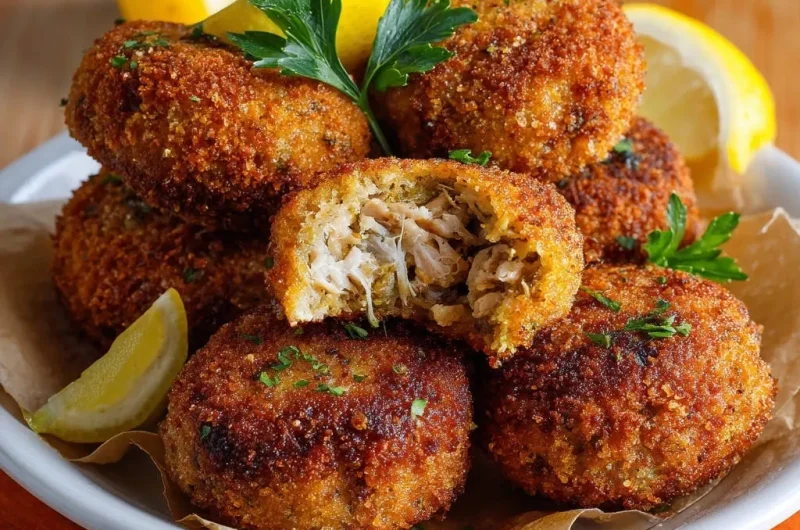
Crab Cakes
Course: Main CourseCuisine: AmericanDifficulty: easy6
to 8 cakes20
minutes15
minutes280
kcal60
minutesNever suffer through crumbly patties again. This recipe reveals the key chilling technique required to guarantee the perfect internal structure before they hit the oil. The result is a moist filling encased in a flawlessly crisp Panko crust.
Ingredients
1 pound lump or flaked crab meat (or high quality shredded white fish)
1/2 cup mayonnaise
1 large egg, lightly beaten
1 tablespoon Dijon mustard
1 teaspoon Old Bay seasoning
1/4 cup finely chopped fresh parsley, divided
1 tablespoon fresh lemon juice
1/2 teaspoon salt
1/4 teaspoon black pepper
1 cup Panko breadcrumbs
1/4 cup all-purpose flour
Vegetable or canola oil for shallow frying
Lemon wedges, for serving
Directions
- Preparation of the Filling: Place the crab or flaked fish in a clean kitchen towel or several layers of paper towels and gently squeeze out as much excess moisture as possible. This is crucial for structural integrity. Transfer the dried meat to a mixing bowl.
- Mix the Binder: In a separate medium bowl, whisk together the mayonnaise, beaten egg, Dijon mustard, Old Bay seasoning, lemon juice, salt, and pepper until fully combined.
- Combine Carefully: Pour the binder mixture over the dried crab meat. Add 2 tablespoons of the chopped parsley. Use a rubber spatula to gently fold the mixture together. Mix just enough to coat the meat evenly. Overmixing develops the proteins and creates tough, dense cakes, which we want to avoid.
- Form the Cakes and The Setting Secret: Scoop the mixture into 6 to 8 uniform patties, about 1-inch thick. Place them directly onto a parchment-lined plate or tray. This is the critical step: Cover the cakes loosely and refrigerate them for at least 60 minutes, or up to 2 hours. This chilling time allows the fat and proteins in the binder to firm up and solidify around the meat fibers, guaranteeing they hold their shape during cooking.
- Create the Crisp Coating: Place the flour in a shallow dish. Place the Panko breadcrumbs in a second shallow dish. Gently dredge each chilled cake first in the flour (shaking off excess), then press the cake firmly into the Panko to ensure a complete, thick crust. Pressing firmly helps the Panko lock in place.
- Frying: Heat 1/2 inch of oil in a large heavy-bottomed skillet over medium-high heat until it shimmers (about 350 degrees F). Do not overcrowd the pan; work in batches if necessary.
- Cook Until Golden: Carefully place the cakes into the hot oil. Fry for 3 to 4 minutes per side, turning only once, until deeply golden brown and crispy.
- Serve: Remove the cakes from the oil and drain on a cooling rack or paper towel-lined plate. Garnish with the remaining fresh parsley and serve immediately with fresh lemon wedges.
Notes
- Chilling the formed cakes for at least 60 minutes is crucial for structural integrity and prevents crumbling during cooking.