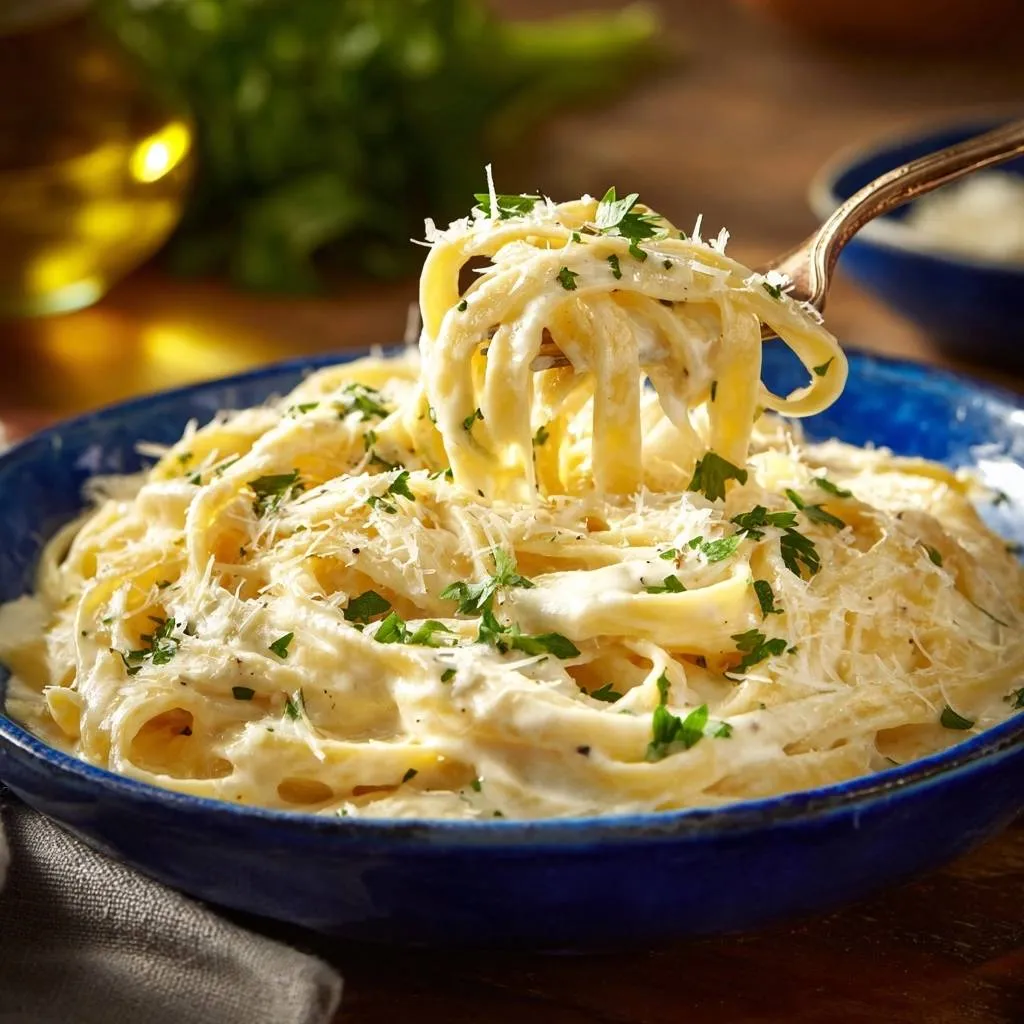
Nothing ruins homemade Fettuccine Alfredo faster than a grainy, separated sauce that tastes like a failed experiment. You’ve boiled the pasta perfectly, but that sauce turns clumpy and gritty right when you expect restaurant silkiness. However, this recipe changes everything with one foolproof trick.
Therefore, you get that velvety emulsion every time, clinging to every strand without breaking. In addition, it stays smooth even if you step away for a minute. The off-heat Parmesan addition and reserved pasta water make it happen effortlessly.
Here’s the expertise booster: grate your own Parmesan fresh, right before stirring it in off the heat. Pre-shredded stuff has anti-caking agents that refuse to melt smoothly, but fresh cheese disperses into pure creaminess. You’ll taste the difference immediately.
Origins of Classic Fettuccine Alfredo
Roman Roots in Early 20th Century
Alfredo di Lelio whipped up the original in 1914 Rome to help his wife recover from childbirth. He kept it simple with just fettuccine, butter, and Parmesan, tossed tableside for a glossy shine. That butter-Parmesan mix created natural silkiness without cream.
However, American tourists brought it stateside in the 1920s, and it exploded. Chefs added heavy cream for richness, turning it into the lush dish we crave today. Therefore, this recipe honors both by blending purity with that indulgent texture you love.
Evolution from Butter Pasta to Cream Sauce
Italians stick to the purist butter and cheese version, calling creamy takes “American Alfredo.” Yet, in the U.S., cream became king for its stability and mouth-coating luxury. This recipe bridges the gap perfectly for home cooks.
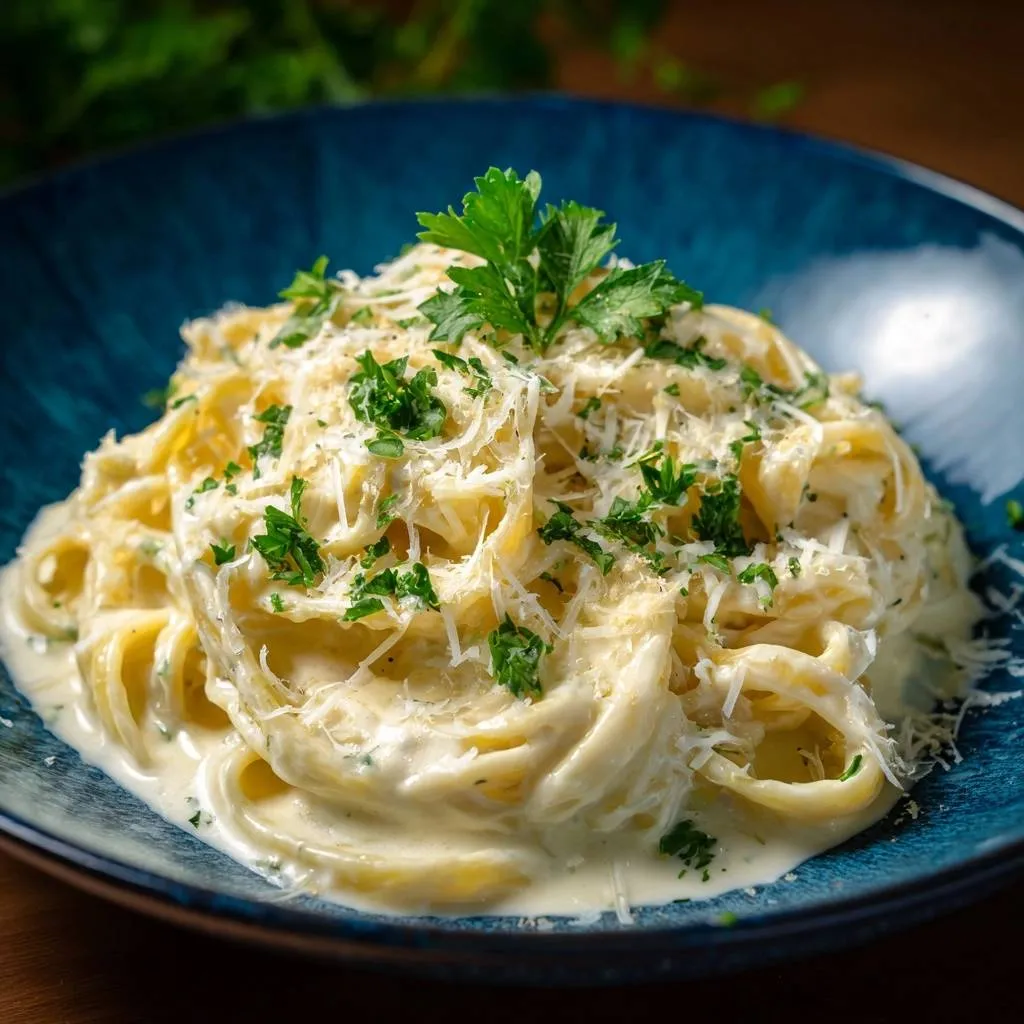
In addition, it avoids authenticity fights by delivering silky results either way. You’ll feel like a Roman chef with modern ease.
Key Ingredients for Smooth Fettuccine Alfredo
Why Freshly Grated Parmesan Prevents Graininess
Freshly grated Parmesan melts seamlessly because it lacks the starch coatings on pre-shredded blocks. Those agents cause graininess when heated, turning your sauce sandy. Grate a block finely on a microplane for fluffy powder that emulsifies like a dream.
However, if you’re in a pinch, Pecorino Romano works too, but stick to fresh. Therefore, invest in a good block; it transforms the dish.
Heavy Cream and Butter Emulsion Basics
Unsalted butter provides pure fat for richness without overpowering saltiness. Heavy cream’s high fat content (at least 36%) stabilizes the sauce, preventing separation. Meanwhile, a quick olive oil toss keeps pasta from sticking post-drain.
In addition, season with salt and pepper at the end. Freshly cracked pepper adds sharp pops that cut through the cream.
Pasta Water’s Role in Fettuccine Alfredo Sauce
Pasta water carries dissolved starch from boiling, acting like a natural emulsifier. It binds fats and cheese into a cohesive sauce. Reserve exactly 1/4 cup while the pasta’s hot to capture peak starchiness.
Therefore, add it gradually; it loosens without watering down flavor.
Science of Silky Fettuccine Alfredo Emulsion
Off-Heat Cheese Melting Mechanism
High heat denatures Parmesan proteins, causing them to clump into grains. Off the heat, residual warmth lets casein micelles disperse evenly into the fat. This low-temp method keeps everything smooth and glossy.
However, whisk constantly for full integration. In addition, the cream’s fats shield proteins from shock.
Pasta Starch and Fat Binding Process
Starch molecules like amylose in pasta water link butter and cream into a stable emulsion. Whisking incorporates air, yielding that light, velvety feel. Watch the sauce transform from separated to unified sheen.
Therefore, vigorous motion is key; lazy stirring leads to pools of fat.
Why Sauce Separates and How to Stop It
Overheating breaks the fat-protein balance, while cheese’s acidity fights stability. Keep heat gentle to maintain pH harmony. If it splits, whisk in cold butter knobs to reunite.
In addition, pasta water resets the emulsion fast.
Essential Tools for Perfect Fettuccine Alfredo
Skillet Size and Material Impact
A wide 12-inch skillet ensures even heating and pasta-tossing room. Stainless steel releases sauce better than non-stick, which can hold onto creamy bits. Use a deep pot for pasta to avoid overflow.
However, non-stick works if you preheat gently.
Grater and Whisk Precision Matters
A microplane grates Parmesan into airy fluff that melts instantly. A balloon whisk aerates and emulsifies vigorously. No whisk? A fork does in a pinch, but tire yourself out.
Therefore, these tools guarantee pro results.
Step-by-Step Fettuccine Alfredo Method
Boil and Reserve Pasta Water Precisely
Bring a large pot of heavily salted water to a rolling boil; it seasons pasta from within. Cook 8 ounces fettuccine to al dente, about 8-10 minutes, tasting for a firm bite. Scoop out 1/4 cup starchy water before draining, then toss with 2 tablespoons olive oil for silkiness.
However, don’t rinse; starch helps sauce cling.
Simmer Cream and Butter Base Gently
Melt 1/2 cup unsalted butter in a skillet over medium heat. Pour in 1 1/2 cups heavy cream and simmer softly for 3-4 minutes, stirring now and then. Look for slight thickening and a nutty aroma; boiling curdles it.
In addition, patience here builds flavor depth.
Off-Heat Parmesan Incorporation Technique
Remove skillet from heat completely. Whisk in 2 cups freshly grated Parmesan gradually, 1/2 cup at a time, until each batch melts smooth. If thick, drizzle in 1-2 tablespoons reserved pasta water, whisking hard for emulsion.
Therefore, this step creates unbeatable velvetiness. Season now with salt and pepper.
For a similar experience with added crunch, try creamy garlic orzo.
Coat Pasta and Final Toss
Add oiled fettuccine to sauce. Toss gently over low heat for 1 minute, adding pasta water for perfect coating. Plate immediately, topping with parsley and extra cheese.
However, serve hot; it firms up fast.
Avoiding Fettuccine Alfredo Pitfalls
Fixing Grainy or Separated Sauce
Graininess screams pre-shredded cheese; always grate fresh. For separation, whisk in more pasta water or cold butter off heat. Prevention beats rescue every time.
In addition, never boil after cheese joins.
Overcooked Pasta and Sticking Issues
Test al dente early; mushy pasta soaks up sauce unevenly. Oil immediately post-drain to stop clumping. Reheat leftovers in sauce with water splashes.
Therefore, timing saves texture.
Seasoning Balance in Creamy Sauce
Taste the cream base before cheese; cream hides salt needs. Use fresh pepper for bite. Undersalting leaves it bland.
However, go easy; Parmesan adds plenty.
For a similar creamy sauce experience, try our pan-seared gnocchi.
Fettuccine Alfredo Flavor Variations
Adding Garlic or Mushrooms Seamlessly
Sauté 2 minced garlic cloves or 8 ounces sliced mushrooms in butter before cream. Keep portions small for 4 servings to avoid diluting silkiness. They infuse earthy depth without breaking emulsion.
In addition, wilt in at the end for tenderness.
Protein Boosts: Chicken or Shrimp
Poach 1 pound chicken breast slices or shrimp in the cream simmer till just cooked, about 4 minutes. Add post-Parmesan to prevent toughness. Drain excess liquid first.
Therefore, proteins elevate without sogginess.
Vegetarian Twists with Greens
Stir in 2 cups fresh spinach during the final toss; it wilts instantly. Add lemon zest for bright contrast that cuts richness. Texture stays silky.
However, squeeze greens dry first.
Ideal Pairings for Fettuccine Alfredo
white grape juice and Sides
sparkling grape juice’s acidity slices through creaminess perfectly. Pair with peppery arugula salad for crisp contrast. Simple and spot-on.
In addition, it refreshes your palate.
Simple Starters and Finishers
Start with caprese skewers of tomato, mozzarella, basil. Skip garlic bread; fresh berries end on a light note. Keeps focus on Alfredo.
Therefore, balance rules.
Complementary Dishes
To round out your Fettuccine Alfredo meal, consider these dishes.
- Enjoy the crisp texture of crispy Parmesan roasted zucchini, which offers a nice contrast to the creamy pasta.
- Warm up with a bowl of creamy butternut squash soup, its sweetness complementing the rich Alfredo sauce.
Storing and Reheating Fettuccine Alfredo
Make-Ahead and Freezer Strategies
Store sauce and pasta separately in airtight containers; fridge lasts 3 days. Freeze sauce up to 2 months in portions; pasta alone freezes poorly. Thaw overnight.
However, combine fresh for best silk.
Reheat for Restaurant-Quality Texture
Stovetop shines: warm sauce with pasta water splashes over low heat, tossing till glossy. Avoid microwave; it turns gummy. Stir constantly.
In addition, fresh Parmesan revives it.
Fettuccine Alfredo Troubleshooting FAQ
Why Is My Fettuccine Alfredo Sauce Grainy?
Pre-shredded Parmesan with anti-caking agents won’t melt properly, especially on heat. Always grate fresh from a block off the heat, whisking gradually. Add pasta water to smooth it out instantly for that silky fix.
Can I Use Half-and-Half Instead of Cream?
Yes, but expect thinner sauce since it has less fat for stability. Boost with an extra butter tablespoon and reduce simmer time. It works, though heavy cream delivers superior emulsion.
How to Scale Fettuccine Alfredo for Crowds?
Double ingredients proportionally for 8 servings, but reserve extra pasta water (1/2 cup). Cook pasta in batches to maintain al dente; make sauce in a larger skillet. Toss in stages to coat evenly.
Gluten-Free Fettuccine Alfredo Adaptation?
Swap for gluten-free fettuccine; it releases more starch, so use less reserved water. Boil in well-salted water and oil immediately. Sauce emulsifies fine with fresh cheese technique.
Does Fettuccine Alfredo Freeze Well?
Yes, freeze sauce alone in portions up to 2 months; pasta freezes separately up to 1 month. Thaw in fridge, reheat stovetop with pasta water for fresh silkiness. Avoid refreezing combined.
How Long Does Fettuccine Alfredo Last in the Fridge?
Keep leftovers in an airtight container up to 3 days; beyond that, sauce may weep. Reheat gently with water to restore emulsion. Don’t leave out over 2 hours.
Why Does My Fettuccine Alfredo Sauce Separate?
High heat after cheese addition breaks the fat-protein bonds. Always incorporate Parmesan off heat and use pasta starch for stability. Rescue by whisking in cold butter or more water vigorously.
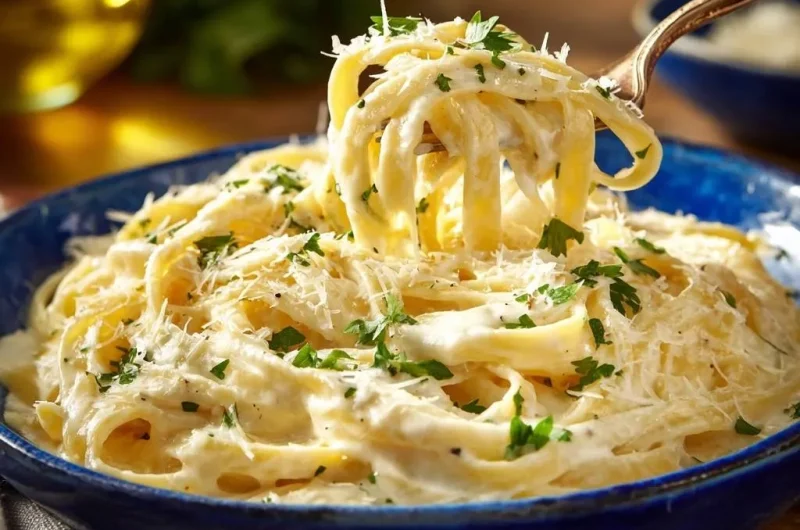
Fettuccine Alfredo
Course: Main CourseCuisine: ItalianDifficulty: easy4
servings10
minutes15
minutes750
kcal25
MinutesCraving restaurant-style Fettuccine Alfredo at home but hate when the sauce turns grainy or separates? This recipe fixes it with one simple trick: grate fresh Parmesan and stir it in off the heat using reserved pasta water for perfect emulsification that stays silky smooth every time.
Ingredients
8 ounces fettuccine pasta
1/2 cup unsalted butter
1 1/2 cups heavy cream
2 cups freshly grated Parmesan cheese (do not use pre-shredded)
1/4 cup reserved pasta cooking water
Salt and black pepper to taste
1/4 cup fresh parsley, chopped
2 tablespoons olive oil
Directions
- Bring a large pot of salted water to a boil. Cook fettuccine according to package directions until al dente, about 8-10 minutes. Before draining, reserve 1/4 cup pasta water, then drain and toss pasta with olive oil to prevent sticking.
- In a large skillet over medium heat, melt butter. Add heavy cream and bring to a gentle simmer, stirring occasionally for 3-4 minutes until slightly thickened. Do not boil.
- Remove skillet from heat. This is the key to no grainy sauce: off the heat, gradually whisk in freshly grated Parmesan, 1/2 cup at a time, until fully melted and smooth. If sauce is too thick, add 1-2 tablespoons reserved pasta water at a time, whisking vigorously to emulsify into a creamy, velvety texture that won’t separate or grain up. Season with salt and pepper.
- Add cooked fettuccine to the sauce. Toss gently over low heat for 1 minute to coat evenly, adding more pasta water if needed for silkiness.
- Divide into bowls, top with extra grated Parmesan and chopped parsley. Serve immediately for flawless, restaurant-quality results.
Notes
- Use freshly grated Parmesan cheese (do not use pre-shredded) for the smoothest sauce. Remove skillet from heat before adding cheese to prevent graininess.