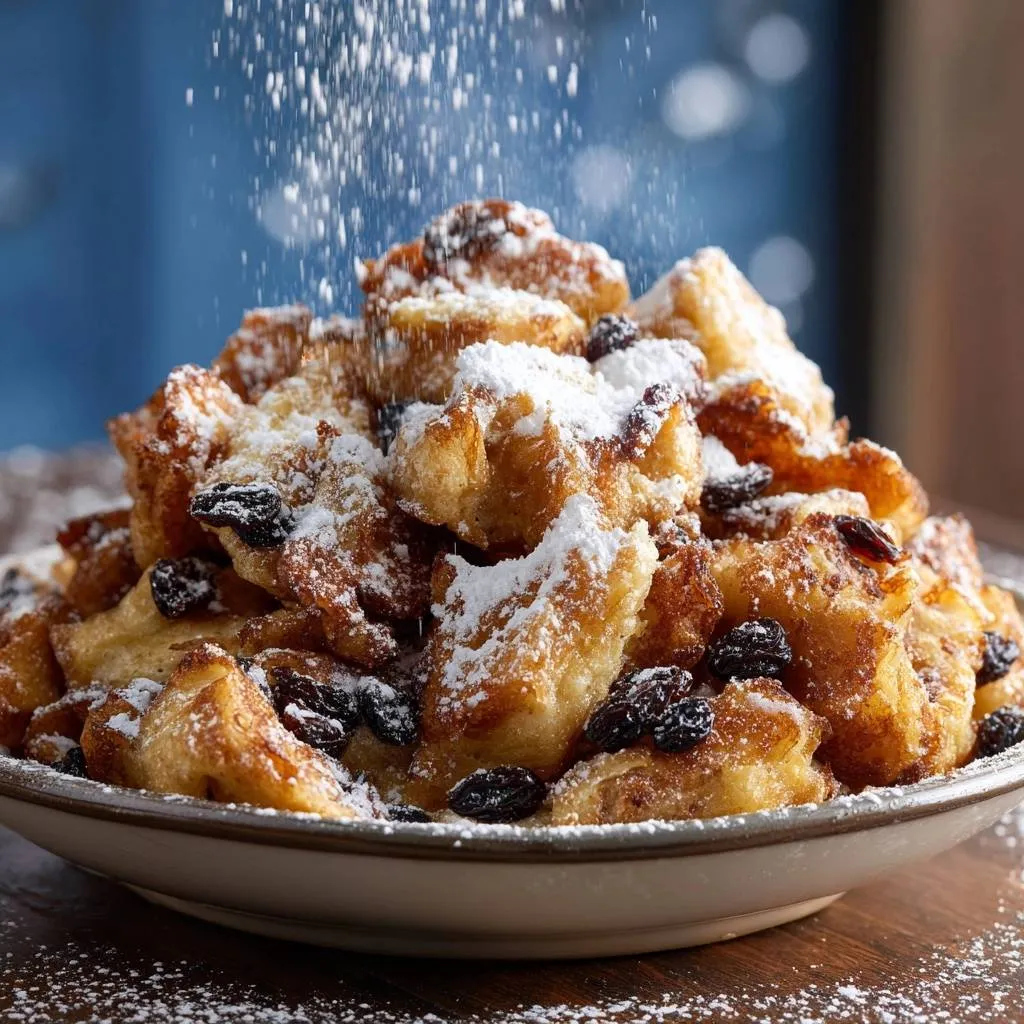
Ever bitten into a raisin beignet that felt like a lead weight in your stomach? Dense, chewy messes happen when batters don’t trap enough air. But these fluffy raisin beignets change everything. You get light, pillowy bites that puff up dramatically in the fryer.
That’s because this recipe leans on a simple New Orleans-inspired twist. Beignets trace back to French settlers bringing fried dough to Louisiana, where they evolved into Cafe du Monde classics. Here, raisins add a fruity chew, but the real magic comes from whipping egg whites separately.
The secret? Beat to soft peaks and fold gently. This traps stable air bubbles that expand in hot oil, guaranteeing fluff every time. No more flat failures, just golden, airy perfection dusted with powdered sugar.
For a different take on airy fritters, check out this guide to crispy zucchini fritters.
Plumping Raisins for Juicy Fluffy Raisin Beignets
Raisins sink and dry out in batter if you skip plumping. Soak them in hot water for 5 minutes first. They rehydrate evenly, staying juicy without making the mix watery.
For a different take on fritters, explore these crispy carrot parsley fritters.
Pat them dry thoroughly after draining. Excess moisture weighs down your fluffy raisin beignets. This step distributes plump bursts throughout each bite.
Hot water works fast because it penetrates the wrinkled skins quickly. Therefore, you avoid tough, chewy raisins that ruin the light texture.
Best Liquids for Raisin Plumping
Stick to hot water for neutral flavor in fluffy raisin beignets. Fruit juice infuses subtle sweetness but can make them too soggy if overdone.
Try this timing: 5 minutes in hot water or tea for mild notes. Drain immediately. Pat dry to lock in plumpness without sogginess.
Juice soaks take 3 minutes max. Otherwise, flavors overpower the vanilla in your airy fritters.
Assembling Base Batter for Light Fluffy Raisin Beignets
Start with 1 cup all-purpose flour, 2 teaspoons baking powder, 1/4 teaspoon salt, and 2 tablespoons sugar. These ratios ensure lift and balance sweetness.
Mix 1/2 cup milk, the egg yolk, and 1 teaspoon vanilla separately. Stir into dry just until combined. The thick batter holds plumped raisins without sinking.
Precision matters here. Too much liquid thins it out, leading to greasy fluffy raisin beignets. Keep it scoopable for perfect drops.
Flour Choices Impacting Beignet Texture
All-purpose flour gives the ideal structure for fluffy raisin beignets. Bread flour makes them too chewy from extra gluten.
Sift dry ingredients first. This aerates the mix, boosting lightness even before egg whites join.
Avoid cake flour; it lacks strength. Your fritters need that subtle chew around airy centers.
Science of Whipped Egg Whites in Fluffy Raisin Beignets
Separate that one large egg carefully. Whip the white to soft peaks in a clean bowl. Proteins denature and stabilize air bubbles as you beat.
Gently fold into the base batter with broad spatula strokes. This preserves the lift for airy, fluffy raisin beignets. Overmixing bursts those bubbles, causing dense disasters.
Soft peaks look glossy and hold shape slightly, not stiff. They expand beautifully in 360-degree oil, creating pillow-like interiors. Let the batter rest 5 minutes after folding. Gluten relaxes, so your light beignets stay tender.
Visual cue: batter lightens and looks bubbly. That’s air retention working. In addition, this technique modernizes classic beignet fluff, preventing chewiness every time.
Folding Techniques for Maximum Air Retention
Use a spatula, not a whisk, for folding egg whites into fluffy raisin beignets. Scrape from bottom in wide arcs to keep bubbles intact.
Hand folding beats a mixer; it avoids deflation. Rest the batter 5 minutes post-fold. Chemistry lets starches hydrate gently.
Compare: rushed folds yield flat fritters. Patient strokes guarantee airy puffs.
Precise Oil Heating for Crispy Fluffy Raisin Beignets
Pour 2 inches vegetable oil into a deep skillet or Dutch oven. Heat to 360-375 degrees F over medium. Too low, and they absorb oil, turning greasy.
A thermometer ensures precision. Dutch ovens hold steady temps better than skillets due to thick walls. Therefore, your fluffy raisin beignets crisp evenly.
Oil volume matters. Skimp, and heat drops per batch. Aim for stability to puff exteriors golden without burning.
Testing Oil Readiness Without Thermometer
Drop a bread crumb; it should sizzle and brown in 60 seconds at 360-375 for fluffy raisin beignets. Wooden spoon tip bubbles vigorously too.
Too few bubbles mean wait longer. Calm surface? Still heating. These cues keep frying safe and crisp.
Frying Phases for Golden Fluffy Raisin Beignets
Drop heaping tablespoons of rested batter into hot oil, 4-5 at a time. They puff immediately. Fry 2-3 minutes per side till deep golden.
Flip once with tongs when edges brown. Drain on paper towels right away. They absorb excess oil, staying crisp outside, fluffy inside.
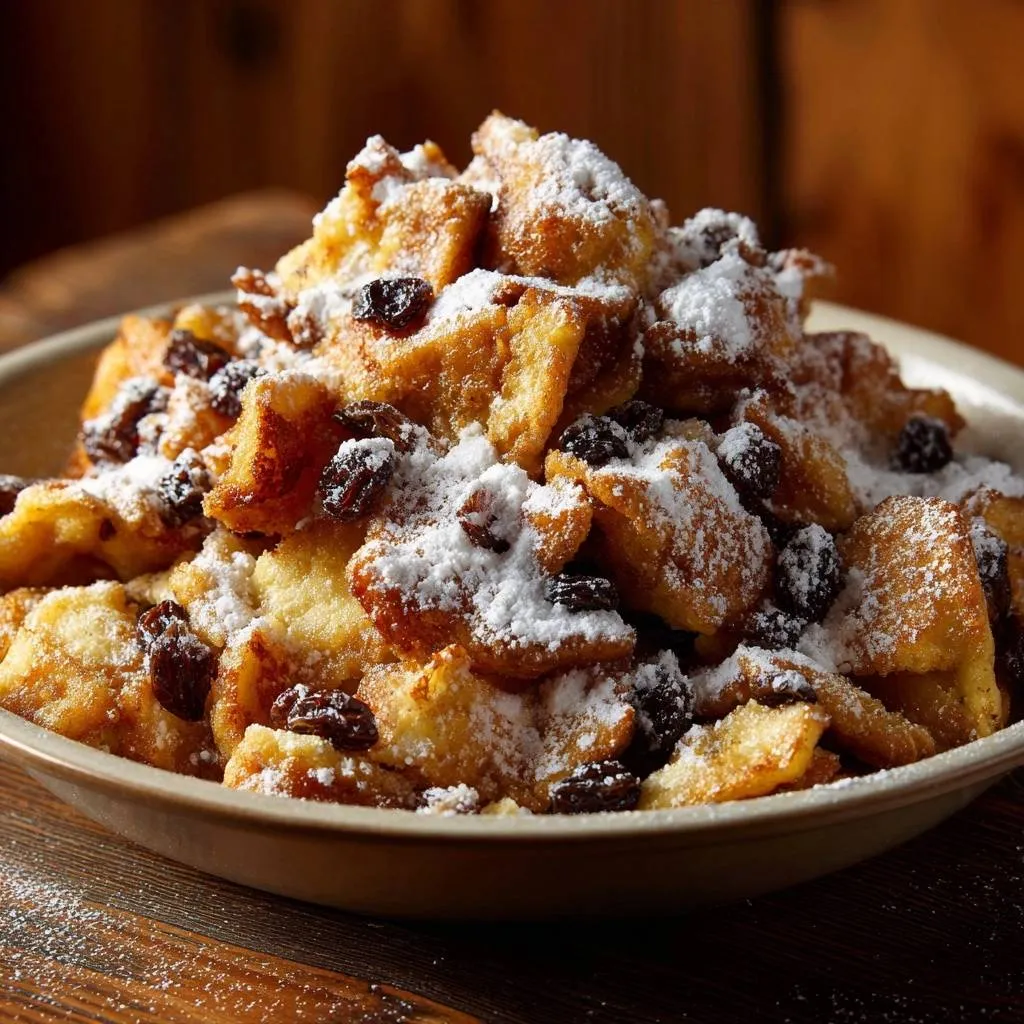
Don’t overcrowd. Heat stays consistent, so each batch of fluffy raisin beignets emerges perfect. Serve hot, dusted heavily with powdered sugar.
Achieving Uniform Puff and Color
Manage heat mid-fry by lowering slightly if browning fast. Overcrowding drops temp, causing uneven puffs in fluffy raisin beignets.
Look for doubled size and 200-degree internal cue. Even gold means done. Patience prevents pale or burnt spots.
History and Evolution of Raisin Beignets
Beignets arrived in New Orleans with 18th-century French Acadians. They fried yeasted dough into squares, dusting with sugar for cafe treats.
Raisins adapted this for an American fruity twist. Creole kitchens added them for chew against fluff. Today, whipping egg whites modernizes it.
This keeps tradition light. No yeast wait, just quick, airy fluffy raisin beignets anyone can master.
Avoiding Pitfalls in Fluffy Raisin Beignets
Dense results? You overmixed or beat whites stiff. Flat peaks deflate fast. Greasy outsides mean oil below 360; they soak it up.
Raw centers come from rushing flips. Always fry to deep gold. Plump raisins first, or they sink and weigh down.
Pro tip: rest batter fully. It prevents splitting in oil, ensuring even, fluffy raisin beignets.
Quick Fixes for Batter Issues
Deflated batter? Whip a fresh white and fold lightly. Over-soaked raisins? Pat drier next time or chop finer.
Temp chart: cold batter splits, room temp fries smooth. These tweaks rescue most fluffy raisin beignet batches.
Flavor Twists on Fluffy Raisin Beignets
Swap raisins for currants or dried cranberries. They plump similarly, adding tart pops to fluffy raisin beignets.
Add lemon zest or cinnamon to the batter. Dust with cinnamon sugar instead of plain. Keeps core fluff intact.
Cardamom sugar elevates too. Experiment, but fold whites last for airiness.
Pairing Sides with Fluffy Raisin Beignets
Black coffee cuts the sweetness, highlighting raisin chew in fluffy raisin beignets. Herbal tea balances with earthiness.
Serve with fresh berry salad. Yogurt dip adds creamy tang for brunch. Sparkling apple juice refreshes between bites.
These pair perfectly warm. They turn breakfast into a treat.
What to Try Next
To complement your fluffy raisin beignets, consider these sweet and satisfying treats.
- For a warm, spiced treat that echoes the sweetness of the beignets, try these Glazed Carrot Walnut Muffins, featuring a similar airy crumb.
- If you’re in the mood for something rich and chocolatey, this Moist Chocolate Bundt Cake offers a delightful contrast.
Storage Guide for Leftover Fluffy Raisin Beignets
Cool completely on a rack first. Store in an airtight container at room temp up to 2 days. They soften slightly but revive well.
Freeze singles on a sheet, then bag for 1 month. Reheat in 350-degree oven 3-5 minutes. Crisp returns without sogginess.
Avoid fridge; it speeds staling. Pro tip: dust sugar post-reheat for fresh fluffy raisin beignets.
Troubleshooting Fluffy Raisin Beignets
Why Are My Fluffy Raisin Beignets Dense?
Egg whites likely deflated from overfolding or stiff peaks. Whip to soft, glossy stage and fold gently. Rest batter to relax gluten for air pockets.
Why Are They Greasy?
Oil temp dropped below 360 degrees F. Use thermometer, fry small batches. Drain immediately on towels to wick excess.
Why Do Raisins Sink?
Skip plumping; they stay dense and drop. Soak 5 minutes in hot water, pat very dry. Thick batter holds them suspended.
Why Are They Flat?
Overmixed batter bursts air bubbles. Stir wet into dry minimally, fold whites last. Don’t skip the 5-minute rest.
What’s the Best Flour Alternative?
Gluten-free 1:1 blend works; sift well for aeration. Expect slightly softer crumb, but fluff holds with precise egg white technique.
Beignets
Course: DessertCuisine: AmericanDifficulty: easy12
beignets15
minutes20
minutes60
kcal35
MinutesTired of raisin beignets that turn out heavy and chewy? This recipe delivers light, airy perfection with one game-changing technique: whipping and folding in the egg whites to trap air bubbles.
Ingredients
1/2 cup raisins
1 cup all-purpose flour
2 teaspoons baking powder
1/4 teaspoon salt
2 tablespoons granulated sugar
1/2 cup milk
1 large egg, separated
1 teaspoon vanilla extract
Vegetable oil, for frying
Powdered sugar, for dusting
Directions
- Plump the raisins: Place raisins in a small bowl and cover with hot water for 5 minutes. Drain well and pat dry. This keeps them juicy without weighing down the batter.
- Make the base batter: In a medium bowl, whisk together flour, baking powder, salt, and sugar. In another bowl, mix milk, egg yolk, and vanilla. Stir wet into dry until just combined, then fold in raisins. Batter will be thick.
- Unlock the fluff secret: In a clean bowl, beat egg white with an electric mixer to soft peaks, about 2 minutes. Gently fold into the batter using a spatula with broad strokes. This incorporates air for light, non-dense fritters, guaranteed. Let batter rest 5 minutes.
- Heat oil: Pour 2 inches of oil into a deep skillet or Dutch oven. Heat to 360-375 degrees F over medium heat (use a thermometer for precision).
- Fry to golden perfection: Drop batter by heaping tablespoons into hot oil, 4-5 at a time. Fry 2-3 minutes per side until deep golden and puffed. Do not overcrowd. Drain on paper towels.
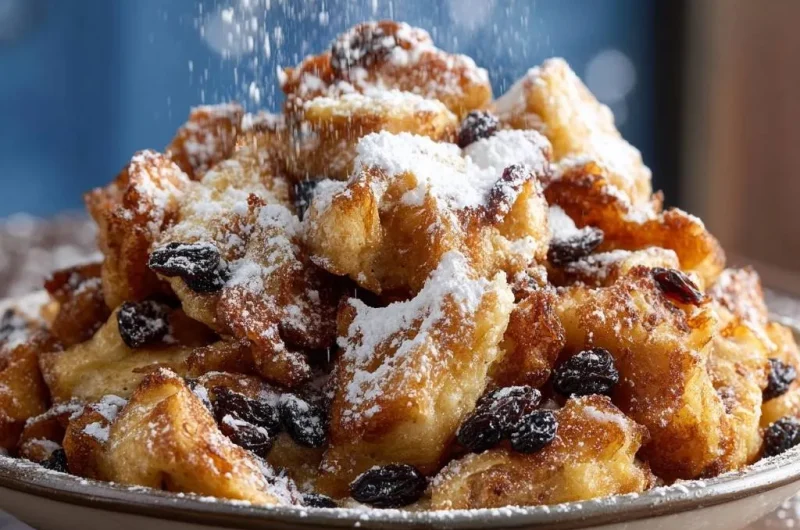
- Dust and serve: Generously sprinkle hot beignets with powdered sugar. Serve warm for that irresistible melt-in-your-mouth texture. Enjoy fluff without the fail!
Notes
- Plump raisins in hot water for juiciness. Whip egg whites to soft peaks and fold gently to trap air for fluffiness. Use a thermometer for oil temperature (360-375°F) to prevent sogginess or burning.