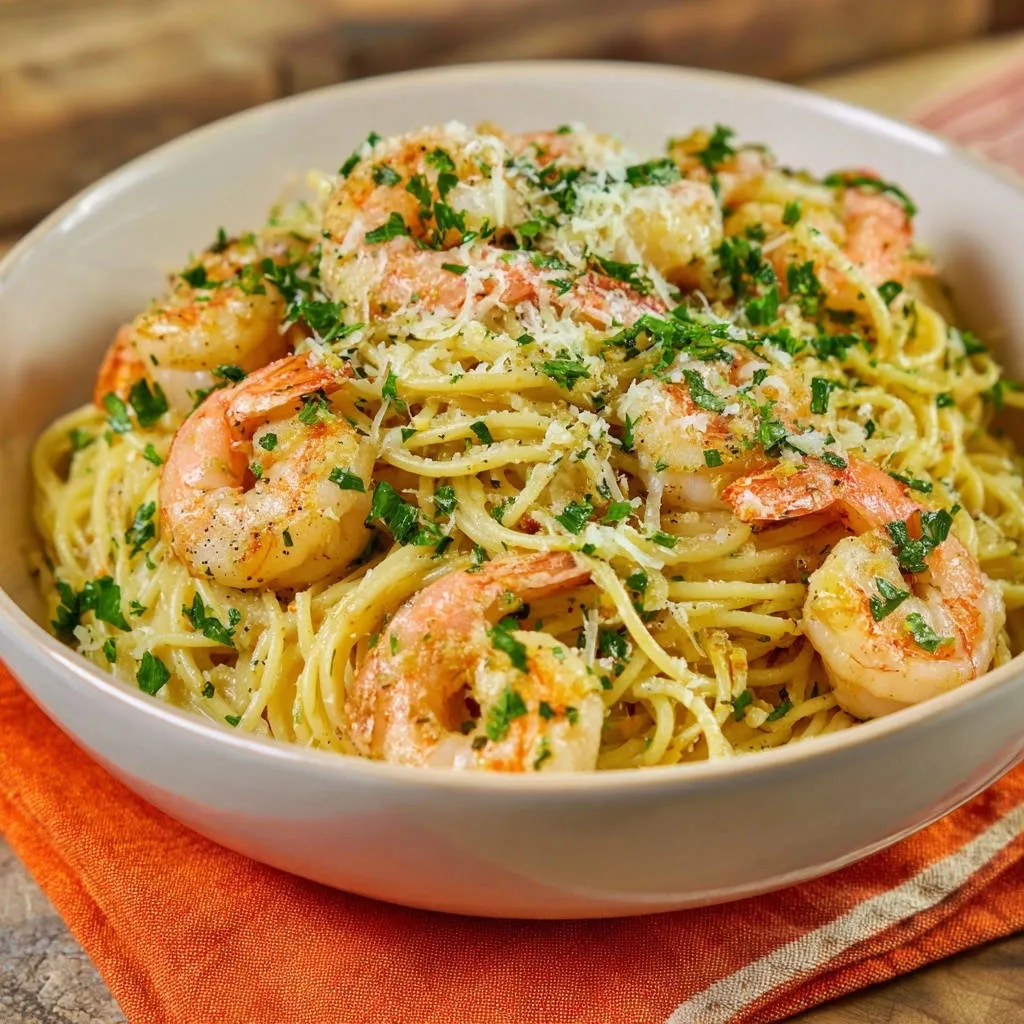
There’s nothing quite like a luscious plate of Garlic Butter Shrimp Pasta, but many struggle with getting the shrimp just right-often ending up tough and rubbery. Through years of testing, I’ve perfected a simple yet transformative technique that guarantees perfectly tender, juicy shrimp every single time in this classic dish.
This recipe isn’t just easy; it delivers an extraordinary seafood pasta experience, making it an instant family favorite for busy weeknights or special occasions.
Why This Garlic Butter Shrimp Pasta Will Be Your New Favorite
This Garlic Butter Shrimp Pasta isn’t just another recipe; it’s a meticulously crafted guide designed for culinary success. We’re focusing on techniques that elevate simple ingredients into an unforgettable meal.
No More Rubbery Shrimp: The Game-Changing Technique
The most common frustration with shrimp pasta is overcooked, rubbery shrimp. Our method tackles this head-on by separating the shrimp’s initial searing from the sauce-making, ensuring quick, precise cooking.
You’ll achieve perfectly tender, succulent shrimp that truly shine in every bite, transforming your entire perception of this dish.
Quick Comfort: Ideal for Weeknight Dinners
Craving something delicious and comforting without spending hours in the kitchen? This Garlic Butter Shrimp Pasta is your answer.
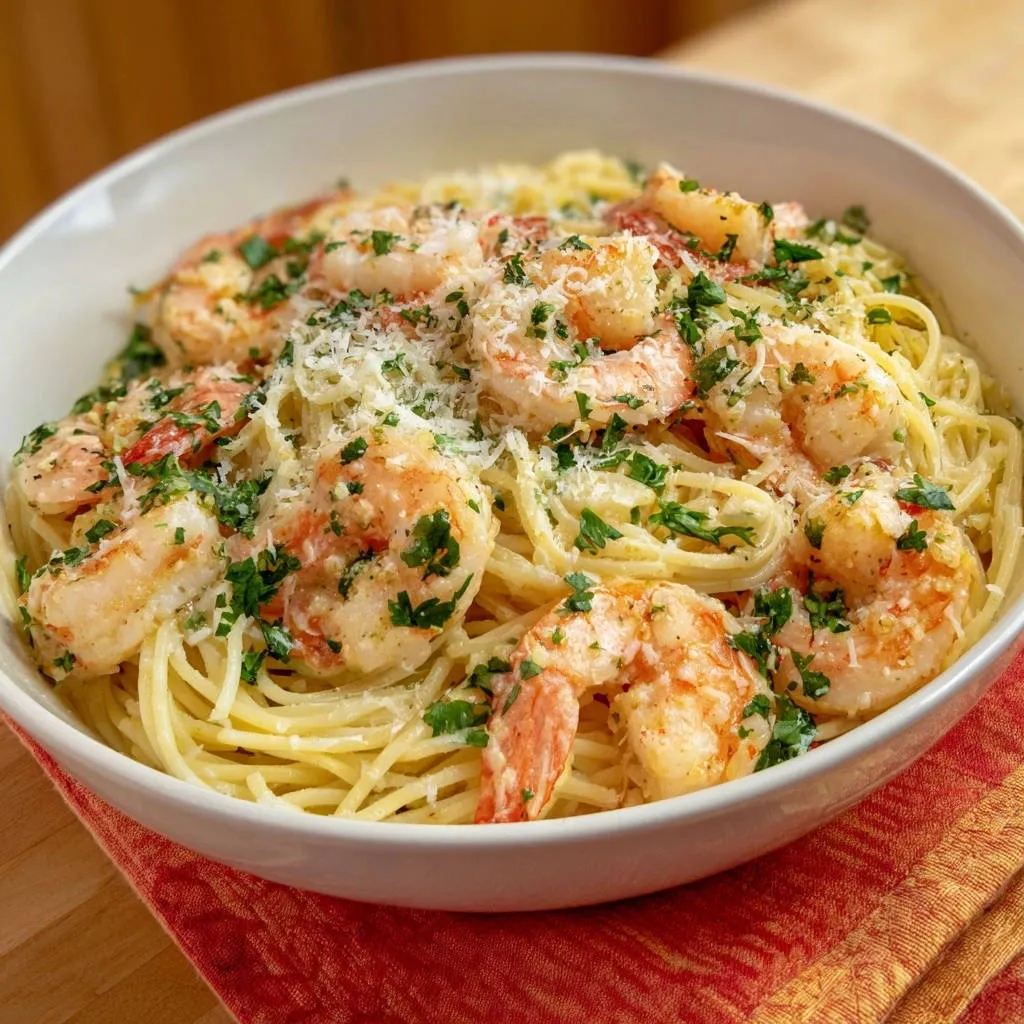
Designed for efficiency, most of the cooking happens concurrently, allowing you to have a gourmet-tasting meal on the table in under 30 minutes. It’s the ultimate weeknight hero.
A Symphony of Fresh Flavors: Zesty, Rich, and Aromatic
This dish boasts a harmonious blend of flavors that dance on your palate. The bright, zesty lemon juice cuts through the richness of the butter and olive oil, while pungent garlic provides an aromatic depth.
Fresh parsley adds a vibrant, herbaceous finish, making each forkful a truly satisfying experience.
The Essential Elements: Ingredients for Our Shrimp Pasta
Crafting exceptional Garlic Butter Shrimp Pasta starts with understanding each ingredient’s role. Here’s what you’ll need to create this culinary delight:
- 1 pound large shrimp, peeled and deveined, tails on or off
- 8 ounces spaghetti or linguine
- 4 tablespoons unsalted butter, divided
- 2 tablespoons olive oil
- 4 cloves garlic, minced
- 1/2 teaspoon red pepper flakes (optional)
- 1/4 cup fresh lemon juice
- 1/2 cup pasta cooking water
- 1/4 cup chopped fresh parsley, plus more for garnish
- 1/4 cup grated Parmesan cheese, plus more for serving
- Salt and black pepper to taste
The Star of the Show: Selecting Your Shrimp
Choose large shrimp (21/25 count per pound) for a satisfying bite. Whether tails are on or off is a personal preference; tails can add flavor to the sauce.
Always ensure your shrimp are peeled and deveined. Patting them thoroughly dry is crucial for achieving a beautiful sear and preventing a steamed, rubbery texture.
Pasta Perfect: Choosing the Right Shape
Long, thin pasta shapes like spaghetti or linguine are ideal for this Garlic Butter Shrimp Pasta. Their strands effectively capture and cling to the rich sauce.
These shapes ensure a balanced ratio of pasta to sauce and shrimp in every forkful. Other long pastas like fettuccine can also work beautifully.
Aromatic Core: Butter, Garlic, and Olive Oil
Unsalted butter and good quality olive oil form the luxurious fat base, imparting richness and aiding in searing.
Minced garlic provides the quintessential aromatic foundation for our sauce, but vigilance is key-garlic can burn quickly and turn bitter.
Bright Notes & Binding Agents: Lemon, Parsley, & Parmesan
Fresh lemon juice is indispensable for its bright acidity, balancing the richness and awakening other flavors. Fresh parsley adds a vital layer of herbaceous freshness and color.
Grated Parmesan cheese offers umami depth and helps to emulsify the sauce. Don’t forget the starchy pasta cooking water, a secret ingredient for a perfectly cohesive sauce.
Mastering the Method: Your Step-by-Step Guide
Al Dente Perfection: Cooking the Pasta Base
Boil and Prepare: Bring a large pot of heavily salted water to a rolling boil. Add your chosen spaghetti or linguine.
Cooking with ample salt infuses flavor into the pasta from the start.
The Golden Rule: Al Dente: Cook according to package directions, aiming for al dente. This means it should be tender but still have a slight bite.
Overcooked pasta will become mushy when tossed with the sauce, so timing is crucial.
Reserve the Liquid Gold: Before draining, reserve at least 1 cup of the starchy pasta cooking water. This is vital for our sauce!
This cloudy water contains starches that help emulsify and thicken the sauce, making it silky and clingy.
The Secret to Succulent Shrimp: Precision Cooking
Dry and Season: Pat the peeled and deveined shrimp very dry with paper towels. Season generously all over with salt and black pepper.
Removing excess moisture is key to getting a good sear and preventing steaming, which leads to rubbery texture.
High Heat, Quick Sear: Heat 1 tablespoon of olive oil and 1 tablespoon of butter in a large skillet over medium-high heat until sizzling.
High heat ensures a quick cook, essential for tender shrimp.
Batch Cooking is Key: Add about half of the seasoned shrimp in a single layer, ensuring they don’t overcrowd the pan. Cook for just 1 to 2 minutes per side, until they turn pink and opaque.
Overcrowding cools the pan and steams the shrimp instead of searing them, leading to a tough texture. Cook in batches if necessary.
Immediate Removal: As soon as they’re cooked, immediately remove the shrimp from the pan and set them aside on a plate. Repeat with the remaining shrimp, adding a little more oil if needed.
Shrimp cook incredibly fast, and residual heat will continue to cook them even after removal, so get them out quickly!
Building the Irresistible Garlic Butter Sauce
Infuse the Butter: Reduce the heat to medium. Add the remaining 3 tablespoons of butter to the same skillet. Add the minced garlic and red pepper flakes (if using).
Using the same pan captures all the delicious browned bits from the shrimp.
Fragrant, Not Burnt: Cook for 30 to 60 seconds, until the garlic is fragrant, being very careful not to burn it.
Burnt garlic turns bitter quickly and can ruin the sauce’s flavor.
Deglaze and Thicken: Pour in the fresh lemon juice and the reserved pasta cooking water. Stir vigorously, scraping up any delicious browned bits from the bottom of the pan.
For a delightful variation, explore this skillet steak and shrimp pasta recipe.
This deglazing step adds depth of flavor to your sauce.
Simmer to Perfection: Bring the sauce to a gentle simmer for 1 to 2 minutes, allowing it to thicken slightly.
The starches from the pasta water will help create a cohesive, silky sauce.
The Grand Finale: Bringing It All Together
Combine and Toss: Return the cooked shrimp to the skillet with the simmering sauce. Add the drained spaghetti, chopped fresh parsley, and grated Parmesan cheese.
Toss everything together until the pasta and shrimp are evenly coated in the luscious sauce.
Adjust Consistency: If the sauce seems too thick, add a splash more of the reserved pasta water, a tablespoon at a time, until it reaches your desired consistency.
This allows you to customize the richness and clinginess of your dish.
Final Seasoning: Taste and adjust seasoning with additional salt and black pepper if needed.
Always taste before serving to ensure the flavors are perfectly balanced.
Serve Immediately: Transfer to serving bowls, garnished with extra fresh parsley and grated Parmesan cheese.
This dish is best enjoyed fresh off the stove!
Beyond the Recipe: Expert Tips for Next-Level Flavor
Don’t Overcrowd Your Pan: The Golden Rule for Searing
Cook in Batches: When searing shrimp, always cook them in batches if your pan isn’t large enough to hold them in a single layer without touching. Overcrowding drops the pan’s temperature, causing the shrimp to steam rather than sear, leading to a tough, rubbery texture. Give them space to brown beautifully!
The Magic of Reserved Pasta Water
Your Sauce’s Best Friend: Never discard all your pasta water! The starchy water is crucial for creating a glossy, emulsified sauce that clings perfectly to the pasta. It helps bind the butter, lemon juice, and other ingredients, preventing separation and adding a subtle depth of flavor.
A Zest for Extra Zing
Brighten with Zest: For an even more intense lemon flavor, consider adding a teaspoon of fresh lemon zest along with the lemon juice. The zest contains essential oils that provide a vibrant, aromatic citrus punch without making the sauce overly acidic.
Fresh Herbs Make All the Difference
Freshness First: While dried parsley can work, fresh chopped parsley is incomparable in this dish. Its bright, peppery notes elevate the entire flavor profile. Consider a touch of fresh basil or chives for a subtle variation.
Seasoning in Layers
Build Flavor Incrementally: Don’t just season at the end. Season your pasta water, the shrimp, and then taste and adjust the sauce. Layering your salt and pepper ensures every component is flavorful and the final dish is perfectly balanced.
Solving Common Hurdles: Troubleshooting Your Shrimp Pasta
“Why are my shrimp tough and chewy?”
This is almost always a sign of overcooking. Shrimp cook incredibly fast! The key is to cook them for just 1-2 minutes per side until they turn pink and opaque, then remove them immediately from the heat. Don’t overcrowd the pan; sear in batches.
“My sauce is too thin or watery!”
If your sauce isn’t clinging to the pasta, it likely needs more starch to emulsify. Gradually add more of the reserved pasta cooking water, stirring constantly, and allow it to gently simmer for another minute. The starches in the pasta water will help thicken it to a perfect consistency.
“My garlic burned and tastes bitter!”
Garlic burns quickly, especially in a hot pan. Ensure you add the garlic after the shrimp have been removed and reduce the heat to medium. Cook for a very short duration (30-60 seconds) until fragrant, then immediately add the liquids (lemon juice, pasta water) to stop the cooking process.
“The dish lacks flavor.”
Ensure you’re seasoning at multiple stages: generously salt your pasta water, season the shrimp well, and taste and adjust the sauce before serving. A squeeze of fresh lemon juice or a pinch of red pepper flakes can also awaken the flavors. Don’t underestimate the power of fresh herbs!
Your Top Questions Answered: Garlic Butter Shrimp Pasta FAQ
Can I use frozen shrimp for this recipe?
Absolutely! Most recipes are designed for frozen shrimp, thawed and patted dry. Thaw them overnight in the refrigerator or quickly under cold running water. Pat them very dry with paper towels before seasoning and cooking to ensure a good sear.
What’s the best pasta shape to use?
Spaghetti or linguine are classic choices as their long strands beautifully catch the garlic butter sauce. Other long, thin pastas like fettuccine or even angel hair can work, but avoid very short or tubular shapes that won’t hold the sauce as effectively.
Can I make this dish gluten-free?
Yes, easily! Simply substitute regular pasta with your favorite gluten-free spaghetti or linguine. The rest of the ingredients are naturally gluten-free. Follow the package directions for your gluten-free pasta, paying close attention to cooking times.
How long does Garlic Butter Shrimp Pasta store, and can I make it ahead?
This dish is best enjoyed immediately. Cooked shrimp can quickly become rubbery when reheated. If you have leftovers, store them in an airtight container in the refrigerator for up to 1-2 days. Reheat gently on the stovetop with a splash of water or broth to loosen the sauce, but be aware the shrimp texture may change.
Make It Your Own: Creative Variations & Add-Ins
Add a Pop of Color: Veggie Boosters
Stir in some quick-cooking vegetables like spinach, cherry tomatoes (halved), or finely chopped bell peppers during the last minute of sauce simmering. They’ll add extra nutrients and vibrant color without overpowering the main flavors.
Spice It Up or Tone It Down
Adjust the red pepper flakes to your liking – increase for a bolder kick or omit entirely for a milder dish. You could also add a pinch of cayenne pepper for a different kind of heat.
Herbaceous Alternatives
While parsley is traditional, experiment with other fresh herbs. Fresh basil or chives can offer a delightful aromatic twist to the garlic butter sauce. Add them in at the very end, just before serving.
Creamy Indulgence
For a richer, creamier sauce, stir in a splash of heavy cream (1/4 to 1/2 cup) along with the lemon juice and pasta water. Allow it to gently simmer and thicken slightly before adding the pasta and shrimp.
Kitchen Essentials for Effortless Shrimp Pasta
Large Skillet or Pan: Essential for cooking shrimp in batches and building the sauce without overcrowding.
Large Pot: For boiling pasta, ensuring enough space for even cooking.
Tongs: Perfect for tossing pasta, shrimp, and sauce together, and for serving.
Whisk: Handy for emulsifying the sauce and scraping up browned bits.
Zester (Optional): If you want to add lemon zest for an extra aromatic kick.
The Perfect Finish: Serving & Savoring Your Dish
There’s a special kind of satisfaction that comes from mastering a classic, especially when it turns out flawlessly delicious. This Garlic Butter Shrimp Pasta isn’t just a meal; it’s a testament to simple techniques yielding extraordinary results.
We hope you enjoy every tender bite and the vibrant flavors of this dish. It’s truly a weeknight hero that feels gourmet.
We’d love to see your culinary creations! Share your Garlic Butter Shrimp Pasta masterpiece with us in the comments below, or tag us on social media. Happy cooking!
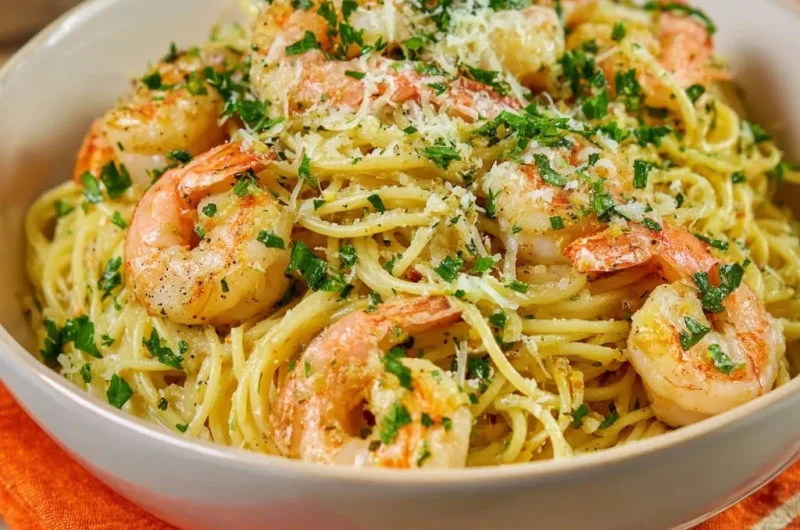
Garlic Butter Shrimp Pasta
Course: Main CourseCuisine: Italian-AmericanDifficulty: easy4
servings15
minutes20
minutes550
kcal35
minutesTired of rubbery shrimp? This Garlic Butter Shrimp Pasta recipe unveils the simple secret to perfectly tender, juicy shrimp. With a rich lemon-garlic butter sauce and al dente pasta, this dish is a flavorful and satisfying weeknight meal that will change how you make shrimp forever.
Ingredients
1 pound large shrimp, peeled and deveined, tails on or off
8 ounces spaghetti or linguine
4 tablespoons unsalted butter, divided
2 tablespoons olive oil
4 cloves garlic, minced
1/2 teaspoon red pepper flakes (optional)
1/4 cup fresh lemon juice
1/2 cup pasta cooking water
1/4 cup chopped fresh parsley, plus more for garnish
1/4 cup grated Parmesan cheese, plus more for serving
Salt and black pepper to taste
Directions
- Bring a large pot of salted water to a boil. Add the spaghetti and cook according to package directions until al dente. Before draining, reserve 1 cup of the pasta cooking water. Drain the pasta and set aside.
- While the pasta cooks, pat the shrimp very dry with paper towels. Season the shrimp all over with salt and black pepper.
- Heat 1 tablespoon of olive oil and 1 tablespoon of butter in a large skillet or pan over medium-high heat until the butter is melted and sizzling. Add half of the seasoned shrimp in a single layer, ensuring not to overcrowd the pan. Cook for 1 to 2 minutes per side, just until the shrimp turn pink and opaque. Immediately remove the cooked shrimp from the pan and set aside on a plate. Repeat with the remaining shrimp, adding a little more oil if needed, then remove the second batch to join the first. It’s crucial not to overcook them at this stage.
- Reduce the heat to medium. Add the remaining 3 tablespoons of butter to the same skillet. Add the minced garlic and red pepper flakes (if using) and cook for 30 to 60 seconds, until fragrant, being careful not to burn the garlic.
- Pour in the fresh lemon juice and the reserved pasta cooking water, stirring to scrape up any browned bits from the bottom of the pan. Bring the sauce to a gentle simmer for 1 to 2 minutes, allowing it to thicken slightly.
- Return the cooked shrimp to the skillet with the sauce. Add the drained spaghetti, chopped parsley, and Parmesan cheese. Toss everything together to coat the pasta and shrimp evenly. If the sauce seems too thick, add a splash more pasta water until it reaches your desired consistency.
- Taste and adjust seasoning with additional salt and pepper if needed. Serve immediately, garnished with extra fresh parsley and grated Parmesan cheese.
Notes
- The key to perfectly tender shrimp is not to overcook them; cook just until pink and opaque, then remove immediately.