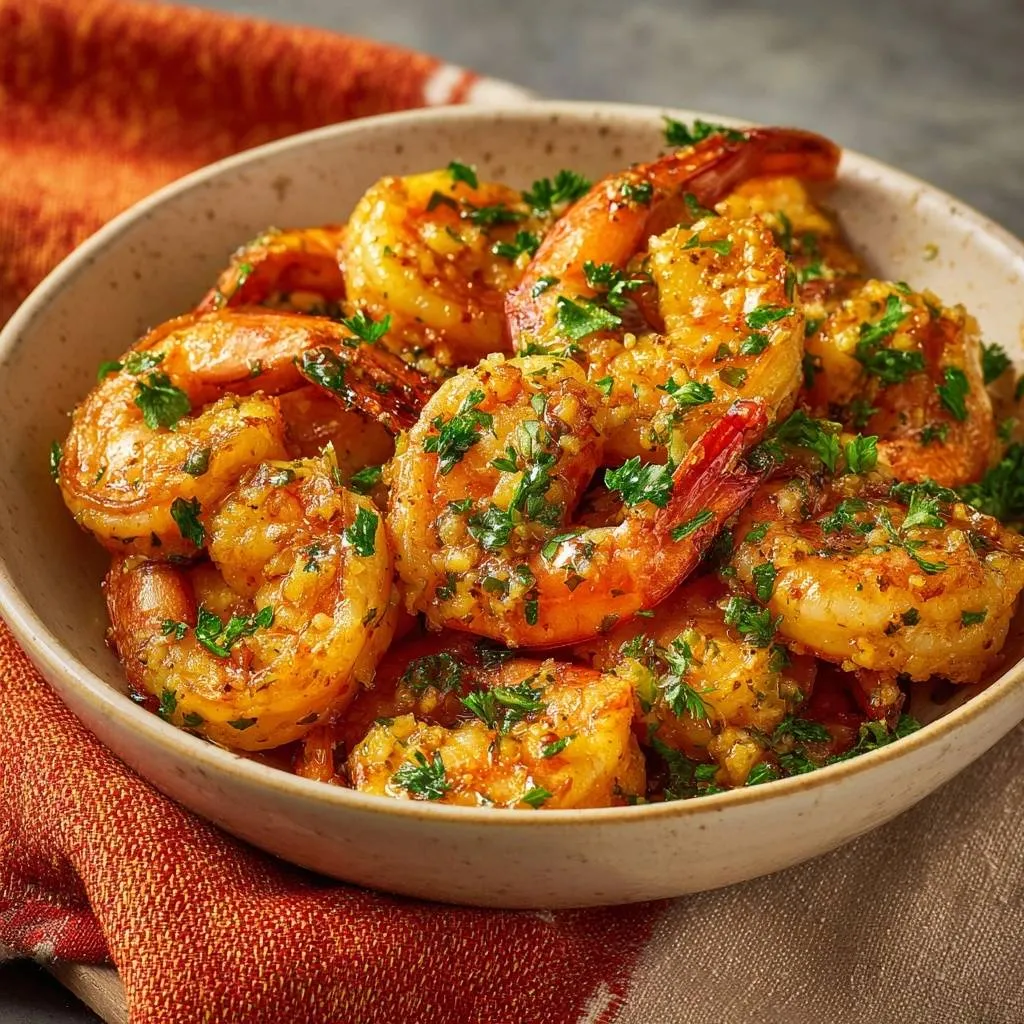
Picture this: rubbery shrimp that bounce like erasers instead of melting in your mouth. You’ve been there, right? But this garlic shrimp fixes that fast. You’ll have dinner ready in 10 minutes flat, using just four base ingredients you likely have on hand. No more takeout disappointments when you nail this high-heat sear.
So why does this method deliver juicy perfection every time? It all comes down to locking in moisture before the shrimp hits the pan. Restaurants swear by it, and now you can too. Plus, that quick cook time means fresh flavors without the fuss.
Here’s the game-changer: pat those shrimp bone-dry first. Surface moisture turns searing into steaming, which spells tough texture. Skip that, and you’re golden with tender bites bursting with garlic goodness.
Why Garlic Shrimp Demands Precision Searing
Problems with Overcooked Rubberiness
Shrimp lose moisture fast because their proteins tighten up at high temps. Overcook them, and you get that chewy, dry mess. Steaming from wet surfaces makes it worse; the heat traps steam instead of browning.
Most home cooks crowd the pan or start with damp shrimp. Therefore, proteins coagulate unevenly, squeezing out juices. Restaurants avoid this with dry prep and blazing heat for pro results.
Unlocking Juicy Garlic Shrimp Texture
High heat triggers the Maillard reaction, creating a flavorful crust without drying the inside. Olive oil handles the initial sear, then butter emulsifies in for richness. In addition, it coats everything in glossy goodness.
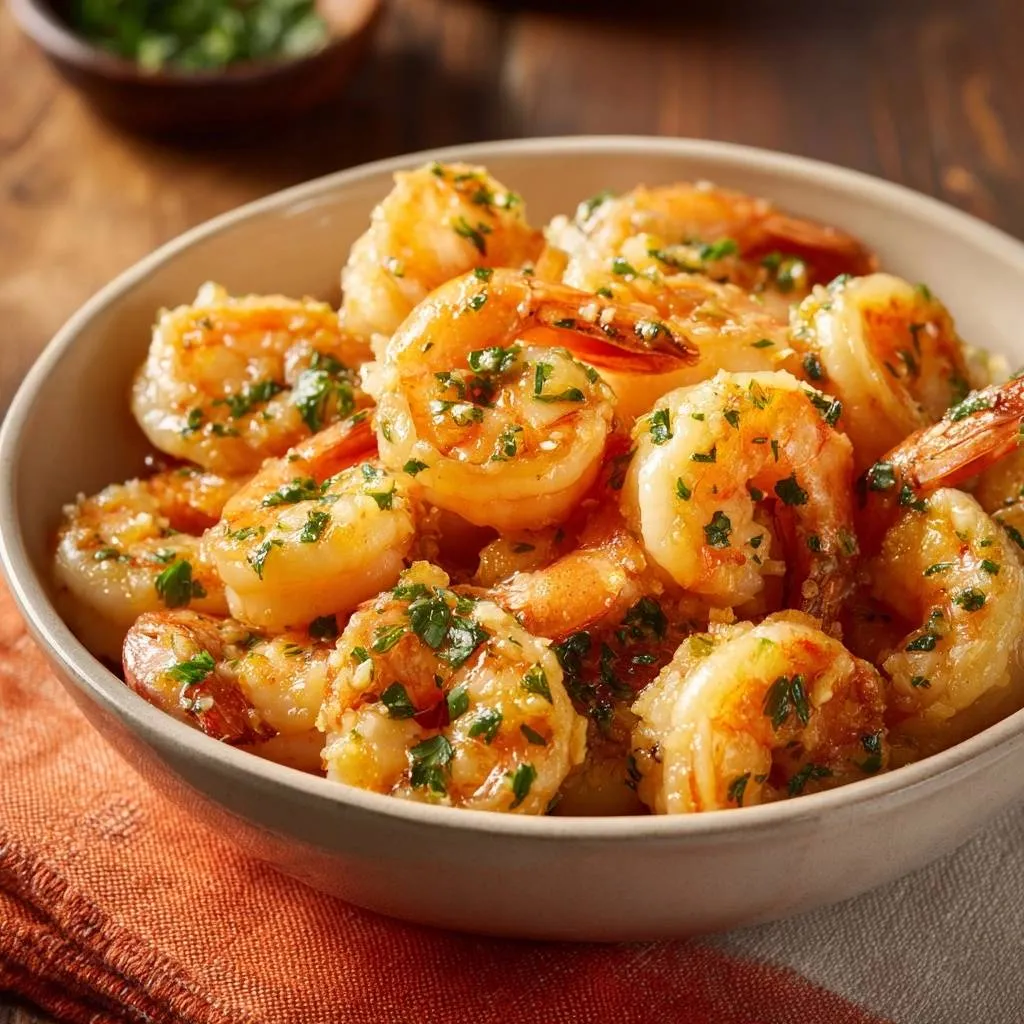
That combo keeps shrimp juicy while garlic turns fragrant and golden. However, timing matters; add butter late to prevent burning. You’ll taste the difference in every tender bite.
Selecting Shrimp and Garlic Essentials
Best Shrimp Size for Garlic Shrimp
Grab large 16/20 count shrimp; they’re meaty enough to sear perfectly without overcooking. Tails on help with flipping and make a pretty plate. Fresh is ideal, but frozen works if you thaw slowly in the fridge.
Avoid quick-thaw tricks that waterlog them. Pat dry rigorously afterward. This ensures your garlic shrimp stay plump and sear crisp.
Garlic and Parsley Freshness Impact
Mince six fresh cloves right before cooking for that punchy aroma that defines garlic shrimp. Pre-minced gets bitter fast. Finely chop parsley at the end so it stays bright and doesn’t wilt.
Unsalted butter prevents a greasy finish when mixed with olive oil. Salt and pepper go on early; they draw out moisture via osmosis but enhance flavor deeply. Balance keeps it from overpowering.
Prepping Shrimp for Perfect Garlic Sear
Drying Shrimp Removes Steam Risk
Pat shrimp completely dry with paper towels, pressing firmly. You’ll see moisture wick away. This step evaporates surface water so they sear, not steam, for tender garlic shrimp.
Skip it, and you’ll end up with rubbery results. Visual cue: shrimp look matte, not glossy. Dry shrimp transform in the pan beautifully.
Seasoning Timing Before Garlic Addition
Season with salt and pepper right after drying. Salt pulls out a bit more moisture, concentrating flavors. Don’t overdo it; shrimp’s natural sweetness shines through.
This timing lets seasoning penetrate without drawing excess liquid back. Perfect base for garlic infusion later.
For even more garlicky shrimp inspiration, see this garlicky seared shrimp and white beans.
High-Heat Skillet Setup for Garlic Shrimp
Oil and Butter Heating Threshold
Heat olive oil and one tablespoon butter over medium-high until shimmering and nearly smoking, about two minutes. Test by flicking water; it should sizzle instantly. This hits the sear sweet spot for garlic shrimp.
Non-stick pans lose heat too fast, so opt for stainless or cast iron. Patience here prevents steaming.
Single-Layer Rule Prevents Crowding
Add shrimp in one layer; batch if your 12-inch skillet’s full. Crowding drops the temp, steaming instead of searing your garlic shrimp. Heat rebounds quickly between batches.
Maintain that sizzle for crusty edges and juicy centers. Skillet size matters for even results.
Searing Phase: First Side Garlic Shrimp Mastery
Undisturbed Cook Builds Crust
Cook undisturbed one to two minutes until bottoms pink up and edges curl. That Maillard crust locks in juices. Flip gently with tongs to keep them intact.
Don’t poke; patience builds flavor. Your garlic shrimp gain nutty depth this way.
Quick Garlic and Butter Flip Integration
Flip, then add minced garlic and remaining butter right away. Stir gently one to two minutes until shrimp opaque and garlic golden-fragrant. Butter melts in, creating a silky sauce.
Gentle motion avoids toughness. Smell that garlic bloom? You’re almost there.
Off-Heat Finish Locks in Garlic Shrimp Juiciness
Remove Heat Immediately After Opacity
Pull skillet off heat once shrimp are just opaque. Carryover cooking finishes them tenderly. Stir in parsley for fresh pop without wilting.
Serve hot; juices redistribute perfectly. This stops overcooking dead in its tracks.
Resting Enhances Flavor Meld
Let it rest 30 seconds off heat. Flavors unify into garlicky bliss. Skip watery sauces; the pan juices suffice.
This quick pause elevates your garlic shrimp every time.
Science of Tender Garlic Shrimp Texture
Maillard Reaction in Quick Searing
Skillet hits 350-400F, browning sugars and proteins for nutty edges. It flavors without drying the interior. Balance denatures proteins just enough for tenderness.
Quick sear keeps moisture trapped. That’s restaurant-level garlic shrimp at home.
Moisture Lock from Dry Start
Dry prep evaporates albumen, preventing it from leaching out. Wet shrimp steam and toughen; dry ones sear crisp. Experiments prove it: dry yields juicy results.
Therefore, always pat dry twice if needed. Texture transforms dramatically.
Avoiding Garlic Shrimp Pitfalls
Overcrowding Steams Instead of Searing
Steam shows as pale, watery shrimp. Pan temp plummets, so batch cook. Heat recovers fast for proper sear.
Spot it early and fix next round. Your garlic shrimp deserve crisp edges.
Garlic Burn and Bitter Notes
Add garlic post-flip; it cooks gently to sweet gold. Butter buffers heat. Brown garlic turns bitter, ruining garlic shrimp.
Stir softly and watch closely. Fragrance guides you.
Carryover Cooking Overkill
Heat lingers, cooking shrimp more off-stove. Fork-test opacity; plate fast. Max 140F internal keeps them juicy.
Speed prevents dryness in garlic shrimp.
Flavor Variations for Garlic Shrimp
Lemon Zest Brightens Garlic Base
Add zest after heat for citrus lift. Acid cuts richness without toughening shrimp. Perfect bright twist on garlic shrimp.
Spicy Chili Flake Garlic Shrimp Twist
Stir in 1/4 teaspoon flakes with garlic. Heat builds subtly, complementing tenderness. Don’t overpower the shrimp.
Herb Swaps Beyond Parsley
Try cilantro or basil, chopped fine, at the end. Global flair for garlic shrimp. Freshness stays vibrant.
Pairing Sides with Garlic Shrimp
Crispy Rice or Polenta Base
Crispy rice soaks up buttery sauce perfectly. Pan-fry leftover rice quick. Neutral base highlights garlic shrimp.
Polenta firms up in minutes too. Simple and satisfying.
Fresh Green Vegetable Complements
Sauté spinach or asparagus in five minutes. They balance richness with crisp green bite. Garlic shrimp shines beside them.
Simple Salad Contrast
Arugula with vinaigrette cuts through buttery depth. No-cook ease pairs light with garlic shrimp. Refreshing foil.
Make-Ahead Garlic Shrimp Strategies
Prep Shrimp Dry One Day Ahead
Pat dry, season, and fridge in a single layer. Re-dry before searing. Flavor deepens for garlic shrimp.
Freezing Raw Garlic Shrimp Portions
Freeze peeled shrimp flat. Thaw overnight, dry thoroughly. Avoids mush; sears like fresh.
Troubleshooting Garlic Shrimp Issues
Shrimp Still Rubbery After Sear
Wet start or low heat likely. Dry better next time, crank heat. Don’t reheat; they toughen fast.
Garlic Overpowers Shrimp Flavor
Cut to four cloves or mince coarser. Up parsley for balance in garlic shrimp.
Sauce Separation in Pan
Gently emulsify with stir. Add cold butter chunks for stable garlic shrimp sauce.
Shrimp Sticking to Skillet
Heat oil fully or dry shrimp more. Cast iron excels for garlic shrimp release.
Garlic Shrimp FAQ
Can I Use Frozen Shrimp for Garlic Shrimp?
Yes, thaw fully in the fridge overnight. Pat extra dry to remove all moisture. This mimics fresh for tender, seared garlic shrimp results without waterlogging.
How Do I Know Garlic Shrimp Is Done?
Shrimp turn opaque throughout with a C-shape curl. Internal temp maxes at 140F. Fork-test centers; they’ll stay juicy, not rubbery.
Best Skillet for Garlic Shrimp Searing?
Cast iron or stainless steel retains high heat best. Avoid nonstick; it can’t handle the sear intensity for perfect garlic shrimp crust.
Scaling Garlic Shrimp for Crowds?
Double ingredients but cook in single-layer batches. Prep all mise en place ahead. Keeps heat high for evenly tender garlic shrimp every time.
Substitute Butter in Garlic Shrimp?
Use ghee for dairy-free. It emulsifies the same, keeping golden garlic shrimp sauce intact and flavorful.
How to Store Leftovers and Freeze Garlic Shrimp?
Store in an airtight container in the fridge up to two days. Reheat gently in a skillet over low to avoid toughness. Freezes well raw; cooked loses texture, so freeze prepped shrimp up to a month, thaw fully, and pat dry before cooking.
Why Are My Garlic Shrimp Rubbery?
Common issue from wet shrimp or low heat causing steaming. Always pat super dry and use medium-high for shimmer. Overcrowding drops temp too; batch cook for juicy fixes.
What Can I Substitute for Parsley in Garlic Shrimp?
Fresh cilantro, basil, or chives work great. Chop fine and add at end for brightness. Keeps the fresh herb lift without overpowering garlic shrimp flavors.
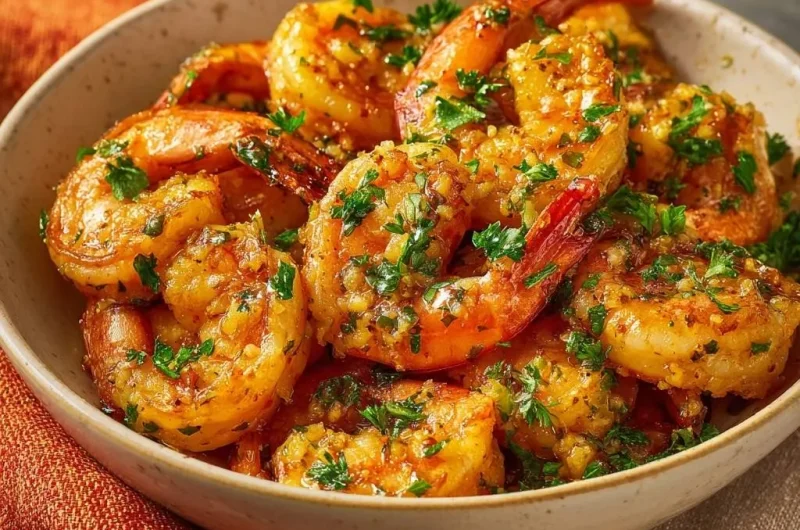
Garlic Shrimp
Course: Main CourseCuisine: AmericanDifficulty: easy4
servings10
minutes5
minutes350
kcal15
MinutesTired of rubbery shrimp that ruin your meal? This recipe nails tender, juicy results every time with a simple high-heat sear and quick-cook method that locks in moisture.
Ingredients
1 pound large shrimp, peeled and deveined with tails on
6 garlic cloves, minced
1/2 cup fresh parsley, finely chopped
3 tablespoons olive oil
3 tablespoons unsalted butter
1 teaspoon salt
1/2 teaspoon black pepper
Directions
- Pat the shrimp completely dry with paper towels. This crucial step removes surface moisture so they sear instead of steam, preventing rubbery texture. Season with salt and pepper.
- Heat olive oil and 1 tablespoon butter in a large skillet over medium-high heat until the oil shimmers and almost smokes, about 2 minutes.
- Add shrimp in a single layer without crowding (do batches if needed). Cook undisturbed for 1 to 2 minutes until the bottoms turn pink and edges curl slightly.
- Flip shrimp quickly. Immediately add minced garlic, remaining butter, and stir gently. Cook 1 to 2 minutes more until shrimp are just opaque throughout and garlic is fragrant and golden.
- Remove skillet from heat right away to stop cooking and keep shrimp juicy. Stir in chopped parsley. Serve immediately.
Notes
- Pat shrimp completely dry before cooking to ensure a proper sear and avoid steaming. Do not overcrowd the pan; cook in batches if necessary. Remove from heat immediately after cooking to prevent overcooking.