
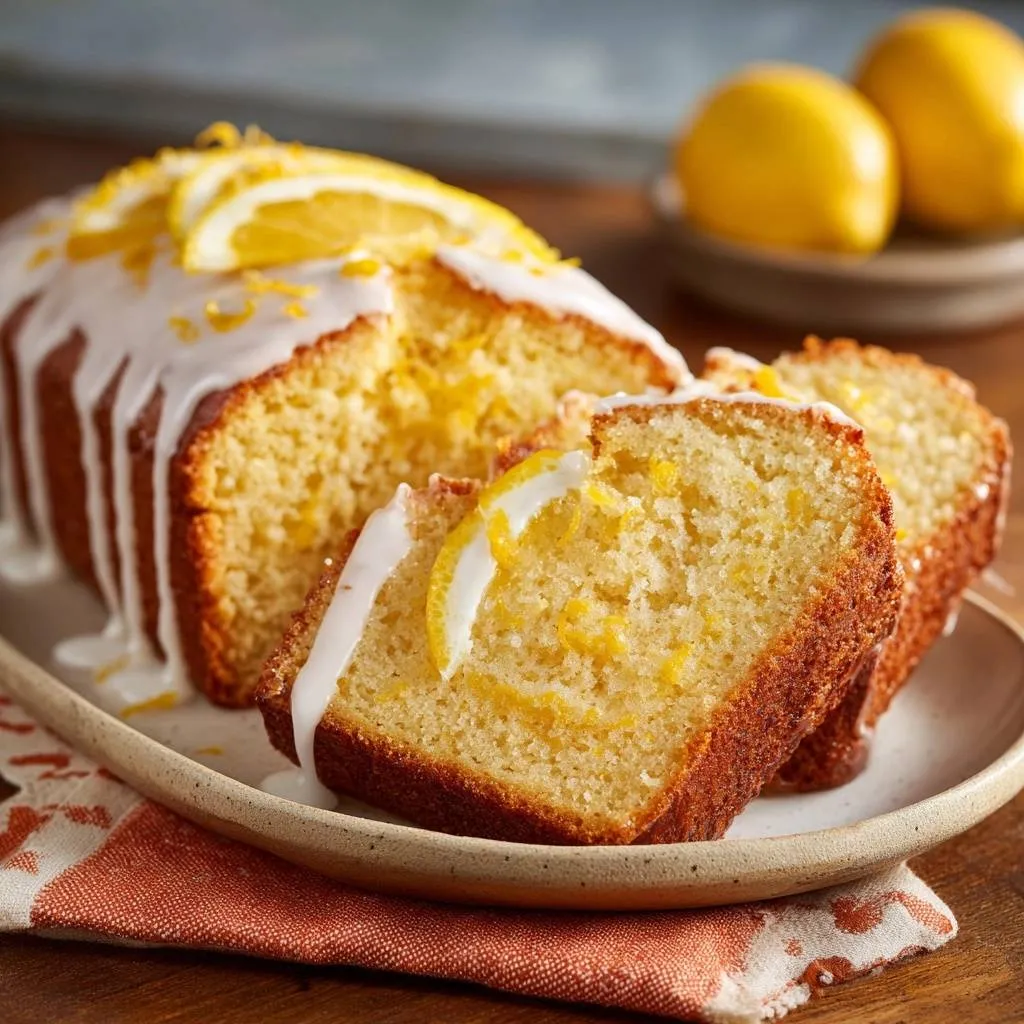
Ever bitten into a citrus loaf that’s more crumbly brick than tender treat? This glazed orange loaf cake fixes that frustration fast. You get one loaf yielding 10-12 slices, with just 20 minutes prep and 55 minutes bake time. It stands out because most recipes leave you dry, but this one locks in moisture for days.
Here’s why it works so well. Swapping half the butter for oil keeps things liquid even after cooling, while yogurt traps steam during baking. Therefore, every slice stays soft and flavorful. No more tossing half-eaten loaves.
The real expertise comes in folding the yogurt last. It preserves air bubbles for perfect rise and binds with the oil to create that unbeatable tender crumb. Oh man, that first slice melts in your mouth with bright orange zing.
For a recipe that truly delivers on a tender crumb, check out this moist chocolate bundt cake.
Key Ingredients for Glazed Orange Loaf Cake
Flour and Leavening Agents Breakdown
All-purpose flour gives you 1 1/2 cups of just-right structure here. It yields a tender crumb without the heaviness of bread flour. In addition, cake flour risks a too-delicate texture that collapses under the moisture load.
You need 1 teaspoon baking powder, 1/2 teaspoon baking soda, and 1/4 teaspoon salt too. The baking soda reacts with yogurt’s acidity for extra lift. Therefore, your cake rises tall and stays light.
Butter-Oil-Yogurt Moisture Trio
Start with 1/2 cup softened unsalted butter for rich flavor without salt overpowering the citrus. Then add 1/4 cup vegetable oil, which stays liquid post-bake to keep slices moist for days. No greasiness, just perfection.
Greek yogurt, 1/2 cup plain, acts as the hero. Its proteins coagulate in the oven to trap steam, ensuring a never-dry crumb. Regular yogurt works but lacks the tang and thickness, so Greek balances the sweet orange best.
Pro tip: Room temperature ingredients emulsify smoothly. Cold ones cause curdling and uneven batter.
Fresh Citrus Zest and Juice Role
Zest from 2 large oranges packs the essential oils for intense flavor. Rub it with sugar first to release those aromas. Fresh juice, 1/4 cup for batter, delivers brightness bottled stuff can’t match.
For glaze, use 2 tablespoons juice plus zest from 1 orange. It creates a shiny, tangy drip that soaks in just right. Always zest before juicing to maximize punch.
Sugar and Eggs Foundation
1 cup granulated sugar creams with butter for tenderness and structure. It also helps with browning. Beat until light and fluffy to trap air for rise.
Three large eggs provide lift and moisture. Use room temperature so they blend without curdling the batter. Add them one by one for smooth incorporation.
Science of Moist Glazed Orange Loaf Cake
Oil Infusion for Post-Bake Hydration
Beating butter and sugar first creates an emulsion. Then oil joins in, lowering the solidification point compared to all-butter recipes. Therefore, the crumb stays soft days later instead of turning dry.
Full-butter loaves solidify and toughen as they cool. This hybrid keeps hydration locked in. You’ll notice the difference in every bite.
For a deeper dive into spiced desserts, explore old-fashioned gingerbread cake techniques.
Yogurt’s Steam-Trapping Magic
Greek yogurt’s acidity kickstarts baking soda for rise. Its proteins set during baking to hold onto steam. Fold it gently last to avoid deflating air bubbles.
Citrus keeps the pH balanced, preventing a dense result. That’s why this cake stays moist without sogginess. Science makes it foolproof.
Citrus Emulsification in Batter
Orange juice and zest integrate with fats for even flavor. They prevent separation, so taste hits every slice. Plus, sugars aid Maillard browning for golden edges.
Mix thoroughly but not too long here. It ensures bright citrus threads through the moist base.
Essential Tools for Glazed Orange Loaf Cake
9×5 Loaf Pan and Prep Essentials
A metal 9×5-inch loaf pan heats evenly for perfect baking. Grease and flour it well, or line with parchment for easy release. Avoid glass or dark pans; they overbrown the edges.
Mixing Equipment Precision
Use a stand mixer or hand beaters for creaming butter, sugar, and oil fluffy. Switch to a spatula for folding yogurt to keep it gentle. Cool on a wire rack so the bottom stays crisp, not soggy.
Batter Prep Phases for Glazed Orange Loaf Cake
Creaming Butter, Oil, Sugar Base
Preheat your oven to 350°F and prep the pan. Beat 1/2 cup softened butter with 1 cup sugar for 2 minutes until pale and fluffy. Add 1/4 cup oil and beat 1 more minute; it should look glossy and smooth.
This step traps air for lift. If it’s not fluffy, your cake won’t rise right.
Incorporating Eggs and Citrus
Add 3 eggs one at a time, beating well after each. Mix in zest of 2 oranges and 1/4 cup fresh juice. Scrape the bowl to catch every bit for even flavor.
Avoid overbeating; it can make the batter weep. You’ll smell that fresh citrus pop right away.
Dry-Wet Combining Technique
Whisk 1 1/2 cups flour, baking powder, baking soda, and salt in a separate bowl. Add to wet ingredients in two batches, stirring just until combined. Lumps are okay; they disappear in the bake.
Overmixing develops gluten for toughness. Stop when you see no dry streaks.
Gentle Yogurt Fold Secret
Fold in 1/2 cup Greek yogurt last with a spatula. Do it gently to preserve those precious air bubbles. The batter thickens slightly but stays scoopable and fragrant.
This timing is key. Early addition deflates everything. Pro tip: Taste the batter here; it’s addictive.
Baking and Glazing Glazed Orange Loaf Cake
Oven Timing and Doneness Test
Pour batter into the pan and bake at 350°F for 50 to 55 minutes. Test with a toothpick in the center; it should come out clean or with moist crumbs. Tent foil if tops brown too fast.
Cool in pan 10 minutes, then rack. Internal temp hits 200°F for doneness. Patience prevents sinking.
Perfect Citrus Glaze Application
Whisk 1 cup powdered sugar with 2 tablespoons orange juice and zest until smooth. Drizzle over fully cooled cake on the rack. Let it set 10 minutes; sprinkle extra zest for pop.
Too thick? Add juice drop by drop. It soaks in for shiny, tangy bliss.
Avoiding Mistakes in Glazed Orange Loaf Cake
Overmixing and Dry Crumb Fixes
Overmixing after dry add-ins toughens the crumb. Signs include stringy batter. Fix by folding yogurt precisely as directed; it rescues moisture.
If dense, check leavening freshness next time. Sub oil fully for butter in a pinch.
Pan Prep and Sinkage Prevention
Skip greasing and it sticks hard. Use non-stick spray plus flour. Cool on rack fully to avoid collapse from trapped steam.
At high altitude, reduce baking powder slightly and bake hotter. Keeps it lofty.
Glaze Too Runny or Thick
Runny glaze? Sift sugar and add juice slowly. Thick? Warm juice first. Store airtight to keep the shine days later.
Flavor Twists on Glazed Orange Loaf Cake
Lemon or Lime Citrus Swaps
Swap zest and juice 1:1 for lemon or lime. Lemon brightens tart; lime adds tropical zip. Keep yogurt to balance acidity.
Nutty or Spice Additions
Add 1/2 teaspoon almond extract or 2 tablespoons poppy seeds for crunch. Cardamom pinch warms without stealing orange’s show. Fold in with yogurt.
Storage Guide for Glazed Orange Loaf Cake
Room Temp and Fridge Lifespan
Wrap airtight at room temp for 3 days. Fridge extends to 1 week; slices re-moisten with a damp towel zap in microwave. Stays moist thanks to oil-yogurt duo.
Freezing Slices or Whole Loaf
Freeze unglazed loaf or slices double-wrapped in foil and plastic up to 3 months. Thaw overnight in fridge, then glaze. Microwave slice briefly for fresh-baked warmth.
Pairing Ideas with Glazed Orange Loaf Cake
Tea, Coffee, and Beverage Matches
Earl Grey tea lifts the citrus notes perfectly. Black coffee cuts richness, or try almond milk latte for nutty creaminess. Simple pairs enhance without overpowering.
Breakfast or Dessert Sides
Stack with yogurt and fresh berries for brunch parfait. Toasted nuts add crunch. Slice thick for dessert with whipped cream.
Glazed Orange Loaf Cake FAQ
Can I Use Regular Yogurt?
Yes, but Greek’s thicker texture prevents watery batter. If using regular, drain it in cheesecloth 30 minutes first. Add 1 extra tablespoon for creaminess; it keeps the moisture lock intact.
Why Does My Cake Sink in Middle?
Oven too hot or underbaked causes sinking. Check temp with thermometer; bake till toothpick clean and internal 200°F. Overmixing deflates too, so fold gently. Cooling fully on rack fixes next time.
Gluten-Free Glazed Orange Loaf Cake?
Swap with 1:1 gluten-free flour blend; add 1/2 teaspoon xanthan gum if not included. Texture stays moist but slightly denser. Test bake 5 minutes less; oil-yogurt keeps it tender.
How to Intensify Orange Flavor?
Add 1/2 teaspoon orange extract with juice. Fold in finely chopped orange supremes for bursts. Rub zest harder into sugar upfront to release oils.
Make It Vegan?
Use 3 flax eggs (1 tbsp flax + 3 tbsp water each), plant-based yogurt, and vegan butter alternative. Oil stays the same. Batter may need extra 2 tablespoons yogurt for binding; bakes up just as moist.
More Sweet Ideas
If you enjoyed this orange loaf cake, you might like these other baked goods.
- For a sweet breakfast treat, consider these Cinnamon Sugar Waffles, offering a delightful spiced flavor.
- You might also enjoy these Ham and Cheddar Biscuits for a savory contrast.

Orange Loaf Cake
Course: DessertCuisine: AmericanDifficulty: medium1
loaf (10-12 slices)15
minutes55
minutes280
kcal60
MinutesTired of citrus loaves that bake up dry and crumbly? This recipe delivers perfect moisture in every slice with one game-changing step: swapping half the butter for oil and folding in yogurt right before baking. It locks in hydration for days without greasiness or density.
Ingredients
1 1/2 cups all-purpose flour
1 cup granulated sugar
1/2 cup unsalted butter, softened
1/4 cup vegetable oil
3 large eggs
1/2 cup plain Greek yogurt
1/4 cup fresh orange juice
Zest of 2 large oranges
1 teaspoon baking powder
1/2 teaspoon baking soda
1/4 teaspoon salt
For the glaze:
1 cup powdered sugar
2 tablespoons fresh orange juice
Zest of 1 orange
Directions
- Preheat oven to 350 degrees F. Grease and flour a 9×5-inch loaf pan.
- In a large bowl, beat softened butter and sugar until light and fluffy, about 2 minutes. Add oil and beat 1 more minute. This oil infusion starts the moisture lock by staying liquid even after cooling.
- Add eggs one at a time, beating well after each. Mix in orange zest and juice.
- In a separate bowl, whisk flour, baking powder, baking soda, and salt.
- Stir dry ingredients into wet in two additions, mixing just until combined. Avoid overmixing to prevent toughness.
- Fold in Greek yogurt gently with a spatula. This is the guaranteed moisture hero: yogurt’s tang and creaminess bind with oil to trap steam during baking, ensuring a tender, never-dry crumb.
- Pour batter into prepared pan. Bake 50 to 55 minutes, until a toothpick inserted in center comes out clean. Cool in pan 10 minutes, then transfer to wire rack.
- Whisk glaze ingredients until smooth. Drizzle over cooled cake and sprinkle extra zest. Slice and enjoy moist perfection!
Notes
- Avoid overmixing the batter to prevent toughness. The yogurt and oil combination is the key to guaranteed moisture.