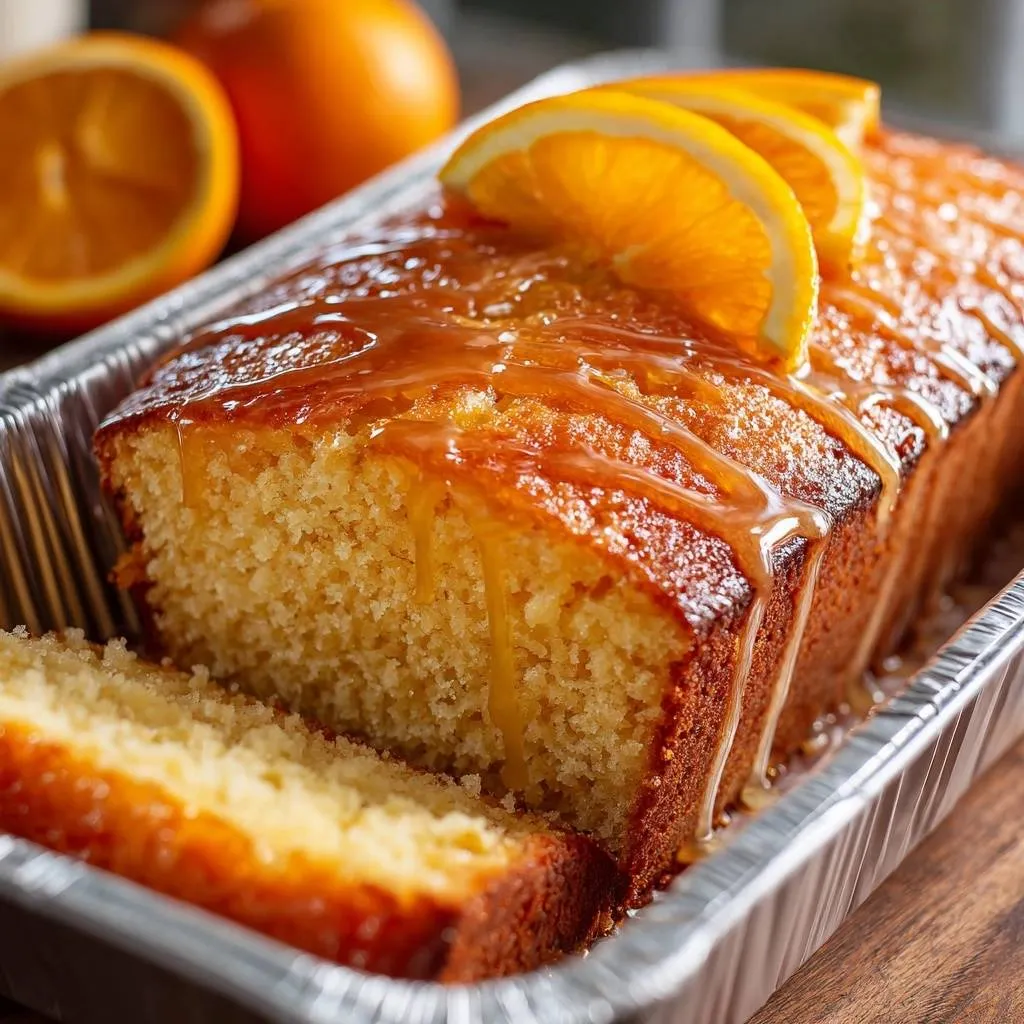
Why do so many orange cakes come out dry and disappointing? You’ve creamed the butter just right, but that crumb still crumbles. This glazed orange loaf cake fixes it with a hot-poke syrup soak that floods every bite with juicy citrus goodness.
Instead of a dry loaf, you get a tender crumb bursting with fresh orange zest and a glossy shine. It’s perfect for tea time or gifting, since it stays moist for days. You’ll crave that bright, sunny flavor that lingers.
For a similar rich experience, check out this moist chocolate bundt cake.
The secret lies in poking deep holes right after baking while the cake steams. Hot glaze seeps in through those channels, locking in moisture you can’t get any other way. Therefore, no more crumbly fails.
Key Ingredients for Moist Glazed Orange Loaf Cake
Fresh orange zest and juice deliver pure citrus oils for intense flavor. They beat extracts every time, since zest rubs off the bitter white pith. In addition, room-temperature eggs blend smoothly into the batter.
Softened unsalted butter creams with sugar to trap air for lift. However, cold butter won’t fluff up, and melted skips the emulsion. Milk adds hydration without heaviness, keeping the crumb tender.
Therefore, grab all-purpose flour for balanced structure. Baking powder reacts with the orange juice’s acidity for rise. Finally, the glaze’s sugar-to-juice ratio creates a syrupy soak that doesn’t crystallize.
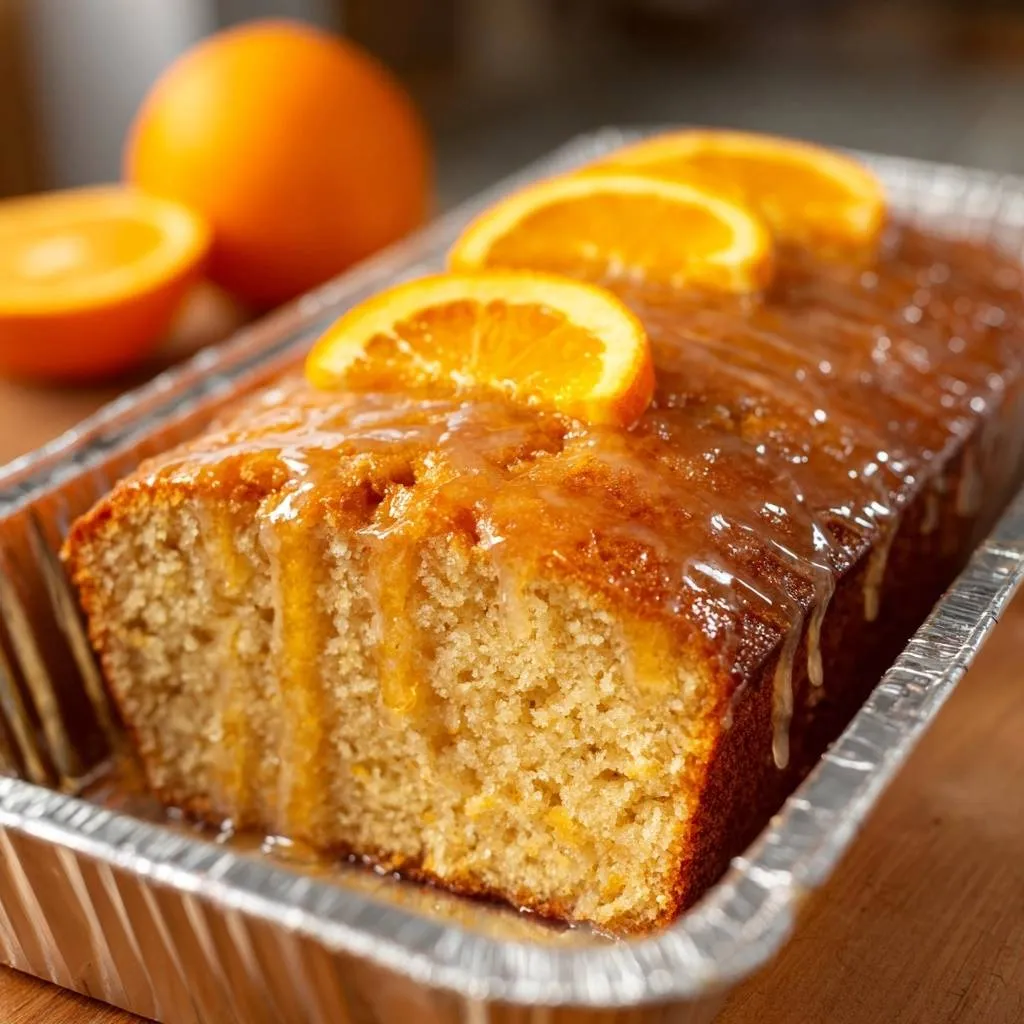
Flour, Leavening, and Salt Balance
All-purpose flour gives just enough protein for structure without chewiness. Cake flour makes it too soft and prone to collapse. Baking powder activates in the acidic juice, so you get reliable lift. Salt sharpens the citrus pop.
Butter, Sugar, Eggs, and Citrus Essentials
Cream butter and sugar for three minutes until pale and fluffy. This builds an emulsion that holds air bubbles. Add three eggs one by one for binding and richness. Zest releases oils for aroma, while juice and milk hydrate evenly.
Glaze Components for Deep Infusion
Granulated sugar dissolves in fresh orange juice over heat for a thin syrup. Zest amps up intensity. Hot application lets it flow deep, unlike cold drizzles that just sit on top.
Science of the Hot-Poke Glaze Technique
Hot cake straight from the oven has open pores from steam escape. Poking creates channels for glaze to travel via capillary action. Therefore, moisture migrates evenly, banishing dry edges forever.
Cold glazes pool on the surface and harden. However, this hot syrup inverts sugars and retains steam for a glossy, soaked crumb. Maillard browning on top adds golden contrast to the juicy interior.
Pro tip: Poke densely but not too close, about every inch. This maximizes absorption without weakening structure. You’ll smell the citrus bloom as it soaks in.
Why Poking Holes Maximizes Moisture
Deep skewer holes, spaced an inch apart, tap into baking voids. Glaze fills them fast before the cake sets. Surface pooling happens without pokes, so always go deep for even soak.
Hot Syrup vs Cold Drizzle Differences
Heat breaks down juice pectin for fluidity, letting syrup integrate into the crumb. As it cools, it forms a shiny shell. Cold versions stay shallow and dry out faster.
Essential Tools for Perfect Glazed Orange Loaf Cake
A 9×5-inch metal loaf pan bakes evenly thanks to quick conduction. Glass takes longer and risks soggy bottoms. Line with parchment overhang for easy lift-out. An electric mixer aerates batter properly; hand whisking falls flat.
Grab a wooden skewer for deep, clean holes. Toothpicks stay too shallow. Use a digital scale for flour accuracy, since cups pack differently. A thermometer confirms 200°F doneness over toothpick guesses.
Loaf Pan and Prep Liners
Metal pans heat fast for crisp edges. Grease and flour, but parchment prevents sticking best. Avoid sprays; they gum up over time.
Mixing and Poking Precision Tools
Stand mixer paddles cream evenly without overheating. Wooden skewers poke cleanly without batter tears. Beatters work if you go slow.
Step-by-Step Glazed Orange Loaf Cake Assembly
Preheat to 350°F and prep your pan. Whisk dry ingredients: 1 1/2 cups flour, 1 teaspoon baking powder, 1/4 teaspoon salt. Beat 1/2 cup softened butter with 1 cup sugar until fluffy, about three minutes. You’ll see it lighten and smell sweet.
Add three eggs one at a time, beating well. Mix in zest from two oranges. Alternate dry mix with 1/4 cup juice plus 1/4 cup milk, starting and ending with dry. Stir just until no streaks show; overmixing toughens it.
Bake 45 to 50 minutes until golden and toothpick-clean. Meanwhile, simmer glaze: 1/2 cup sugar, 1/4 cup juice, zest from one orange for two minutes. Poke 20 to 30 deep holes immediately. Pour hot glaze slowly; it bubbles and sinks in.
Cool in pan 30 minutes, then rack. The top sets glossy while inside stays soaked. Slice to reveal that perfect tender crumb.
Preheating and Pan Preparation Phase
Calibrate your oven; 25°F off ruins rise. Parchment overhang lets you lift cleanly. Grease sides lightly for grip.
Creaming Butter and Building Batter
Scrape bowl midway for even cream. Batter looks curdled after liquids, but folds smooth. Zest last to avoid clumping.
Baking, Poking, and Glaze Pour
Rotate at 25 minutes for even brown. Poke while hot steam rises. Pour in quadrants; watch it disappear.
Cooling and Final Rest
Pan cool sets the soak. Rack air-dries bottom. Wait one hour before slicing for clean cuts.
Avoiding Dryness in Glazed Orange Loaf Cake
Overbaking dries it out; hit 200°F internal. Overmixing builds gluten for toughness. Skimp on glaze, and edges crumble. Use fresh citrus, since stale lacks oils.
Foil tent after 30 minutes if browning fast. At altitude, add extra milk. Crumbly means too dry; gummy signals underbake.
Overmixing and Gluten Traps
Stop when flour vanishes; lumps are fine. Fold gently with spatula. Smooth batter spells tough cake.
Baking Time and Heat Mismatches
9×5 takes 45 to 50; smaller pans speed up. Thermometer trumps toothpick. Dark pans bake hotter.
For a different kind of spiced cake that also relies on careful mixing, check out the old-fashioned gingerbread cake.
Flavor Twists on Glazed Orange Loaf Cake
Swap blood oranges for tart zing; use same zest amounts. Add 1 teaspoon cardamom to dry mix for warm spice. Lemon juice in glaze hybridizes citrus punch.
More Orange Delights
Enjoy more citrus-infused treats with these complementary recipes.
- For another citrus flavor experience, bake these zesty orange muffins, perfect for a bright start to your day.
- If you’re craving something comforting and sweet, try these fluffy diner-style pancakes, which pair well with the simple sweetness of the orange loaf.
Fold in 1/4 cup poppyseeds with dry for crunch. Almond extract, 1/2 teaspoon, boosts nuttiness. For vegan, swap eggs with flax and use plant milk.
Citrus Swaps and Spice Additions
Lime needs 1.5x zest for punch. Grate 1 teaspoon fresh ginger into batter. Balances sweetness perfectly.
Add-Ins for Texture Variety
Toss 1/3 cup chopped nuts with flour to prevent sinking. Hydrate dried cranberries in juice first. Fold late.
Storage and Make-Ahead for Glazed Orange Loaf Cake
The syrup seals it airtight on counter for three days. Fridge five days; microwave slices to revive moisture. Freeze unglazed up to two months.
Double-wrap in foil and plastic. Thaw overnight, then re-glaze. Scale batter x2 for two loaves; bake same time.
Freezing Whole vs Sliced Portions
Whole freezes best; glaze after thaw. Slices wrap individually. Foil twice stops freezer burn.
Pairing Ideas with Glazed Orange Loaf Cake
Earl Grey tea cuts the sweetness with bergamot. Espresso contrasts bold. Stack with yogurt and berries for parfait.
Ice cream turns slices into sandwiches. Add to cheese boards for citrus lift. Brunch with nuts and fresh fruit shines.
Frequently Asked Questions About Glazed Orange Loaf Cake
Substituting Butter or Dairy
Use 1/3 cup neutral oil for butter; it bakes softer but less fluffy. Swap milk for almond or oat, add lemon juice for acidity match. Keeps moisture high.
Gluten-Free and Pan Size Adjustments
Blend 1 1/4 cups gluten-free 1:1 flour with 1/4 cup almond flour, add 1/2 teaspoon xanthan. Bake 10 minutes longer. 8×4 pan needs 35 to 40 minutes.
Glaze Troubleshooting and Storage
Crystallized? Reheat gently with water splash. Room temp serves best; fridge dries it. Airtight keeps three days moist.
Scaling and Yield Questions
Double for two loaves; don’t crowd oven. Yields 10 slices per loaf. Minis bake 25 minutes in six tins.
Flavor Boost and Allergen Swaps
1/2 teaspoon orange extract doubles punch if zest skimpy. Vegan: three flax eggs (1 tbsp flax + 3 tbsp water). Aquafaba whips like whites.
How do I store leftovers and can it freeze?
Store airtight at room temp for three days; the glaze keeps it moist. Fridge up to five days, warm slices gently. Freeze unglazed whole loaf up to two months, double-wrapped in foil and plastic. Thaw overnight, poke, and re-glaze for fresh taste.
Why did my cake turn out dry?
Common culprits: overbaking past 200°F internal or skipping full glaze pour. Overmixing develops gluten toughness too. Always poke hot and soak completely; test doneness with thermometer, not just toothpick.
What can I substitute for orange juice or eggs?
No fresh juice? Mix 1/4 cup water with 1 tablespoon lemon juice and zest double. Eggs out: three flax eggs (3 tbsp flax + 9 tbsp water, rest 10 min). Yogurt for milk adds extra tenderness, 1/4 cup plain.
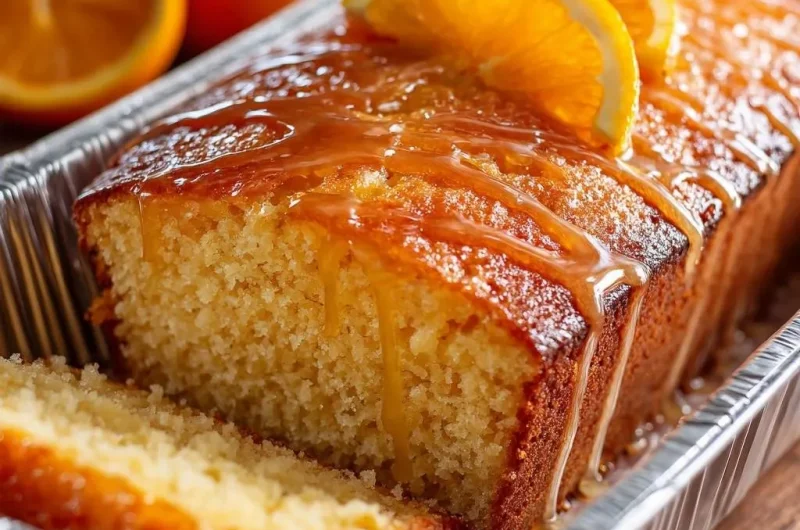
Orange Loaf Cake
Course: DessertCuisine: AmericanDifficulty: medium1
loaf (10-12 slices)15
minutes50
minutes320
kcal60
MinutesSick of orange cakes that turn out dry and crumbly? This foolproof recipe locks in moisture with a hot-poke syrup soak that infuses every bite with juicy citrus flavor. Perfect tender crumb, guaranteed.
Ingredients
Cake:
1 1/2 cups all-purpose flour
1 teaspoon baking powder
1/4 teaspoon salt
1 cup granulated sugar
1/2 cup unsalted butter, softened
3 large eggs
Zest of 2 oranges
1/4 cup fresh orange juice
1/4 cup milk
Orange Glaze:
1/2 cup granulated sugar
1/4 cup fresh orange juice
Zest of 1 orange
Directions
- Preheat oven to 350 degrees F. Grease and flour a 9×5-inch loaf pan or line with parchment.
- Whisk flour, baking powder, and salt in a bowl. Set aside.
- In a large bowl, beat butter and sugar with an electric mixer until pale and fluffy, about 3 minutes. This creams in air for lightness.
- Add eggs one at a time, beating well after each. Mix in orange zest.
- Alternately add dry ingredients and orange juice/milk mixture (starting and ending with dry) on low speed. Stir just until combined, no overmixing to keep it tender.
- Pour batter into pan. Bake 45 to 50 minutes until a toothpick comes out clean and top is golden.
- While cake bakes, make glaze: In a small saucepan, heat sugar, orange juice, and zest over medium until sugar dissolves and it simmers 2 minutes. Remove from heat.
- The dryness fix: As soon as cake is out of oven, poke 20 to 30 deep holes all over top with a skewer or toothpick. This creates channels for maximum soak. Slowly pour warm glaze evenly over hot cake, letting it absorb fully into holes. It will seem like a lot, but thats the moisture lock-in secret, turning dry risk into soaked perfection. Cool in pan 30 minutes, then on rack.
- Slice and serve. Stores airtight 3 days, stays moist thanks to the soak. Garnish with orange slices if desired.
Notes
- Poke 20-30 deep holes in the hot cake to allow the warm glaze to fully absorb and lock in moisture. Stores airtight for 3 days and stays moist.