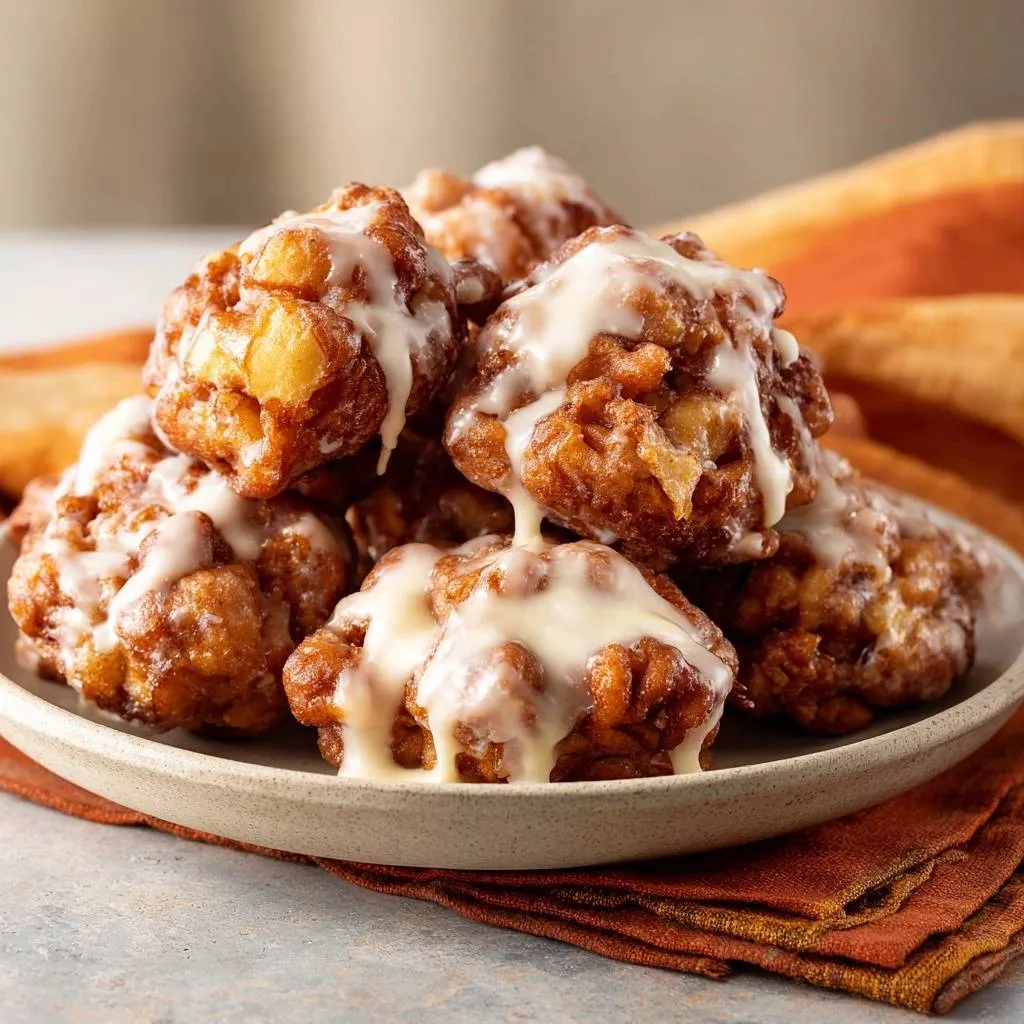
Why Glazed Pineapple Fritters Transform Snacks
Nothing ruins a fritter faster than soggy, juice-soaked pineapple turning the whole batch into a mushy mess. You’ve probably bitten into one that collapses under your teeth, right? This recipe fixes that frustration with a simple draining, drying, and flour-coating trick that delivers crisp outsides and tender, tropical bites every time.
Therefore, these glazed pineapple fritters stand out because they stay crunchy even after glazing. In addition, the quick fry under 30 minutes means you get snack perfection without the hassle. Plus, that cinnamon batter and vanilla glaze create a flavor explosion that hits all the right sweet spots.
For a similar crispness, explore these glazed apple fritters.
The real secret? That flour barrier on the pineapple chunks absorbs stray moisture. It prevents juice from bleeding into the batter during frying. Oh man, the first bite always makes me crave seconds.
For a similar moisture-absorbing trick, check out these crispy peach fritters.
Key Ingredients for Perfect Glazed Pineapple Fritters
Canned pineapple chunks bring controlled moisture once drained, unlike fresh which can overwhelm the batter. Therefore, they ensure consistent texture for 20-24 fritters. In addition, all-purpose flour builds structure, while baking powder gives lift for airy results.
Sugar boosts caramelization during frying, and cinnamon adds warm spice that pairs perfectly with pineapple’s tang. Meanwhile, eggs and milk bind everything for tenderness, and vanilla deepens the aroma. For the glaze, powdered sugar and milk create a silky drizzle that sets just right.
Fresh beats pre-packaged every time for vanilla extract, too. However, if you’re short on milk, a splash of plant-based works fine. Precision matters, so measure flour by spooning into the cup, not scooping.
Choosing and Prepping Pineapple Chunks
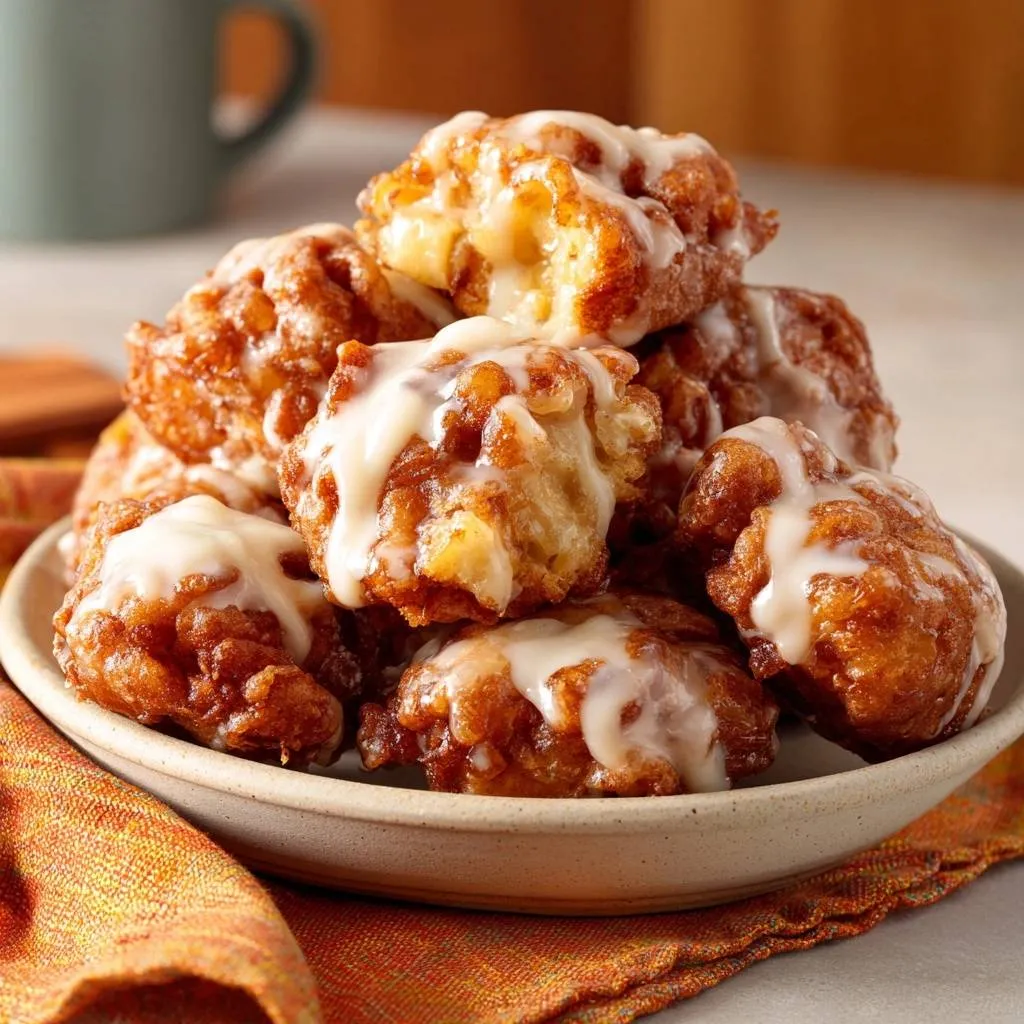
Always start with canned pineapple chunks for even size and less juice than fresh. Drain them in a colander for 10 full minutes, then pat dry with paper towels on both sides. This step removes excess liquid that causes sogginess.
Store drained chunks in the fridge up to a day if needed. Skip this, and your fritters steam instead of fry. Therefore, you’ll love the firm, crisp results.
Batter Essentials: Dry and Wet Components
All-purpose flour’s gluten crisps up nicely in hot oil. Baking powder creates bubbles for lightness, while sugar helps brown the edges beautifully. Salt sharpens flavors, and cinnamon warms the whole batter.
Beat eggs, milk, and vanilla until airy, then mix minimally with dries. This keeps the batter tender. Lumps? They’re your friend for soft insides.
Science of Crispy Glazed Pineapple Fritters
Moisture from pineapple migrates into the batter, making fritters soggy unless you intervene. The flour coating acts as a barrier, absorbing juice so the batter stays dry. Frying at 350F triggers the Maillard reaction for that golden crust without overcooking the fruit.
In addition, starch in the flour gelatinizes during the hot oil bath, locking in tenderness. The glaze sets as warm milk dissolves the powdered sugar into a shiny coat. It’s simple science, but it transforms every batch.
Think of the coating like a raincoat on the pineapple. It keeps the inside juicy but the outside crisp. No more disappointments.
Moisture Control: Draining and Coating Method
The flour toss creates a hydrophobic shield that stops juice bleed. Coated chunks fry up crisp, while uncoated ones turn gummy fast. Therefore, always coat evenly for pro-level results.
You’ll see the difference immediately after draining. Dry pineapple means happy fritters.
Oil Temperature Precision for Fritter Crisp
350F is key: too low, and they steam greasy; too high, they burn outside while raw inside. A candy thermometer ensures accuracy every time. In addition, it helps batter stick for even cooking.
Test by dropping a bit of batter, it should sizzle right away. Precision pays off in crunch.
Equipment Choices for Glazed Pineapple Fritters
A deep pot holds 2 inches of oil steadily, unlike a skillet that splatters. Grab a candy thermometer for spot-on 350F reads. Then, use a wire rack over a baking sheet to let steam escape and keep fritters crisp.
Slotted spoon lifts them gently without breaking. For safety, never fill oil over halfway. Budget thermometers work great, and an air fryer adapts if you skip deep frying.
Therefore, these tools make home frying foolproof. You’ll feel like a pro.
Step-by-Step: Mastering Glazed Pineapple Fritters
Active time clocks in at 30 minutes for 20-24 fritters. Follow these phases closely, and you’ll nail the crisp texture. Small batches prevent oil temp drops, so don’t overcrowd.
Phase 1: Drain and Dry Pineapple Thoroughly
Dump chunks in a colander for 10 minutes, shaking occasionally. Pat dry firmly with paper towels until no moisture clings. Skip this, and sogginess ruins everything.
They should feel tacky, not wet. This sets up success.
Phase 2: Flour-Coat for Crisp Barrier
Toss dried pineapple in 2 tablespoons flour until evenly coated. Shake off excess to avoid clumps. This barrier delivers the no-soggy magic.
Even coverage means every fritter shines.
Phase 3: Mix Batter and Fold Pineapple
Whisk dry ingredients in one bowl, beat wet in another. Combine just until mixed, lumps are good for tenderness. Gently fold in coated pineapple to keep chunks intact.
Overmixing toughens it, so stop early. The batter smells amazing already.
Phase 4: Fry to Golden Perfection
Heat 2 inches oil to 350F, drop tablespoons of batter 4-5 at a time. Fry 2-3 minutes per side until deep golden, flipping with a slotted spoon. Drain on wire rack immediately.
Listen for steady sizzles. Hot oil transforms them perfectly.
Phase 5: Glaze Warm Fritters
Whisk powdered sugar, milk, and vanilla to a drizzle consistency. Spoon over warm fritters for even shine. Serve right away for max crunch.
If storing briefly, glaze just before eating.
Avoiding Pitfalls in Glazed Pineapple Fritters
Skipping the drain leads to mush, wrong oil temp makes them greasy, and overmixing toughens batter. Delayed glazing softens the crisp, too. Fix by following moisture steps religiously.
Don’t let batter rest long, it deflates. Reuse oil once strained, but toss after. These tweaks save every batch.
Humidity can sneak in moisture, so pat dry extra on damp days. Pro tip: Fry in a cool kitchen for best results.
Soggy Results: Top Moisture Fixes
Double down on draining and coating, then rack-dry post-fry. High humidity? Use a fan. Therefore, fritters stay crisp longer.
No more wet disappointments.
Batter Issues: Texture Troubleshooting
Overmixed batter turns chewy from excess gluten. Signs include stringy texture. Stick to minimal stirring, and avoid milk subs like water that thin it out.
Lumps mean light fritters.
Flavor Twists on Glazed Pineapple Fritters
Add coconut flakes to batter for tropical vibe, or swap cinnamon for cardamom. Zest lime into the glaze for tang. Chocolate drizzle works as a fun alt, too.
For gluten-free, use a 1:1 blend. Vegan? Flax eggs and almond milk shine. Spice it up gradually to suit your crowd.
Portion small for snacks, bigger for dessert. Endless fun here.
Tropical Boosts and Spice Swaps
Try mango chunks instead, or grate in ginger for zing. Lemon or orange glazes brighten it further. These keep the crisp while amping flavor.
Mix and match freely.
Healthier Glazed Pineapple Fritter Adaptations
Air fry at 375F with oil spray for less fat. Cut sugar by a tablespoon, or swap half flour for whole wheat. Each fritter clocks around 150 calories this way.
Still indulgent, but lighter.
Pairing Ideas for Glazed Pineapple Fritters
These shine as dessert with hot coffee or tea. Dip in yogurt for a snack, or add to brunch oats. Coconut ice cream amps the tropical theme.
For parties, load a luau board. Pineapple smoothies or herbal iced teas pair perfectly. Guests always grab seconds.
Sweet Companions
Round out your meal with these other sweet treats.
- For a breakfast treat that offers a crisp foundation, consider these cinnamon sugar waffles.
- If you enjoy the sticky sweetness of glazed baked goods, you’ll want to try these glazed pecan cinnamon rolls.
Versatile for any occasion.
Glazed Pineapple Fritters FAQs
Can I Use Fresh Pineapple for Fritters?
Yes, fresh pineapple works, but its brighter flavor comes with more juice risk. Chop into chunks, then drain and dry twice as long, about 20 minutes total. Pat extra thoroughly and flour-coat generously. The result stays crisp if you commit to prep, though canned is more foolproof for beginners. Taste the difference in vibrancy.
How to Store Leftover Glazed Pineapple Fritters?
Keep unglazed fritters in an airtight container at room temp for 1 day max, or fridge up to 3 days. Re-crisp in a 350F oven for 5 minutes. Freeze unglazed on a tray first, then bag for 1 month; thaw and reheat same way. Glaze fresh to avoid sogginess. They hold texture well this way.
Why Are My Fritters Soggy After Frying?
Sogginess usually hits from undrained pineapple or oil below 350F, causing steaming instead of frying. Check your drain and dry steps, and use a thermometer religiously. Post-fry, rack-dry fully before glazing. If kitchen humidity’s high, pat pineapple again right before coating. These fixes deliver crunch every time.
Air Fryer Version of Glazed Pineapple Fritters?
Preheat air fryer to 375F, spray basket with oil. Drop batter tablespoons, spray tops lightly, and cook 8-10 minutes, flipping halfway. They crisp up nicely with less oil, though not as deeply golden as fried. Glaze warm as usual. Great for smaller batches, yields similar tenderness inside.
Scaling Glazed Pineapple Fritters for Parties?
Double or triple the batter easily, it scales 1:1. Prep all pineapple ahead, then set up a fry station with hot oil ready. Fry in shifts of 4-5, keeping warm in a 200F oven on a rack. Plan 30 minutes active per batch; makes 40-70 for crowds. Guests rave at brunches or luaus.
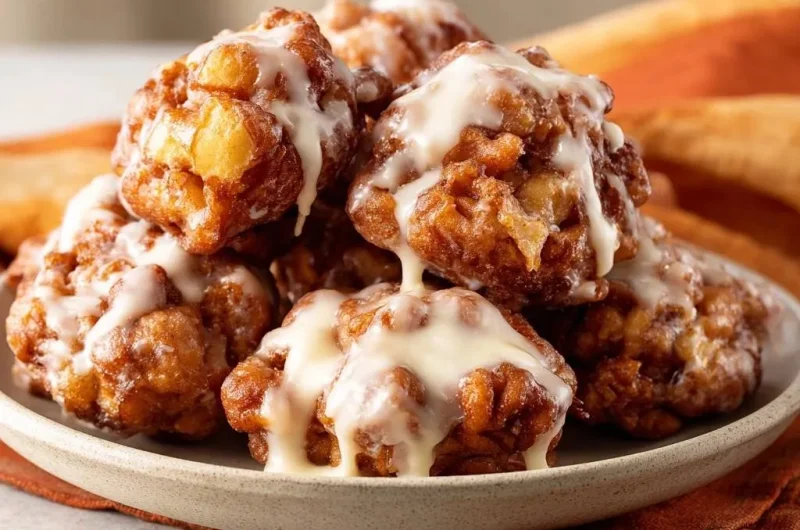
Pineapple Fritters
Course: DessertCuisine: AmericanDifficulty: easy20
fritters20
minutes20
minutes40
kcal40
MinutesSick of fruit fritters that turn mushy from juicy pineapple? This recipe’s game-changing trick—draining, drying, and flour-coating the chunks—locks in crisp outsides and tender insides every time.
Ingredients
1 cup canned pineapple chunks, drained
1 1/2 cups all-purpose flour
1/4 cup granulated sugar
2 teaspoons baking powder
1/2 teaspoon salt
1/2 teaspoon ground cinnamon
2 large eggs
1/2 cup milk
1 teaspoon vanilla extract
Vegetable oil for frying
For the glaze:
2 cups powdered sugar
3-4 tablespoons milk
1/2 teaspoon vanilla extract
Directions
- Drain pineapple chunks thoroughly in a colander for 10 minutes, then pat completely dry with paper towels. This removes excess juice that causes sogginess.
- Toss dried pineapple in 2 tablespoons flour to coat evenly. This absorbs any remaining moisture and creates a barrier for ultra-crispy results—our no-soggy secret!
- In a bowl, whisk flour, sugar, baking powder, salt, and cinnamon. In another bowl, beat eggs, milk, and vanilla. Combine wet and dry ingredients until just mixed (lumps okay for tender texture). Gently fold in coated pineapple.
- Heat 2 inches of vegetable oil in a deep pot to 350F (use a thermometer for precision). Drop batter by tablespoons into hot oil, frying 4-5 at a time to avoid temperature drop. Fry 2-3 minutes per side until deep golden. Drain on a wire rack over a baking sheet.
- Whisk glaze ingredients until smooth. Drizzle over warm fritters. Serve immediately for peak crispiness. Enjoy fritters that stay perfect, never soggy!
Notes
- Drain pineapple thoroughly and pat dry to avoid sogginess. Fry in small batches to maintain oil temperature for crispiness. Serve warm for best texture.