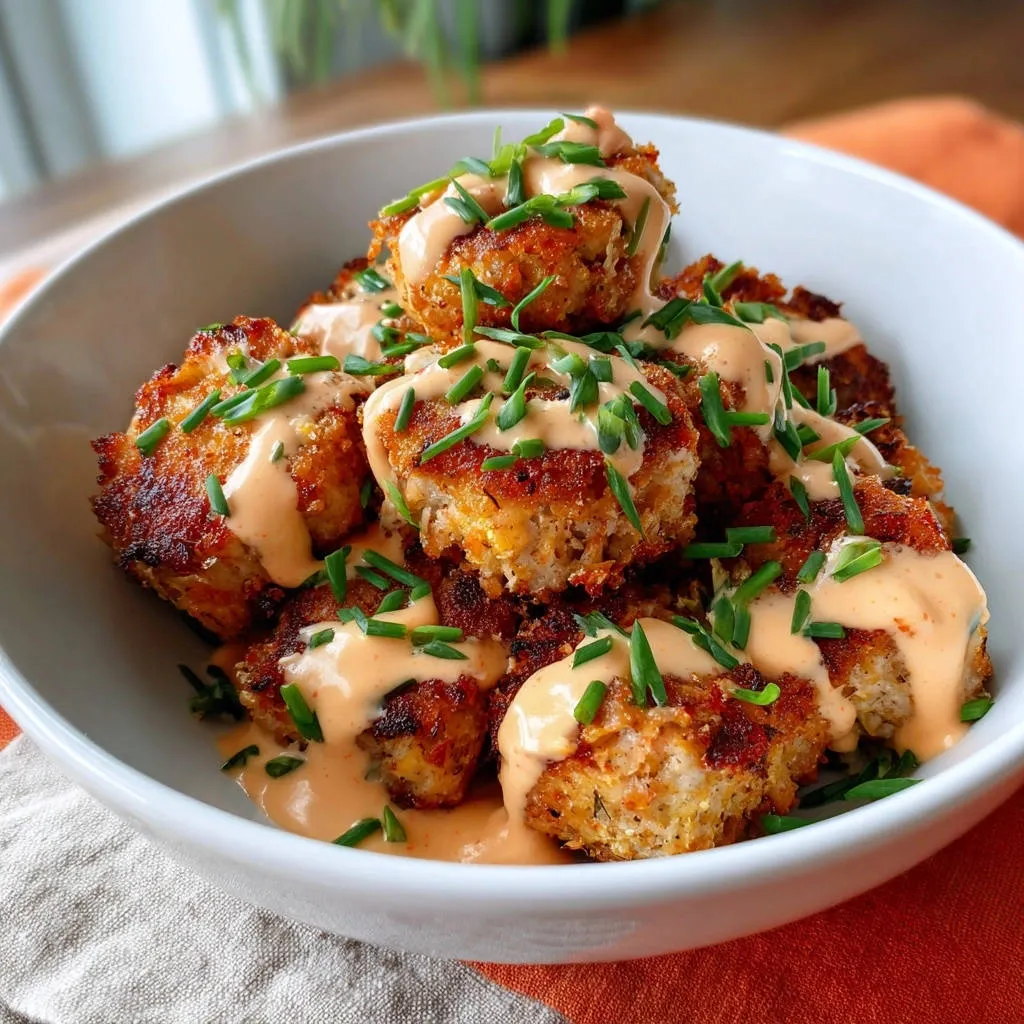
My journey to the perfect Golden Pan-Fried Seafood Cakes was riddled with frustrating collapses and soggy bottoms. I finally cracked the code to those beautifully golden, perfectly intact seafood delights, and I’m thrilled to share a recipe that guarantees success.
This method ensures every batch emerges from the pan with an irresistible crispy crust, holding its shape flawlessly, and bursting with zesty flavor. Prepare to transform your seafood experience!
The Secret to Perfectly Intact Golden Pan-Fried Seafood Cakes
Crafting seafood cakes that are both delicate in flavor and robust enough to pan-fry without incident is an art. This recipe provides the foundational techniques to master that balance.
Say Goodbye to Crumbly Cakes: Our Stability Promise
The frustration of a seafood cake falling apart in the skillet is universal. Our recipe focuses on precise binding ratios and a critical chilling step that locks everything into place, ensuring your seafood patties stay perfectly formed.
Irresistibly Golden-Brown: Achieving the Perfect Crust
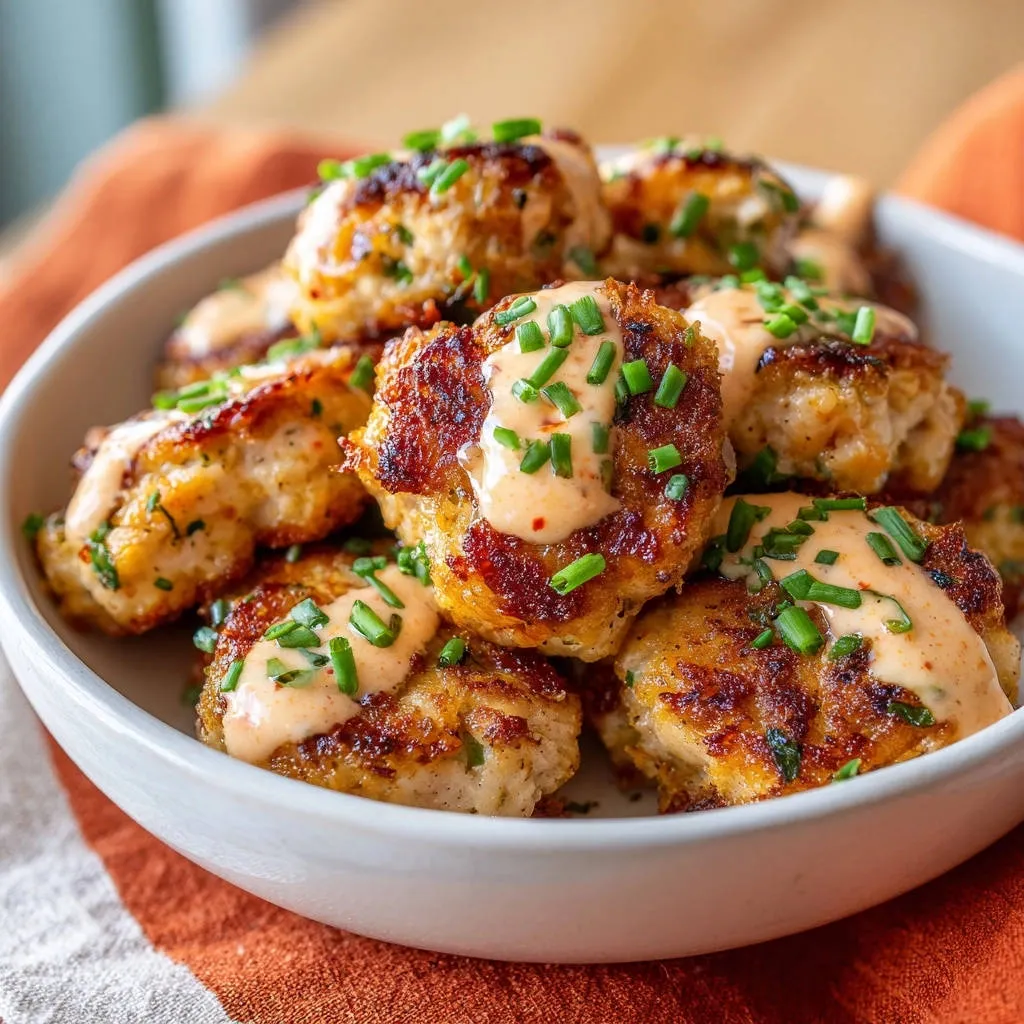
A truly exceptional seafood cake boasts a beautiful, golden-brown crust. We achieve this through a careful application of panko breadcrumbs and controlled pan-frying, delivering that satisfying crunch with every bite.
Flavor-Packed: A Zesty Kick in Every Bite
Beyond texture, these pan-fried cakes are bursting with classic seafood flavors, brightened by fresh chives and a perfectly balanced blend of seasonings. The homemade zesty sriracha aioli adds a vibrant, creamy counterpoint that elevates the entire dish.
Gathering Your Ingredients: What You’ll Need for Flavorful Seafood Cakes
Selecting quality ingredients is the first step towards a truly exceptional dish. Our choices here ensure both the structure and the vibrant taste of your crispy seafood cakes.
The Heart of the Dish: Choosing Your Seafood Base
For the primary component, one pound of cooked, flaked white fish like cod or tilapia provides a delicate texture. Alternatively, imitation crab meat offers a sweet, readily available option that still delivers great results.
Crafting the Perfect Texture: Binders and Body
Panko breadcrumbs are essential, used both internally for structure and as a coating for crispness. Mayonnaise adds crucial moisture and acts as a binder, while a lightly beaten large egg ensures the mixture holds together beautifully.
Seasonings and Aromatics: Igniting the Flavor
Old Bay seasoning is non-negotiable for that authentic, beloved seafood flavor. Garlic powder enhances savory notes, and finely minced fresh chives bring a bright, oniony freshness that lifts the entire dish. Salt and black pepper are adjusted to taste, ensuring perfect balance.
The Essential Companion: Zesty Sriracha Aioli Ingredients
This simple yet impactful aioli uses mayonnaise as its creamy base. Sriracha provides a customizable level of heat and a hint of tang, while fresh lemon juice adds a vital burst of brightness to cut through the richness of the seafood cakes.
Setting Up Your Kitchen: Essential Tools for Seafood Cake Success
Having the right tools ready makes the cooking process smooth and enjoyable. You won’t need anything fancy for these seafood patties.
Large Mixing Bowl: Essential for combining all your ingredients thoroughly and mess-free.
Non-Stick Skillet: Crucial for achieving that golden crust without the cakes sticking, ensuring easy flipping.
Whisk: Perfect for effortlessly preparing your smooth and creamy zesty aioli.
Spatula or Fish Spatula: Ideal for carefully flipping the delicate seafood cakes during frying without breaking them apart.
Mastering the Method: How to Make Golden Pan-Fried Seafood Cakes
Each step in this recipe is designed to build flavor and ensure structural integrity, leading to perfect Golden Pan-Fried Seafood Cakes every time.
- Prepare Your Seafood Base:
In a large bowl, gently flake your cooked fish or imitation crab with a fork. Aim for small, even pieces; avoid any large clumps to ensure a uniform texture throughout your fish cakes.
- Combine Main Ingredients:
To the bowl, add the 1/2 cup panko breadcrumbs, 1/4 cup mayonnaise, the lightly beaten egg, 1 tablespoon minced chives, Old Bay seasoning, garlic powder, salt, and pepper. These ingredients will bind and flavor your seafood cakes.
- The No-Crumble Secret: Gentle Mixing:
This is the key to preventing crumbling. Using your hands, gently mix all ingredients until they are just combined. Be careful not to overmix, as this can compress the seafood and make the cakes tough.
The mixture should feel cohesive and hold together when pressed. If it seems too wet or loose, add another tablespoon or two of panko breadcrumbs until it reaches the right consistency.
- Forming Uniform Patties:
Divide the mixture into 8-10 equal portions and gently form them into uniform patties, each about 1-inch thick. Consistency in size ensures even cooking.
- Coating for Extra Crispness:
Place the formed patties on a plate lined with a little more panko breadcrumbs. Gently press each side to coat thoroughly with the additional breadcrumbs; this layer contributes significantly to the irresistible crispy exterior.
- Crucial Chilling for Stability:
Cover the plate with plastic wrap and refrigerate the patties for at least 30 minutes. This chilling time is absolutely critical as it allows the binders to firm up, preventing the cakes from falling apart during cooking.
- Whip Up the Zesty Aioli:
While your patties are chilling, prepare the zesty aioli. In a small bowl, whisk together 1/2 cup mayonnaise, sriracha, and lemon juice until completely smooth and well combined. Set this flavorful accompaniment aside until serving.
- Preheat and Prepare Your Pan:
Heat the 2 tablespoons of vegetable oil in a large non-stick skillet over medium heat. Wait until the oil is shimmering slightly before adding the patties; this indicates it’s hot enough for a proper sear.
- Pan-Frying to Golden Perfection:
Carefully place the chilled patties into the hot skillet, ensuring you don’t overcrowd the pan. Cook the pan-fried cakes for 4-5 minutes per side, or until they are deeply golden brown and thoroughly heated through. Cook in batches if necessary to maintain even temperature.
- Drain Excess Oil:
Once cooked, remove the Golden Pan-Fried Seafood Cakes from the skillet and place them on a paper towel-lined plate. This step helps to drain any excess oil, ensuring they remain perfectly crispy, not greasy.
- Serve Warm with Aioli and Garnish:
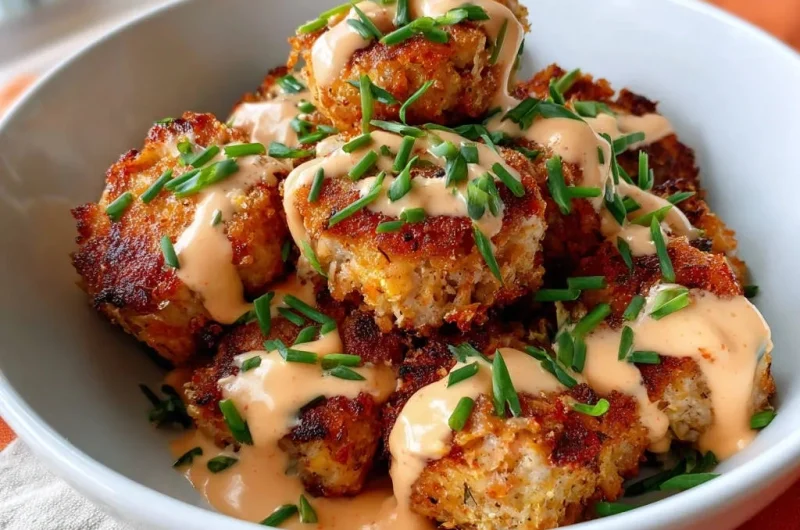
Serve your crispy seafood cakes warm. Drizzle them generously with the zesty aioli and add an extra sprinkle of fresh chives for an appealing presentation and added fresh flavor.
Chef’s Secrets: Elevating Your Golden Pan-Fried Seafood Cakes
These expert tips will ensure your Golden Pan-Fried Seafood Cakes are not just good, but truly unforgettable, demonstrating your expertise in the kitchen.
Don’t Overmix: The Key to Tender Texture
Overmixing develops the proteins in the seafood and binders, resulting in tough, rubbery cakes. A gentle hand and minimal mixing ensure your seafood cakes remain tender and flaky on the inside.
Why Chilling is Crucial for Perfectly Formed Cakes
The refrigeration step allows the egg and mayonnaise to bind effectively with the panko and seafood. This crucial chill firms up the patties, preventing them from breaking apart when they hit the hot oil.
Frying for that Irresistible Golden-Brown Perfection
Achieving a beautiful golden crust requires patience and the right heat. Medium heat allows the cakes to cook through evenly while developing a deep, golden color without burning.
Batch Cooking for Best Results and Even Browning
Crowding the pan lowers the oil temperature and steams the cakes instead of frying them. Cooking in batches ensures each cake gets proper contact with the hot oil, leading to superior crispness and even browning.
Customizing Your Zesty Aioli to Your Taste
Feel free to adjust the sriracha level in your aioli to match your spice preference. You can also experiment with a squeeze of lime juice for an extra citrus kick or a pinch of smoked paprika for depth.
Fixing Flounders: Common Seafood Cake Problems & Solutions
Even seasoned cooks encounter issues. Here are solutions to common problems when making Golden Pan-Fried Seafood Cakes.
“Why are my Golden Pan-Fried Seafood Cakes crumbling?”
This usually indicates insufficient binding or not enough chilling time. Ensure you mixed gently but thoroughly enough for the mixture to hold, and don’t skip the crucial 30-minute refrigeration.
Overcrowding the pan can also contribute; when cakes are too close, the oil temperature drops, and they tend to absorb more oil and fall apart rather than firm up.
“My cakes are soggy, not crispy!”
Lack of crispness often comes from not enough panko coating or the oil not being hot enough. Ensure a generous outer layer of panko and that your oil is shimmering before adding the patties.
Overcrowding can also lead to steaming instead of frying, resulting in a less-than-crispy exterior. Cook in smaller batches for optimal results.
“My Golden Pan-Fried Seafood Cakes taste bland.”
Blandness typically points to insufficient seasoning. Don’t be shy with the Old Bay, and make sure you’ve seasoned adequately with salt and pepper.
Fresh chives are key; ensure they are vibrant and finely minced for maximum aromatic impact. A squeeze of fresh lemon juice over the cooked cakes can also brighten flavors instantly.
Beyond the Plate: Creative Ways to Enjoy Your Seafood Cakes
These versatile Golden Pan-Fried Seafood Cakes can be enjoyed in many delicious ways, making them perfect for any occasion.
Serving Them as a Standalone Star
These cakes are substantial enough to be the main event for a light lunch or dinner, especially when served with a generous dollop of the zesty aioli. They also make an elegant appetizer for entertaining.
Mini Cakes for Your Next Gathering
Form smaller patties (about 1.5 inches in diameter) for delightful mini seafood cakes. They’re perfect finger foods for parties, brunches, or an upscale appetizer spread, still retaining that signature crispy exterior.
Building a Balanced Meal Around Them
Pair your seafood cakes with a fresh, vibrant green salad or a medley of roasted vegetables for a wholesome meal. For an even more satisfying complement, try serving them alongside some crispy roasted cauliflower.
Best Side Dishes to Complement Your Golden Pan-Fried Seafood Cakes
A simple lemon-dressed arugula salad, creamy coleslaw, or even some roasted asparagus makes an excellent accompaniment. For something a little different, consider serving them with perfectly crispy skillet potatoes and onions.
Plan Ahead: Storing and Enjoying Later
These Golden Pan-Fried Seafood Cakes are fantastic fresh, but with proper storage, you can enjoy them again or plan meals ahead.
Can You Make the Seafood Cake Mixture Ahead?
Absolutely! You can prepare the mixture and form the patties up to 24 hours in advance. Store them covered tightly with plastic wrap in the refrigerator, ready for their crucial chilling and subsequent frying.
Refrigerating Leftovers: Keeping Them Fresh
Store any leftover cooked seafood patties in an airtight container in the refrigerator for up to 2-3 days. This ensures they remain fresh and flavorful for your next meal.
Freezing for Long-Term Enjoyment
For longer storage, freeze the raw, uncoated patties on a parchment-lined baking sheet until solid. Transfer them to a freezer-safe bag or container, where they will keep well for up to 3 months.
To cook from frozen, thaw in the refrigerator overnight, then proceed with the panko coating and frying steps as usual. Cooked cakes can also be frozen and reheated.
Best Ways to Reheat Without Losing Crispness
To retain their crispy texture, reheat cooked seafood cakes in a preheated oven at 375°F (190°C) for 10-15 minutes, or until heated through and crisp. An air fryer is also an excellent option for achieving renewed crispness.
Your Top Questions About Golden Pan-Fried Seafood Cakes, Answered!
Here are answers to common inquiries about making these delicious Golden Pan-Fried Seafood Cakes.
“Can I use different types of fish or seafood?”
Yes, you can absolutely experiment with other cooked, flaked fish like salmon, shrimp, or even a mix of seafood. Just ensure it’s cooked and flaked well before mixing, adjusting moisture levels if needed.
“Is there a gluten-free option for the breadcrumbs?”
Definitely! You can substitute the panko breadcrumbs with a gluten-free version, or use crushed gluten-free crackers. Almond flour can also work as a binder, though it may alter the texture slightly.
“How can I make the zesty aioli less or more spicy?”
To adjust the spice level, simply increase or decrease the amount of sriracha according to your preference. For a milder version, you can reduce the sriracha or swap it for a touch of paprika. If you’d prefer a completely non-spicy but equally flavorful condiment, consider preparing a classic perfect creamy garlic dip as a base and adding lemon.
“Can I bake these Golden Pan-Fried Seafood Cakes instead of pan-frying?”
While pan-frying yields the crispiest result, you can bake them. Place the coated patties on a parchment-lined baking sheet and bake at 400°F (200°C) for 15-20 minutes, flipping halfway, until golden brown and heated through. They may be slightly less crispy, but still delicious.
Ready to Create Your Own Golden Pan-Fried Seafood Cakes Masterpiece?
Now that you’re equipped with all the secrets, tips, and troubleshooting advice, you’re ready to conquer the kitchen and create truly exceptional Golden Pan-Fried Seafood Cakes. Say goodbye to crumbles and hello to crispy, flavorful perfection!
Don’t hesitate to make this recipe your own, adjusting the spice, serving with your favorite sides, and savoring every golden bite. Share your culinary triumph with friends and family!
Seafood Cakes
Course: Main CourseCuisine: AmericanDifficulty: easy8
cakes20
minutes20
minutes240
kcal60
minutesDiscover the secret to making delicious Golden Pan-Fried Seafood Cakes that hold their shape and achieve a perfect golden crust. This recipe ensures beautifully intact and flavorful seafood cakes every time, served with a zesty sriracha aioli. Say goodbye to crumbling and hello to culinary success!
Ingredients
1 pound cooked flaked white fish (such as cod or tilapia) or imitation crab meat
1/2 cup panko breadcrumbs, plus more for coating
1/4 cup mayonnaise
1 large egg, lightly beaten
1 tablespoon finely minced fresh chives, plus more for garnish
1 teaspoon Old Bay seasoning (or similar seafood seasoning blend)
1/2 teaspoon garlic powder
Salt to taste
Black pepper to taste
2 tablespoons vegetable oil (or other neutral oil) for frying
For the Zesty Aioli:
1/2 cup mayonnaise
1 tablespoon sriracha (or other hot sauce), adjust to taste
1 teaspoon fresh lemon juice
Directions
- In a large bowl, gently flake the cooked fish (or imitation crab) with a fork, ensuring there are no large clumps.
- Add 1/2 cup panko breadcrumbs, 1/4 cup mayonnaise, the beaten egg, 1 tablespoon minced chives, Old Bay seasoning, garlic powder, salt, and pepper to the bowl.
- This is the key to preventing them from falling apart: Using your hands, gently mix all ingredients until just combined. Be careful not to overmix, as this can make the cakes tough. The mixture should hold together when pressed. If it feels too wet, add another tablespoon or two of panko breadcrumbs.
- Form the mixture into 8-10 uniform patties, about 1-inch thick.
- Place the formed patties on a plate lined with a little more panko breadcrumbs. Gently press to coat both sides with the additional breadcrumbs.
- The crucial step for stability: Cover the plate with plastic wrap and refrigerate the patties for at least 30 minutes. This chilling time helps them firm up and hold their shape during cooking.
- While the patties are chilling, prepare the zesty aioli: In a small bowl, whisk together 1/2 cup mayonnaise, sriracha, and lemon juice until smooth. Set aside.
- Heat the vegetable oil in a large non-stick skillet over medium heat. Once the oil is shimmering, carefully place the chilled patties into the skillet, ensuring not to overcrowd the pan. Cook in batches if necessary.
- Cook for 4-5 minutes per side, or until deeply golden brown and heated through.
- Remove the cooked seafood cakes from the skillet and place them on a paper towel-lined plate to drain any excess oil.
- Serve the golden pan-fried seafood cakes warm, drizzled generously with the zesty aioli and garnished with extra fresh chives.
Notes
- Chilling patties for at least 30 minutes is crucial for stability during cooking.