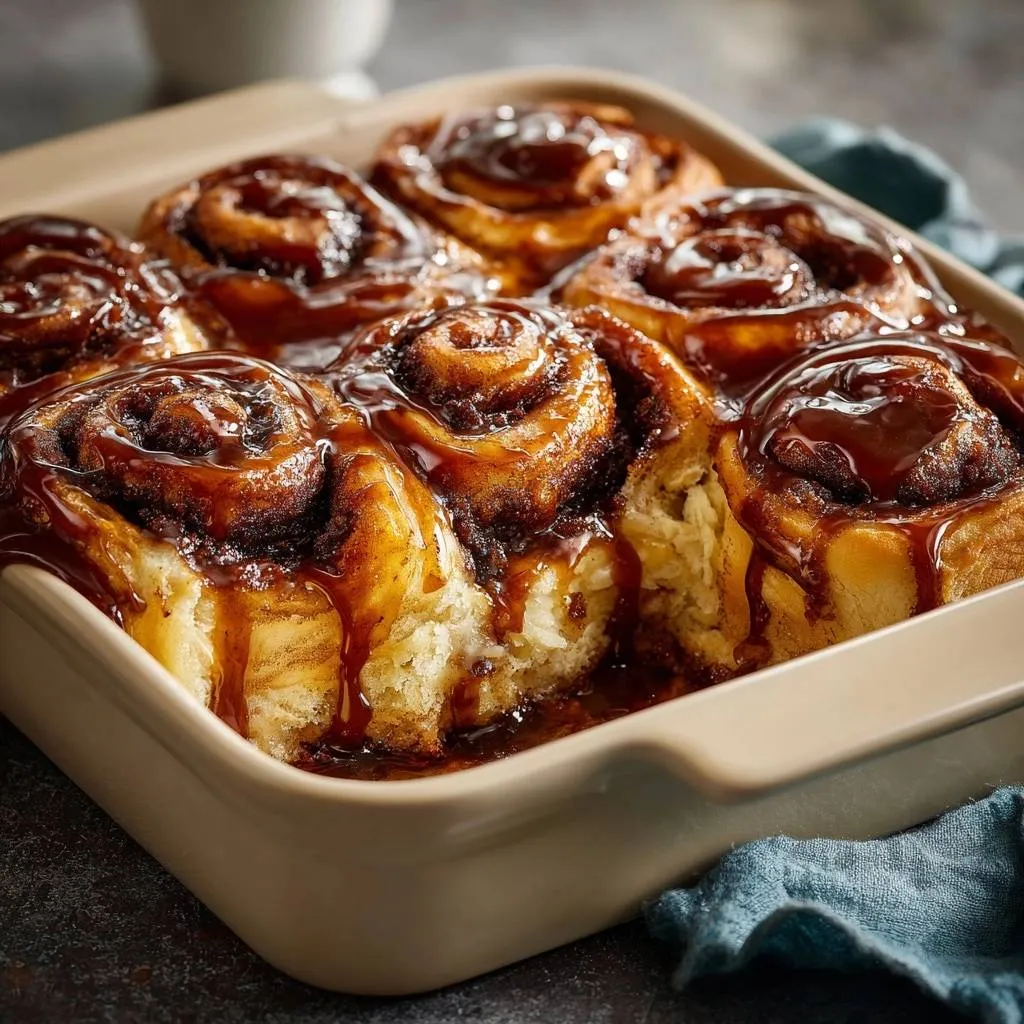
Picture this: you pull cinnamon rolls from the oven, and instead of dry, tough disappointment, they ooze with caramel that soaks right in for pull-apart softness. That’s the magic of gooey caramel cinnamon rolls done right. No more hockey pucks pretending to be breakfast.
Most recipes fail because they slap on cold icing after the rolls cool, leaving the inside dry. However, this hot caramel soak technique changes everything. You pour the warm glaze immediately after baking, so it steams into the dough and locks in moisture forever.
Therefore, the secret lies in underbaking just a touch, until centers feel soft, then hitting them with that hot glaze. It creates ultra-gooey caramel cinnamon rolls that taste like a bakery dream. You’ll wonder why you ever settled for less.
For a similar spiced sweetness, consider old-fashioned gingerbread cake.
Why Gooey Caramel Cinnamon Rolls Transform Breakfast
Store-bought gooey caramel cinnamon rolls can’t touch homemade ones. They lack that fresh, warm pull-apart texture and the intoxicating cinnamon aroma that fills your kitchen. Plus, you control every swirl for perfect sweetness.
In addition, these rolls deliver soft, hydrated layers instead of tough bites. The caramel glaze seeps deep, making each bite gooey bliss. Imagine starting your day with that versus a stale vending machine pastry.
Furthermore, baking gooey caramel cinnamon rolls brings pure joy. You customize the filling, and the process feels rewarding. Nothing beats fresh gooey caramel cinnamon rolls straight from your oven.
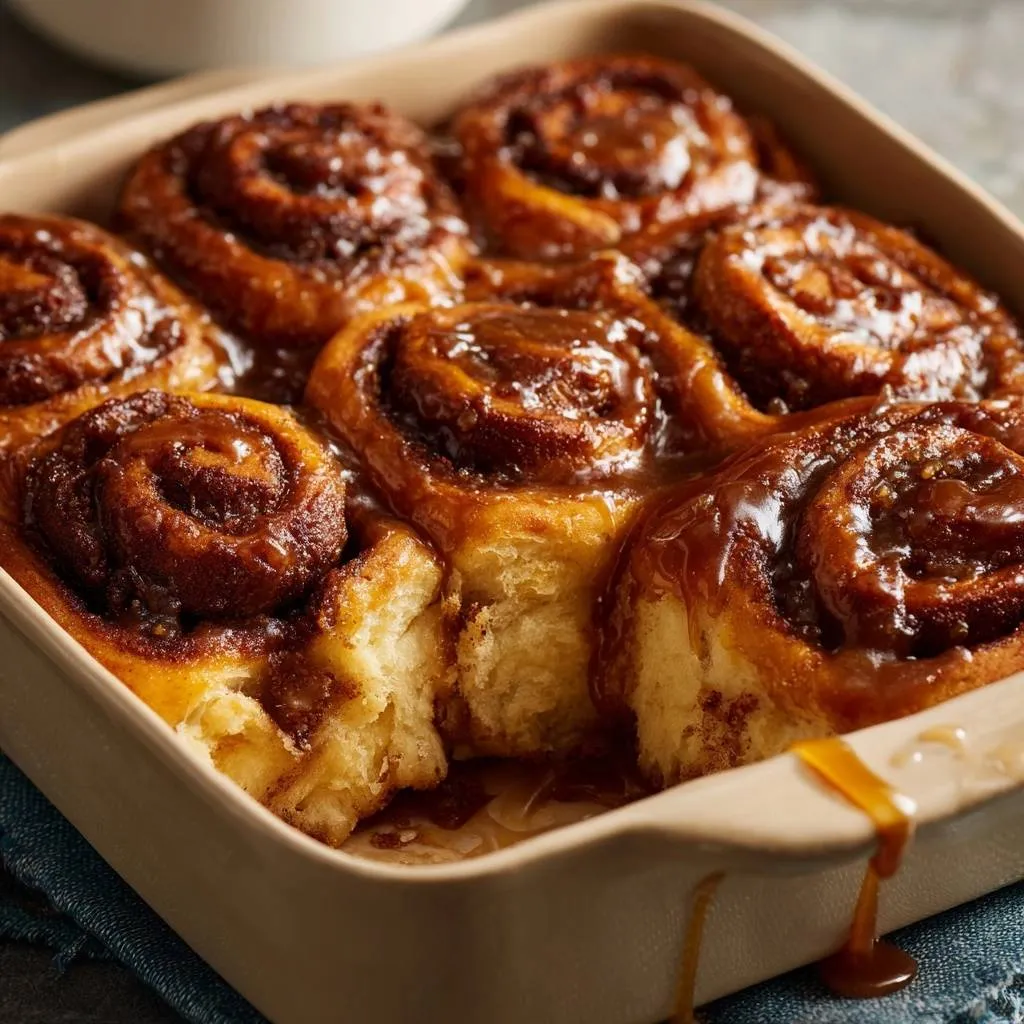
Dough Ingredients for Soft Gooey Caramel Cinnamon Rolls
Activating Yeast with Warm Milk Precision
Start with 2 1/4 teaspoons active dry yeast dissolved in 1 cup warm milk at exactly 110°F. This temperature wakes the yeast without killing it; too hot scalds it, too cold leaves it dormant. Wait 5 minutes for foam, proving it’s alive and ready.
However, if no foam appears, your yeast’s expired. In addition, instant yeast skips this step, but active dry builds better flavor here. Precision ensures your gooey caramel cinnamon rolls rise tall and soft.
Balancing Sugar, Butter, Egg, and Salt Ratios
Mix in 1/2 cup granulated sugar to feed the yeast and promote browning. Then add 1/3 cup melted unsalted butter for tenderness; it coats flour proteins to keep dough soft. The large egg brings richness and structure.
Salt, at 1 teaspoon, sharpens flavors without toughening gluten. Therefore, these ratios create a supple base for gooey caramel cinnamon rolls that stay moist. Don’t skip or swap carelessly.
Choosing and Measuring All-Purpose Flour
Use 4 cups all-purpose flour; bread flour’s extra protein makes chewy rolls, not soft ones. Add it cup by cup while mixing to prevent overworking gluten. Spoon and level for accuracy, or weigh 480 grams total.
This method avoids dense dough. Consequently, your gooey caramel cinnamon rolls emerge light and perfect.
Filling Components for Cinnamon Swirl Perfection
Softened Butter Layer Application
Spread 1/2 cup softened unsalted butter evenly over the dough rectangle. Softened holds the sugar better than melted, which runs off. Use an offset spatula for thin, uniform coverage right to the edges.
Therefore, every bite bursts with buttery goodness in your gooey caramel cinnamon rolls.
Brown Sugar and Cinnamon Proportions
Combine 1 cup brown sugar with 3 tablespoons ground cinnamon. Brown sugar’s molasses adds moisture and chew, outperforming white sugar. Fresh cinnamon ensures bold aroma.
To keep your rolls soft and prevent a dry center, consider trying glazed pecan cinnamon rolls.
Sprinkle evenly for perfect swirls. In addition, this ratio nails sweet-spicy balance in gooey caramel cinnamon rolls.
Caramel Glaze Ingredients for Ultimate Gooeyness
Building Richness with Butter and Brown Sugar
Melt 1/2 cup unsalted butter, then stir in 1 cup brown sugar. The butter builds a smooth base, while brown sugar caramelizes gently. Stir constantly to avoid graininess.
This creates the rich foundation for your glaze.
Heavy Cream and Vanilla Integration
Add 1/4 cup heavy cream and simmer 2-3 minutes for silkiness; it tempers the sugar perfectly. Finish with 1 teaspoon pure vanilla extract for depth. Quality vanilla elevates the flavor.
Therefore, the glaze pours hot and soaks in flawlessly.
Science of Yeast Rise in Gooey Caramel Cinnamon Rolls
Yeast eats sugars, producing carbon dioxide bubbles that expand the dough. Kneading develops gluten for structure, but stop at smooth elasticity. A warm spot, around 80°F, speeds the first 1-hour rise to double size.
However, the second 45-minute rise in the pan is shorter because rolls are denser. Therefore, they puff just enough for oven spring. Overproofing deflates them flat.
In addition, doubled dough springs back slowly when poked. This science ensures tall, airy gooey caramel cinnamon rolls every time.
Essential Equipment for Gooey Caramel Cinnamon Rolls
Stand Mixer vs Hand Kneading Benefits
A stand mixer with dough hook kneads evenly for 5 minutes, building gluten without tiring you. Switch to a floured surface for final smooth-out. Hands work too, but expect 7-10 minutes of effort.
Therefore, mixer saves time for perfect dough.
Baking Dish Size and Prep Matters
Grease an 8×8-inch dish; rolls touch to trap steam for softness. Cast iron works for crisp edges. Avoid larger pans that spread them thin.
Tools for Rolling and Cutting Precision
Roll on a floured surface with a 20-inch pin for even 16×21 rectangle. Use unflavored dental floss to slice cleanly without squishing. Knife tears layers.
Step-by-Step: Building Gooey Caramel Cinnamon Roll Dough
Yeast Activation and Initial Mixing Phase
Dissolve yeast in warm milk, let foam 5 minutes. Stir in sugar, melted butter, egg, and salt. Add flour one cup at a time until a soft, slightly sticky dough forms; it pulls from bowl sides.
Don’t rush; this sequence hydrates evenly for tender gooey caramel cinnamon rolls.
Kneading Technique for Smooth Elastic Dough
Knead 5-7 minutes on floured surface until smooth and passes windowpane test: stretch thin without tearing. Place in greased bowl, cover, and rise 1 hour in warm spot till doubled. Punch down gently.
Pro tip: oil your hands to prevent sticking.
Step-by-Step: Filling, Rolling, and Slicing Rolls
Rectangle Rolling to 16×21 Dimensions
Roll dough to 16×21-inch rectangle, keeping even thickness. Spread softened butter fully, then sprinkle cinnamon-sugar tight to edges. Press lightly so it sticks.
This ensures consistent swirls.
Tight Log Rolling and 9-Slice Division
Roll tightly from long side into a log, pinching seam. Cut into 9 equal 1-inch slices with floss. Place cut-side up in dish, touching.
Step-by-Step: Second Rise and Baking Timing
Puffy Proof in Baking Dish Arrangement
Cover rolls and let rise 45 minutes till puffy; they should spring back slowly. Preheat oven to 350°F meanwhile. This rise builds height.
350°F Bake for Golden-Moist Centers
Bake 20-25 minutes till golden; centers stay soft to retain moisture. Don’t overbake, or they’ll dry out. Smell cinnamon peak signals doneness.
Hot Caramel Glaze Pour Technique Explained
While baking, melt butter, add brown sugar and cream, simmer 2-3 minutes till thickened. Stir in vanilla off heat. Immediately pour hot glaze over warm rolls evenly.
It bubbles and soaks in, steaming the dough soft. Let sit 10 minutes; watch layers transform gooey. This step prevents dry rolls forever.
Pro tip: Make glaze during bake for seamless timing.
The Science Behind Hot Caramel Soak Moisture Lock
Hot glaze on warm dough (around 200°F) creates steam that hydrates interior. Sugars invert from heat, staying liquid for pull-apart gooeyness. Cold icing sits on top, never penetrating.
Therefore, thermodynamics lock moisture; dough absorbs like a sponge. Contrast dry rolls from traditional methods. Baking chemistry delivers bakery-level results.
In addition, underbaked centers finish cooking in glaze steam, staying tender.
Avoiding Common Gooey Caramel Cinnamon Roll Pitfalls
Overproofing and Flat Roll Fixes
Limit rises to specified times; use finger dent test, it springs back slowly. Overproofed dough collapses in oven, losing spring. Poke gently to check.
Dry Dough or Tough Texture Prevention
Measure flour precisely, add gradually. Underbake centers soft, rely on glaze soak. Overkneading toughens gluten.
Pro tip: Weigh flour for consistency.
Grainy Glaze and Separation Solutions
Stir vigorously during simmer; add room-temp cream slowly. Reheat leftovers gently to revive smoothness.
Make-Ahead Guide for Gooey Caramel Cinnamon Rolls
Overnight Dough Prep and Freezing Slices
After shaping, cover and fridge overnight; rises slowly. Next day, let sit 1-2 hours to puff before baking. Or freeze sliced rolls up to 2 months, thaw overnight in fridge, then proof.
This fits busy mornings perfectly.
Glaze Storage and Reheating Restoration
Store glaze in jar up to 5 days in fridge; rewarm gently on stove. Reheat rolls in 300°F oven 10 minutes or microwave covered 20 seconds for gooey revival.
Flavor Twists on Gooey Caramel Cinnamon Rolls
Nut Additions and Cream Cheese Swaps
Sprinkle 1/2 cup chopped pecans or walnuts into filling for crunch. Swap glaze for cream cheese icing if you want tangy contrast, but hot soak stays king for moisture.
Spice Boosts and Orange Zest Variations
Add 1/2 teaspoon cardamom or nutmeg to cinnamon mix for warmth. Grate orange zest into glaze for bright pop. These keep classic vibe fresh.
Perfect Pairings for Gooey Caramel Cinnamon Rolls
Black coffee cuts the sweetness perfectly, while hot tea adds cozy steam. Pair with fresh fruit salad or Greek yogurt for brunch balance. Turkey sausage brings savory contrast without heaviness.
More Sweet and Savory Ideas
Round out your meal with these complementary recipes that offer different textures and tastes.
- For a savory bread option, consider making Homemade Onion Rolls, which share a baked dough technique with your cinnamon rolls.
- If you’re craving something rich and chocolatey, try this Moist Chocolate Bundt Cake for a delightful finish.
In winter, serve by the fire; summer calls for iced milk. Sparkling cranberry juice refreshes alongside. These rolls shine any time.
Troubleshooting Gooey Caramel Cinnamon Rolls
Yeast Not Foaming? Quick Fixes
Check expiration; test in new 110°F milk. If dead, swap instant yeast directly into flour. Water too hot kills it every time.
Uneven Browning or Gaps Between Rolls
Rotate pan midway, middle rack. Tent foil if tops brown fast. Pack rolls snug for steam fill gaps.
Glaze Too Thick or Runny Adjustments
Simmer longer for thick, add cream splash for runny. Cool sets it firmer. Stir well always.
How Long Do Gooey Caramel Cinnamon Rolls Stay Fresh?
Counter 2 days covered; fridge 5 days in airtight container. Freeze baked rolls 2 months, thaw and reheat at 300°F 15 minutes. Microwave revives gooeyness too.
Can I Use Bread Flour for Gooey Caramel Cinnamon Rolls?
Bread flour’s high protein chews up softness; stick to all-purpose. Blend 50/50 if needed, but expect less tender crumb from extra gluten.
Gluten-Free Gooey Caramel Cinnamon Rolls Possible?
Yes, use 1:1 gluten-free flour blend plus 1 teaspoon xanthan gum. Add extra butter for binding; expect slightly denser but still gooey with soak.
Scaling Recipe for Gooey Caramel Cinnamon Rolls?
Double for 18 rolls in 9×13 dish; bake 25-30 minutes. Watch centers stay soft. Halve for 4-5 small batch.
How do you store leftover Gooey Caramel Cinnamon Rolls?
Keep in an airtight container at room temp up to 2 days, or fridge 5 days. They freeze well up to 2 months; wrap individually. Reheat in oven at 300°F for 10-15 minutes to restore steam and gooeyness, or microwave covered 20-30 seconds. Avoid room temp longer to prevent drying.
Why are my Gooey Caramel Cinnamon Rolls tough or dry?
Overbaking dries centers; pull at 20-25 minutes when golden and soft inside. Overkneading or too much flour toughens too. Always pour hot glaze immediately post-bake; it steams moisture in. Measure flour by weight for precision.
Can I substitute ingredients in Gooey Caramel Cinnamon Rolls?
Swap milk for almond or oat, but warm to 110°F. No heavy cream? Use full-fat coconut milk. Brown sugar essential for moisture; white dries it out. Gluten-free works with 1:1 blend and xanthan gum. Avoid butter subs like oil; they alter texture.
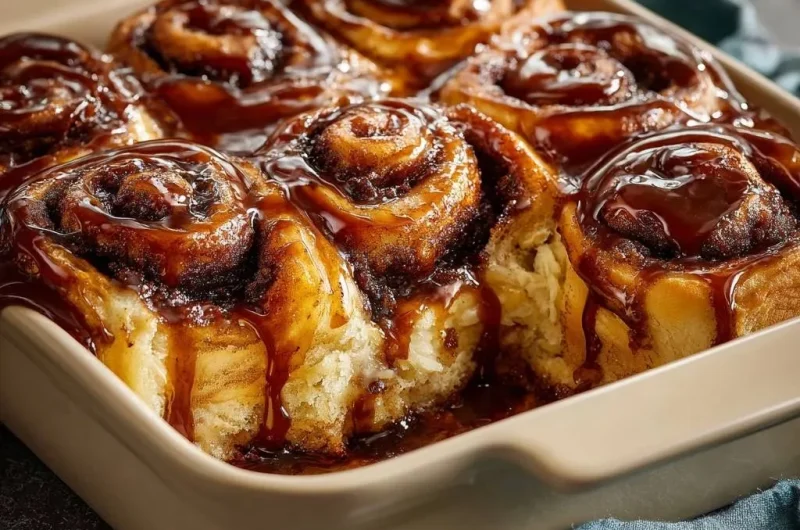
Caramel Cinnamon Rolls
Course: DessertCuisine: AmericanDifficulty: medium9
rolls30
minutes25
minutes450
kcal120
MinutesTired of dry cinnamon rolls? This recipe uses a hot caramel glaze poured right after baking to melt into the warm dough, ensuring moist, tender rolls.
Ingredients
Dough:
2 1/4 teaspoons active dry yeast
1 cup warm milk (110 degrees F)
1/2 cup granulated sugar
1/3 cup unsalted butter, melted
1 large egg
1 teaspoon salt
4 cups all-purpose flour
Filling:
1/2 cup unsalted butter, softened
1 cup brown sugar
3 tablespoons ground cinnamon
Caramel Glaze:
1/2 cup unsalted butter
1 cup brown sugar
1/4 cup heavy cream
1 teaspoon vanilla extract
Directions
- Activate yeast: In a large bowl, dissolve yeast in warm milk. Let sit 5 minutes until foamy. Stir in sugar, melted butter, egg, and salt. Add flour 1 cup at a time, mixing until a soft dough forms. Knead on a floured surface 5-7 minutes until smooth. Place in greased bowl, cover, and let rise in warm spot 1 hour until doubled.
- Prepare filling: Mix brown sugar and cinnamon in small bowl.
- Roll dough: Punch down dough. Roll into 16×21-inch rectangle on floured surface. Spread softened butter evenly over dough. Sprinkle cinnamon-sugar mixture all over butter. Roll tightly from long side into log. Cut into 9 equal slices.
- Arrange in dish: Place rolls cut-side up in greased 8×8-inch baking dish, touching each other. Cover and let rise 45 minutes until puffy.
- Bake: Preheat oven to 350 degrees F. Bake rolls 20-25 minutes until golden (centers will still feel soft; this keeps moisture in).
- Make caramel glaze (the no-dry secret): While rolls bake, melt butter in saucepan over medium heat. Stir in brown sugar and cream. Bring to simmer, stirring 2-3 minutes until thickened slightly. Remove from heat, stir in vanilla.
- Lock in moisture: Immediately pour hot glaze evenly over baked rolls. It soaks into the warm dough, steaming and hydrating every bite to prevent drying out. Let sit 10 minutes to set. Serve warm for gooey bliss. Store leftovers covered; reheat to restore softness.
Notes
- The key to no-dry rolls is baking until centers are still soft and pouring hot caramel glaze immediately after baking to steam and hydrate the dough. Reheat leftovers to restore softness.