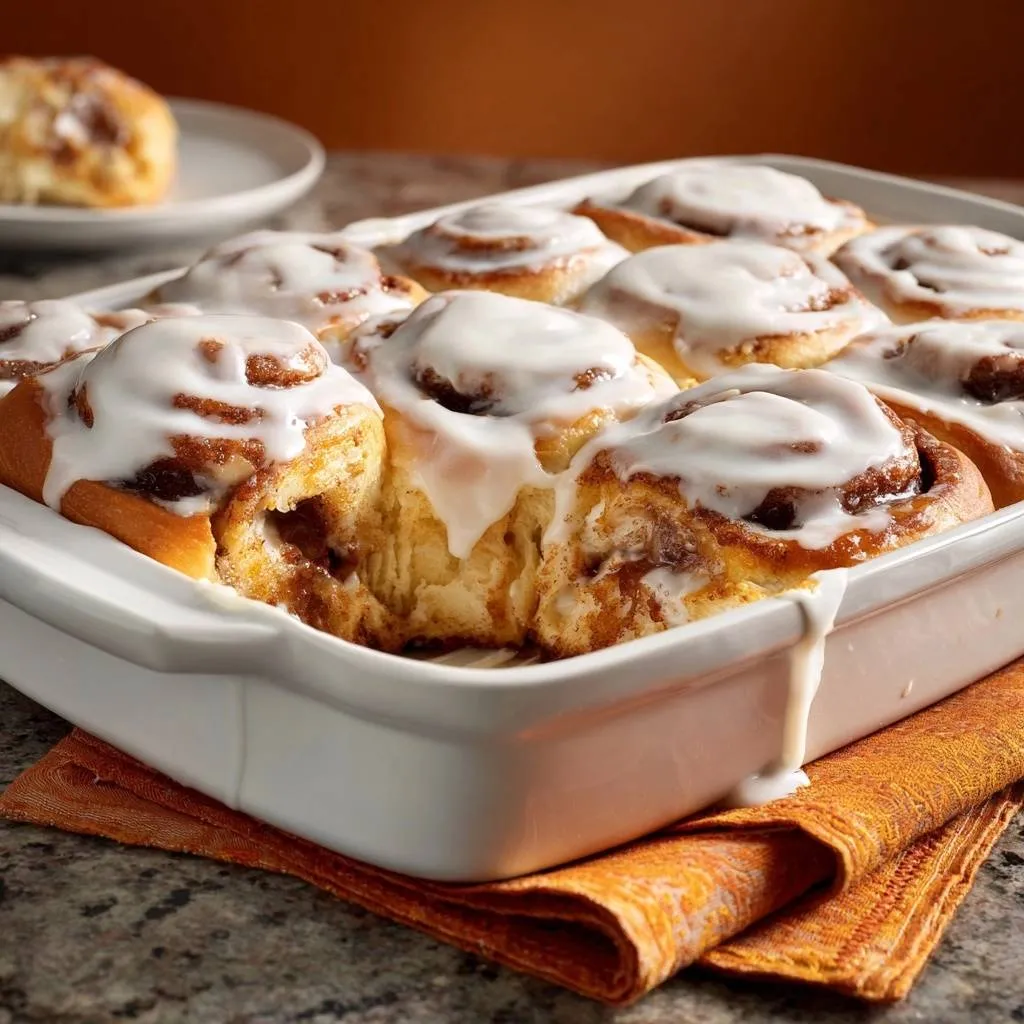
Ever pulled a tray of cinnamon rolls from the oven only to find them dense and disappointing? Those brick-like failures happen because most home bakers skip the humidity trick during proofing. But these gooey cinnamon rolls deliver pull-apart fluffiness every time, thanks to a simple oven hack that mimics pro proofers without fancy gear.
That’s why this recipe stands out. You get that irresistible cinnamon aroma wafting through your kitchen, the kind that draws everyone in. Plus, the rolls ooze with caramelized filling and melt under a vanilla icing drizzle.
Here’s the expertise booster: during both rises, you preheat your oven to 200F, turn it off, and add a pan of boiling water on the bottom rack. This creates perfect humidity so the dough expands evenly, locking in massive air pockets for fluff that won’t deflate.
Essential Ingredients for Gooey Cinnamon Rolls
Dough Components Breakdown
All-purpose flour builds the perfect structure here. It gives you that tender chew without the chewiness of bread flour. You’ll need 4 1/2 cups for 12 large rolls, measured by spooning into the cup and leveling off to avoid packing.
Active dry yeast at 2 1/4 tsp kickstarts the rise, but warm milk at exactly 110F wakes it up. Melted unsalted butter adds tenderness, while two large eggs bring richness and help trap gases. In addition, sugar feeds the yeast, and salt tightens the gluten for strength.
Filling and Icing Key Elements
Softened butter spreads easily for even filling coverage. Therefore, let 1/2 cup sit at room temp until it yields to gentle pressure. Brown sugar’s molasses content melts into gooey caramel, unlike white sugar that stays grainy.
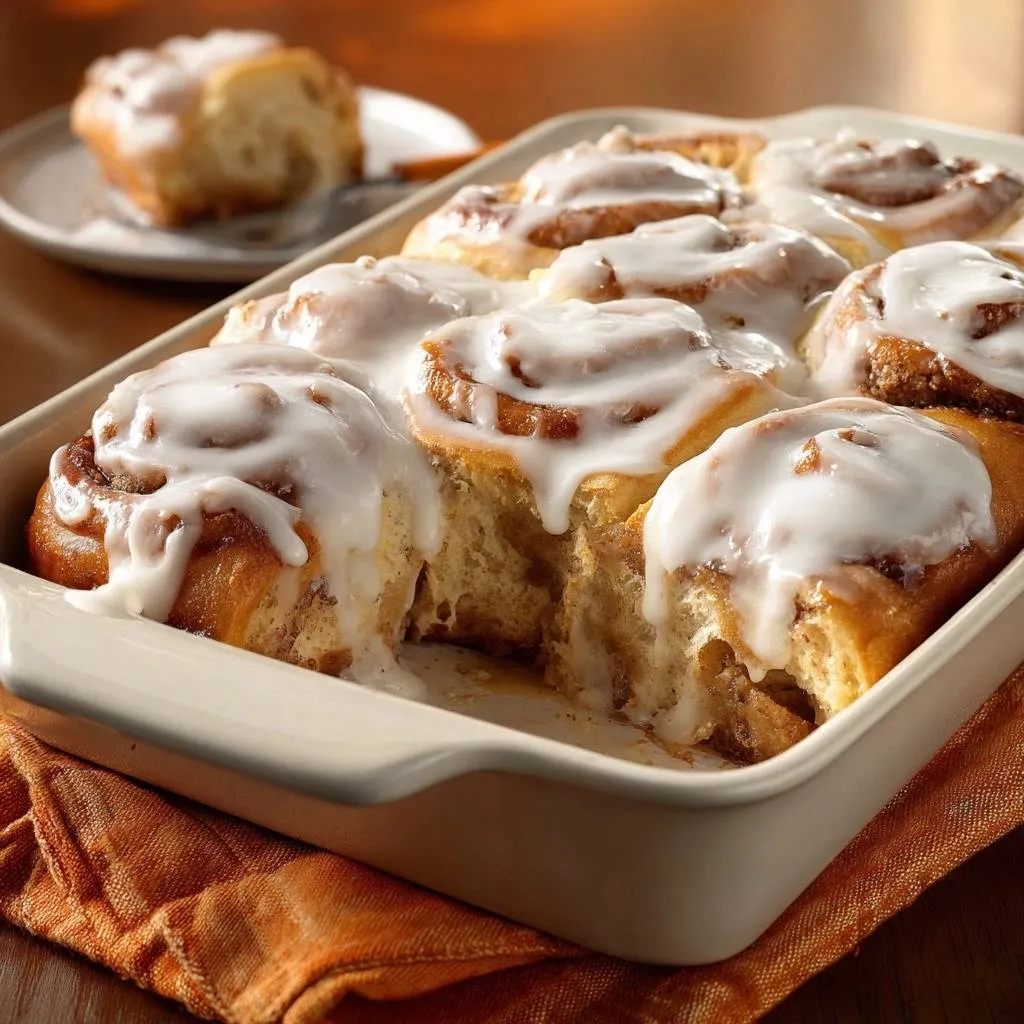
Three tablespoons of ground cinnamon pack potent warmth, so buy fresh for bold flavor. For icing, 2 cups powdered sugar forms the base. Whisk in 1/4 cup milk gradually and 1 tsp vanilla; it creates a drizzle that soaks in perfectly. Almond extract swaps in for a nutty twist if you like.
Yeast Activation Science for Fluffy Dough
Why Warm Milk Temperature Matters
Yeast thrives at 110F, where it blooms into foamy bubbles in 5-10 minutes. Too hot above 120F kills it dead; too cold just delays everything. Use an instant-read thermometer for precision, or test by wrist warmth.
However, if no foam appears, your yeast expired. Dump it and start fresh. This step guarantees the CO2 production needed for fluff.
Sugar’s Role in Yeast Jumpstart
That initial teaspoon of sugar feeds the yeast immediately, sparking fast fermentation and gas bubbles. You add the rest later for dough sweetness. Therefore, this jumpstart traps air in the gluten network early.
Kneading Techniques for Smooth Dough
8-Minute Knead for Elastic Texture
Flour your surface and knead the dough for a full 8 minutes, folding and pushing firmly. Watch it transform from sticky to smooth and elastic. The windowpane test proves it: stretch a piece thin enough to see light through without tearing.
Don’t shortcut this, or you’ll get dense rolls. Hand-kneading builds strength better than a mixer for beginners. Pro tip: if sticky, add flour one tablespoon at a time.
For more ideas on achieving that perfect texture, check out this guide to making a rustic whole wheat loaf.
First Rise Humidity Hack Explained
Grease a bowl, place the dough inside, and cover with a damp cloth. Preheat oven to 200F, shut it off, then set the bowl inside with a pan of boiling water below. This 80% humidity setup doubles the dough in one hour flat.
Dry air alone lets a skin form, stunting rise. You’ll smell sweet yeast as it puffs beautifully. No special proofer needed.
Perfect Rolling and Filling Method
16×12-Inch Rectangle Precision
Punch down the risen dough and roll it into a 16×12-inch rectangle on a floured surface. Keep thickness even by moving your pin side to side. Roll tightly from the long side to seal in the filling without gaps.
Cut into 12 even rolls using unflavored dental floss: slide under, cross, and pull for clean edges. Knife sawing squishes them flat.
Even Brown Sugar Cinnamon Spread
Spread softened butter edge to edge, then sprinkle brown sugar and cinnamon evenly. Pat it gently so it sticks. During baking, the sugar melts into that signature gooey swirl.
Avoid clumps by sifting the cinnamon first. This ensures every bite bursts with flavor.
Second Proofing for Maximum Puffiness
Humidity Trick Prevents Skinning
Place rolls touching in a greased 9×13 dish. Return to the off oven with fresh boiling water for 45-60 minutes. They puff up dramatically, passing the finger-dent test: press gently, and it springs back slowly.
Touching promotes pull-apart texture. Without humidity, skins form and rise stalls. You’ll see even, massive fluff guaranteed.
Baking Golden Without Doughy Centers
Preheat to 350F and bake 22-25 minutes on the middle rack. Edges turn golden while centers hit 190F internally. Pull them out before they overbrown.
Cool on a rack for 5 minutes. Overbaking dries them out fast.
Gooey Icing Drizzle Technique
Whisking for Smooth Consistency
Sift powdered sugar to nix lumps, then whisk in milk bit by bit with vanilla. Drizzle over warm rolls so it melts into gooey bliss. Pure vanilla extract amps the aroma.
Store extra icing airtight; it firms up quick.
Custom Icing Thickness Adjustments
For soak-in gooeyness, thin with extra milk. Thicker holds drips better. Try cream instead for richness, or stir in maple extract.
Oven Humidity Science Behind Fluff Lock
Proofing Environment Controls Rise
Humidity keeps the dough surface soft, letting CO2 expand evenly for 30% taller rolls versus dry air. It’s like a steam chamber pros use. No oven? Run microwave light with a cup of hot water nearby.
This prevents collapse and delivers bakery-level puff.
Gluten and Gas Trapping Mechanics
Kneading weaves gluten into a net that stretches during proofing, trapping fermentation gases. The double rise builds oven spring for fluff. Avoid temp swings, or it deflates.
Avoiding Common Gooey Cinnamon Roll Pitfalls
Dense Rolls: Knead and Proof Fixes
Under-kneaded dough tears easily; over-proofed collapses when poked. Test yeast freshness first. Weigh flour at 570g for cup accuracy.
Gooeyness Loss Prevention
Butter must soften fully, sugar packs tight. Ice while warm. Store airtight up to 2 days; reheat with a steam damp towel for moisture.
Make-Ahead Guide for Gooey Cinnamon Rolls
Freezing Shaped Rolls Strategy
After first rise, freeze the log or cut rolls on a tray, then bag. Thaw overnight in fridge, proof at room temp. Or freeze baked rolls; thaw and warm at 300F.
Perfect for holiday batches without sogginess.
Overnight Proofing Option
Shape rolls, cover, and fridge overnight for slow rise. Finish proofing at room temp 1-2 hours morning. Flavors deepen beautifully.
Flavor Variations for Gooey Cinnamon Rolls
Nutty or Fruit Filling Twists
Mix chopped pecans or walnuts into filling for crunch. Add raisins or diced apples for chew. Swap some cinnamon for cardamom or nutmeg.
Chocolate chips melt gooey too.
Icing Flavor Elevations
Blend in cream cheese for tang. Infuse coffee or add lemon zest. Match to nuts or fruit.
Pairing Suggestions for Gooey Cinnamon Rolls
Beverage Matches Enhancing Cinnamon
Hot coffee cuts the sweetness perfectly. Herbal tea like chamomile steams up the cinnamon notes. Warm plant milks cozy it up for brunch.
Brunch Side Companions
Fresh berries or yogurt parfaits balance the richness. Scrambled eggs add savory contrast. Fruit platters keep it light.
Troubleshooting Gooey Cinnamon Rolls Issues
No Yeast Foam Response
Expired yeast or milk over 120F kills it. Use fresh; swap to instant yeast at 1 3/4 tsp, no proof needed. Test in small batch first.
Uneven Rise or Baking
Rotate pan midway for hot spots. Confirm 9×13 size. At altitude, drop oven 25F and proof less.
Icing Too Runny or Thick
Humidity or brand affects it; add sugar or milk by teaspoon. Sift always.
FAQ
How do I store leftover gooey cinnamon rolls and can they freeze?
Store in an airtight container at room temp for 2 days, or fridge up to 4 days. Reheat wrapped in foil at 300F for 10 minutes with a damp towel inside to restore steam and gooeyness. They freeze beautifully: shape after first rise, freeze on tray then bag for 3 months. Thaw overnight in fridge, proof 1-2 hours at room temp before baking. Baked rolls freeze iced; thaw and microwave 20 seconds.
Why are my cinnamon rolls dense and how do I fix it?
Density comes from under-kneading, old yeast, or dry proofing that forms a skin. Knead a full 8 minutes to pass windowpane, always activate yeast with foam, and use the oven humidity hack both rises. Measure flour by weight (570g) not cups to avoid excess. Fresh yeast and humidity guarantee fluff; without it, rolls rise 30% less.
What can I substitute in gooey cinnamon rolls?
No active dry yeast? Use 1 3/4 tsp instant, skip activation and mix directly. Dairy-free? Swap milk and butter for plant-based versions; warm non-dairy milk same way. Gluten-free all-purpose blend works 1:1 but add 1 tsp xanthan gum for structure. Brown sugar out? Pack white sugar with 1 tbsp molasses. Eggs? Two flax eggs (1 tbsp flax + 3 tbsp water each).
Why didn’t my dough rise and what temperature should milk be?
No rise means dead yeast from milk over 120F or expired packet. Always hit 110F wrist-warm; foam in 5-10 minutes proves it’s alive. Cold milk slows it forever. Pro tip: date your yeast and store in freezer. If flat, the humidity proof prevents skinning for even expansion.
How do I get the icing just right for gooey cinnamon rolls?
Sift powdered sugar first, whisk vanilla then milk 1 tbsp at a time for drizzle consistency that melts on warm rolls. Too thick? Add milk drop by drop. Runny? More sugar. Humidity thickens it, so adjust day-of. For extra gooey, make thinner to soak in.
Can I make gooey cinnamon rolls ahead for brunch?
Yes, fridge shape rolls overnight after filling for slow rise and deeper flavor. Morning, proof 1-2 hours at room temp till puffy, then bake. Or freeze post-shape up to 3 months, thaw and proof same way. Bake-ahead freezes well too; reheat at 300F covered to keep moist.
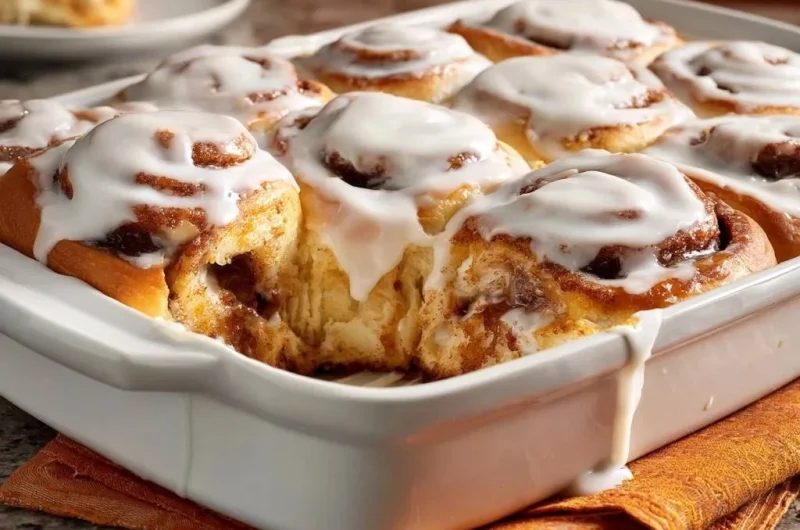
Cinnamon Rolls
Course: DessertCuisine: AmericanDifficulty: medium12
rolls30
minutes25
minutes450
kcal120
MinutesSick of dense cinnamon rolls? This foolproof method uses your oven’s humidity hack for airy, pull-apart fluffiness—no special gear needed.
Ingredients
Dough:
4 1/2 cups all-purpose flour
1/4 cup granulated sugar
2 1/4 tsp active dry yeast
1 cup warm milk (110F)
1/4 cup unsalted butter, melted
2 large eggs
1 tsp salt
Filling:
1/2 cup unsalted butter, softened
1 cup brown sugar
3 tbsp ground cinnamon
Icing:
2 cups powdered sugar
1/4 cup milk
1 tsp vanilla extract
Directions
- Activate yeast: In a large bowl, mix warm milk, yeast, and 1 tsp sugar. Let sit 5-10 minutes until foamy. This jumpstarts rise for fluffiness.
- Make dough: Stir in melted butter, eggs, salt, remaining sugar, and flour gradually until a soft dough forms. Knead 8 minutes on floured surface until smooth.
- First rise: Place dough in greased bowl, cover with damp cloth. For guaranteed fluff, preheat oven to 200F then turn off. Place dough inside with a pan of boiling water on bottom rack for humidity. Let rise 1 hour until doubled.
- Roll and fill: Punch down dough, roll into 16×12-inch rectangle on floured surface. Spread softened butter, sprinkle brown sugar and cinnamon evenly. Roll tightly from long side into log, cut into 12 rolls.
- Second rise (fluff lock-in): Place rolls in greased 9×13 baking dish, touching. Cover and return to off oven with fresh boiling water pan. Rise 45-60 minutes until puffy. This humidity trick prevents skinning and ensures even, massive fluff every time, no failures.
- Bake: Preheat oven to 350F. Bake rolls 22-25 minutes until golden, not doughy.
- Ice: Whisk powdered sugar, milk, and vanilla until smooth. Drizzle over warm rolls for gooey melt. Pull apart and devour!
Notes
- The oven humidity trick with boiling water pan during proofing prevents skinning and ensures massive fluffiness every time.