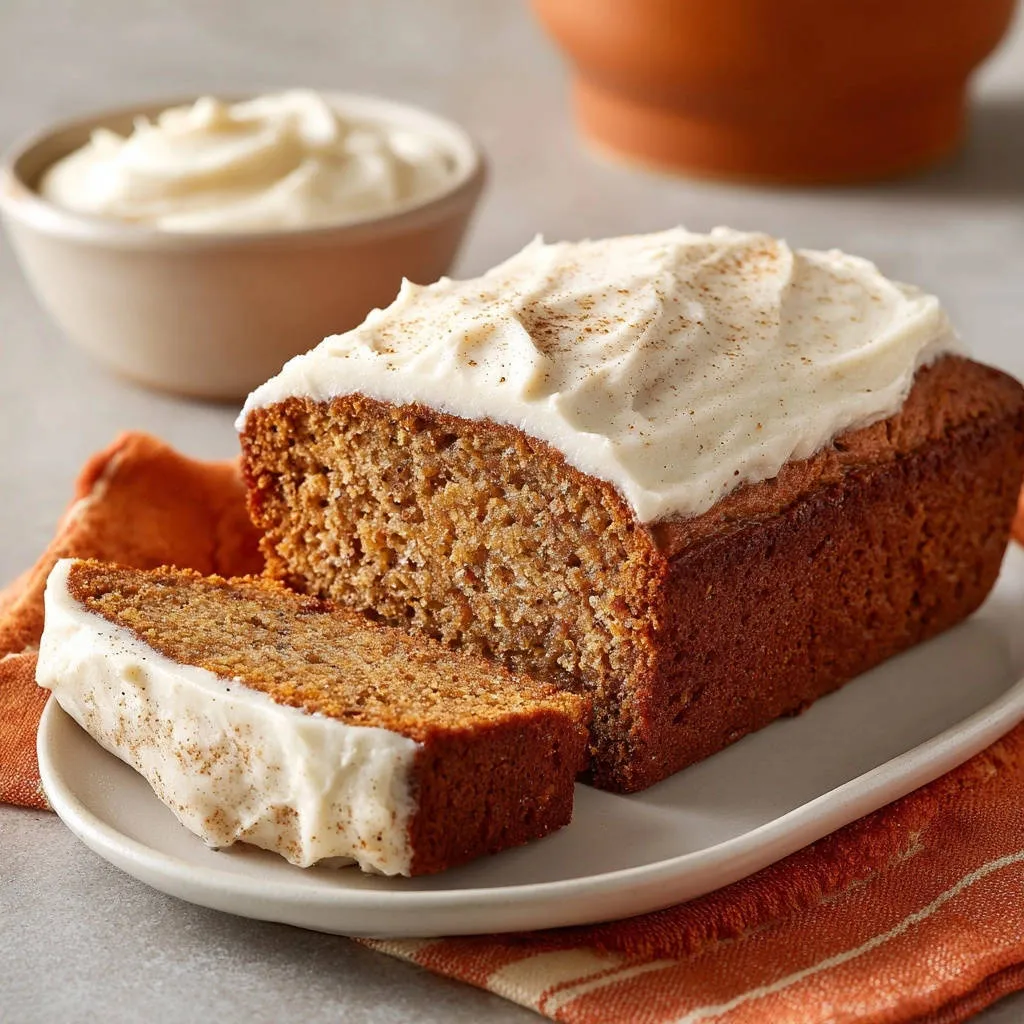
The single most common baking frustration is ending up with a rubbery, dense quick bread. After years of perfecting seasonal recipes, I’ve established a gentle folding technique that guarantees an incredibly tender crumb, making this Harvest Spice Loaf with Cream Cheese Frosting airy, moist, and never tough.
This simple secret transforms your seasonal baking immediately, establishing confidence in achieving fluffy perfection every time you pull a loaf from the oven.
The “Never Dense” Secret: Achieving Irresistibly Fluffy Texture
Why Traditional Quick Breads Fall Flat (And How to Fix It)
Density occurs when gluten is overdeveloped, a result of treating quick breads like you would a yeast bread that requires kneading.
For a similar sweet and tangy treat, check out these passion fruit cheesecake bars.
For more rich, creamy results, consider trying our salted caramel cheesecake bars.
Aggressive mixing after the flour is incorporated activates the protein strands in the flour, leading to a tough, elastic structure that feels heavy or gummy when sliced.
The Magic of the Gentle Folding Technique
Folding, unlike whisking or beating, carefully incorporates the dry ingredients with the minimal necessary amount of gluten activation.
We use a rubber spatula to gently lift and turn the batter from the bottom up, ensuring that mixing stops the very moment the last streak of flour disappears.
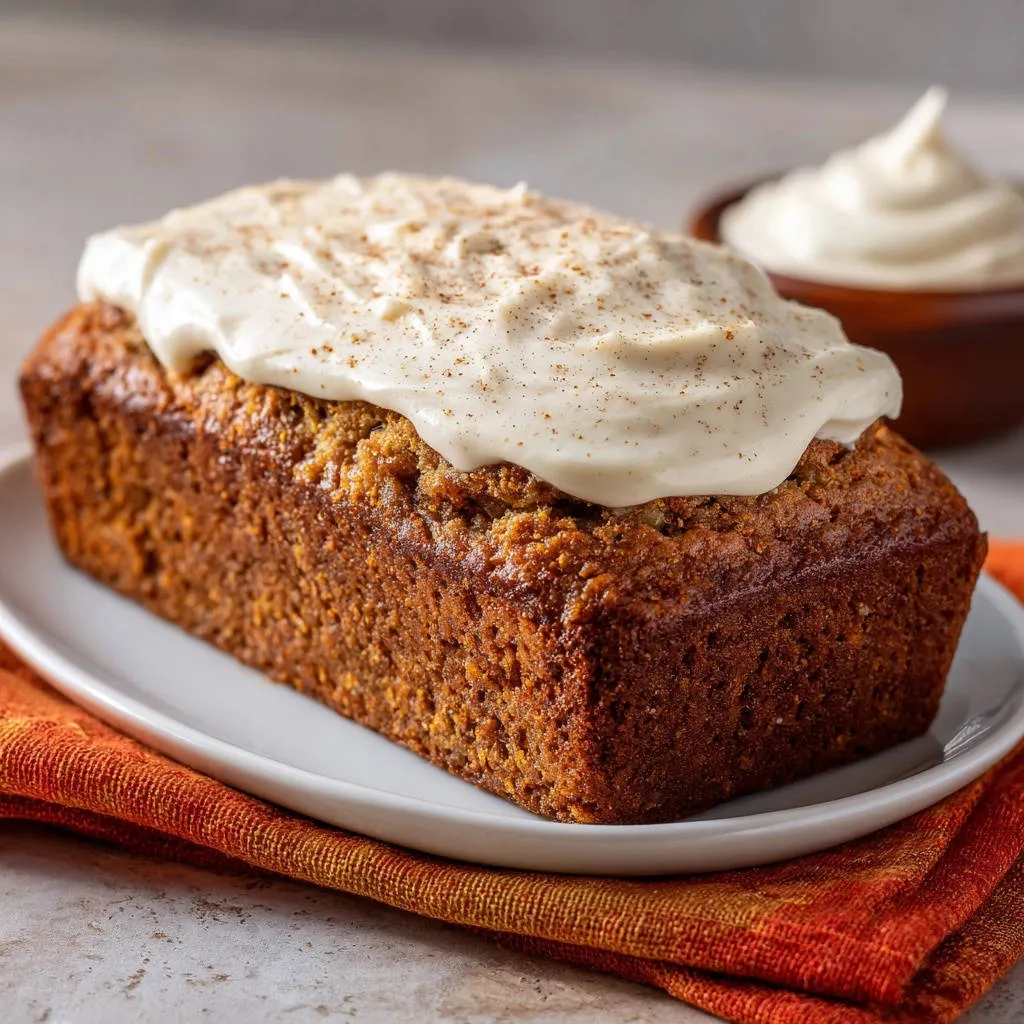
This disciplined restraint is the single most important action you can take to achieve that highly sought-after tender crumb.
The Perfectly Balanced Flavor Profile of This Loaf
The foundation of this quick bread is the combination of rich pumpkin puree and packed brown sugar, creating a deep, caramelized sweetness.
This base perfectly complements the warming, classic spice blend, resulting in a complex yet comforting autumnal flavor profile.
Building Blocks of Flavor: Essential Ingredients for Success
The Foundation: Flour and Leavening Agent Balance
This recipe uses a precise combination of both baking soda and baking powder to ensure optimal lift.
Baking soda reacts with the mild acidity present in the pumpkin puree, while the powder provides additional insurance for a high, even rise.
The Warmth of the Harvest Spice Blend
The spice profile relies on a traditional mix of cinnamon, nutmeg, and ginger.
For a similar warm spice experience, check out this old-fashioned gingerbread cake.
Ensure your spices are fresh, ideally ground within the last six months, as stale spices will drastically mute the aroma and impact of the loaf.
Moisture and Texture: Pumpkin Puree and Oil
It is crucial to use 100% pure pumpkin puree, not pumpkin pie filling, which contains extra sweeteners and stabilizing starches.
Vegetable oil is intentionally used here instead of solid butter because oil remains liquid at room temperature, guaranteeing exceptional and long-lasting moisture retention in this quick bread.
A Quick Guide to the Dreamy Cream Cheese Frosting Base
For the smoothest, lump-free frosting, both the cream cheese and the unsalted butter must be completely softened to true room temperature.
Cold dairy prevents proper aeration during beating and will result in a grainy texture and clumpy spread.
Gathering Your Gear: Essential Tools for Quick Bread Success
The Perfect Pan Size (9×5 Inches)
Using the specified 9×5 inch loaf pan is crucial for achieving the correct height and ensuring even cooking throughout the center.
A smaller pan will cause the batter to overflow or remain raw in the middle, risking the center collapsing after baking.
Why a Rubber Spatula is Non-Negotiable
The rubber spatula or wooden spoon is the only tool suitable for the final mixing step.
Its structure allows you to fold the batter gently, actively preventing the aggressive whipping action of a whisk or electric mixer that causes toughness.
The Stand Mixer vs. Hand Mixer Debate
While you can mix the quick bread batter by hand, an electric mixer (handheld or stand) is highly recommended for the frosting.
A mixer guarantees the cream cheese and butter are thoroughly aerated and whipped to that signature fluffy consistency.
Step-by-Step Perfection: Baking Your Harvest Spice Loaf
The Foundation: Oven and Pan Preparation
Preheat your oven to 350°F immediately, as oven stability is paramount for a successful, consistent rise.
Lightly grease and flour your 9×5 inch pan, ensuring even coverage so the loaf releases cleanly when cooled.
Combine Dry Ingredients and Why Sifting Helps
In a medium bowl, whisk together the flour, baking soda, baking powder, salt, cinnamon, nutmeg, and ginger until completely incorporated.
Whisking ensures the leavening agents are distributed evenly throughout the flour, setting you up for consistent lift when baking.
Emulsifying the Wet Ingredients for Maximum Moisture
In a separate large mixing bowl, whisk together both sugars, pumpkin puree, oil, eggs, and vanilla for about one minute.
You must continue whisking until the mixture is fully emulsified, meaning the oil and the other liquid components are completely integrated with no separation visible.
CRITICAL STEP: Implementing the “Fold, Don’t Stir” Technique
Add the reserved dry flour mixture to the wet ingredients and immediately switch to your rubber spatula.
Use a gentle folding motion, sweeping under the center of the bowl and turning the batter over itself, rotating the bowl as you go.
Stop the second the last visible streak of flour disappears. It is acceptable and preferred to have a few small lumps, as overmixing will destroy the tender crumb and result in a dense loaf.
Baking for the Ideal Rise and Texture
Pour the batter into the prepared pan and bake for 55 to 65 minutes, or until a toothpick inserted into the exact center comes out clean.
If the top begins to brown too quickly (usually around the 40-minute mark), loosely tent the loaf with aluminum foil for the final 15 minutes of baking to prevent burning.
Cooling Requirements for Stability
Let the loaf cool in the pan for 10 minutes to allow the structure to set before attempting to remove it.
Transfer the loaf to a wire rack to cool completely. The loaf MUST be stone-cold before applying the cream cheese frosting, or the frosting will slide right off and become runny.
Mastering the Tang: Whipping Up Fluffy Cream Cheese Frosting
Making this creamy, slightly tangy frosting is simple, provided you pay close attention to the temperature of your dairy ingredients.
Looking for More Baked Goods?
Complement your Harvest Spice Loaf with these other baked treats.
- If you enjoyed the spices in the loaf, you’ll appreciate the warm flavors in these Glazed Carrot Walnut Muffins, known for their light crumb.
- For a different kind of comforting bake, explore this Creamy Tomato Tortellini Soup, which offers a savory contrast to sweet baking.
The Importance of Softened Dairy: Temperature Control
Beat the softened cream cheese and butter together in a bowl using an electric mixer until the mixture is truly light, fluffy, and aerated.
This process takes two to three minutes and is essential for avoiding lumps and achieving a velvety texture.
Gradually Incorporating Powdered Sugar
Add the three cups of powdered sugar gradually, beating on low speed until each addition is fully incorporated.
Adding the sugar slowly prevents clouds of dust and ensures the mixture integrates smoothly for a silky, non-grainy frosting base.
Achieving the Perfect Spreading Consistency
Stir in the vanilla extract, and then add the milk (or cream) one tablespoon at a time.
Adjust the liquid based on your needs; stop adding milk when the consistency is easily spreadable but still firm enough to hold its shape on top of the loaf.
Chef’s Troubleshooting: Solving Common Quick Bread Mistakes
Why Did My Harvest Spice Loaf Sink in the Middle?
Sinking is often a sign of underbaking; the structure wasn’t fully set before you pulled it from the oven, so the center collapsed upon cooling.
It can also be caused by oven temperature fluctuations or using too much liquid/leavening, which causes a huge initial rise that cannot be sustained.
My Loaf Is Too Dense or Gummy
This nearly always traces back to overmixing the batter after the dry flour was added.
Recommit to the gentle folding technique and be ruthless about stopping as soon as the flour is incorporated to ensure a truly tender crumb.
The Frosting is Too Runny or Separated
Runny frosting means the cream cheese or butter was too warm when you started mixing, or you added too much milk.
To rescue a runny batch, place the bowl in the refrigerator for 20 minutes to firm up, then re-whip it vigorously and incorporate a tablespoon of extra powdered sugar if needed.
Serving, Storage, and Make-Ahead Magic
Best Practices for Slicing and Presentation
Allow the frosting to set for at least 30 minutes before slicing to prevent the spread from dragging or sticking to the knife.
Use a large serrated knife and employ a gentle, steady sawing motion for clean, professional slices; finish with a light dusting of cinnamon for presentation.
Storage Solutions for Long-Term Freshness
If frosted, the Harvest Spice Loaf with Cream Cheese Frosting should be stored loosely covered in the refrigerator if kept longer than two days.
For best texture, it is fine to store the frosted loaf at cool room temperature for up to two days. The loaf will stay fresh for about a week in the fridge.
Can I Make the Batter Ahead of Time?
It is strongly discouraged to mix the full batter ahead of time, as the leavening agents start reacting immediately upon contact with the wet ingredients, losing potency overnight.
Instead, mix the dry ingredients completely in one bowl and the wet ingredients completely in another, storing them separately until you are ready to combine and bake.
Your Quickest Questions Answered (Harvest Spice Loaf FAQs)
What is the best substitute for pumpkin puree?
Finely mashed, cooked sweet potato or butternut squash can be used in an equal 1:1 ratio with no other adjustments required.
For a lighter substitution, plain full-fat Greek yogurt works well, but reduce the vegetable oil by one tablespoon as yogurt contains more inherent moisture.
Can I add nuts or dried fruit to the batter?
Yes, pecans, walnuts, or raisins complement the spice profile beautifully; you can add up to 3/4 cup of your favorite additions.
To prevent these heavier items from sinking to the bottom, toss them lightly with one tablespoon of the measured flour before incorporating them into the final fold.
How do I make this recipe dairy-free?
Substitute the dairy milk with any neutral, non-dairy milk such as oat or almond milk.
For the essential frosting, use high-quality vegan butter sticks and a firm, block-style non-dairy cream cheese alternative for the best, most stable frosting structure.
Ready to Impress? Share Your Harvest Spice Loaf Masterpiece!
Quick breads truly become quick when you operate with the right expertise and technique.
By committing to the gentle folding method, you ensure that every slice of this seasonal delight is perfectly moist, tender, and robustly flavored.
Stop fighting your batter and start baking smarter. Grab your rubber spatula and create your perfect Harvest Spice Loaf with Cream Cheese Frosting masterpiece today!
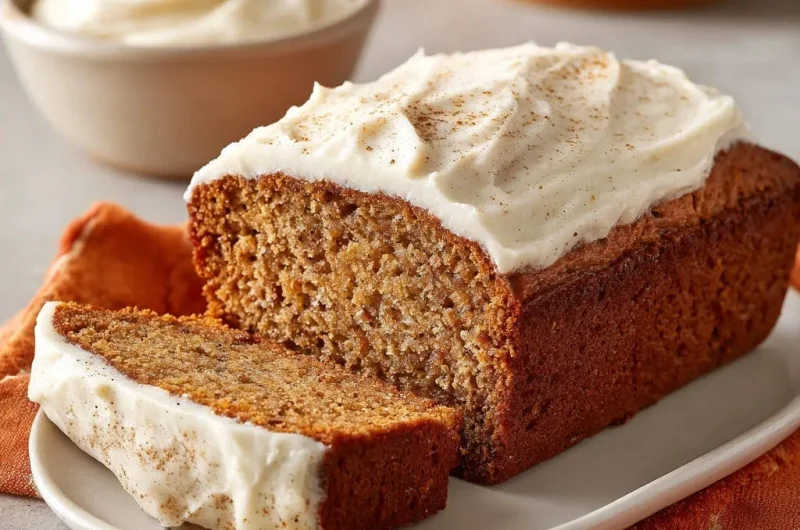
Harvest Spice Loaf
Course: DessertCuisine: AmericanDifficulty: medium10
servings20
minutes1
hour450
kcal120
minutesThis moist, fluffy loaf is packed with traditional fall spices like cinnamon, nutmeg, and ginger. Achieving the perfect tender crumb texture is easy using the simple folding technique described here. Finish this spiced quick bread with a generous spread of homemade cream cheese frosting.
Ingredients
For the Loaf:
2 cups all-purpose flour
1 teaspoon baking soda
1/2 teaspoon baking powder
1/2 teaspoon salt
1 teaspoon ground cinnamon
1/2 teaspoon ground nutmeg
1/4 teaspoon ground ginger
1 cup granulated sugar
1/2 cup packed light brown sugar
1 cup pumpkin puree (not pie filling)
1/2 cup vegetable oil
2 large eggs
1 teaspoon vanilla extract
For the Cream Cheese Frosting:
4 ounces cream cheese, softened
1/2 cup unsalted butter, softened
3 cups powdered sugar
1 teaspoon vanilla extract
1 tablespoon milk (or cream)
Pinch of cinnamon for garnish
Directions
- Preheat and Prepare: Preheat your oven to 350 degrees F. Lightly grease and flour a 9×5 inch loaf pan.
- Combine Dry Ingredients: In a medium bowl, whisk together the flour, baking soda, baking powder, salt, cinnamon, nutmeg, and ginger until completely combined. Set this aside.
- Combine Wet Ingredients: In a large mixing bowl, whisk together the granulated sugar and brown sugar. Add the pumpkin puree, vegetable oil, eggs, and vanilla extract. Whisk until the wet ingredients are smooth and fully emulsified (about 1 minute).
- Solve the Density Problem (The Folding Technique): Add the dry flour mixture into the wet ingredients. Switch to a rubber spatula or wooden spoon. Fold the mixture gently. Stop stirring the very moment the last streak of flour disappears. Overmixing develops gluten, which is what causes quick breads to become dense, tough, or gummy. A few visible lumps in the batter are acceptable and preferred.
- Bake: Pour the batter into the prepared loaf pan. Bake for 55 to 65 minutes, or until a toothpick inserted into the center comes out clean. If the top starts browning too quickly, loosely tent it with aluminum foil for the last 15 minutes of baking.
- Cool: Let the loaf cool in the pan for 10 minutes before carefully transferring it to a wire rack to cool completely before frosting.
- Prepare the Frosting: Beat the softened cream cheese and butter together in a bowl until light and fluffy. Gradually beat in the powdered sugar until smooth. Stir in the vanilla and milk until the desired spreading consistency is reached.
- Finish: Once the loaf is completely cool, spread the frosting generously over the top and dust lightly with cinnamon.
Notes
- The critical step is avoiding overmixing when combining the wet and dry ingredients to prevent a dense, rubbery texture. A few lumps in the batter are preferred.