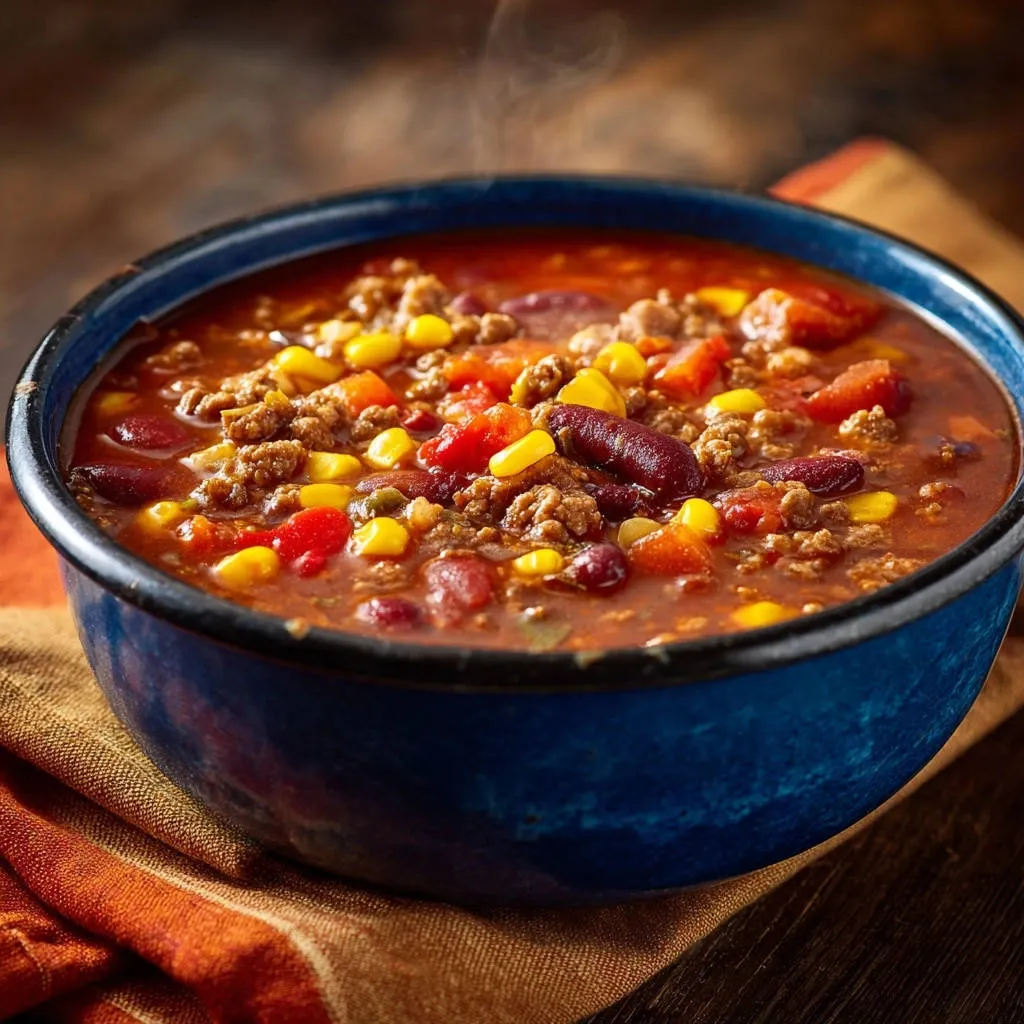
For years, my slow-simmered chili always tasted a little flat, never achieving that rich, complex depth I craved in a true classic. Mastering the simple “spice blooming” technique changed everything, transforming my basic attempts into the ultimate, satisfying bowl of Hearty Beef and Bean Chili. This method guarantees deep flavor fusion, delivering a smoky, savory result perfect for chilly evenings.
The Flavor Hack That Transforms Basic Chili Forever
If you’ve ever followed a chili recipe precisely, only to find the flavor profile lacks dimension, you understand the frustration of a one-dimensional dish. That dusty, raw taste often signals that the spices haven’t been properly activated or integrated into the cooking fat.
The solution is simple, yet revolutionary: we use a quick, high-heat bloom to extract the maximum essential oils from every spice, fundamentally altering the flavor base of the chili. This one trick makes the difference between basic soup and profound slow-simmered chili.
What is Spice Blooming and Why Does it Matter?
Spice blooming is the process of briefly toasting dry spices directly in hot oil or rendered fat before adding any liquids. This technique, also known as ‘tempering,’ takes only about 90 seconds in this recipe.
The heat breaks down the spice cells, releasing aromatic oils that are soluble in fat but not easily released in water. The result is a richer, deeper, and far more complex flavor profile that completely eliminates that “raw” spice taste.
Avoiding the Dreaded ‘Flat’ Spice Taste
A common mistake is adding spices directly to the pot after the liquid, or only mixing them in with the cold tomatoes. This results in the spices being rehydrated rather than toasted, leading to suboptimal flavor extraction and a distinctly one-dimensional taste.
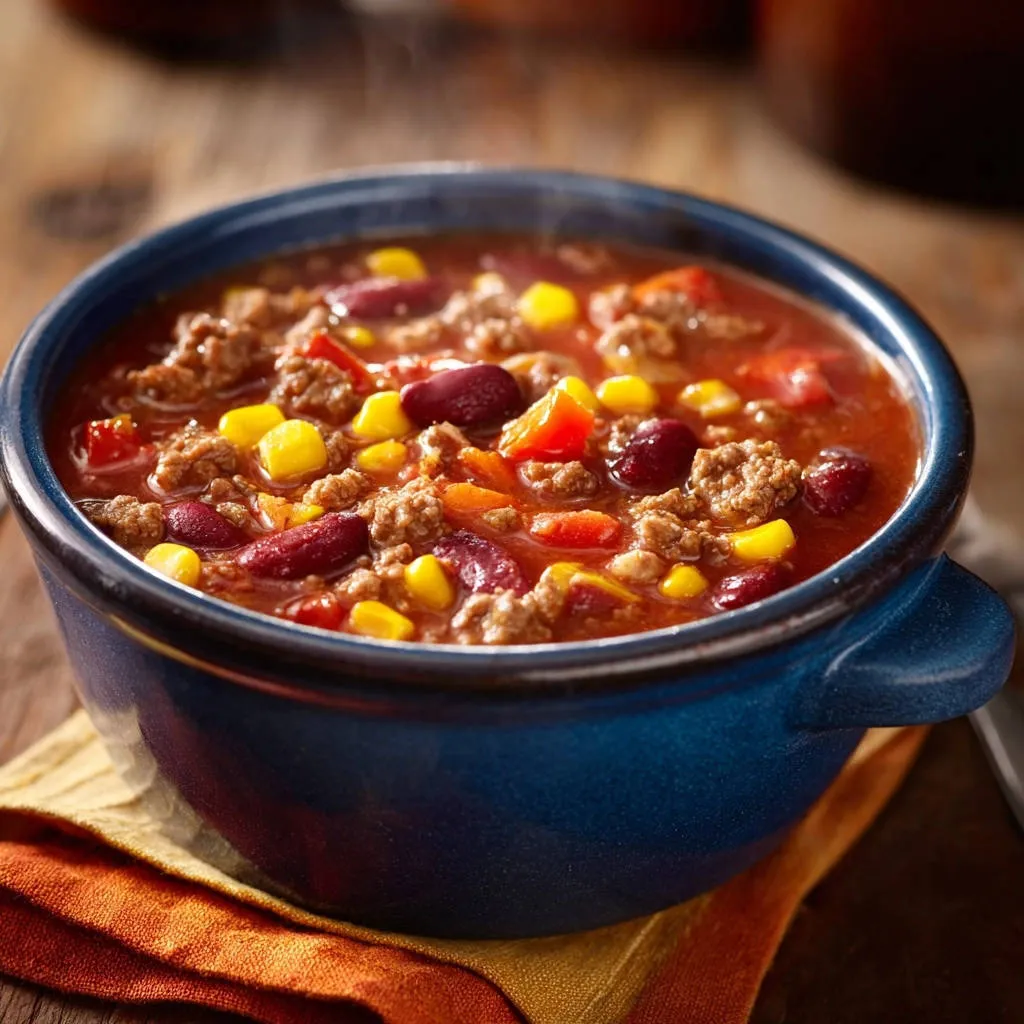
By blooming them directly onto the cooked beef and softened onions, we ensure the flavor compounds integrate seamlessly with the foundational ingredients and the cooking fat, locking in savory depth right from the start.
Building the Perfect Bowl: Key Ingredients for Chili Success
Choosing the Right Cut of Beef (And the Importance of Draining)
We use 1.5 pounds of ground beef, ideally an 80/20 lean-to-fat ratio. This level of fat provides enough flavor retention to enhance the spices, but we must manage the excess.
Fully draining the rendered fat immediately after browning is critical for success. Failing to drain the fat will lead to an oily layer floating on top of the finished chili, which severely impacts both texture and overall richness.
The Essential Chili Spice Blend Ratio
The base relies on a generous amount of chili powder, which provides the majority of the chili’s bulk flavor, expertly balanced with the warm, earthy notes of cumin.
The use of Smoked Paprika is crucial; its intense, smoky aroma provides complexity that sweet paprika cannot match, contributing significantly to the overall deep flavor fusion.
Cayenne pepper is optional but recommended for a subtle heat. Adjust the quantity precisely to manage the desired kick without overpowering the other delicate spice notes.
Fresh vs. Canned: Tomato and Bean Considerations
We utilize both crushed tomatoes for thick body and diced tomatoes for necessary texture and chunkiness. This combination ensures the chili is hearty without becoming overly watery or thin.
Kidney beans and corn are included for tradition and heartiness. Always drain and rinse these canned items thoroughly to remove excess sodium and the metallic canning liquid, which can taint the final taste.
For more hearty beans, try slow-braised beef and white bean stew.
Opt for a high-quality or low-sodium beef broth. This allows you maximum control over the final salt content, which is essential because the simmering process naturally reduces liquid and concentrates flavors.
Mastering the Hearty Beef and Bean Chili Method (Step-by-Step)
-
Step 1: Sear and Drain the Beef Foundation
Ensure your Dutch oven or heavy pot is hot before adding the beef to achieve proper browning. Breaking up the meat early prevents large clumps later on.
Drain the fat meticulously after browning. Any fat left will dilute the intensity of the spices in the next step.
-
Step 2: The Critical Spice Blooming Technique
Reduce the heat to medium before adding the onions to prevent scorching. Sautéing the onions until translucent builds the aromatic base.
After adding garlic, cook only until fragrant (about 60 seconds)-do not let it burn. This is the perfect time to add the spices.
This is the flavor hack: Once spices are added, stir constantly for the full 90 seconds. You will see the spices deepen in color and smell intensely aromatic; this confirms the oils are releasing.
-
Step 3: Simmering for Deep Flavor Fusion
When adding the liquids (tomatoes and broth), scrape the bottom of the pot vigorously. These browned bits (fond) add significant savory depth to the chili.
Bring the mixture to a gentle boil before reducing it immediately to the lowest simmer setting. Low and slow cooking is non-negotiable for maximum flavor melding.
Simmer for at least 60 minutes, but aiming for 90 minutes to 2 hours allows the meat to tenderize fully and the flavors to unify.
For even deeper flavor development and tender meat, consider trying a slow-cooked savory pot roast.
-
Step 4: Incorporating Beans and Corn
Only add the kidney beans and corn during the final 15 minutes of cooking. Adding them too early can result in mushy beans.
Ensure they are thoroughly heated through before serving, as they absorb residual flavor quickly in this final cook time.
-
Step 5: Final Adjustments and Serving
Salt and pepper should always be adjusted at the very end. Simmering reduces the liquid, concentrating salt, so wait until the chili is fully cooked before determining the final seasoning level.
Beyond the Recipe Card: Pro Tips to Elevate Your Chili
Use Espresso Powder (The Secret Umami Boost): A teaspoon of instant espresso or finely ground coffee added with the broth won’t make the chili taste like coffee, but it significantly deepens the smoky, savory (umami) notes without changing the overall flavor profile.
A Touch of Acid at the End: If the chili tastes slightly dull even after adjusting the salt, try adding a splash of vinegar (like apple cider vinegar) or lime juice right before serving. Acid brightens heavy flavors instantly.
Do Not Skip the Long Simmer: If you are short on time, this chili is still good, but to reach its maximum flavor potential, plan for a full two-hour, covered simmer. Chili is always better the next day because of the time given for the spices to fully hydrate and integrate.
Troubleshooting Your Chili: Solutions for Common Flavor Problems
Why Is My Chili Too Thin?
If your chili lacks body, remove the lid during the last 30 minutes of simmering. This allows some of the liquid to evaporate, thickening the sauce naturally.
For immediate thickening, remove about 1/2 cup of the sauce, stir in 1 tablespoon of cornstarch (or masa flour), and whisk the slurry back into the pot. Simmer for 5 minutes until thickened.
My Chili Tastes Too Spicy (Or Not Spicy Enough)
To reduce heat, add a dairy element (sour cream or shredded cheese) directly to the bowl when serving, as dairy fat helps neutralize capsaicin.
Alternatively, stir in half a cup of crushed tomatoes or an extra can of rinsed beans, which will dilute the spice concentration.
To increase heat, stir in a pinch of chili flakes or a dash of hot sauce right before serving for a fresh kick.
Round Out Your Meal
To complement your hearty chili, consider these flavorful additions.
- For a fresh counterpoint, try the garlic herb grilled chicken salad, offering bright, savory notes.
- Pair your chili with the golden cornbread and herb stuffing for a comforting texture and aromatic herbs.
Serving Suggestions: The Best Toppings and Sides for Chili Night
The Essential Topping Bar
Sour Cream or Greek Yogurt (for cooling contrast)
Sharp Cheddar or Monterey Jack Cheese
Chopped Fresh Cilantro and Sliced Jalapeños
Crushed Tortilla Chips or Fritos (for crunch)
Diced Avocado or a dollop of fresh Guacamole
Perfect Side Pairings
A simple side of warm, buttered cornbread is the quintessential accompaniment, perfect for soaking up the rich sauce.
For a lighter option, a fresh green salad tossed with a bright vinaigrette provides a refreshing contrast to the chili’s richness.
Meal Prep and Storage: Making Your Chili Ahead
Can I Make This Hearty Beef and Bean Chili Ahead of Time?
Yes, chili is one of the best make-ahead meals. Prepare it entirely one day in advance, cool it completely, and store it in the refrigerator. The extra time allows the spices to fully penetrate the meat and beans, resulting in a significantly richer flavor the next day.
Freezing and Reheating Instructions
This chili freezes exceptionally well. Cool the chili completely, then transfer it to freezer-safe bags or airtight containers, leaving about an inch of headspace to account for expansion.
Freeze for up to 3 months. Thaw overnight in the refrigerator and reheat gently on the stovetop, adding a splash of beef broth or water if it seems too thick.
Hearty Beef and Bean Chili FAQs
Can I Substitute Ground Turkey for Beef?
Yes, ground turkey or chicken can be substituted, but the resulting chili will be leaner. If using poultry, you may need to add an extra tablespoon of olive oil when blooming the spices for adequate fat coverage and flavor extraction.
What Type of Pot Works Best for Simmering Chili?
A heavy-bottomed Dutch oven is ideal. Its cast iron composition provides consistent, even heat distribution, which is crucial for a low, slow simmer that prevents scorching on the bottom and promotes uniform flavor development.
Are Pinto Beans a Good Alternative to Kidney Beans?
Absolutely. Pinto beans offer a creamier texture and a milder flavor than kidney beans, making them an excellent substitute. Ensure they are fully drained and rinsed before adding them to the pot.
The secret to achieving truly extraordinary chili lies in respecting the spices and leveraging the crucial blooming technique early in the process. This Hearty Beef and Bean Chili is proof that the simplest cooking hacks often deliver the most profound, comforting results.
Skip the flat, flavorless recipes and try this method tonight-I promise you will never go back. Dive into the world of deep flavor fusion and share your new favorite chili night tradition!

Beef and Bean Chili
Course: Soups-StewsCuisine: AmericanDifficulty: medium6
servings15
minutes1
hour30
minutes450
kcal105
minutesIf your slow-simmered chili still tastes basic, this recipe is for you. The secret to rich, complex flavor is blooming the spices directly in the pot before simmering. This hearty beef and bean chili is guaranteed to be your new favorite.
Ingredients
1 tablespoon olive oil
1.5 pounds ground beef
1 large yellow onion, diced
3 cloves garlic, minced
1/4 cup chili powder
1 tablespoon cumin
1 teaspoon dried oregano
1 teaspoon smoked paprika
1/2 teaspoon cayenne pepper (optional)
1 28 ounce can crushed tomatoes
1 15 ounce can diced tomatoes
2 cups beef broth
1 15 ounce can kidney beans, drained and rinsed
1 15 ounce can corn, drained
1 teaspoon salt, or to taste
1/2 teaspoon black pepper, or to taste
Directions
- Sear and Drain the Beef. Heat olive oil in a large Dutch oven or heavy-bottomed pot over medium-high heat. Add the ground beef and cook, breaking it up with a spoon, until fully browned. Drain off all excess fat immediately and return the beef to the pot.
- Build the Flavor Base and Bloom the Spices (The Hack). Reduce the heat to medium. Add the diced onion to the pot and cook until softened, about 5 to 7 minutes. Add the minced garlic and cook for 1 minute until fragrant. Now, and this is the key, sprinkle the chili powder, cumin, oregano, smoked paprika, and cayenne directly onto the meat and vegetables. Stir constantly and cook for 90 seconds. This process, called blooming, lightly toasts the spices in the remaining fat, releasing their oils and deepening their flavor profile significantly, preventing that dusty or raw spice taste. Cook until no pink remains and it reaches 160°F (71°C).
- Simmer. Pour in the crushed tomatoes, diced tomatoes, and beef broth. Stir well, scraping up any browned bits from the bottom of the pot. Bring the mixture to a gentle boil, then reduce the heat to low. Cover the pot and simmer for at least 60 minutes, or up to 2 hours, stirring occasionally. The longer it simmers, the deeper the flavor.
- Finish the Chili. After the simmering time, stir in the drained kidney beans and corn. Cook for an additional 15 minutes, allowing the beans and corn to heat through and absorb the chili flavor.
- Season and Serve. Taste the chili and adjust salt and pepper as needed. Serve hot.
Notes
- For the deepest flavor, simmer this chili for the full 2 hours. Do not skip the spice blooming step (Step 2).