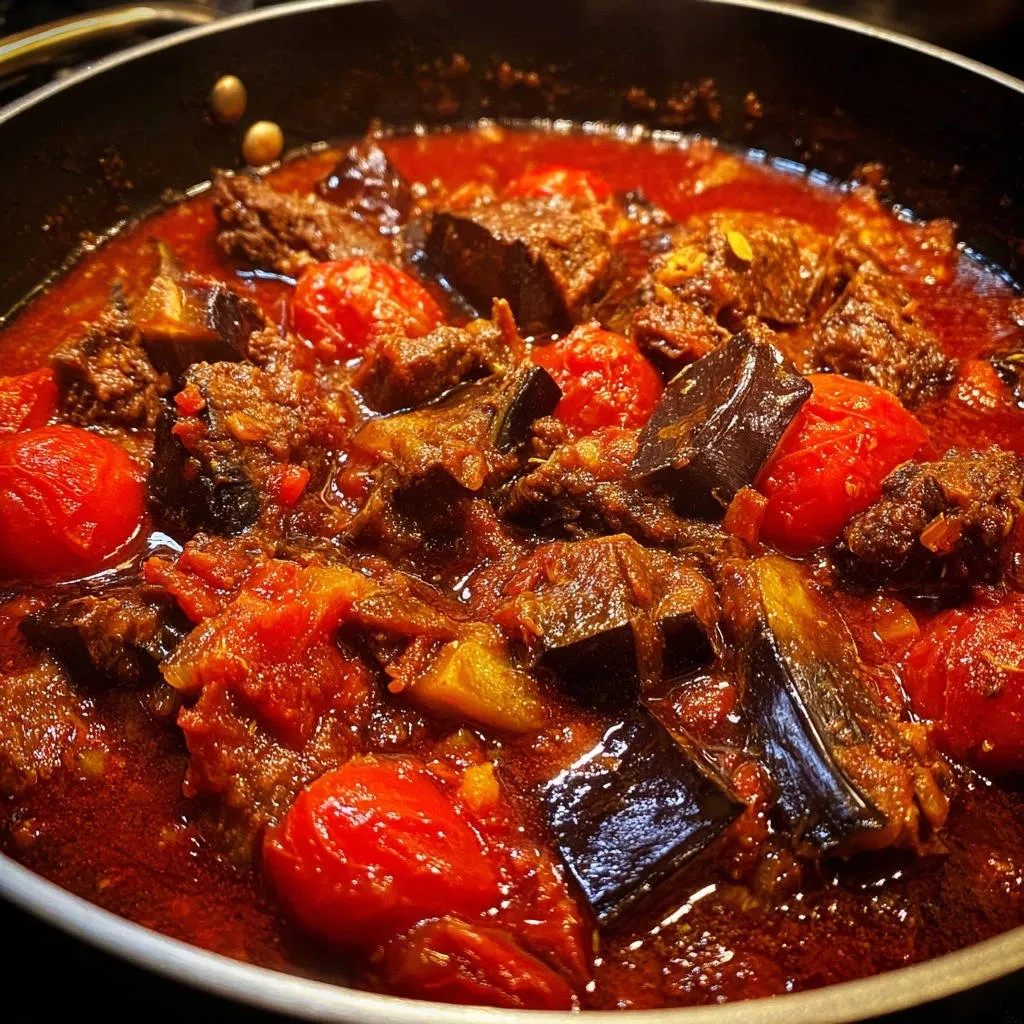
For years, I struggled with stews where the eggplant melted into an unrecognizable, brown mush, sacrificing texture for flavor. I’m delighted to share my definitive guide to making a stunningly balanced Hearty Beef and Eggplant Stew that solves this exact problem.
For a stew that melts in your mouth, check out this rich beef and white bean stew.
This method-which involves a simple preparatory step-guarantees every piece of eggplant holds its beautiful, tender shape while soaking up the rich, savory sauce. This is the trusted, expert recipe that delivers deep flavor and flawless texture every single time.
Say Goodbye to Sludge: Why This Hearty Beef and Eggplant Stew Stands Out
Traditional eggplant stews often suffer because eggplant is like a sponge; it readily absorbs liquid and fat, and its high water content causes it to collapse under prolonged simmering.
For a similarly rich flavor, explore slow-braised beef and white bean stew.
Our method focuses on two crucial techniques: salting the eggplant to draw out moisture, and pre-searing the cubes to create a protective, structural barrier. This ensures the eggplant stays intact and tender, not dissolved.
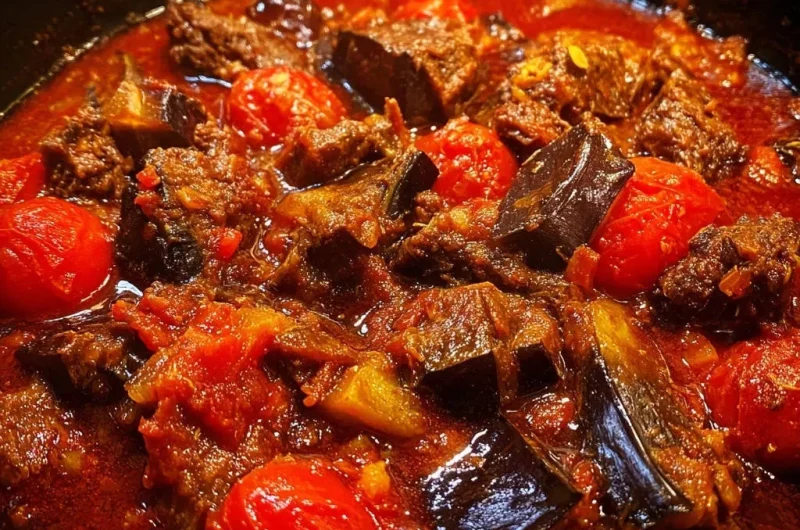
The result is a comforting, deeply savory stew where the chunky beef is fork-tender, and the eggplant contributes a silky, meaty texture without compromising the visual appeal or richness of the gravy.
The Flavor Foundation: Ingredients for an Irresistible Stew
High-quality ingredients are paramount when creating a slow-simmered dish. Focusing on freshness and proper preparation elevates the final taste.
Selecting the Best Beef Stew Cut
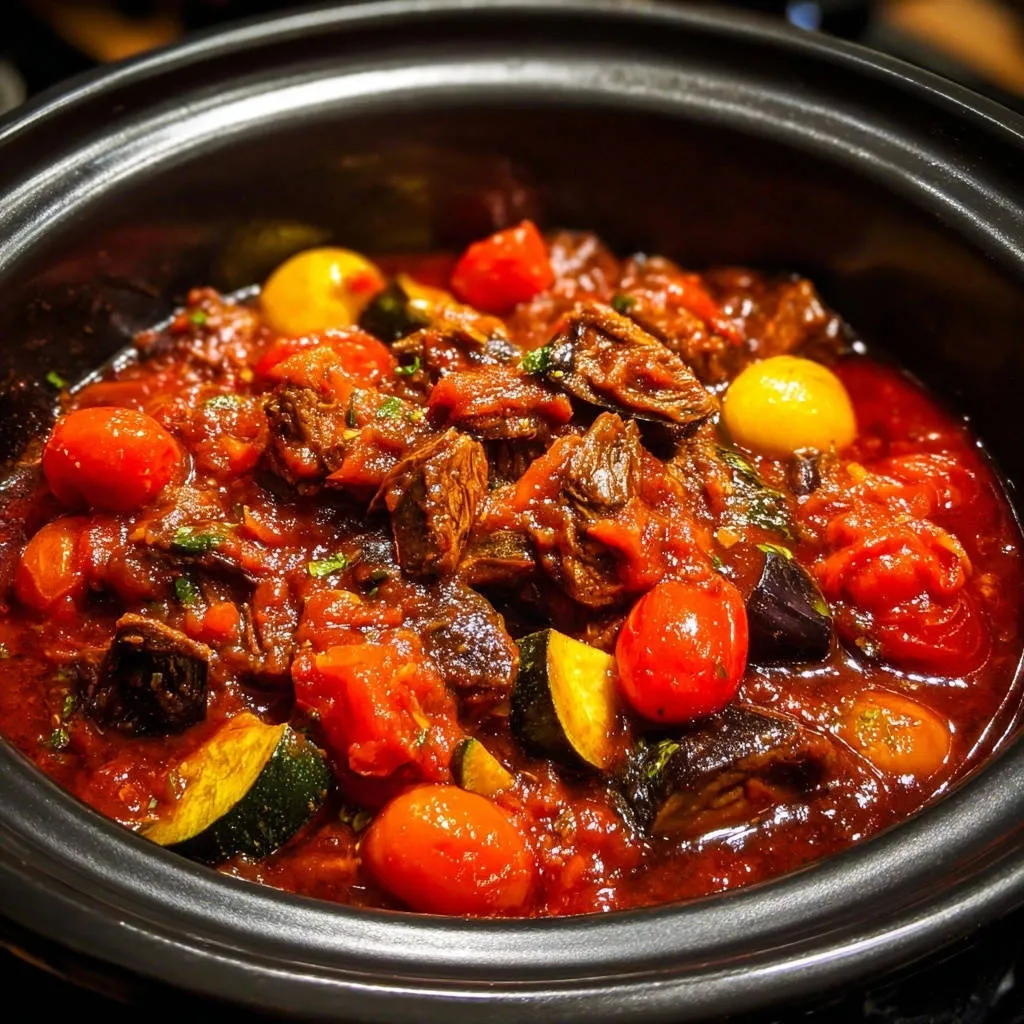
We rely on robust cuts like beef chuck (often labeled stew meat) or bottom round because their high collagen content melts slowly, resulting in luxurious, tender meat. Trimming excess surface fat from the cubes prevents the final stew from becoming overly greasy or oily.
The Critical Role of Eggplant (and the Salting Technique)
Standard globe or Italian eggplants work perfectly for this recipe. The preliminary salting step is non-negotiable; tossing the cubes with salt helps leach out bitterness and, more importantly, essential moisture.
Removing this excess water dramatically reduces the eggplant’s capacity to absorb frying oil, leading to cleaner browning and a structure that resists dissolving during the long simmer.
Aromatic Depth: Tomatoes, Paste, and Turmeric
We use a dual tomato approach: crushed tomatoes form the thick, foundational sauce, while whole cherry or grape tomatoes burst during simmering, adding fresh pops of sweetness and varying texture. Tomato paste provides concentrated umami depth.
Turmeric is included not just for its subtle, earthy warmth but also for imparting a gorgeous, golden-amber hue to the stew, enhancing its visual appeal. This combination of spices creates a flavor profile that is warm and comforting.
Essential Equipment for Stew Success
Using the correct tools is crucial for achieving high, even heat retention and simplifying the cooking process.
Heavy Dutch Oven or Stew Pot: A thick, heavy-bottomed pot ensures even heat distribution, which is necessary for deep browning and preventing scorching during the long, slow simmer.
Colander: Essential for the salting process, allowing the moisture drawn out of the eggplant to drain away efficiently.
Large Tongs or Slotted Spoon: Necessary for turning the beef and eggplant during searing and for handling the ingredients without disturbing the fond (the flavorful brown bits) on the pot bottom.
Crafting Perfection: Step-by-Step Instructions
Phase 1: The Critical Eggplant Moisture Removal
Toss the 1-inch eggplant cubes thoroughly with 1 teaspoon of salt in a colander. Allow them to sit undisturbed for a full 30 minutes. This draws out bitter juices and moisture, minimizing oil absorption later.
After the time is up, give the eggplant a quick, light rinse to remove the excess salt. Crucially, pat the pieces completely dry using paper towels; any residual water will inhibit a proper sear.
Phase 2: Searing to Lock in Eggplant Structure
Heat 1 tablespoon of olive oil over medium-high heat in your Dutch oven. Add the dried eggplant, working in batches if needed to avoid crowding. Sear the pieces for 4 to 6 minutes, turning occasionally.
Look for a beautiful golden-brown exterior on all sides. This quick sear tenderizes the eggplant slightly and, more importantly, creates a structural crust that prevents the cubes from disintegrating during the long simmer. Remove the seared eggplant and reserve it on a plate; it will only be added back right at the end.
Phase 3: Deep Browning the Beef
Add the remaining 1 tablespoon of olive oil to the pot. Pat the cubed beef dry and season generously with salt and pepper. Sear the beef in batches, ensuring there is plenty of space between the pieces.
Achieving a deep, dark brown crust is vital-this creates the rich, complex flavor (fond) that forms the foundation of the stew’s gravy. Remove the seared beef and set it aside with the eggplant.
Phase 4: Building the Rich Sauce Base
Reduce the heat to medium. Add the diced onion to the pot, scraping up any browned bits (fond) from the beef, and sauté until the onions are soft and translucent, about 5 minutes.
Stir in the minced garlic and the tomato paste. Cook for 1 minute until the mixture is deeply fragrant. This brief cooking time toasts the tomato paste, deepening its color and intensifying its inherent sweetness through the Maillard reaction. Finally, stir in the turmeric and black pepper.
Phase 5: The Primary Slow Simmer
Return the seared beef to the pot. Add the crushed tomatoes, the beef broth, and the whole cherry tomatoes. Bring the mixture to a very gentle simmer.
Cover the pot tightly and cook in the oven or on the stovetop for 1 hour and 45 minutes. This dedicated simmering time is exclusively for breaking down the tough connective tissue in the beef until it is meltingly tender.
Phase 6: The Texture Lock-In Final Simmer
Once the beef is fully tender, gently stir the reserved, pre-seared eggplant pieces back into the stew. Do this very carefully to avoid breaking the beef or the whole tomatoes.
Cover the pot and continue to simmer for an additional 20 to 25 minutes. This shorter, final simmer allows the eggplant to warm through completely and soak up the sauce’s flavor without risking its carefully maintained structure. Taste and adjust final seasonings before serving.
Chef’s Secrets and Troubleshooting Your Stew
How to Prevent Eggplant from Turning Bitter
Older or very large eggplants tend to harbor more bitter compounds. Always select smaller, firm eggplants with tight, glossy skin.
Ensure you follow the full 30-minute salting process. If you notice any bitterness, extending the salting time to 45 minutes can sometimes help draw out additional compounds.
Achieving Ultimate Beef Tenderness
Beef is perfectly tender when you can press it gently against the side of the pot and it easily flakes or tears (the fork-tender test). If the meat is still tough after the recommended cooking time, it simply needs more time-do not increase the heat drastically.
Reduce the heat to the lowest setting and continue simmering, checking every 15 minutes. Toughness usually means the collagen has not yet fully melted down, and extended, low heat is the solution.
Boosting Umami and Richness (Optional Add-ins)
To deepen the savory complexity of this Hearty Beef and Eggplant Stew, consider adding a tablespoon of dark soy sauce or a teaspoon of granulated mushroom powder (like porcini) during Phase 4.
If you prefer a rich, classic flavor, a quarter cup of red grape juice can be added immediately after the onions are sautéed. Let the grape juice simmer until it has almost completely evaporated before adding the crushed tomatoes and broth.
Fixing a Stew That Is Too Thin
If your stew gravy seems too liquid at the end of the cooking process, the easiest fix is to remove the lid and allow it to simmer uncovered for the last 15 to 20 minutes, which allows excess moisture to evaporate.
For a quicker fix, mix 1 tablespoon of cornstarch with 2 tablespoons of cold water (a slurry). Pour the slurry slowly into the simmering stew while stirring constantly; it will thicken the sauce within minutes. Remember, never add dry cornstarch or flour directly to hot liquid.
Serving, Storing, and Meal Prepping
What to Serve with Hearty Beef and Eggplant Stew
The rich, savory nature of this stew pairs beautifully with simple starches that can absorb the luxurious gravy.
What to Pair With Your Hearty Beef and Eggplant Stew
Complement your rich stew with these vegetable dishes that bring bright flavors and satisfying textures.
- For a light and zesty accompaniment, try the perfect fluffy cilantro lime cauliflower rice, offering a fresh contrast to the stew’s depth.
- If you enjoy a bit of crunch, the crispy garlic parmesan cauliflower provides a delightful texture that holds up well alongside the tender stew.
- Creamy, traditional polenta or grits.
- Fluffy jasmine or basmati rice.
- Thick slices of crusty sourdough or French bread for dipping.
- A simple side salad dressed with vinaigrette to cut through the richness.
Make-Ahead and Storage Guidelines
This Hearty Beef and Eggplant Stew is an excellent candidate for making ahead, as the flavors meld and deepen significantly overnight. Store leftovers in an airtight container in the refrigerator for up to 4 days.
For long-term storage, cool the stew completely, transfer it to freezer-safe containers, leaving an inch of headspace, and freeze for up to 3 months. Thaw overnight in the refrigerator before reheating.
Frequently Asked Questions About Hearty Beef and Eggplant Stew
Can I make this Hearty Beef and Eggplant Stew in a slow cooker?
Yes, you can adapt this recipe for a slow cooker. You must complete the searing steps (Phases 2 and 3) in a pan first, as the slow cooker cannot achieve the necessary high heat for browning.
Transfer the browned beef and sauce ingredients to the slow cooker and cook on low for 6 to 8 hours. Add the reserved, pre-seared eggplant only during the last 30 minutes of cooking to ensure its texture remains intact.
Why is Turmeric used in this recipe?
Turmeric provides a delicate, slightly earthy and warm spice note that balances the acidity of the tomatoes without overpowering the savory beef.
Its primary role in this beef and eggplant dish is visual; it contributes a lovely, sun-kissed golden color to the finished gravy, which is traditional in many Mediterranean and Middle Eastern stew variations.
What is the best way to reheat the stew?
The best method for reheating stew is slowly on the stovetop over low to medium-low heat. Use a covered pot to maintain moisture.
Avoid the microwave if possible, as rapid, uneven heating can cause the beef to seize up or the perfectly tender eggplant to turn rubbery. Gentle reheating ensures the ingredients maintain their structural integrity.
Ready to Impress? Share Your Hearty Beef and Eggplant Stew Masterpiece!
With the simple, expert techniques outlined here, you can finally master the art of the perfect Hearty Beef and Eggplant Stew, ditching the fear of mushy vegetables forever.
This dish is guaranteed to become a family favorite, offering rich comfort and truly flawless texture. Try this recipe this week, and don’t forget to share your success stories!
Dig in and enjoy the depth of flavor you’ve created.
Beef and Eggplant Stew
Course: Soups-StewsCuisine: InternationalDifficulty: medium6
servings40
minutes2
hours380
kcal180
minutesThis stew features ultra-tender beef and a rich tomato base, but the star is the perfectly cooked eggplant. A quick salting and searing trick ensures the eggplant maintains its shape and silky texture throughout the long simmer. Serve this hearty meal over rice or with crusty bread.
Ingredients
2 pounds beef stew meat, trimmed and cubed
2 medium eggplants, cut into 1-inch cubes
1 teaspoon salt, plus more for seasoning
2 tablespoons olive oil, divided
1 large yellow onion, diced
4 cloves garlic, minced
1 (28 ounce) can crushed tomatoes
1 cup beef broth
1 cup whole cherry or grape tomatoes
1 tablespoon tomato paste
1/2 teaspoon turmeric
1/4 teaspoon black pepper
Directions
- Prepare the Eggplant. Place the eggplant cubes in a colander and toss them thoroughly with 1 teaspoon of salt. Let them sit for 30 minutes. This draws out excess moisture and prevents them from absorbing too much oil and dissolving during the simmer. After 30 minutes, rinse the eggplant lightly and pat the pieces completely dry with paper towels. This step is critical.
- Sear the Eggplant. Heat 1 tablespoon of olive oil in a large stew pot or Dutch oven over medium-high heat. Working in batches if necessary, add the dried eggplant pieces and fry them for 4 to 6 minutes, turning occasionally, until they are golden brown on all sides and slightly tenderized. Remove the eggplant from the pot and set it aside. Do not add it back yet.
- Brown the Meat. Add the remaining 1 tablespoon of olive oil to the pot. Season the cubed beef with salt and pepper. Working in batches, sear the beef pieces until they are deeply browned on all sides. Remove the meat and set it aside.
- Build the Sauce Base. Reduce the heat to medium. Add the diced onion to the pot and sauté until softened, about 5 minutes. Add the garlic and tomato paste and cook for 1 minute until fragrant. Stir in the turmeric and black pepper.
- Simmer and Finish. Return the beef to the pot. Add the crushed tomatoes, beef broth, and the whole cherry tomatoes. Bring the mixture to a gentle simmer, cover the pot, and cook for 1 hour and 45 minutes, or until the beef is very tender.
- Add the Eggplant for Texture Lock-In. After the main simmer time is complete, gently stir the reserved, pre-seared eggplant pieces back into the stew. Cover and continue to simmer for an additional 20 to 25 minutes. This final simmer allows the eggplant to finish cooking and soak up the sauce without losing its structure. Serve hot over rice or crusty bread.
Notes
- The key to this recipe is salting, rinsing, and searing the eggplant before simmering to ensure it retains its shape.