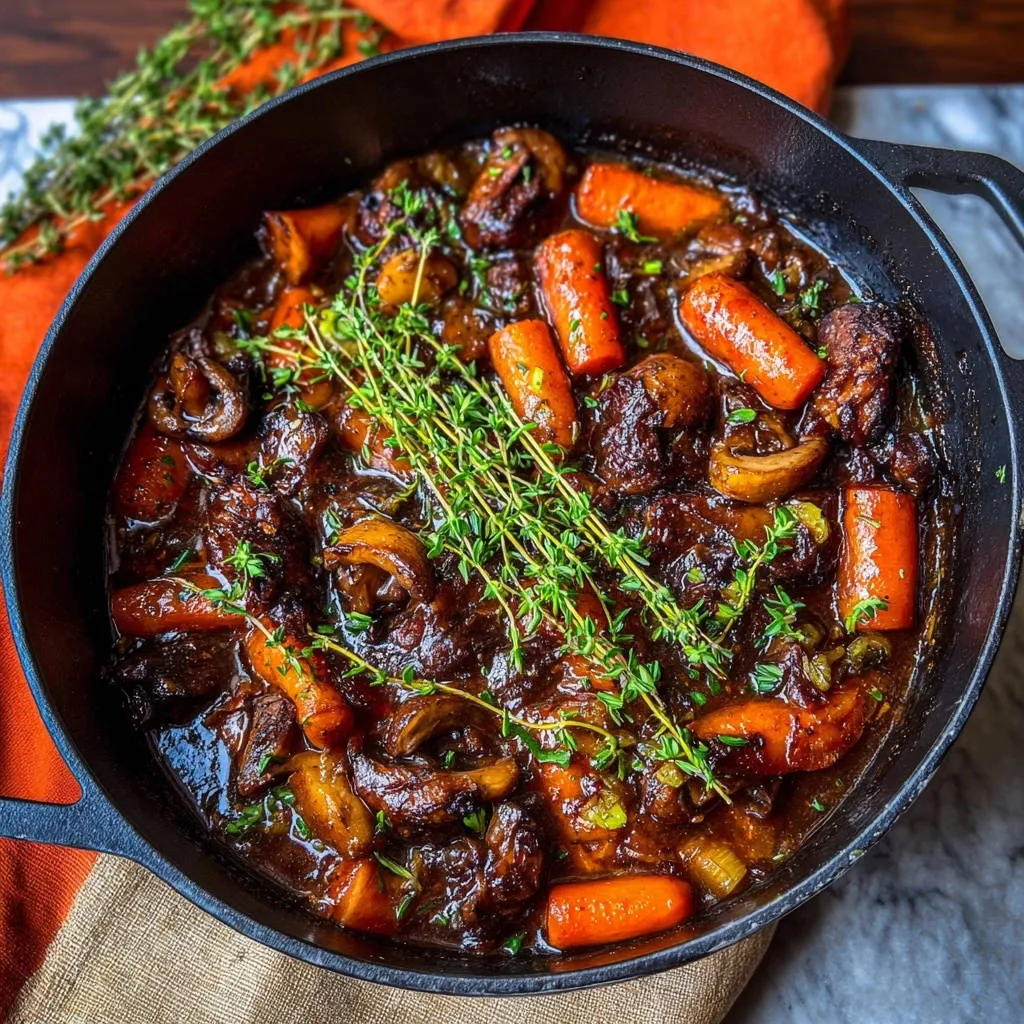
I’ve always loved a good stew, but finding that perfect, melt-in-your-mouth beef has often been a challenge. Many recipes leave you with chewy meat, but my method for this Hearty Beef and Mushroom Stew guarantees fork-tender results every single time.
This isn’t just another stew; it’s a testament to simple techniques that unlock unparalleled tenderness and rich, savory depth. Get ready for a comforting classic that will quickly become a cherished favorite.
Unlocking Ultimate Comfort: Why This Hearty Beef and Mushroom Stew Stands Out
The “Fork-Tender” Promise: A Guarantee of Melt-in-Your-Mouth Beef
The biggest disappointment in stew can be tough, dry beef. This Hearty Beef and Mushroom Stew recipe focuses on a specific braising technique that gently breaks down connective tissues.
This ensures every piece of beef is unbelievably tender, practically melting in your mouth with each bite. It’s a method that promises satisfaction over common stew letdowns.
Rich Flavors, Simple Steps: No Culinary Degree Required
Despite its complex and deeply satisfying flavor profile, this stew is remarkably straightforward to prepare. We build layers of flavor through intentional browning and slow cooking.
You don’t need advanced culinary skills to achieve a restaurant-quality dish. The steps are clear, concise, and designed for success in any home kitchen.
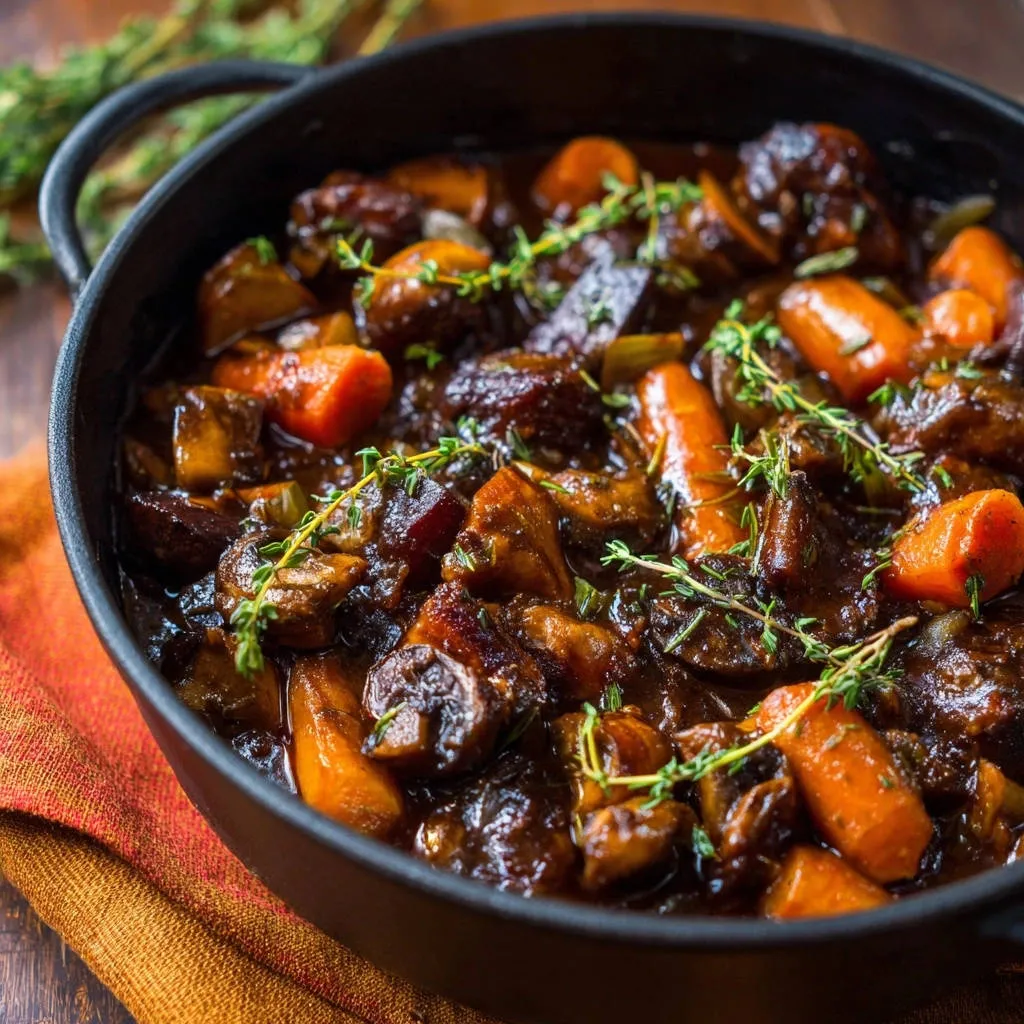
Perfect for Any Occasion: From Weeknight Warmth to Weekend Gatherings
This Hearty Beef and Mushroom Stew is incredibly versatile. It’s the ultimate comfort food for a chilly weeknight, offering a warm and hearty meal with minimal fuss once it’s in the oven.
Its robust flavors and elegant presentation also make it an ideal dish for weekend entertaining or special family gatherings. It’s a crowd-pleaser that always feels celebratory.
Essential Kitchen Tools for Your Stew-Making Adventure
The Indispensable Dutch Oven: Your Braising Best Friend
A heavy-bottomed Dutch oven or an oven-safe pot is absolutely crucial for this recipe. Its excellent heat retention and even heat distribution are perfect for searing and the long, slow braise.
This ensures the beef cooks uniformly and gently, preventing hot spots that could dry out the meat.
Sharp Knives and Sturdy Cutting Boards: Prep Like a Pro
Efficient and safe ingredient preparation begins with the right tools. A sharp chef’s knife makes quick work of chopping vegetables and trimming beef.
Pair it with a sturdy cutting board to ensure stability and safety throughout your prep.
Other Helpful Gadgets: Measuring Cups, Spoons, and More
Standard kitchen essentials like measuring cups and spoons are important for accurate ingredient amounts. A wooden spoon or spatula will be helpful for stirring and scraping the pot.
These simple items contribute to a smooth and enjoyable cooking process.
The Building Blocks of Flavor: What You’ll Need for Hearty Beef and Mushroom Stew
The Star of the Show: Choosing the Right Beef Stew Meat
Two pounds of beef stew meat, cut into 1 1/2-inch cubes, is ideal. Opt for chuck roast, as its marbling and connective tissues break down beautifully with slow cooking.
For that incredibly tender beef, learn how to achieve similar melt-in-your-mouth results with slow-braised beef short ribs.
Aim for even-sized cubes to ensure consistent tenderness throughout the stew.
Aromatic Foundations: Onion, Carrots, Celery, and Garlic
A large chopped onion, 2 peeled and cut carrots, and 2 chopped celery stalks form the classic mirepoix. This aromatic base is essential for deep flavor.
Three cloves of minced garlic add a pungent, warming note that is indispensable to this savory stew.
Earthy Goodness: Elevating Flavor with Cremini Mushrooms
Eight ounces of quartered cremini mushrooms add a wonderful earthy depth and meaty texture to the stew. Their robust flavor pairs exceptionally well with beef.
Feel free to explore other mushroom varieties like shiitake for different flavor nuances.
Braising Liquids and Flavor Boosters: Beef Broth, Water, and Tomato Paste
Two cups of beef broth provide a rich, savory liquid base for the braising process. One cup of water helps to balance the intensity of the broth.
Two tablespoons of tomato paste offer concentrated umami and a subtle sweetness that deepens the stew’s overall flavor profile.
Seasoning and Thickening: Flour, Salt, Pepper, and Fresh Thyme
A quarter cup of all-purpose flour lightly coats the beef, helping to create a flavorful crust and slightly thicken the stew. Salt and black pepper are crucial for seasoning.
Two sprigs of fresh thyme infuse a bright, herbaceous aroma during cooking, and more for garnish provides a fresh finish.
Crafting Culinary Comfort: Your Path to Hearty Beef and Mushroom Stew Perfection
Prep and Flour Power: Setting the Stage for Tenderness
Preheat your oven to 300°F (150°C). This low, consistent heat is key for tender results.
Thoroughly pat the beef stew meat dry with paper towels. This crucial step promotes excellent browning and a superior crust.
In a shallow dish, combine the flour, 1 teaspoon salt, and 1/2 teaspoon black pepper. Toss the beef cubes until each piece is lightly and evenly coated.
This flour mixture creates a flavorful crust and helps keep the meat incredibly tender as it cooks, preventing it from drying out.
The Searing Secret: Deep Browning for Unforgettable Flavor
Heat the olive oil in a large cast iron Dutch oven or oven-safe pot over medium-high heat until it shimmers. The hot oil is essential for a good sear.
Sear the beef in batches, ensuring not to crowd the pot. Cook until each side is deeply browned, which can take a few minutes per side.
This browning step is essential for developing rich, complex flavors (Maillard reaction) and contributing significantly to that melt-in-your-mouth texture.
Remove the seared beef from the pot and set it aside to prevent overcooking at this stage.
Building Layers: Sautéing Vegetables and Aromatics
Add the chopped onion, carrots, and celery to the pot, using any residual oil and browned bits. This begins building the foundational flavors.
Cook, stirring occasionally, until the vegetables begin to soften, typically 5-7 minutes.
Stir in the quartered cremini mushrooms and continue to cook until they release their liquid and start to brown, about 5 minutes more. This deepens their earthy flavor.
Add the minced garlic and tomato paste, cooking for just 1 minute until fragrant. Cooking the tomato paste briefly intensifies its flavor.
Simmer, Cover, and Braise: The Low and Slow Magic
Pour in the beef broth and water, scraping the bottom of the pot with a wooden spoon to release any flavorful browned bits (fond). This incorporates all the delicious caramelized goodness.
Bring the liquid to a gentle simmer on the stovetop.
Return the seared beef to the pot, along with the two sprigs of fresh thyme.
Cover the pot tightly with its lid and transfer it to your preheated oven.
Braise for 2 to 2 1/2 hours, or until the beef is incredibly fork-tender. The secret to truly tender stew meat is this low and slow oven cooking, which gently breaks down the connective tissues without drying out the meat.
For even more tender results, explore slow braised beef short ribs.
Check occasionally to ensure there’s enough liquid; if it looks low, add a splash more broth or water.
The Grand Finale: Seasoning and Serving Your Masterpiece
Once the beef is tender, carefully remove the pot from the oven.
Remove and discard the thyme sprigs. They have imparted their flavor, and their woody stems are not pleasant to eat.
Taste the stew and adjust the seasoning with more salt and pepper if needed. This final seasoning step ensures perfect balance.
Serve hot, garnished with a sprinkle of fresh thyme for a touch of freshness and visual appeal.
Beyond the Recipe: Expert Tips for Your Best Hearty Beef and Mushroom Stew
Achieving Unmatched Tenderness: The Drying and Searing Duo
Don’t Skip Patting Dry: Ensuring your beef is thoroughly dry before flouring and searing is paramount. Moisture on the surface prevents browning, and browning is where incredible flavor and that initial crust for tenderness begins.
Flavor Depth: Don’t Rush the Browning!
Patience with Searing: Resist the urge to rush the searing process. Deeply browned beef develops the complex, caramelized notes that are foundational to a rich stew. Sear in batches to avoid crowding the pot, which steams the meat instead of browning it.
Mastering the Mirepoix: Sautéing Vegetables to Perfection
Build the Flavor Base: Cook your onions, carrots, and celery until genuinely softened and slightly caramelized before adding other ingredients. This releases their natural sugars and creates a sweeter, deeper foundation for your stew.
The Thyme Touch: Fresh vs. Dried Considerations
Fresh Thyme is Best: While dried thyme can be used in a pinch (use 1/2 teaspoon for the 2 sprigs), fresh thyme sprigs infuse a brighter, more vibrant herbal note that elevates the overall flavor profile of the stew. Remember to remove the woody stems before serving.
Adjusting Consistency: Thicker or Thinner Stew?
Tailor to Your Preference: If your stew is too thin at the end, you can simmer it uncovered on the stovetop for a bit longer to reduce. If it’s too thick, simply stir in a splash more beef broth or water until it reaches your desired consistency.
Rescue My Stew! Common Issues and Quick Fixes
Problem: My Beef Isn’t Tender!
Solution: Tenderness comes with time and low heat. If your beef isn’t fork-tender after the recommended braising time, simply return the pot to the oven, covered, and continue cooking for another 30-60 minutes, checking periodically. Different cuts of beef and varying sizes can affect cooking time.
Problem: The Stew is Too Thin/Too Thick.
Solution (Too Thin): For a thicker stew, remove the lid and simmer on the stovetop over medium heat for 10-20 minutes, allowing the liquid to reduce. Alternatively, mix 1 tablespoon of cornstarch with 1 tablespoon of cold water, then stir this slurry into the simmering stew and cook for a few minutes until thickened.
Solution (Too Thick): If your stew is too thick, simply stir in a quarter-cup of additional beef broth or water at a time until it reaches your desired consistency. Bring it back to a gentle simmer to ensure everything is heated through.
Problem: The Stew is Lacking in Flavor.
Solution: The most common culprits are insufficient seasoning or not enough browning. Taste and adjust with more salt and pepper, or a dash of Worcestershire sauce for deeper umami. If the initial sear wasn’t dark enough, you might consider adding a bit more tomato paste or a small amount of beef bouillon base next time for extra depth.
Round Out Your Meal
To complement your hearty beef and mushroom stew, consider these comforting additions.
- For a warm, savory accompaniment to your stew, try these Garlic Cheddar Chive Drop Biscuits, perfect for soaking up any extra gravy.
- Enhance the richness of your stew with a side of Creamy Garlic Mashed Potatoes and Gravy, offering a smooth contrast to the stew’s textures.
Serving Your Hearty Creation: Perfect Pairings and Presentation
Classic Comfort: Mashed Potatoes, Noodles, or Rice
The rich, savory gravy of Hearty Beef and Mushroom Stew is perfectly complemented by creamy mashed potatoes, soaking up every last drop of flavor. Egg noodles or fluffy white rice also make excellent vehicles for this comforting dish.
Crusty Bread for Dipping: Don’t Waste a Drop!
A warm, crusty baguette or a hearty sourdough loaf is essential for soaking up the delicious juices. It’s the perfect companion to ensure no flavorful drop goes to waste.
A Fresh Touch: Garnish Ideas to Elevate Your Plate
While fresh thyme is a classic garnish, consider a sprinkle of chopped fresh parsley or chives for a pop of color and an extra layer of herbaceous freshness. A dollop of sour cream or crème fraîche can also add a delightful creamy tang.
Planning Ahead: Make-Ahead, Storage, and Freezing Tips
Can I Make This Stew Ahead of Time?
Yes, Absolutely! Hearty Beef and Mushroom Stew is one of those dishes that often tastes even better the next day as the flavors have more time to meld. Prepare it a day in advance, cool completely, and then gently reheat on the stovetop or in the oven.
Storing Leftovers: Keeping Your Stew Fresh
Once cooled, transfer leftover stew to an airtight container. It will keep beautifully in the refrigerator for 3-4 days. Reheat gently over low heat on the stovetop, adding a splash of broth or water if it has thickened too much.
Freezing for Future Feasts: A Handy Option
Hearty Beef and Mushroom Stew freezes exceptionally well. Allow it to cool completely, then transfer to freezer-safe containers or heavy-duty freezer bags. It can be frozen for up to 3 months. Thaw overnight in the refrigerator before reheating on the stovetop.
Your Hearty Beef and Mushroom Stew Questions Answered
What’s the best cut of beef for stew?
For the most tender and flavorful stew, chuck roast (often labeled as “beef for stew”) is highly recommended. It contains collagen that breaks down beautifully during low-and-slow cooking, resulting in that desirable melt-in-your-mouth texture.
Can I use different types of mushrooms?
Absolutely! While cremini mushrooms provide a classic, earthy flavor, feel free to experiment with other varieties. Shiitake, button mushrooms, or a mix of wild mushrooms can add different nuances and depths of flavor to your Hearty Beef and Mushroom Stew.
Is it possible to make this stew in a slow cooker or instant pot?
Yes, this recipe can be adapted. For a slow cooker, sear the beef and sauté the vegetables on the stovetop first (highly recommended for flavor), then combine all ingredients in the slow cooker and cook on low for 6-8 hours or high for 3-4 hours. For an Instant Pot, use the sauté function for browning and sautéing, then pressure cook on high for 35-45 minutes with a natural release, adjusting liquid as needed.
How can I make this gluten-free?
To make this stew gluten-free, simply substitute the all-purpose flour with a gluten-free all-purpose flour blend (ensure it contains xanthan gum) for coating the beef. Alternatively, you can omit the flour coating entirely and thicken the stew at the end with a cornstarch slurry (as described in the troubleshooting section) or a gluten-free roux made with butter and gluten-free flour.
Ready to Impress? Share Your Hearty Beef and Mushroom Stew Masterpiece!
Now that you’re armed with the secrets to truly tender beef and a deeply flavorful broth, it’s time to create your own masterpiece. This Hearty Beef and Mushroom Stew isn’t just a meal; it’s an experience, a warm hug on a plate that promises to satisfy and delight.
We encourage you to try this recipe and discover the magic of perfectly braised beef for yourself. Don’t forget to share your culinary creations and tag us on social media – we love seeing your delicious results!
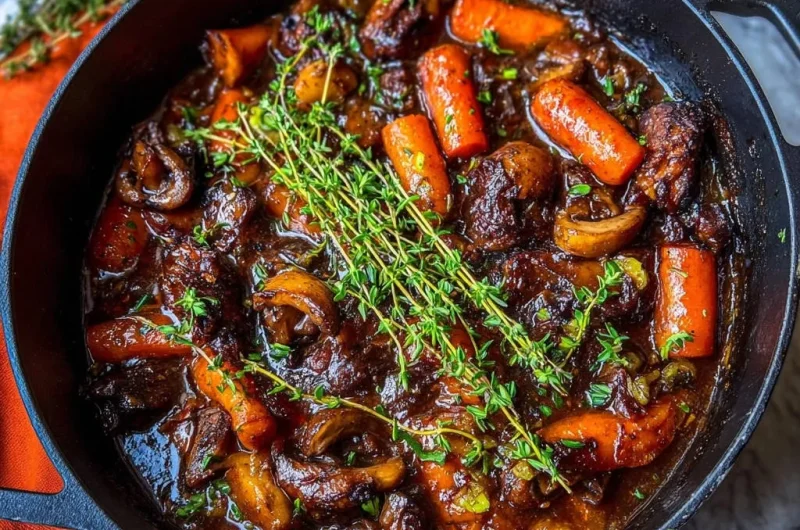
Beef Stew
Course: Soups-StewsCuisine: AmericanDifficulty: medium4
servings30
minutes2
hours550
kcal180
minutesDiscover the secret to perfectly tender beef every time with this comforting Hearty Beef and Mushroom Stew. This recipe uses a simple low-and-slow braising method, ensuring the beef melts in your mouth. Full of rich flavors from browned beef, savory mushrooms, and aromatic vegetables, it’s a truly satisfying meal.
Ingredients
2 pounds beef stew meat, cut into 1 1/2 inch cubes
1/4 cup all-purpose flour
1 teaspoon salt, plus more to taste
1/2 teaspoon black pepper, plus more to taste
2 tablespoons olive oil
1 large onion, chopped
2 carrots, peeled and cut into 1-inch pieces (or 1 cup baby carrots)
2 stalks celery, chopped
8 ounces cremini mushrooms, quartered
3 cloves garlic, minced
2 tablespoons tomato paste
2 cups beef broth
1 cup water
2 sprigs fresh thyme, plus more for garnish
Directions
- Preheat your oven to 300°F (150°C). Pat the beef stew meat thoroughly dry with paper towels. In a shallow dish, combine the flour, 1 teaspoon salt, and 1/2 teaspoon black pepper. Toss the beef cubes with the flour mixture until each piece is lightly and evenly coated. This important step helps create a flavorful crust and keeps the meat incredibly tender as it cooks.
- Heat the olive oil in a large cast iron Dutch oven or oven-safe pot over medium-high heat until shimmering. Sear the beef in batches, making sure not to crowd the pot, until each side is deeply browned. This browning is essential for locking in flavor and contributing to that melt-in-your-mouth texture. Remove the seared beef from the pot and set it aside.
- Add the chopped onion, carrots, and celery to the pot. Cook, stirring occasionally, until the vegetables begin to soften, about 5-7 minutes. Add the quartered mushrooms and continue to cook until they release their liquid and start to brown, about 5 minutes more. Stir in the minced garlic and tomato paste, cooking for just 1 minute until fragrant.
- Pour in the beef broth and water, scraping the bottom of the pot with a spoon to release any flavorful browned bits. Bring the liquid to a gentle simmer. Return the seared beef to the pot along with the two sprigs of fresh thyme.
- Cover the pot tightly with its lid and transfer it to your preheated oven. Braise for 2 to 2 1/2 hours, or until the beef is incredibly fork-tender. The secret to truly tender stew meat is this low and slow oven cooking, which gently breaks down the connective tissues without drying out the meat. Check occasionally to ensure there’s enough liquid; if it looks low, add a splash more broth or water.
- Once the beef is tender, remove the pot from the oven. Carefully remove and discard the thyme sprigs. Taste the stew and adjust the seasoning with more salt and pepper if needed. Serve hot, garnished with fresh thyme.
Notes
- The secret to fork-tender beef is the low and slow oven braising method.