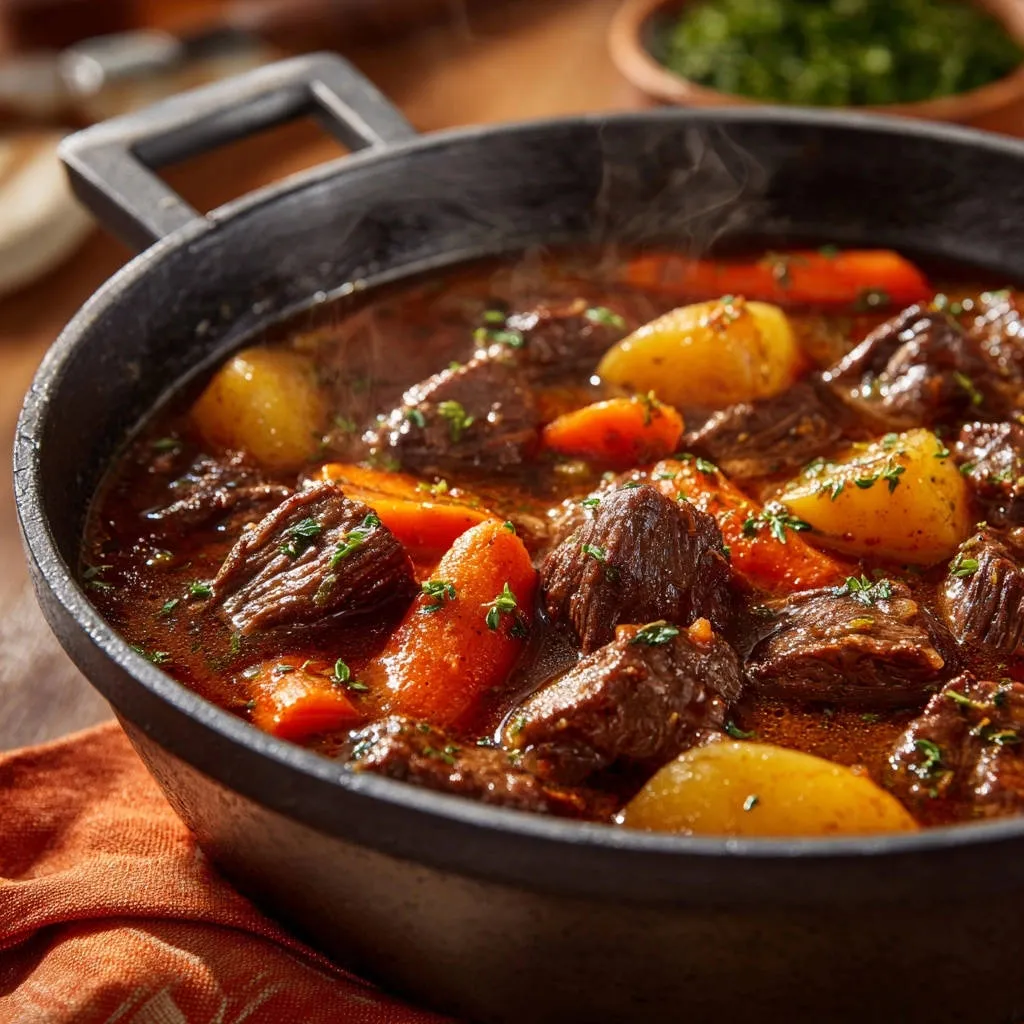
There’s nothing quite like a truly amazing Hearty Beef Stew, but I know the struggle of tough, chewy meat can be frustrating. My secret to achieving that coveted melt-in-your-mouth tenderness comes down to a few simple, often overlooked steps. This recipe transforms humble ingredients into a deeply flavorful, comforting meal that will quickly become a family favorite.
The Game-Changing Secret to Tender Beef Stew
Many home cooks face the disappointment of dry or tough beef in their stew. It’s a common issue that can leave you wondering where you went wrong. The secret to succulent, fall-apart beef lies not in an exotic ingredient, but in a two-part cooking method.
First, we focus on intense searing, which builds incredible foundational flavor through the Maillard reaction. Second, and crucially, comes the `low-and-slow braising` process. This extended gentle simmer breaks down the beef’s tough connective tissues, transforming them into luxurious gelatin for that truly `melt-in-your-mouth tenderness`.
Building Blocks of Flavor: Essential Ingredients
Crafting a memorable `Hearty Beef Stew` begins with understanding the role each ingredient plays. Quality matters, and a little attention to detail in selection can elevate your dish significantly.
The Star: Beef Chuck
Beef chuck is the ideal cut for stew due to its rich marbling and abundant connective tissue. These elements are precisely what break down during slow cooking to create exceptional tenderness and flavor.
Aim for 1.5-inch cubes, as this size allows them to cook evenly without becoming too small or drying out. Patting the beef very dry with paper towels is a crucial preparatory step for achieving a perfect, deep sear.
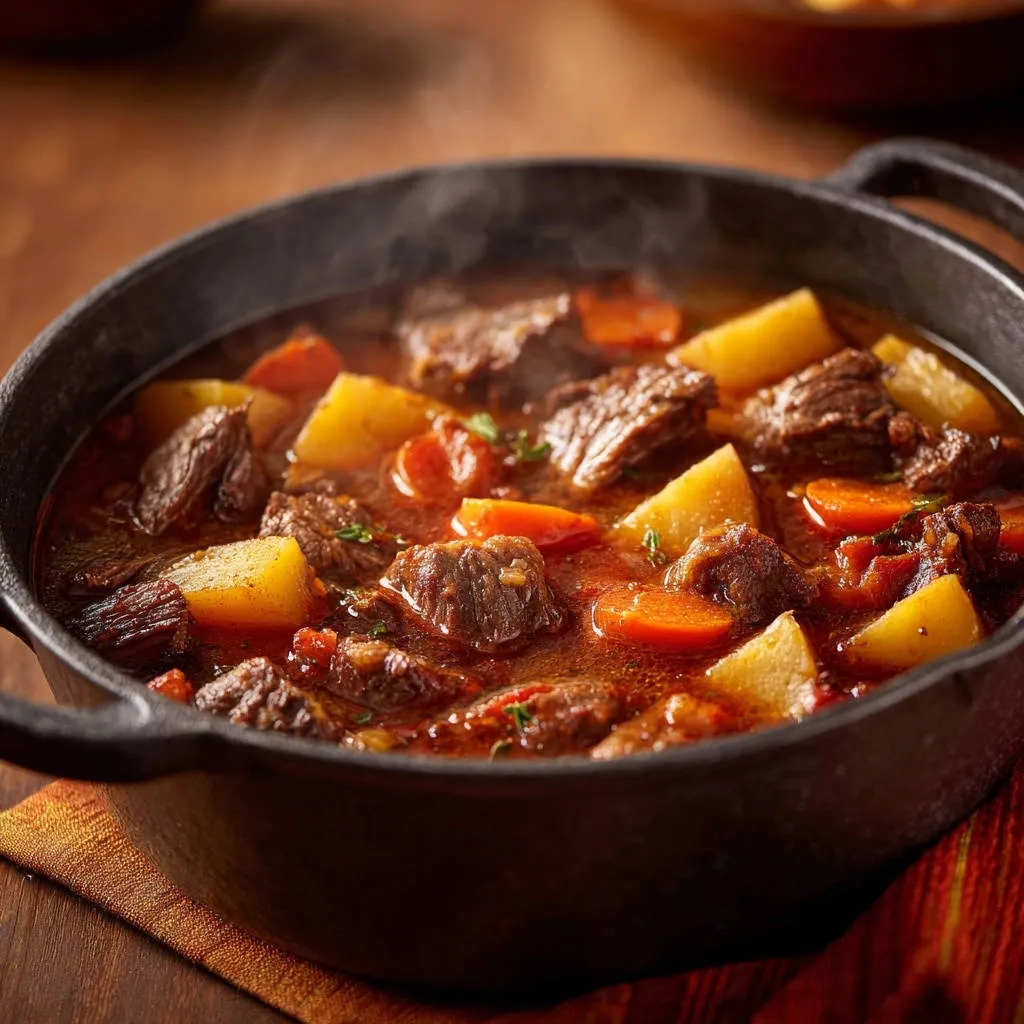
Aromatics & Flavor Boosters
Onion, garlic, and tomato paste are the unsung heroes that build the stew’s aromatic foundation and depth of flavor. The sweet mellowness of sautéed onion provides a crucial base.
Fresh minced garlic adds a pungent warmth that permeates the stew as it simmers. Tomato paste is a powerful umami booster, concentrating rich, savory notes and lending a beautiful color to the sauce.
Liquids & Thickeners
Beef broth forms the savory liquid base of our stew, so choosing a good quality broth is essential for a superior flavor profile. Homemade stock will always yield the best results.
All-purpose flour plays a dual role: it helps brown the beef more effectively and thickens the stew to a luxurious consistency. When combined with the deglazing step, it ensures all those delicious browned bits are incorporated into the sauce.
Hearty Vegetables
Potatoes and carrots are classic additions, offering both substance and a touch of natural sweetness. Small potatoes can be halved, while larger ones should be cut into 1.5-inch chunks to match the beef’s cooking time.
Carrots, sliced into 1-inch pieces, soften beautifully while retaining some bite and vibrant color. These vegetables transform from simple additions into components deeply infused with the stew’s `savory stew` flavors.
Essential Seasonings
Salt and black pepper are fundamental, bringing out and balancing all the other flavors. Don’t be shy with seasoning the beef directly before searing.
Dried thyme contributes an earthy, slightly floral note that complements beef wonderfully. A bay leaf adds a subtle, almost woodsy aroma and depth, which you’ll remove before serving.
Essential Tools for Your Stew-Making Success
Having the right kitchen tools makes the process of creating a delicious stew much smoother. These essentials ensure you can handle each step with confidence.
Dutch Oven or Heavy-Bottomed Pot: This is your primary vessel. A heavy pot, particularly a Dutch oven, distributes heat evenly, preventing scorching and ensuring consistent cooking throughout the long braising process. It’s also ideal for searing.
Wooden Spoon: Crucial for stirring and, most importantly, for scraping up the caramelized, browned bits from the bottom of the pot during deglazing. These bits are pure flavor!
Sharp Knife & Cutting Board: Essential for efficiently and safely preparing all your ingredients, from cubing the beef to chopping the vegetables. A sharp knife makes prep work enjoyable.
Measuring Cups & Spoons: For accurate ingredient proportions, ensuring your stew has the perfect balance of flavors and consistency. Precision helps guarantee delicious results every time.
Crafting Perfection: Your Step-by-Step Stew Guide
Follow these steps closely to ensure your `Hearty Beef Stew` achieves that coveted `fall-apart beef` texture and rich, comforting flavor.
Prepare and Flour the Beef: Begin by patting your beef chuck cubes very dry with paper towels. This step is absolutely critical for achieving a good sear. Season them generously with salt and pepper, then lightly dredge the beef in all-purpose flour, shaking off any excess. This thin coating aids in browning and helps thicken the stew.
Sear for Deep Flavor: Heat the olive oil in a large, heavy-bottomed pot or Dutch oven over medium-high heat until it shimmers. Add the beef in a single layer, making sure not to overcrowd the pan; work in batches if necessary. Sear the beef until it’s deeply browned on all sides, about 3-4 minutes per side, as this deep caramelization builds incredible flavor and a crust that locks in juices.
Sauté Aromatics and Tomato Paste: Remove the browned beef to a plate and set it aside. Reduce the heat to medium and add the chopped onion to the pot, cooking until softened (about 5-7 minutes). Stir in the minced garlic and tomato paste, cooking for another minute until fragrant, which deepens their flavors.
Deglaze and Combine: Pour a small amount of beef broth into the pot and scrape up any delicious browned bits from the bottom with a wooden spoon; this deglazing process is vital for capturing all that concentrated flavor. Return the browned beef to the pot, then add the remaining beef broth, dried thyme, and bay leaf.
The Long, Slow Simmer for Tenderness: Bring the stew to a gentle simmer. Once simmering, reduce the heat to low, cover the pot tightly, and cook for 1.5 hours. This prolonged, gentle braising is the absolute secret to breaking down tough meat fibers, resulting in wonderfully tender, succulent beef.
For even deeper tenderness, learn how to achieve slow-braised beef short ribs.
Introduce the Vegetables: After the initial 1.5 hours of cooking, carefully add the halved potatoes and cut carrots to the pot. Stir gently to ensure they are submerged in the rich liquid. Adding them at this stage prevents them from becoming mushy during the longer braise.
For achieving that truly tender result, explore the art of creamy slow-simmered beef stew.
Finish Cooking Until Perfection: Cover the pot again and continue to cook on low heat for another 45-60 minutes. The stew is ready when the beef is fall-apart tender and the vegetables are cooked through and easily pierced with a fork. Check for doneness as cooking times can vary slightly.
Taste, Adjust, and Serve: Carefully remove and discard the bay leaf. Taste the stew and adjust seasoning with additional salt and pepper if needed, as flavors intensify and meld during cooking. Ladle your glorious `Hearty Beef Stew` into warm bowls and garnish generously with fresh chopped parsley before serving for a pop of freshness.
Complementary Dishes
To round out your hearty beef stew meal, consider these complementary dishes.
- For a comforting addition, try this golden cornbread and herb stuffing, which offers a different texture and savory notes.
- If you’re looking for something lighter, pair your stew with our grilled chicken kale and cabbage power salad for a fresh contrast to the rich stew.
Chef’s Secrets: Elevating Your Hearty Beef Stew
Transform a good `Hearty Beef Stew` into an extraordinary one with these expert tips and tricks. Small details can make a big difference in the final taste and texture.
Don’t Skimp on Searing: Resist the urge to rush this step! Deep browning the beef creates the foundational umami flavor (the Maillard reaction) that truly makes your stew rich and complex. Take your time to get a good crust on all sides.
Quality Beef Broth Matters: Since broth forms the base of your stew, invest in a good quality, low-sodium beef broth, or better yet, use homemade stock. A superior broth will yield a much richer and more nuanced flavor.
Adjust Seasoning Gradually: Stews evolve in flavor over time. Start with seasoning the beef, then taste and adjust the salt and pepper levels at various stages, especially before serving. You can always add more, but you can’t take it away.
Fresh Herbs for Finish: While dried thyme works well during cooking, a generous sprinkle of fresh chopped parsley, chives, or even a few sprigs of fresh rosemary at the end adds incredible brightness, aroma, and a gourmet touch. The vibrant green looks beautiful too.
Let It Rest: Just like a roast, allowing your stew to rest off the heat for 10-15 minutes before serving allows the flavors to meld and deepen further. It also gives the sauce a chance to settle and slightly thicken, enhancing the overall experience.
Troubleshooting Your Stew: Common Issues & Quick Fixes
Even seasoned cooks encounter hiccups. Here are solutions to common `beef and vegetable stew` challenges, ensuring your meal is always a triumph.
Why Is My Beef Still Tough?
If your beef isn’t falling apart, it almost certainly needs more time. `Tough beef stew` is usually a sign of insufficient slow cooking; the connective tissues haven’t had enough time to break down. Continue simmering it on low heat, covered, until it reaches that desired fork-tender stage.
Also, ensure your heat isn’t too high, which can seize the meat fibers. A gentle simmer is key, and remember that beef chuck is designed for this slow transformation.
My Stew is Too Thin/Too Thick!
If your stew is too thin, create a slurry by mixing a tablespoon of cornstarch with a tablespoon of cold water until smooth. Stir it into the simmering stew gradually until desired thickness is reached.
If it’s too thick, simply add a splash more beef broth or water, a quarter cup at a time, until the consistency is just right. Bring it back to a gentle simmer to ensure everything is heated through.
Missing That Depth of Flavor?
A lack of deep flavor can often be remedied. Ensure you achieved a very dark sear on your beef initially; this is foundational.
Consider adding another tablespoon of tomato paste, letting it cook with the aromatics. More seasonings like a dash of Worcestershire sauce or even a tiny amount of soy sauce can boost umami without altering the core flavor profile.
Beyond the Pot: Serving, Storing, and Customizing
Once you’ve mastered this `comforting stew`, you’ll find it’s incredibly versatile for serving, easy to store, and fun to customize.
Perfect Pairings & Serving Suggestions
A rustic `Hearty Beef Stew` deserves equally comforting accompaniments. Crusty bread is a must for soaking up every drop of rich gravy. Creamy mashed potatoes or a decadent perfect creamy potato gratin offer a wonderfully complementary texture.
For a lighter contrast, serve it alongside a simple green salad with a bright vinaigrette. It’s a complete meal that truly satisfies.
Make-Ahead & Freezing Tips
This stew is even more delicious the next day, making it an excellent make-ahead meal. Allow it to cool completely before transferring to an airtight container and refrigerating for up to 3-4 days.
For longer storage, freeze portions in freezer-safe containers for up to 3 months. Thaw overnight in the refrigerator and reheat gently on the stovetop, adding a splash of broth if needed to restore consistency.
Recipe Variations to Explore
Feel free to make this recipe your own with simple modifications. Add other root vegetables like parsnips or celery along with the carrots and potatoes for added complexity.
Mushrooms, sautéed and added during the last 30 minutes of cooking, introduce an earthy depth. For a touch of acidity and brightness, stir in a teaspoon of balsamic vinegar or a squeeze of lemon juice just before serving.
Your Hearty Beef Stew Questions Answered
We’ve gathered some common questions to help you become a true `Hearty Beef Stew` expert.
Can I make this Hearty Beef Stew in a slow cooker?
Absolutely, it adapts beautifully! Sear the beef and sauté the aromatics on the stovetop first-this step is vital for flavor. Transfer everything to your slow cooker, then cook on low for 6-8 hours or high for 3-4 hours. Add your potatoes and carrots during the last 1.5-2 hours of cooking.
How can I make this recipe gluten-free?
Making this stew gluten-free is straightforward. Replace the all-purpose flour with a gluten-free flour blend for dredging the beef. Ensure your beef broth is certified gluten-free, and if you need extra thickening, a cornstarch slurry works perfectly.
What’s the best way to reheat leftover stew?
The best way to reheat leftover stew is gently on the stovetop over low to medium-low heat, stirring occasionally. This prevents scorching and helps maintain the beef’s tender texture. If it’s too thick, add a small splash of beef broth or water while reheating.
Can I add other vegetables to this stew?
Yes, you can! Incorporate vegetables like parsnips, turnips, or celery along with the carrots and potatoes. Softer vegetables like green peas or corn should be added in the last 15-20 minutes of cooking to prevent them from becoming overly soft or mushy.
Ready to Create Your Own Hearty Beef Stew Masterpiece?
There’s immense satisfaction in serving a truly magnificent `Hearty Beef Stew`, especially when the beef is gloriously tender and the flavors are deeply comforting. You now have all the knowledge and tips to create a dish that will warm souls and impress taste buds.
Don’t hesitate to dive into this recipe; your kitchen will be filled with an irresistible aroma, and your efforts will be rewarded with a truly unforgettable meal. If you love comforting, slow-cooked meals, you might also enjoy our recipe for a classic comfort pot roast for another delicious option.
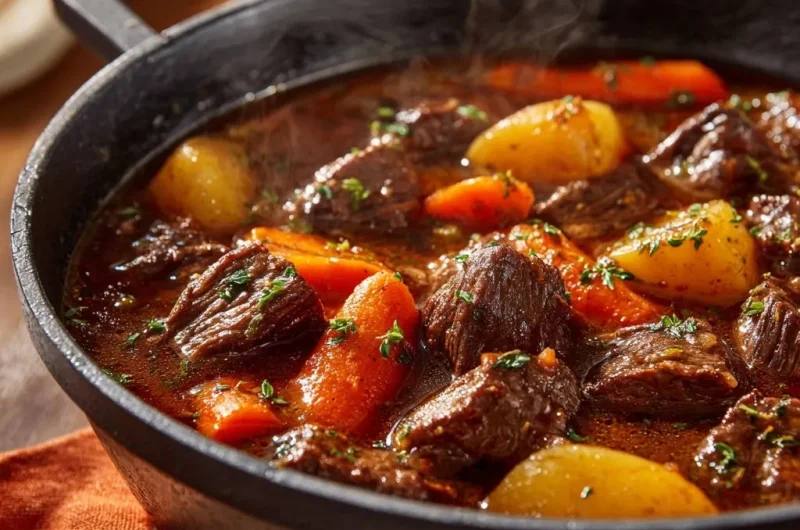
Beef Stew
Course: Soups-StewsCuisine: AmericanDifficulty: medium6
servings30
minutes2
hours450
kcal180
minutesTransform tough beef into melt-in-your-mouth tender perfection with this game-changing hearty beef stew recipe. Every spoonful is packed with incredible flavor, thanks to a simple, slow-cooking trick. Get ready for comforting, flavorful goodness!
Ingredients
2 pounds beef chuck, cut into 1.5 inch cubes
2 tablespoons olive oil
1 large yellow onion, chopped
3 cloves garlic, minced
2 tablespoons all-purpose flour
1 tablespoon tomato paste
4 cups beef broth
1 teaspoon dried thyme
1 bay leaf
1 pound small potatoes, halved (or 2-3 large potatoes, cut into 1.5 inch chunks)
3-4 medium carrots, peeled and cut into 1-inch pieces
Salt to taste
Black pepper to taste
Fresh parsley, chopped, for garnish
Directions
- Prepare the beef: Pat the beef cubes very dry with paper towels. This is crucial for proper browning. Season generously with salt and pepper, then lightly dredge the beef in the all-purpose flour, shaking off any excess.
- Sear the beef: Heat the olive oil in a large, heavy-bottomed pot or Dutch oven over medium-high heat until shimmering. Add the beef in a single layer, making sure not to overcrowd the pan. Work in batches if necessary. Sear the beef until deeply browned on all sides, about 3-4 minutes per side. This step builds incredible flavor and creates a crust that locks in juices, leading to more tender beef. Remove the browned beef to a plate and set aside.
- Saute aromatics: Reduce the heat to medium. Add the chopped onion to the pot and cook, stirring occasionally, until softened, about 5-7 minutes. Add the minced garlic and tomato paste and cook for another minute, stirring constantly, until fragrant.
- Deglaze and build the stew: Pour a small amount of beef broth into the pot and scrape up any browned bits from the bottom with a wooden spoon. Return the browned beef to the pot. Add the remaining beef broth, dried thyme, and bay leaf.
- Slow cook for tenderness: Bring the stew to a gentle simmer. Once simmering, reduce the heat to low, cover the pot tightly, and cook for 1.5 hours. This long, slow braising period is the secret to breaking down tough meat fibers and making the beef wonderfully tender.
- Add vegetables: After 1.5 hours, add the halved potatoes and cut carrots to the pot. Stir gently to combine.
- Finish cooking: Cover the pot again and continue to cook on low heat for another 45-60 minutes, or until the beef is fall-apart tender and the vegetables are cooked through.
- Serve: Remove the bay leaf. Taste the stew and adjust seasoning with salt and pepper if needed. Ladle into bowls and garnish with fresh chopped parsley before serving.
Notes
- Patting the beef dry and searing deeply before a long, slow braise is the key to melt-in-your-mouth tender results.