Remember those times when your beef stew turned out tough and chewy, no matter how long you simmered it? You’re not alone. Most folks skip the crucial high-heat sear, leaving budget chuck beef stringy and disappointing.
That’s why this hearty beef stew changes everything. You start with a screaming-hot sear that kickstarts tenderizing through the Maillard reaction. Then a gentle low simmer converts tough collagen to silky gelatin. No fancy gear required, just a pot and under three hours total time for 6-8 hearty servings.
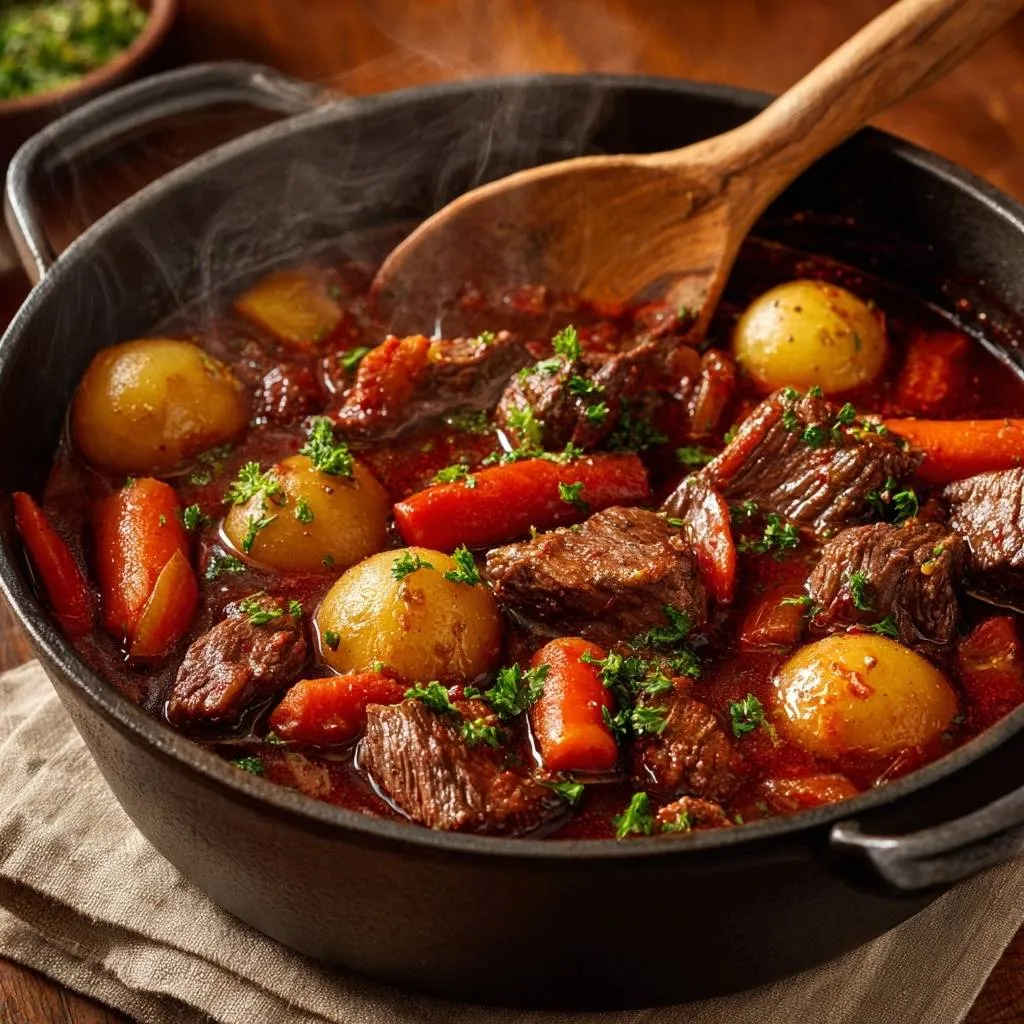
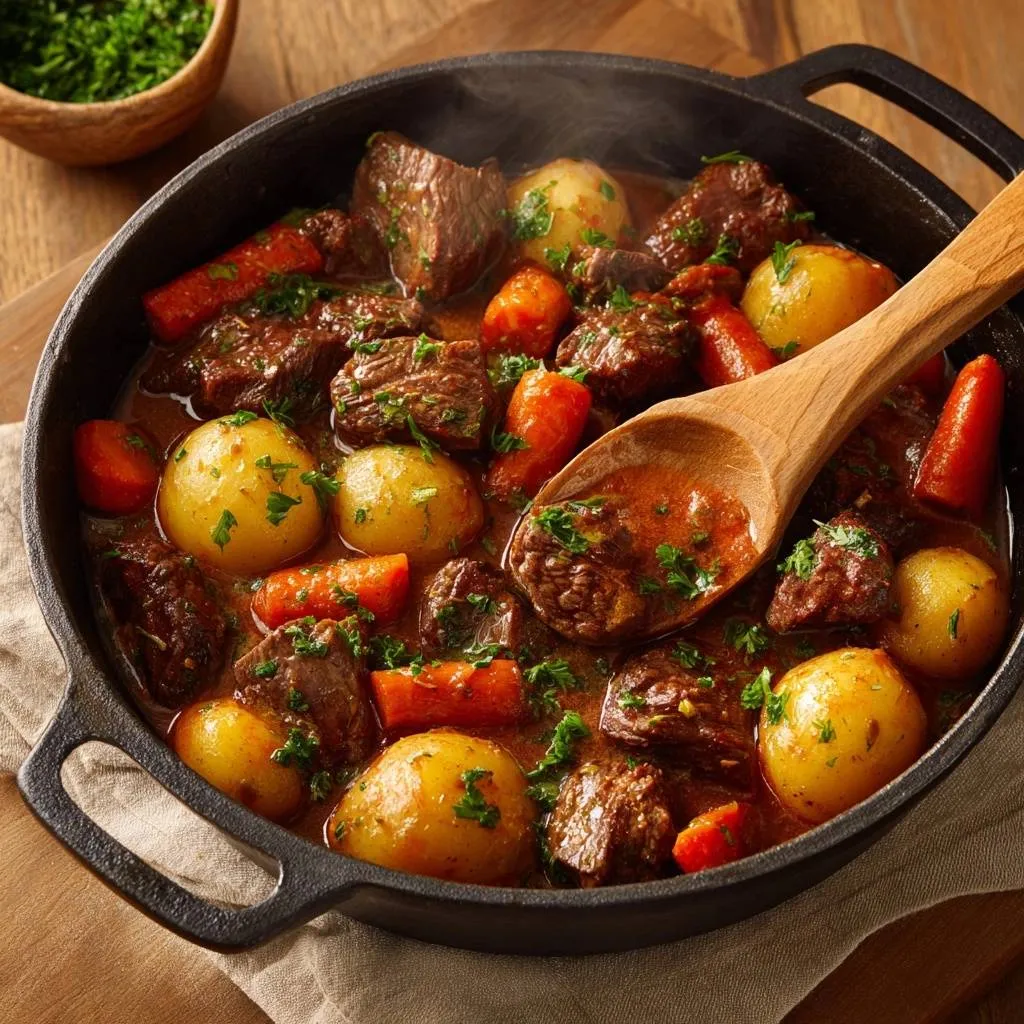
The secret lies in patting the beef completely dry before seasoning. That dry surface guarantees a deep brown crust, locking in juices and breaking down fibers right from the start. Picture the final pot: rich, aromatic broth hugging fall-apart beef chunks, surrounded by tender carrots and potatoes. Way better than any canned version.
Why Chuck Beef Shines in Hearty Beef Stew
Chuck roast makes the star of this hearty beef stew. Its generous marbling and fat content deliver unbeatable flavor and tenderness after proper cooking. Cut into 1.5-inch cubes to ensure even cooking and maximum surface for browning.
Compared to leaner round or sirloin, chuck won’t dry out. Those budget-friendly cuts from the shoulder thrive in stews. Ask your butcher for well-marbled pieces, or grab a roast and cube it yourself.
Pat the 2 pounds dry, then season with 1 teaspoon salt and 1/2 teaspoon black pepper. This step draws out moisture for superior searing. In addition, it amplifies natural beefy taste from the start.
Pat Dry for Superior Crust Formation
Grab paper towels and blot each beef cube thoroughly. Moisture steams the meat instead of browning it, blocking the Maillard reaction we need for flavor and tenderness.
Dry beef hits hot oil and sizzles instantly, forming that craveable crust. Therefore, don’t skip this; it’s your ticket to melt-in-your-mouth results.
Essential Ingredients for Rich Hearty Beef Stew
Small whole Yukon gold potatoes, about 1 pound, hold their shape beautifully during simmering. They add creamy texture without turning mushy. In addition, 4 large carrots cut into 2-inch chunks provide sweet contrast and nutrients.
Beef broth, 4 cups low-sodium, forms the savory base. However, 2 tablespoons tomato paste builds deep umami through caramelization. Use 2 tablespoons olive oil for its high smoke point during searing.
Fresh chopped parsley, 1/4 cup, adds bright garnish at the end. For substitutions, try vegetable broth for a lighter version. Whole small potatoes beat chopped ones for stew integrity every time.
Vegetables That Withstand Long Simmer
Add potatoes and carrots late, after 1.5 hours of beef simmering. This timing prevents mushiness while ensuring tenderness.
Carrots’ natural sugars caramelize gently, and potatoes stay firm. Therefore, you get perfect texture contrast in every bite.
Mastering the High-Heat Sear Technique
Heat 2 tablespoons olive oil in a large cast iron pot or Dutch oven over medium-high until shimmering, about 2 minutes. Sear beef in batches, 4 to 5 minutes per batch, turning for deep brown on all sides.
Don’t overcrowd; that causes steaming, not browning. The crust locks juices and starts breaking connective tissues. Look for rich mahogany color as your cue.
Transfer seared beef to a plate. This high-heat step sets up fall-apart tenderness, so take your time here.
Maillard Reaction in Hearty Beef Stew
Medium-high heat triggers the Maillard reaction, creating hundreds of flavorful compounds. It also begins denaturing tough proteins in chuck beef.
Boiling from the start toughens meat by squeezing out moisture. However, searing first ensures savory depth and initiates tenderizing. That’s why your stew tastes restaurant-quality.
For an even richer texture in your slow-simmered beef stew, consider creamy slow-simmered beef stew.
Building Broth Depth After Searing
Lower heat to medium, stir in 2 tablespoons tomato paste, and cook 1 minute. It caramelizes for umami without burning, filling your kitchen with sweet aroma.
Pour in 4 cups beef broth, scraping those browned bits from the pot bottom. They’re pure flavor gold that tenderizes further. Return beef and juices to the pot.
This order builds layered taste. Therefore, the broth clings richly to every chunk.
Low Slow Simmer for Fall-Apart Tenderness
Bring to a simmer, cover, and drop heat to low. Cook 1.5 hours, stirring occasionally. The gentle bubble converts collagen to gelatin slowly.
Add potatoes and carrots, then simmer covered another 30 to 45 minutes. Beef shreds easily with a fork, veggies stay tender-firm. If sauce thickens too much, splash in broth.
Aim for internal beef temp of 195-205°F for shredding. Pro tip: Taste midway to adjust seasoning.
Testing Beef Doneness Precisely
Pull a chunk and press gently; it should flake apart. Fork test confirms shreddability without resistance.
Avoid overcooking past this point. Therefore, check at 30 minutes into veggie stage for perfection.
Science of Tender Hearty Beef Stew
The sear’s Maillard reaction breaks initial collagen via high heat. Low simmer, below boil, then hydrolyzes it to gelatin over 1.5+ hours.
Tomato paste’s acidity aids breakdown. Temperatures above 160°F speed collagen melting, but gentle heat prevents toughness. No pressure cooker needed; this stovetop method nails it.
Quick-cook myths fail because they skip full conversion. However, patience here rewards with silky texture every time.
For even more tender results, explore slow-braised beef short ribs.
Dutch Oven: Key to Even Hearty Beef Stew
A 5-7 quart cast iron or enameled Dutch oven retains heat evenly for consistent simmering. Its thick walls distribute warmth without hot spots.
The tight lid traps moisture, mimicking braising. Heavy-bottomed pots work as alternatives if you stir more.
No special gear myth busted; everyday cookware delivers pro results. Therefore, dig out that pot and get started.
Make-Ahead and Freezing Hearty Beef Stew
Cool stew completely before storing in airtight containers. It keeps in the fridge 3-4 days, with flavors melding beautifully by day two.
Freeze portions in bags up to 3 months. Thaw overnight in fridge, then reheat gently. Batch cook for easy weeknight wins.
Pro tip: Label bags with dates for freshness. This hearty beef stew shines even more after resting.
Reheating Without Drying Out
Stovetop low simmer with a broth splash works best. Oven at 300°F covered for 20-30 minutes keeps moisture in.
Microwave in short bursts, stirring often. Therefore, it tastes freshly made every time.
Avoiding Tough Beef in Hearty Beef Stew
Overcrowding during searing turns it to steam, preventing crust. Always batch sear. High boil instead of simmer squeezes juices out, toughening meat.
Adding veggies too early makes them mushy. Use quality chuck with visible fat. If tough, extend simmer 30 minutes.
For thick sauce, whisk in cornstarch slurry off heat. These fixes guarantee success.
Fixing Overcooked Vegetables
Prevent by adding late. To salvage mush, stir in fresh diced carrots or potatoes for last 20 minutes.
Texture contrast returns instantly. Therefore, no waste in your pot.
Flavor Variations for Hearty Beef Stew
Add 1 teaspoon thyme and rosemary during broth step for herbal depth. Pearl onions or mushrooms bring earthiness 30 minutes before end.
Splash sparkling cranberry juice for fruity brightness. Try parsnips over carrots for nutty sweetness. Keep the sear-simmer core intact.
For lighter pivot, swap beef for chicken thighs, reduce simmer to 45 minutes. Variations keep it exciting.
Perfect Pairings for Hearty Beef Stew
Tear crusty sourdough to sop up broth. A crisp green salad cuts richness perfectly.
Serve over rice or quinoa for heartier fill. Cornbread adds sweet contrast on chilly nights.
Red sparkling water or cabernet complement the savory beef. Winter meal dreams start here.
Complementary Recipes
To round out your hearty beef stew meal, consider these options.
- Enjoy a comforting Golden Cornbread and Herb Stuffing that offers a wonderful contrast in texture and flavor.
- Pair your stew with a refreshing Creamy Herb and Pea Potato Salad for a balanced plate.
Hearty Beef Stew Troubleshooting
How do you store leftovers and does it freeze well?
Store cooled stew in airtight containers in the fridge for 3-4 days. It freezes excellently; portion into freezer bags, press out air, and freeze up to 3 months. Thaw overnight in fridge, then reheat on stovetop low with a splash of broth to restore creaminess. Flavors intensify beautifully after freezing, making it ideal for meal prep.
Why is my beef still tough after cooking?
Tough beef usually means skipped or weak sear, overcrowding, or boil instead of simmer. Ensure high-heat batch searing for crust, then low gentle bubble at 190-205°F internal. If needed, simmer extra 30-45 minutes until fork-shreddable. Chuck’s collagen needs time; rushing toughens it.
Can I substitute ingredients in hearty beef stew?
Swap beef broth for vegetable broth to lighten it, but beef gives richest flavor. No tomato paste? Use 1/4 cup crushed tomatoes. Small red potatoes work if Yukon golds unavailable; keep whole. Avoid lean cuts like sirloin; chuck’s fat ensures tenderness. Olive oil can be avocado oil for higher smoke point.
Why is my stew too thin or bland?
Thin sauce? Simmer uncovered last 15 minutes or thicken with 1 tablespoon cornstarch slurry off heat. Bland taste comes from single-end seasoning; layer salt, pepper early, taste broth before veggies. Scrape fond during deglazing captures max flavor. Adjust with extra broth salt if low-sodium.
Can I make this in a slow cooker?
Yes, sear beef first on stovetop for crust, then transfer to slow cooker with broth, tomato paste, and simmer on low 6-8 hours before adding veggies for 1-2 more hours. This preserves tenderness. Skip direct dump; searing prevents mushy results.
Beef Stew
Course: Main CourseCuisine: AmericanDifficulty: medium6
servings20
minutes2
hours450
kcal140
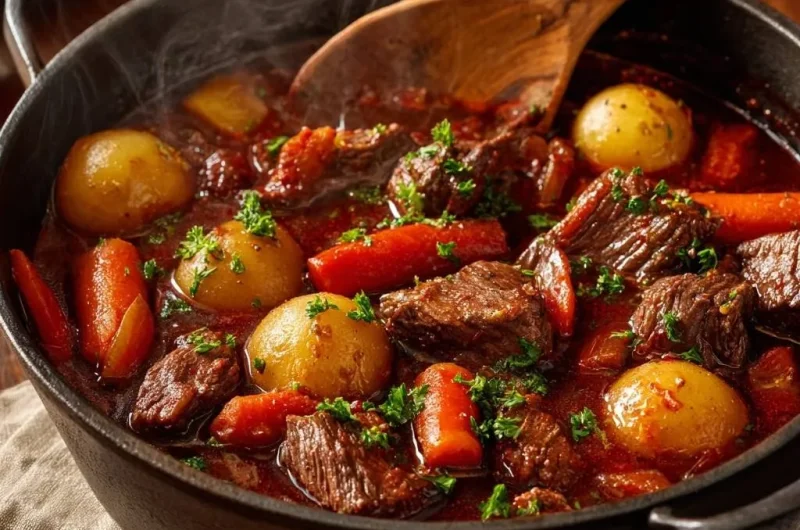
MinutesSay goodbye to chewy stew meat. This recipe uses a high-heat sear followed by low slow simmer to break down tough fibers for fall-apart tender beef every time.
Ingredients
2 pounds beef chuck, cut into 1.5-inch cubes
1 pound small whole potatoes (Yukon gold or similar)
4 large carrots, peeled and cut into 2-inch chunks
4 cups beef broth
2 tablespoons tomato paste
2 tablespoons olive oil
1 teaspoon salt
1/2 teaspoon black pepper
1/4 cup fresh parsley, chopped (for garnish)
Directions
- Pat beef cubes completely dry with paper towels. Season generously with salt and pepper. This dry surface is key for the sear that locks in juices and starts tenderizing.
- Heat olive oil in a large cast iron pot or Dutch oven over medium-high heat until shimmering hot (about 2 minutes). Sear beef in batches, 4 to 5 minutes per batch, until deeply browned on all sides. Do not overcrowd; this high-heat crust (Maillard reaction) breaks down tough connective tissues for melt-in-your-mouth results. Transfer seared beef to a plate.
- Lower heat to medium. Stir in tomato paste and cook 1 minute to deepen flavor without scorching.
- Pour in beef broth, scraping up browned bits from the pot bottom. These bits are flavor gold that tenderizes further during simmering. Return beef and any juices to the pot.
- Bring to a simmer, then cover and reduce heat to low. Cook 1.5 hours, stirring occasionally.
- Add potatoes and carrots. Cover and simmer another 30 to 45 minutes until beef shreds easily with a fork and vegetables are tender but hold shape. If sauce thickens too much, add a splash of broth.
- Taste and adjust salt. Garnish with parsley. Serve hot. The sear-plus-simmer method guarantees no tough beef, even with budget cuts.
Notes
- Use beef chuck for best results. Sear in batches to avoid overcrowding for perfect browning. The Maillard reaction from searing ensures melt-in-your-mouth texture.