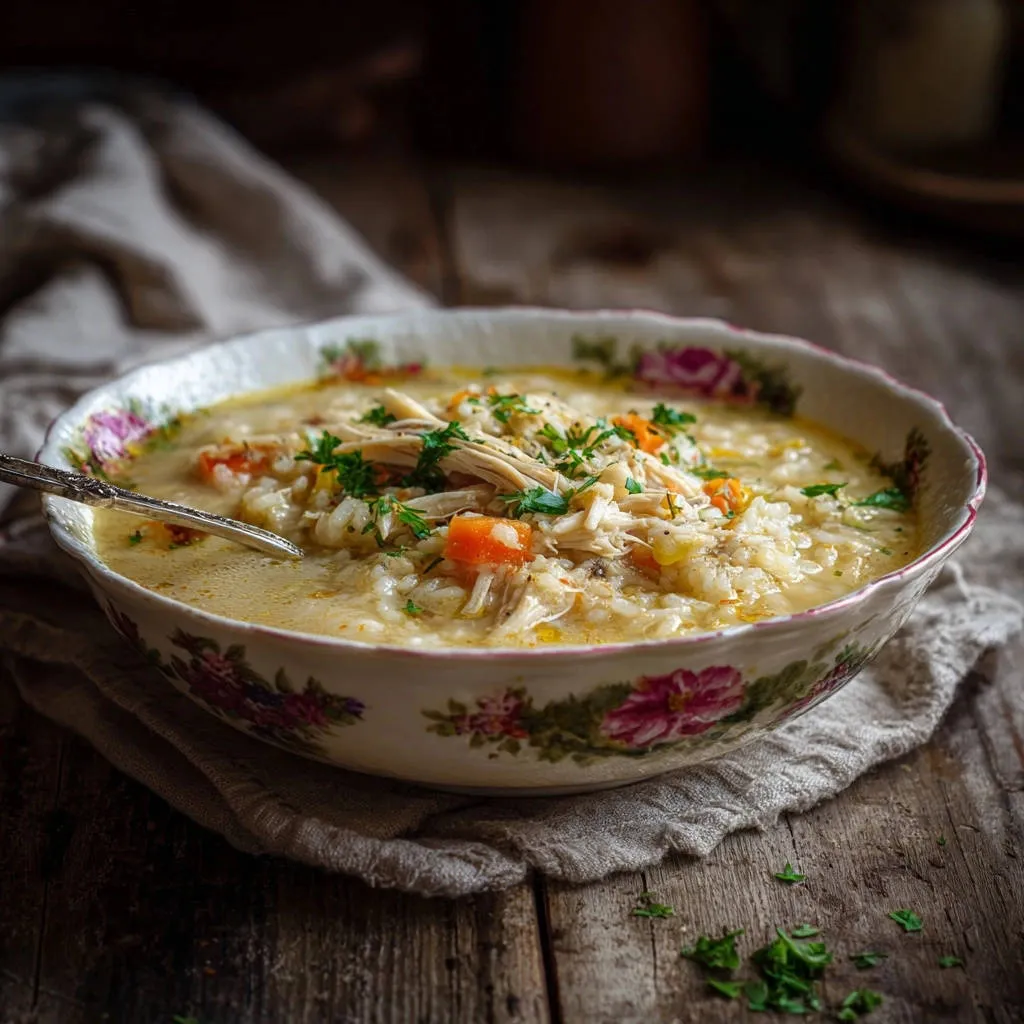
I’ve lost count of how many times I’ve made a beautiful, warming pot of soup only to find the rice has turned into starchy, gummy sludge the next day.
This heartbreak instantly ruins the comforting, creamy texture that a perfect bowl of Hearty Chicken and Rice Soup should have.
For similarly satisfying comfort, try this creamy cheesy chicken bake.
After extensive testing, I finally nailed one simple but critical technique that ensures the rice stays beautifully separated and tender, guaranteed fresh or in leftovers.
The Secret to Perfect Texture: Why Your Rice Will Never Be Gummy Again
Establishing the perfect texture is the most crucial part of this recipe, moving it from standard fare to a truly exceptional bowl of comfort food.
The Heartbreak of Starchy Sludge: A Common Soup Pitfall
The dreaded gummy texture occurs because rice releases excess surface starch when cooked in a watery environment, especially when it cools down and begins to reabsorb liquid.
The excess starch acts like a binder, causing the separate grains to fuse together and transform the rich broth into a thick, unpleasant paste.
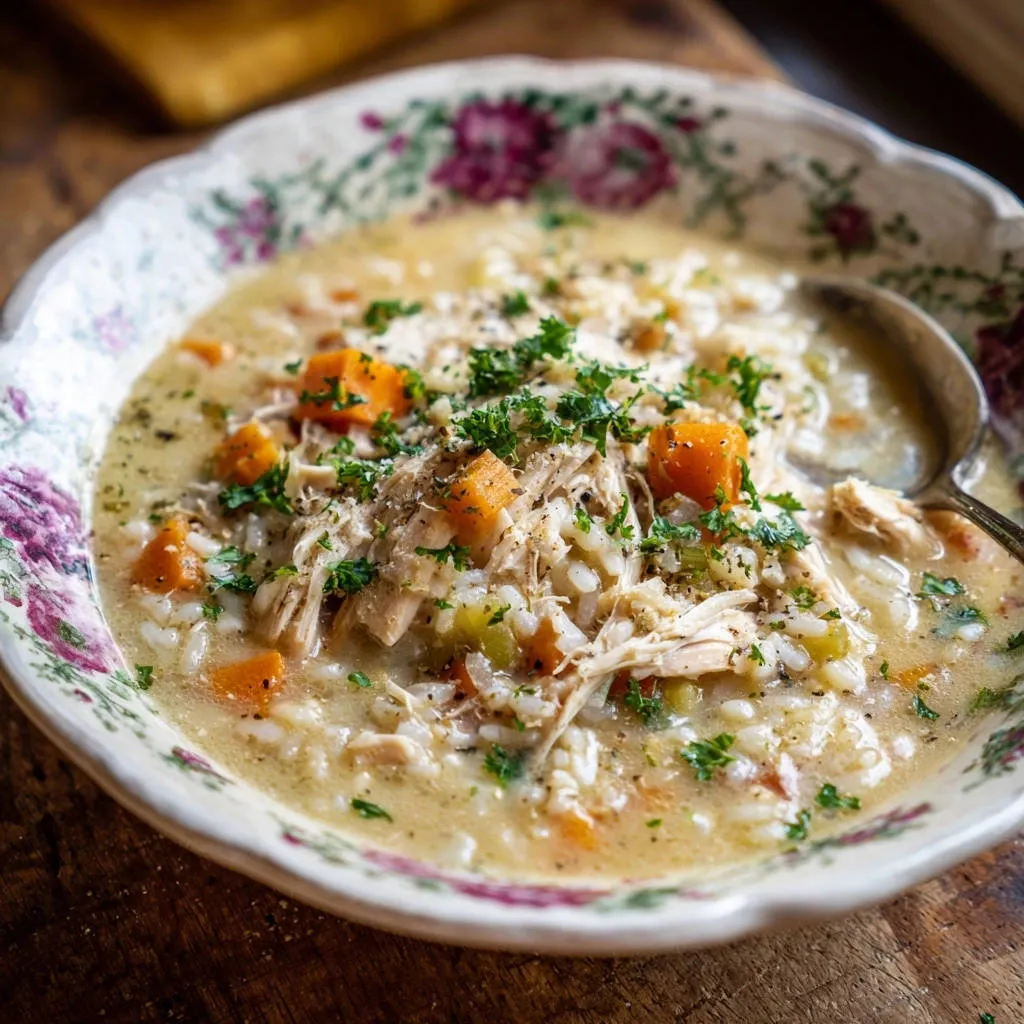
Rinsing for Resilience: Our Crucial Texture Fix
By thoroughly rinsing the long-grain rice before it hits the broth, we physically remove the loose surface starch responsible for the sticky texture.
This allows the rice grains to cook precisely in the broth, controlling the thickening of the soup and ensuring the individual grains remain distinct and resilient, even after refrigeration.
Quick Comfort: Utilizing Pre-Cooked Chicken
Using fully cooked, shredded chicken-especially a flavorful store-bought rotisserie chicken-slashes the total active cooking time of this Hearty Chicken and Rice Soup recipe.
More importantly, adding the chicken only at the very end ensures the meat remains perfectly moist, preventing the fibers from tightening up and turning dry and rubbery from extended simmering.
Building the Foundation: Understanding Your Core Ingredients
High-quality, properly prepared ingredients are the foundation of any great soup. Understanding their function guarantees maximum flavor extraction.
The Essential Trio: Carrots, Celery, and Onion
The carrots, celery, and onion form the French mirepoix, which is the foundational savory flavor base for almost all great soups and stews.
Ensure your dice is consistent and small (about 1/4 inch) so the vegetables soften evenly during the initial 7-9 minute sauté, releasing their essential aromatic compounds.
Choosing the Right Broth for Depth
We specify low-sodium chicken broth because it gives the cook ultimate control over the final salinity of the dish.
Six cups provides the ideal volume for this recipe’s rice quantity, yielding a comforting, full-bodied consistency without the need for additional cream or flour thickeners.
The Starch Factor: Selecting and Preparing the Rice
Long-grain white rice is superior for this soup because its physical structure tends to hold its shape better than stickier, short-grain varieties.
Even with long-grain rice, the initial rinse step is non-negotiable; it is the most critical element for guaranteeing excellent texture the next day.
Spice Cabinet Staples: Thyme, Salt, and Pepper
Dried thyme brings a classic, warming, and slightly earthy complementary flavor profile that pairs traditionally with chicken and savory broths.
Salt and pepper are added at the very end to prevent over-seasoning, as the broth reduces and concentrates its flavor slightly during the simmering process.
Mastering the Method: Step-by-Step Hearty Chicken and Rice Soup Guide
-
Prepare the Aromatics and Bloom the Spices:
Heat the olive oil in a large pot or heavy-bottomed Dutch oven over medium heat. Sauté the diced carrots, celery, and onion for 7 to 9 minutes, stirring frequently.
The goal is to soften the vegetables gently to release their sugars; do not allow them to brown. Add the dried thyme and cook for just 60 seconds to “bloom” the spice, intensifying its fragrance before the liquid is added.
-
The Critical Rinsing Technique (Texture Fix Rinse):
This step is your key to perfect leftovers. Place the measured 1/2 cup of long-grain rice in a fine-mesh sieve.
Rinse the rice thoroughly under cold running water for a full 60 seconds, agitating the grains with your fingers until the water streaming out of the sieve runs completely clear.
Skipping this crucial technique guarantees starchy, sticky rice in your finished soup.
-
Building the Broth and Adding the Rice:
Pour in the 6 cups of chicken broth. Bring the mixture up to a gentle simmer-a full rolling boil is too aggressive and promotes rapid liquid evaporation.
Add the thoroughly rinsed rice, stir once to distribute, and immediately reduce the heat to low to maintain a very slow, gentle simmer.
-
Gentle Simmering for Distinct Grains:
Cover the pot loosely and simmer for exactly 15 minutes. Exact timing is essential for white rice to become tender yet retain its individual shape.
If you opt for brown rice, you must increase the cooking time significantly, likely to 40-45 minutes, monitoring closely until the grains are tender.
-
Finishing Touches and Seasoning Adjustments:
After the 15-minute simmering period, stir in the pre-cooked shredded chicken, salt, and black pepper.
Simmer the soup for only 5 additional minutes to ensure the chicken is heated through. Taste and adjust the seasoning aggressively; the final taste check is mandatory for a truly delicious soup.
Chef’s Secrets: Elevating Your Soup from Good to Great
These professional tips add complexity and finesse to your homemade chicken and rice soup, taking the final result up a notch.
The Ultimate Broth Booster: Consider stirring in a small, hard piece of Parmesan rind while the broth simmers with the rice.
The rind releases deep, savory umami notes and natural salts, adding complexity without changing the classic flavor profile. Remember to remove the rind before serving.
Achieving Creaminess Without Cream: If the soup is too thin for your liking, carefully remove about one cup of the broth, rice, and cooked vegetables (excluding the chicken).
Blend this mixture until completely smooth, then return the pureed mixture to the pot. This naturally thickens the soup using cooked starches and fibers.
Enhancing Freshness at the End: Acidity brightens everything. Add a squeeze of fresh lemon juice or a small dash of apple cider vinegar right before serving.
This subtle acidic touch cuts through the richness of the chicken and broth, making all the savory flavors pop.
For a similar bright flavor, explore lemon chicken orzo soup.
Essential Tools Check: A heavy-bottomed Dutch oven ensures gentle, even heat distribution, preventing the rice from scorching on the bottom.
The fine-mesh sieve is absolutely necessary for the critical rinsing step and cannot be substituted for a colander.
The Leftover Guarantee: Storing and Reheating Without Losing Texture
This preparation technique ensures your leftovers are just as satisfying as the first serving.
Why Proper Cooling is Non-Negotiable
To prevent the rice from absorbing excessive amounts of broth as the soup cools and to minimize bacterial growth, rapid cooling is essential.
Transfer the soup into several shallow storage containers immediately after serving, and place them in the refrigerator once they have stopped actively steaming.
Freezer vs. Fridge: Which Storage Method is Best?
This Hearty Chicken and Rice Soup keeps beautifully in an airtight container in the refrigerator for 3 to 4 days, maintaining its texture thanks to the starch removal.
Freezing is possible for longer storage, but even with the rinsing technique, the rice may become slightly softer upon thawing. Always use freezer-safe containers, leaving adequate headspace for expansion.
Rejuvenating Day-Old Soup
Always reheat your soup gently on the stovetop over low heat, stirring occasionally.
If the rice has absorbed slightly more liquid overnight, add a small splash of fresh chicken broth or water during reheating to return the soup to its original, desired consistency.
Soup Emergency? Troubleshooting Common Chicken and Rice Issues
Even expert cooks run into minor issues. Here are quick fixes for common soup pitfalls.
Problem: My Soup is Too Thin
If the broth consistency is too thin, the easiest fix is creating a quick slurry: mix one tablespoon of cornstarch with two tablespoons of cold water.
Whisk the slurry into the simmering soup and cook for 2 to 3 minutes until it thickens slightly, ensuring it does not come to a rapid boil after adding the slurry.
Problem: The Chicken Tastes Dry and Rubbery
This is a classic sign of overcooked chicken.
Ensure you are using pre-cooked, shredded meat and only simmering it for the required final 5 minutes-just enough time for it to heat through and meld with the broth.
Problem: The Finished Soup Tastes Flat
Flatness usually indicates a critical lack of salt, or a missing acidic component to balance the richness.
Always add more salt first, followed by a dash of vinegar or fresh lemon juice to achieve a balanced, complex flavor profile.
Completing the Meal: Serving Suggestions and Perfect Pairings
Turn your comforting bowl of soup into a satisfying and complete meal with simple accompaniments.
Complementary Dishes to Enjoy
Round out your meal with these dishes that pair well with hearty chicken and rice soup.
- For a comforting addition, consider trying the Golden Cornbread and Herb Stuffing, which complements the savory notes of the soup.
- If you’re looking for a fresh counterpoint, the Grilled Chicken Kale and Cabbage Power Salad offers a bright contrast.
Crusty Bread Recommendations
Since this soup is rich and deeply comforting, pairing it with a sturdy, slightly chewy bread is highly recommended.
A sliced artisan baguette or a tangy sourdough, toasted lightly with garlic butter, is perfect for dipping and soaking up the savory broth.
Light Sides to Balance the Heartiness
Balance the inherent heartiness of the soup with something crisp and fresh to cleanse the palate.
A simple side salad composed of baby greens and dressed with a bright lemon vinaigrette provides necessary contrast and lightness.
Ideal Garnishes Beyond Parsley
While fresh parsley adds essential color and a fresh herbaceous note, alternative garnishes can introduce deeper flavor dimensions.
- Finely chopped fresh chives or dill for a sharp, herbaceous lift.
- A small dusting of smoked paprika for an earthy, complex undertone.
- A drizzle of high-quality extra virgin olive oil just before serving for added richness and aroma.
Frequently Asked Questions About Chicken and Rice Soup
Can I Use Brown Rice or Wild Rice Instead?
Yes, both brown rice and wild rice can be substituted, but be prepared for a significantly increased cooking time, often requiring 40 to 50 minutes of simmering.
The critical rinsing step remains vital for texture, regardless of the rice type you select.
Is it Safe to Freeze Cooked Soup?
It is perfectly safe to freeze this soup, provided it is cooled quickly and stored in an airtight container for up to three months.
Note that while our technique minimizes texture loss, the rice may still be slightly softer upon thawing than the day it was made.
How Can I Make This Recipe Gluten-Free?
This recipe for Hearty Chicken and Rice Soup is naturally gluten-free as written, since we do not rely on flour or processed thickening agents.
Ensure that the chicken broth you choose is certified gluten-free, as some commercial brands may contain hidden ingredients.
What is the Best Substitute for Thyme?
Dried oregano is an excellent substitute for thyme, offering a similar savory depth, though it introduces a slightly more rustic flavor profile.
Alternatively, use a pinch of standard poultry seasoning for a slightly more complex and warming flavor base.
This reliable method ensures you never waste another bowl of leftovers due to starchy results.
Make a large batch of this incredibly flavorful and comforting soup today, and enjoy perfect texture, guaranteed, for days to come.
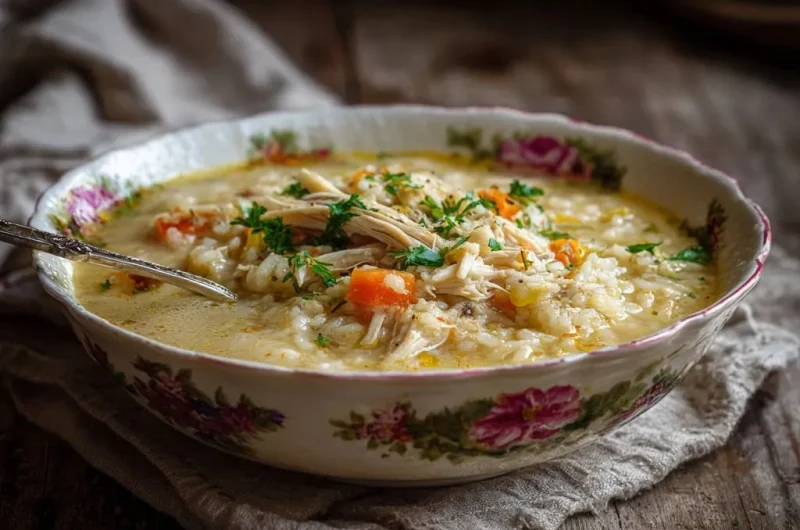
Chicken and Rice Soup
Course: Soups-StewsCuisine: AmericanDifficulty: easy4
servings15
minutes40
minutes240
kcal55
minutesThis recipe delivers deep, rich flavor and the absolute perfect texture every single time. Learn the one simple technique that guarantees the long-grain white rice stays beautifully separated and tender, avoiding the dreaded starchy sludge. Enjoy fresh or as leftovers tomorrow!
Ingredients
1 tablespoon olive oil
1 cup diced carrots
1 cup diced celery
1/2 cup diced yellow onion
6 cups chicken broth (low sodium)
1 cup cooked, shredded chicken breast (rotisserie is great)
1/2 cup long-grain white rice
1 teaspoon dried thyme
1/2 teaspoon black pepper
1 teaspoon salt (or to taste)
2 tablespoons fresh parsley, chopped
Directions
- Prepare the Aromatics. Heat the olive oil in a large pot or Dutch oven over medium heat. Add the diced carrots, celery, and onion. Cook for 7 to 9 minutes, stirring occasionally, until the vegetables begin to soften but are not yet browned. Add the dried thyme and cook for 1 minute until fragrant.
- Build the Broth. Pour in the 6 cups of chicken broth. Bring the mixture up to a gentle simmer.
- The Texture Fix Rinse. Place the 1/2 cup of long-grain white rice in a fine-mesh sieve. Rinse the rice thoroughly under cold running water for 60 seconds, agitating it with your fingers, until the water runs completely clear. This crucial step removes excess surface starch that causes the dreaded gummy texture in soup.
- Cook the Rice Precisely. Add the rinsed rice to the simmering broth. Reduce the heat to low, cover the pot loosely, and simmer for exactly 15 minutes. Do not overcook the rice. If you are using brown rice, you may need to increase the cooking time slightly, but watch closely for tenderness.
- Finish and Serve. After 15 minutes, stir in the pre-cooked shredded chicken, salt, and pepper. Simmer for just 5 additional minutes to heat the chicken through. Taste and adjust seasoning as needed. The soup should be thick and creamy due to the controlled starch release, but the rice grains should remain distinct.
- Garnish. Ladle the soup into bowls and garnish generously with fresh chopped parsley before serving.
Notes
- The crucial ‘Texture Fix Rinse’ step ensures the rice stays distinct. Rinse the rice under cold water for 60 seconds until the water runs clear.