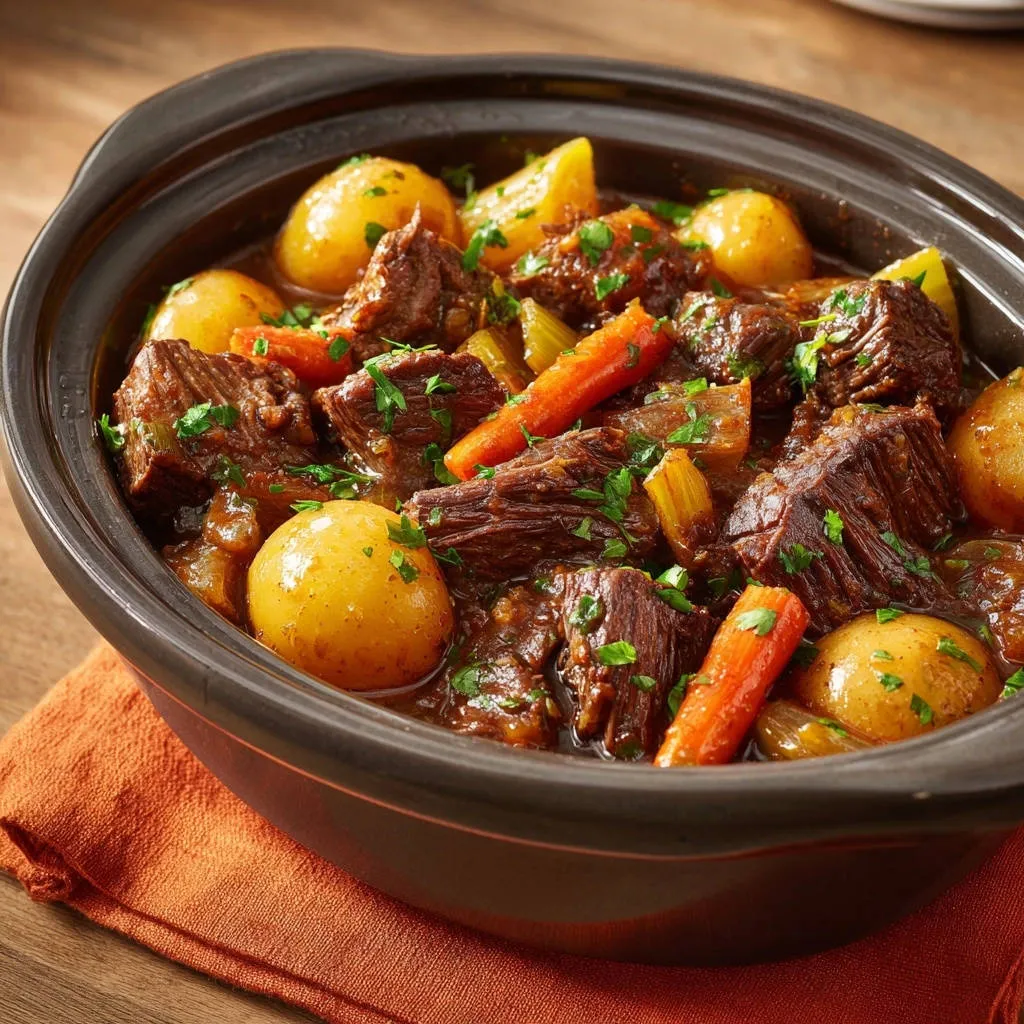
For years, I struggled with tough, dry beef stew, despite my best efforts. It was truly disappointing. But I’ve finally perfected a method for a truly tender, fall-apart Hearty Slow Cooker Beef Stew that guarantees melt-in-your-mouth results every single time.
This recipe transforms weeknight cooking into a celebration of effortless comfort and profound flavor, proving that incredible tenderness is not just possible, but guaranteed.
Why This Hearty Slow Cooker Beef Stew Will Change Your Weeknights
The Secret to Melt-in-Your-Mouth Beef Every Time
Forget those chewy, disappointing pieces of meat. This Hearty Slow Cooker Beef Stew emphasizes critical initial steps that prevent dryness and ensure unparalleled tenderness.
Patting the beef dry and achieving a deep, dark sear locks in juices and builds a flavorful crust, setting the stage for perfectly tender results.
Effortless Comfort: Why Slow Cooking Reigns Supreme
The slow cooker does most of the work, allowing flavors to meld beautifully over hours with minimal intervention.
This hands-off approach makes it an ideal comforting meal for busy weekdays, simmering to perfection while you go about your day.
A Family Favorite That Gets Rave Reviews
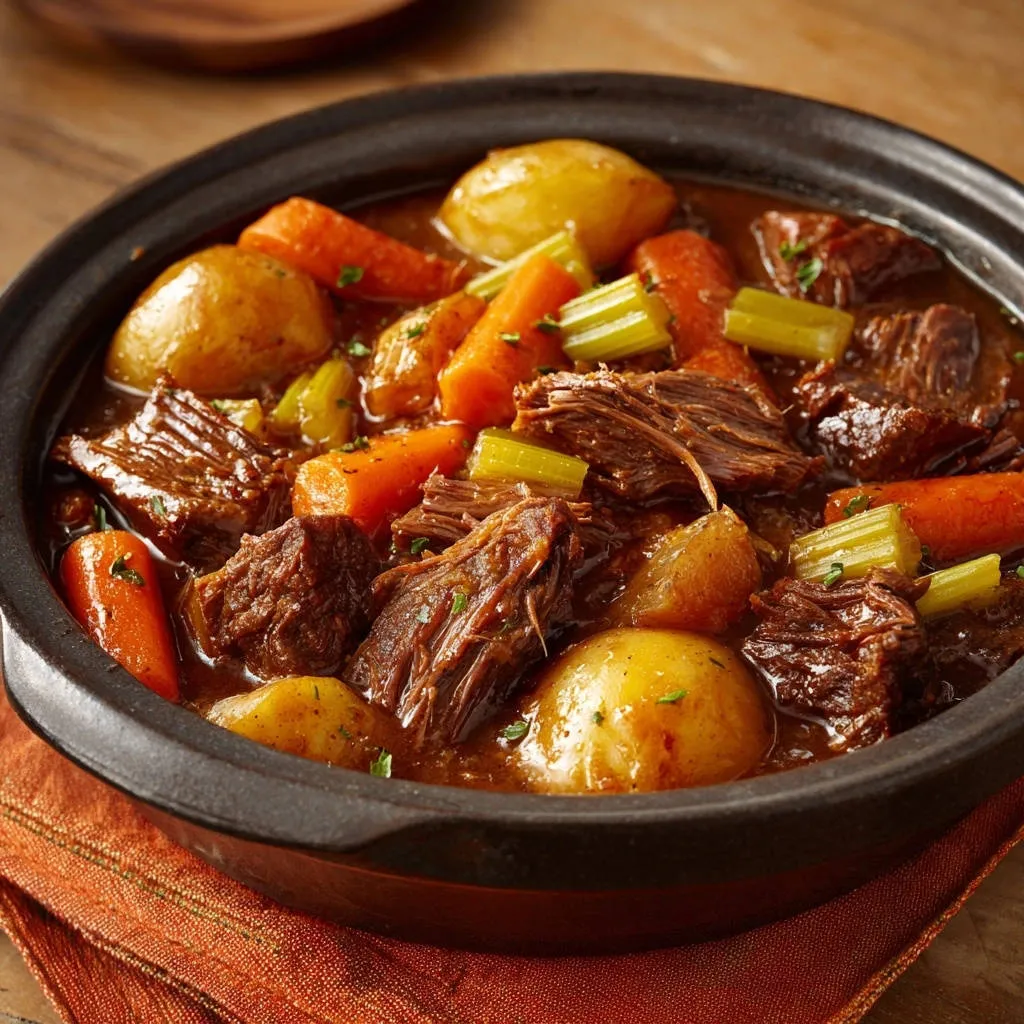
Its rich, savory broth and incredibly tender ingredients make this a universally loved dish.
Prepare for compliments and empty bowls; this Hearty Slow Cooker Beef Stew is destined to become a staple in your home.
Your Culinary Arsenal: Essential Tools for Beef Stew Success
Must-Have Kitchen Equipment
Slow Cooker (6-quart or larger): The star of this recipe, providing consistent low heat for tenderizing.
Large Skillet or Dutch Oven: Essential for browning the beef and sautéing aromatics to build foundational flavors.
Cutting Board & Sharp Knife: For safely and efficiently preparing all your vegetables and beef.
Measuring Cups & Spoons: Crucial for accurate ingredient portions, ensuring balanced flavors.
Ladle: For easily serving the thick, hearty stew into bowls.
Optional Gadgets for an Even Smoother Process
Meat Thermometer: While not strictly necessary for slow-cooked stew, it can offer peace of mind for other meat dishes.
Potato Peeler: Speeds up the process of peeling carrots or other root vegetables.
Gather Your Ingredients: The Building Blocks of Flavor
The Star: Beef Chuck Roast Selection
Choose a well-marbled beef chuck roast for the best results. Marbling (streaks of fat) renders down during slow cooking, contributing to moisture and incredible flavor.
For similarly tender results, explore slow-braised beef short ribs.
This cut is ideal because its connective tissues break down over time, resulting in fork-tender beef.
For even more fall-apart tenderness, explore slow braised beef short ribs.
Aromatic Foundation: Onions, Carrots, Celery, & Garlic
These classic stew vegetables form a deep, savory flavor base, often referred to as a mirepoix, plus the pungent warmth of garlic.
They slowly release their flavors, infusing the broth with natural sweetness and complexity.
Liquid Gold & Flavor Boosters: Beef Broth, Thyme, Bay Leaf
A good quality beef broth is paramount, acting as the primary liquid and flavor carrier for the stew.
Dried thyme and a bay leaf impart earthy, aromatic notes that are characteristic of a classic, comforting beef stew.
The Hearty Finish: Small New Potatoes & Fresh Parsley
Small new potatoes add a wholesome, satisfying starchiness directly into the stew, absorbing all the delicious flavors.
Fresh chopped parsley provides a bright, herbaceous counterpoint and a beautiful pop of color as a garnish.
Pantry Staples: Flour, Olive Oil, Salt, Pepper
All-purpose flour coats the beef, helping to create a flavorful crust and slightly thicken the stew.
Olive oil is essential for browning, while salt and pepper are fundamental seasonings that enhance all other ingredients.
Crafting Your Hearty Slow Cooker Beef Stew: Step-by-Step Perfection
Preparation is Key: Drying & Coating the Beef
Crucial first step for juicy beef: Pat the beef cubes very dry with paper towels.
This dryness is essential for a proper sear. In a large bowl, toss the dried beef cubes with flour, salt, and pepper until evenly coated. This initial drying and coating helps create a beautiful crust.
The Browning Ritual: Locking in Flavor
Heat olive oil in a large skillet or Dutch oven over medium-high heat. This next step is key to locking in flavor and moisture: Brown the beef in batches, making sure not to overcrowd the pan.
Overcrowding lowers the pan temperature, steaming the meat instead of searing. Sear each side until a deep, dark crust forms. Remove browned beef to the slow cooker insert.
Building the Base: Sautéing Aromatics
Add chopped onion, carrots, and celery to the skillet. Cook for about 5-7 minutes, scraping up any browned bits from the bottom of the pan, until vegetables soften slightly.
Add minced garlic and cook for another minute until fragrant. Cooking the aromatics softens them and deepens their flavor before the long stewing process.
Deglazing for Depth: The Broth Infusion
Pour in beef broth, stirring to deglaze the pan and incorporate all the flavorful browned bits. Bring to a simmer.
These browned bits, called fond, are packed with intense flavor and contribute significantly to the stew’s richness. Pour the broth mixture over the beef in the slow cooker. Add dried thyme and bay leaf. Stir gently.
Slow Cooker Magic: Set It and Forget It
Cover and cook on low for 6-8 hours, or on high for 3-4 hours, until the beef is fork-tender.
This low and slow cooking process, combined with the initial sear, is what truly transforms the meat, preventing dryness and ensuring ultimate tenderness as the connective tissues break down.
Adding the Hearty Finish: Potatoes
During the last hour of cooking, add the halved new potatoes to the slow cooker. Ensure they are mostly submerged in the liquid. Continue cooking until potatoes are tender.
Adding them later prevents them from becoming mushy and ensures they cook perfectly alongside the other ingredients.
The Grand Finale: Garnish & Serve
Once cooked, remove the bay leaf. It has imparted its flavor and is not meant for consumption. Ladle the hearty stew into bowls.
Garnish generously with fresh chopped parsley before serving. The fresh herbs add a vibrant lift and aromatic finish.
Chef’s Secrets for Unforgettable Slow Cooker Beef Stew
The Dry Beef Difference: Why it Matters for Tenderness
Patting the beef cubes thoroughly dry with paper towels removes surface moisture. This allows the meat to brown effectively, rather than steam, in the hot pan.
A good sear creates a crust that seals in juices and develops deep, savory flavors essential for tender beef stew.
Mastering the Sear: Don’t Skip This Flavor Step!
Browning the beef is where the Maillard reaction occurs, creating hundreds of new flavor compounds and a rich, appealing color.
Do this in batches to avoid overcrowding the pan; each piece needs direct contact with the hot surface for a proper sear, building a complex flavor profile for your Hearty Slow Cooker Beef Stew.
Low and Slow: The Path to Fork-Tender Perfection
The slow cooker’s consistent, gentle heat gradually breaks down the tough collagen in beef chuck roast.
This process transforms otherwise fibrous cuts into succulent, fall-apart tender pieces, making it ideal for the ultimate comfort food experience.
Choosing Your Cut: Beyond Chuck Roast Options
While chuck roast is supreme for its marbling and connective tissue, other cuts can work.
Beef round or stew meat can be used, but ensure they are still well-marbled, as leaner cuts might dry out more easily.
Vegetable Harmony: Customizing Your Stew
Feel free to experiment with other vegetables to suit your taste. Mushrooms can be added with the aromatics for an earthy note.
For more delicate vegetables like frozen peas or corn, stir them in during the last 15-20 minutes of cooking to retain their texture and color.
Troubleshooting Your Slow Cooker Beef Stew
Meat Not Tender Enough?
If your beef isn’t fork-tender, it simply needs more time. Slow cooker cooking times can vary based on your appliance and the cut of meat.
Continue cooking on low for another hour or two until it reaches the desired tenderness. Also, ensure your beef cubes are not excessively large.
Stew Too Thin or Too Thick?
If the stew is too thin, create a slurry with 2 tablespoons cornstarch and 2 tablespoons cold water. Stir it into the simmering stew during the last 30 minutes of cooking until thickened.
If too thick, add a bit more beef broth, a quarter cup at a time, until the desired consistency is reached.
Flavor Falling Flat?
A lack of flavor can often be rectified. Taste and adjust your seasonings: a pinch more salt or freshly cracked black pepper can make a big difference.
Consider a splash of Worcestershire sauce or a tiny bit of balsamic vinegar for an extra layer of umami and depth, stirring it in towards the end of cooking.
Serving Suggestions: What to Pair with Your Hearty Stew
Classic Sides That Complement
A crusty artisan bread is perfect for soaking up every last drop of the rich, savory broth.
Creamy mashed potatoes (if not already included in your stew) or fluffy white rice also make excellent vehicles for this deeply flavored stew.
Unexpected Pairings to Impress
Consider serving this stew over creamy polenta for a sophisticated and comforting twist.
A light green salad with a bright vinaigrette provides a refreshing contrast to the richness of the stew, cutting through its heartiness beautifully.
Complementary Recipes
To round out your meal, consider adding a fresh salad.
- For a bright counterpoint to your hearty stew, enjoy the Garlic Herb Grilled Chicken Salad.
- If you prefer something with more greens, the Grilled Chicken Kale and Cabbage Power Salad offers great texture.
Storage & Make-Ahead Tips for Busy Weeknights
Properly Storing Leftovers
Allow the stew to cool completely before transferring it to airtight containers.
It will keep beautifully in the refrigerator for up to 3-4 days, with flavors often deepening overnight.
Freezing for Future Feasts
This Hearty Slow Cooker Beef Stew freezes exceptionally well. Portion cooled stew into freezer-safe bags or containers, leaving some headspace for expansion.
It can be frozen for up to 3 months. Thaw overnight in the refrigerator and reheat gently on the stovetop or in the microwave until piping hot.
Make-Ahead Meal Prep Ideas
You can chop all your vegetables a day in advance and store them in the refrigerator.
You can also brown the beef the day before and store it in the slow cooker insert or a separate container, ready to combine with the other ingredients in the morning.
Your Burning Questions Answered: Slow Cooker Beef Stew FAQs
Can I use different vegetables?
Absolutely! This Hearty Slow Cooker Beef Stew is versatile. Feel free to incorporate parsnips, turnips, or even green beans.
Harder vegetables should be added at the beginning, while softer ones like peas or bell peppers can be stirred in during the last 30-60 minutes of cooking.
What if I don’t have a slow cooker?
You can easily adapt this recipe for a Dutch oven. After browning the beef and sautéing the aromatics, combine all ingredients in the Dutch oven.
Cover and bake in a preheated oven at 325°F (160°C) for 2.5-3.5 hours, or until the beef is fork-tender. Check periodically and add more broth if needed.
Is there a way to make it gluten-free?
Yes, to make this stew gluten-free, substitute the all-purpose flour for coating the beef with an equal amount of gluten-free all-purpose flour blend or cornstarch.
For thickening later, a cornstarch slurry is naturally gluten-free.
How do I thicken the stew if it’s too watery?
The easiest way to thicken a watery stew is by making a cornstarch slurry. Whisk together 1-2 tablespoons of cornstarch with an equal amount of cold water until smooth.
Stir this mixture into the hot stew during the last 30 minutes of cooking and allow it to simmer, stirring occasionally, until it reaches your desired thickness.
Can I add wine to the stew?
While some recipes incorporate wine for depth, this Hearty Slow Cooker Beef Stew achieves robust flavor using savory beef broth and aromatics.
If you’re looking for alternative non-alcoholic flavor boosters, consider a splash of balsamic vinegar or Worcestershire sauce, added with the broth.
Ready to Savor? Your Hearty Slow Cooker Beef Stew Awaits!
There’s nothing quite like the comforting aroma and satisfying taste of a perfectly tender Hearty Slow Cooker Beef Stew simmering throughout the day.
This recipe promises not just a meal, but an experience of effortless culinary success. Go ahead, give it a try this week!
Don’t forget to share your delicious creations and tag us with your amazing results.
Beef Stew
Course: Soups-StewsCuisine: AmericanDifficulty: medium6
servings25
minutes7
hours550
kcal445
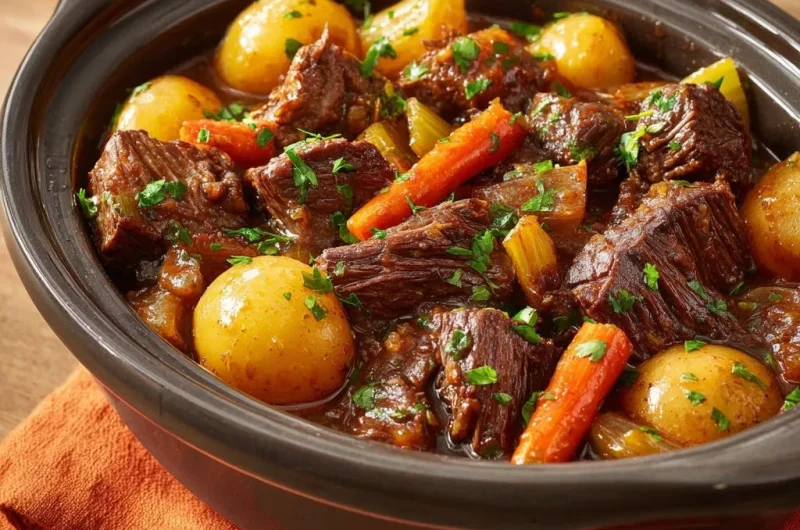
minutesDiscover the secret to perfectly tender, melt-in-your-mouth beef stew every time. This comforting slow cooker recipe features juicy beef, hearty vegetables, and a rich, savory broth. Get ready for a weeknight meal that will change your stew experience.
Ingredients
2 pounds beef chuck roast, cut into 1.5-inch cubes
1/4 cup all-purpose flour
1 teaspoon salt
1/2 teaspoon black pepper
2 tablespoons olive oil
1 large yellow onion, chopped
2 carrots, peeled and cut into 1-inch pieces
2 celery stalks, cut into 1-inch pieces
3 cloves garlic, minced
2 cups beef broth
1 teaspoon dried thyme
1 bay leaf
1.5 pounds small new potatoes, halved
Fresh parsley, chopped, for garnish
Directions
- Crucial first step for juicy beef: Pat the beef cubes very dry with paper towels. In a large bowl, toss the dried beef cubes with flour, salt, and pepper until evenly coated. This initial drying and coating helps create a beautiful crust.
- Heat olive oil in a large skillet or Dutch oven over medium-high heat. This next step is key to locking in flavor and moisture: Brown the beef in batches, making sure not to overcrowd the pan. Sear each side until a deep, dark crust forms. Remove browned beef to the slow cooker insert.
- Add chopped onion, carrots, and celery to the skillet. Cook for about 5-7 minutes, scraping up any browned bits from the bottom of the pan, until vegetables soften slightly. Add minced garlic and cook for another minute until fragrant.
- Pour in beef broth, stirring to deglaze the pan and incorporate all the flavorful browned bits. Bring to a simmer.
- Pour the broth mixture over the beef in the slow cooker. Add dried thyme and bay leaf. Stir gently.
- Cover and cook on low for 6-8 hours, or on high for 3-4 hours, until the beef is fork-tender. This low and slow cooking process, combined with the initial sear, is what truly transforms the meat, preventing dryness and ensuring ultimate tenderness as the connective tissues break down.
- During the last hour of cooking, add the halved new potatoes to the slow cooker. Ensure they are mostly submerged in the liquid. Continue cooking until potatoes are tender.
- Once cooked, remove the bay leaf. Ladle the hearty stew into bowls. Garnish generously with fresh chopped parsley before serving.
Notes
- Patting beef dry and browning it thoroughly are crucial steps for tender, flavorful results. Don’t overcrowd the pan when browning.