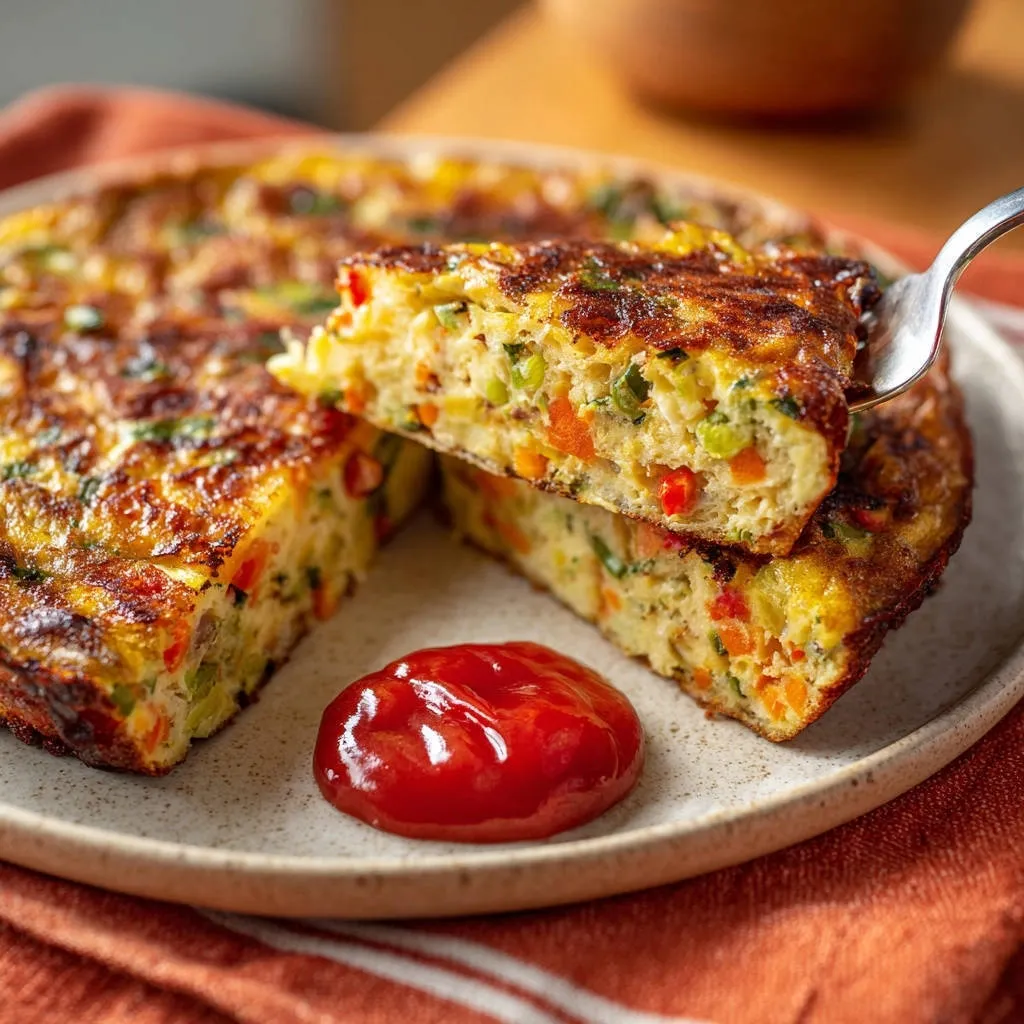
I spent years battling frittatas that had dry, rubbery edges and a soggy center, which is a common problem when baking egg dishes.
The secret to achieving the ideal, fluffy set in this Hearty Veggie Frittata lies in a precise two-stage cooking method, guaranteeing a tender, reliable result every single time.
This proven technique transforms a simple dish into an impressive, protein-packed centerpiece perfect for easy weeknight dinners or elegant weekend brunches.
Why This Hearty Veggie Frittata Technique Changes Everything
The Struggle with Dense, Rubber Eggs
When baked entirely in the oven, the thin edges of a frittata quickly dry out and overcook while the dense center struggles to reach a safe internal temperature.
Conversely, relying purely on the stovetop often leaves the top raw, forcing cooks to stabilize the structure by hardening the base unnecessarily.
Guaranteed Tender Texture Every Time
Our method utilizes extremely low heat on the stovetop to gently set the bottom 85% of the frittata, preventing the egg proteins from seizing up prematurely.
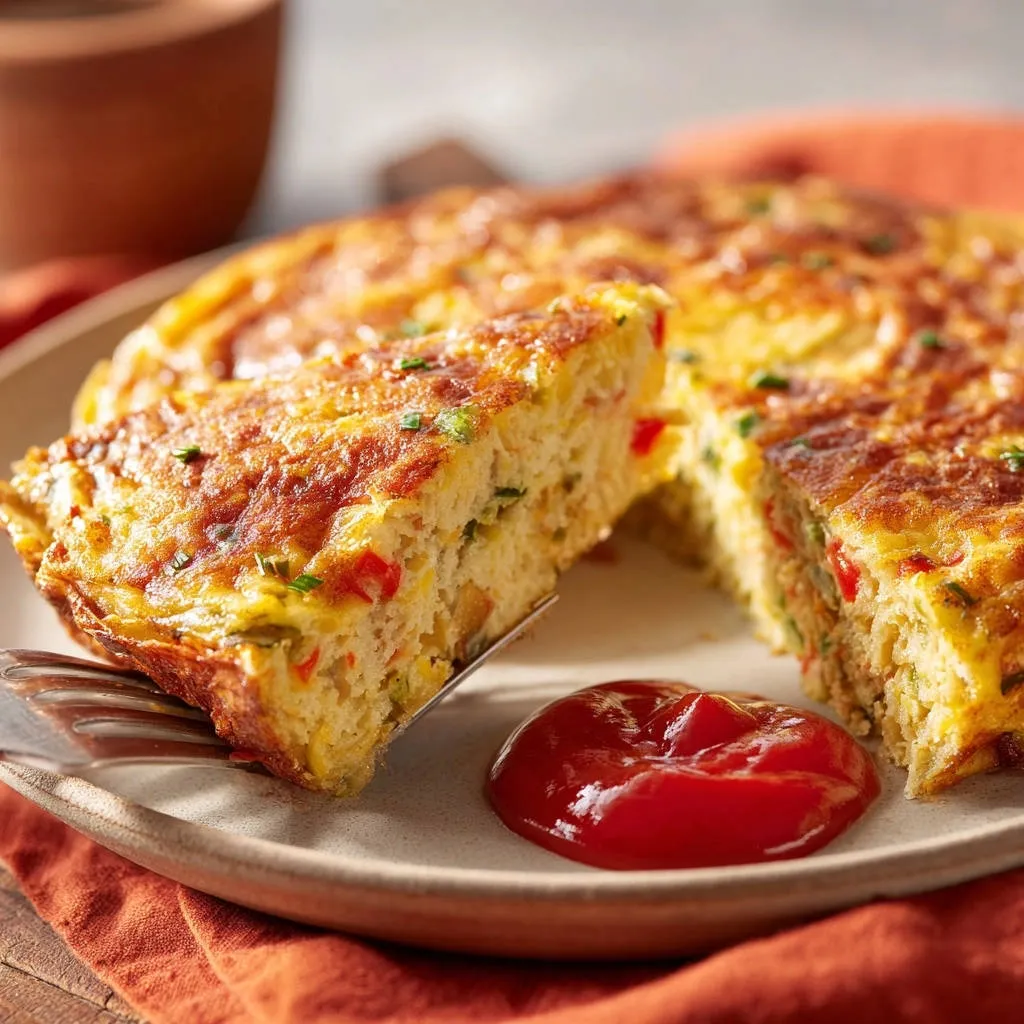
The final, quick blast under the broiler simply puffs and colors the top, locking in moisture and ensuring a light, velvety internal texture we call the “perfect set.”
Make-Ahead Friendly: Perfect for Meal Prep
The frittata is the ultimate solution for healthy meal prep, delivering balanced protein and cooked vegetables that hold up beautifully when chilled.
You can easily prepare this recipe on a Sunday and enjoy convenient, portioned slices for breakfast, lunch, or a quick dinner throughout the week.
The Foundation of Flavor: Essential Ingredients and Smart Swaps
Achieving the Perfect Egg-to-Veggie Ratio
Using 10 large eggs is the ideal amount for an 8 or 9-inch skillet, providing the necessary height for a substantial, restaurant-quality slice.
It is crucial not to overload the base; too many vegetables will disrupt the egg coagulation and result in a loose, wet set.
Dairy vs. Non-Dairy: Maximizing Richness
Adding 1/4 cup of whole milk or heavy cream increases the fat content, yielding a richer, more luxurious mouthfeel.
If skipping dairy, you can substitute with full-fat oat milk, or rely solely on the olive oil and cheese for adequate richness and structure.
Fresh Vegetables for Maximum Color and Crunch
All hard vegetables, like carrots, onions, and bell peppers, must be sautéed until tender before mixing them into the eggs.
This pre-cooking step releases moisture and softens the texture, ensuring no raw crunch disrupts the final tender structure of the frittata.
Try using seasonal alternatives like diced asparagus, sweet potatoes, or finely chopped spinach for easy variation.
For another vibrant vegetable option, explore this Broccoli Brussels Pepper Frittata.
Cheese Selection: Cheddar, Parmesan, and Beyond
Shredded mild cheddar adds classic melt and moisture, while aged Parmesan lends a crucial depth of savory umami flavor.
For an elevated dish, substitute with creamy goat cheese or smoked Gouda, ensuring the cheese is finely grated for even distribution throughout the mixture.
Essential Tools for Frittata Success
Choosing the Right Skillet: The Oven-Safe Factor
The most important tool for achieving a great frittata is an 8 or 9-inch heavy-bottomed, non-stick, oven-safe skillet.
Ensure the handle is metal or high-heat silicone, as plastic handles will melt and ruin your pan under the intense heat of the broiler step.
Whisking for Volume and Froth
Whisk the eggs vigorously in a large bowl for 60 to 90 seconds until they are light, slightly frothy, and uniform in color.
Incorporating air now creates necessary volume, which translates directly to the light, non-dense texture we seek in the finished Hearty Veggie Frittata.
Low and Slow Then High and Fast: The Two-Stage Frittata Method
Step-by-Step Guide to the Hearty Veggie Frittata
-
Prep and Saute the Vegetables:
Preheat the oven broiler and ensure your skillet is ready. Heat the olive oil and thoroughly cook the diced vegetables until they are tender and slightly softened, seasoning lightly before removing them.
This pre-cooking step is vital as it prevents the vegetables from leaching excess water into the egg base during the low-and-slow cooking stage.
-
Whisk the Egg Base:
Vigorously whisk the eggs, milk/cream (if using), salt, and pepper until the mixture is light and frothy. Gently fold in the cooked vegetables and cheese.
-
Mastering the 85% Cook on the Stovetop:
Pour the entire mixture back into the prepared skillet. Place it on the stovetop over very low heat and cook undisturbed for 10-12 minutes.
This slow setting process is the ‘texture secret,’ ensuring the edges set firmly without drying out while the center remains wet and jiggly (the target is 85% set).
-
The High Heat Finish:
When only a small circle (2-3 inches) remains uncooked in the center, transfer the skillet immediately to the broiler, positioned about 6-8 inches from the element.
Broil for 1 to 2 minutes ONLY, watching constantly. The goal is a puffed, golden top and a clean knife test near the center.
-
The Critical Role of Resting Time:
Remove immediately from the oven and let the frittata rest in the pan for 5 minutes before slicing.
This crucial rest time allows internal heat to finish the cooking and moisture to redistribute, actively preventing a dense or rubbery outcome.
Chef’s Secrets: Troubleshooting and Maximizing Your Frittata’s Flavor
Preventing the Dreaded Frittata Collapse
Some deflation is normal as the air cools, but excessive collapse often means the frittata was removed before it was fully stabilized.
Ensure you hit the full 5 minutes of resting time; the residual heat continues setting the structure even after the skillet leaves the oven.
Why Egg Temperature Matters
Using cold eggs straight from the refrigerator inhibits volume and can result in a slightly tougher finished product.
Allow the eggs to sit at room temperature for 30 minutes before whisking; this small step guarantees the lightest, fluffiest results.
Troubleshooting: My Frittata Edges Are Still Dry!
Dry edges are almost always caused by using a heat setting that was too high during the initial 10-minute stovetop set.
For electric stoves, ensure the setting is truly the lowest possible heat, or briefly lift the pan every few minutes to manage the intense temperature efficiently.
Flavor Pairing: Herbs and Spices That Elevate the Taste
Fresh herbs and simple spices dramatically improve the final profile of this Hearty Veggie Frittata, lending brightness and complexity.
- Fresh Dill or Chives: Add bright, oniony notes; stir them in at Step 2 or sprinkle liberally on top after resting.
- Smoked Paprika: A pinch added to the eggs lends warmth and a crucial subtle smoky depth.
- Nutmeg: A classic pairing with eggs and dairy; grate a tiny amount (1/8 tsp) directly into the whisked eggs before folding in the vegetables.
Make-Ahead Meals: Storage, Reheating, and Perfect Pairings
Serving Suggestions Beyond Ketchup
For an elegant brunch, serve slices alongside a mound of fresh arugula dressed simply with lemon vinaigrette and shaved Parmesan.
Top individual portions with a dollop of thick Greek yogurt mixed with a little hot sauce for a creamy, spicy contrast.
Pair this rich egg bake with homemade pesto or fresh salsa verde to cut through the richness with acidity and herbaceous brightness.
How to Store Leftovers Safely
Allow the frittata to cool completely on a rack before storing to prevent condensation buildup, which ultimately leads to sogginess.
Wrap individual slices tightly or store the entire dish in an airtight container in the refrigerator for up to 3 days.
Reheating Without Drying Out
The best way to reheat slices is in a toaster oven or conventional oven preheated to 300°F for about 5 minutes until just warmed through.
If using a microwave, use 50% power for short bursts (30 seconds) to warm gently and avoid overcooking the egg proteins, which results in a rubbery texture.
Got Questions? Answers to Your Frittata FAQs
Can I use frozen vegetables in my Hearty Veggie Frittata?
Yes, but moisture management is absolutely critical when using frozen produce like spinach or broccoli.
Ensure the vegetables are fully thawed, thoroughly drained, and sautéed for an extra minute or two to actively evaporate all excess liquid before they join the egg mixture.
What is the difference between a frittata and a quiche?
The primary difference is the crust: a quiche is traditionally baked in a pastry crust, while a frittata is intentionally crustless and cooked mainly in a single pan.
Frittatas generally contain less dairy and are started on the stovetop, whereas quiches usually contain more liquid (cream/milk) and are baked entirely in the oven.
How do I know when it’s truly done in the oven?
The top should be beautifully golden brown and puffed, and the very center must feel firm when lightly tapped.
For the definitive test, insert a thin knife blade near the middle; it must come out completely clean with no trace of wet or runny egg mixture.
Mastering the two-stage cooking technique means you never have to settle for a dry, subpar egg dish again.
Gather your favorite fresh produce and try this proven Hearty Veggie Frittata method today-it’s guaranteed to become your new go-to recipe for the perfect set and phenomenal flavor.
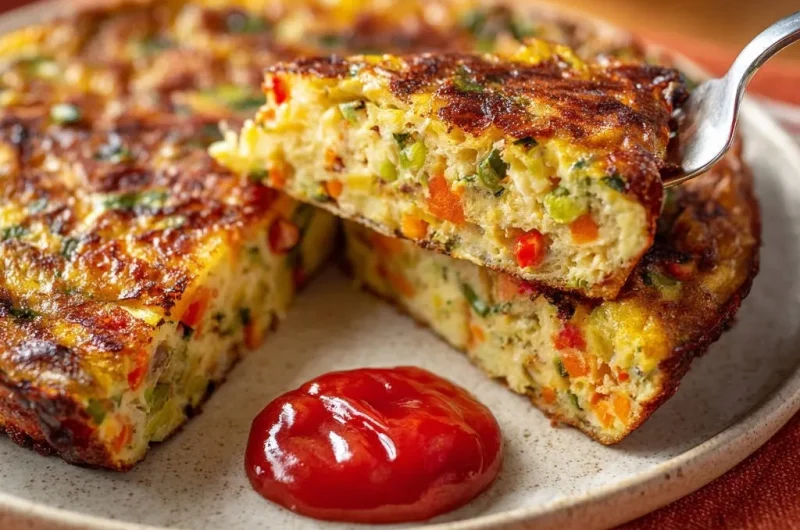
Veggie Frittata
Course: BreakfastCuisine: AmericanDifficulty: easy4
servings15
minutes20
minutes380
Calories35
minutesTired of rubbery frittata edges and a jiggly center? This recipe reveals the secret to achieving a light, perfectly set internal texture every time using a simple stovetop-to-broiler technique. Packed with hearty vegetables and optionally topped with cheese, it’s perfect for any meal of the day.
Ingredients
10 large eggs
2 tablespoons olive oil
1/2 cup finely diced onion or scallions
1/2 cup finely diced red bell pepper
1/2 cup finely chopped broccoli florets or zucchini
1/4 cup shredded carrot
1/4 cup whole milk or heavy cream (optional, for richness)
1/2 teaspoon salt
1/4 teaspoon black pepper
1/4 cup shredded cheddar or Parmesan cheese (optional)
Directions
- Prepare the Pan and Vegetables: Preheat your oven broiler. Use an 8 or 9 inch oven-safe, non-stick skillet. If your skillet is not non-stick, lightly grease the bottom and sides thoroughly. In the skillet, heat the olive oil over medium heat. Add the diced onion, red bell pepper, broccoli, and shredded carrot. Saute for 5 to 7 minutes until the vegetables are tender and slightly softened. Season lightly with a pinch of salt and pepper. Remove the vegetables from the pan and set aside in a bowl. Do not wipe out the pan.
- Prepare the Egg Base: Whisk the 10 eggs vigorously in a large bowl. Add the milk or cream (if using), salt, and pepper, whisking until the mixture is light and slightly frothy. Stir in the cooked vegetables and the shredded cheese (if using).
- The Low Heat Set (The Texture Secret): Pour the egg and vegetable mixture back into the prepared skillet. Place the skillet back on the stovetop over low heat. It is critical that the heat remains low. Allow the frittata to cook undisturbed for 10 to 12 minutes. As it cooks, you will notice the edges setting firmly. The center should still be wet and jiggly.
- Test for Setting: When the frittata edges are golden brown and fully set, and only a small, 2 to 3 inch circle of uncooked egg remains in the absolute center, it is ready for the finish. The goal is 85 percent set on the stovetop to prevent dryness.
- The High Heat Finish: Transfer the skillet immediately to the oven rack positioned about 6 to 8 inches below the broiler element. Broil on high for 1 to 2 minutes, watching constantly. The frittata is finished when the top is puffed up, golden brown, and the center is just set (a knife inserted near the middle should come out clean).
- Rest and Serve: Remove the frittata from the oven and let it rest in the pan for 5 minutes before slicing and serving. This resting time helps the internal moisture redistribute, preventing a dense or rubbery texture. Serve hot with your preferred sauce or relish.
Notes
- The key to non-rubbery texture is cooking 85% of the way on low heat before finishing quickly under the broiler. Don’t skip the 5-minute rest.