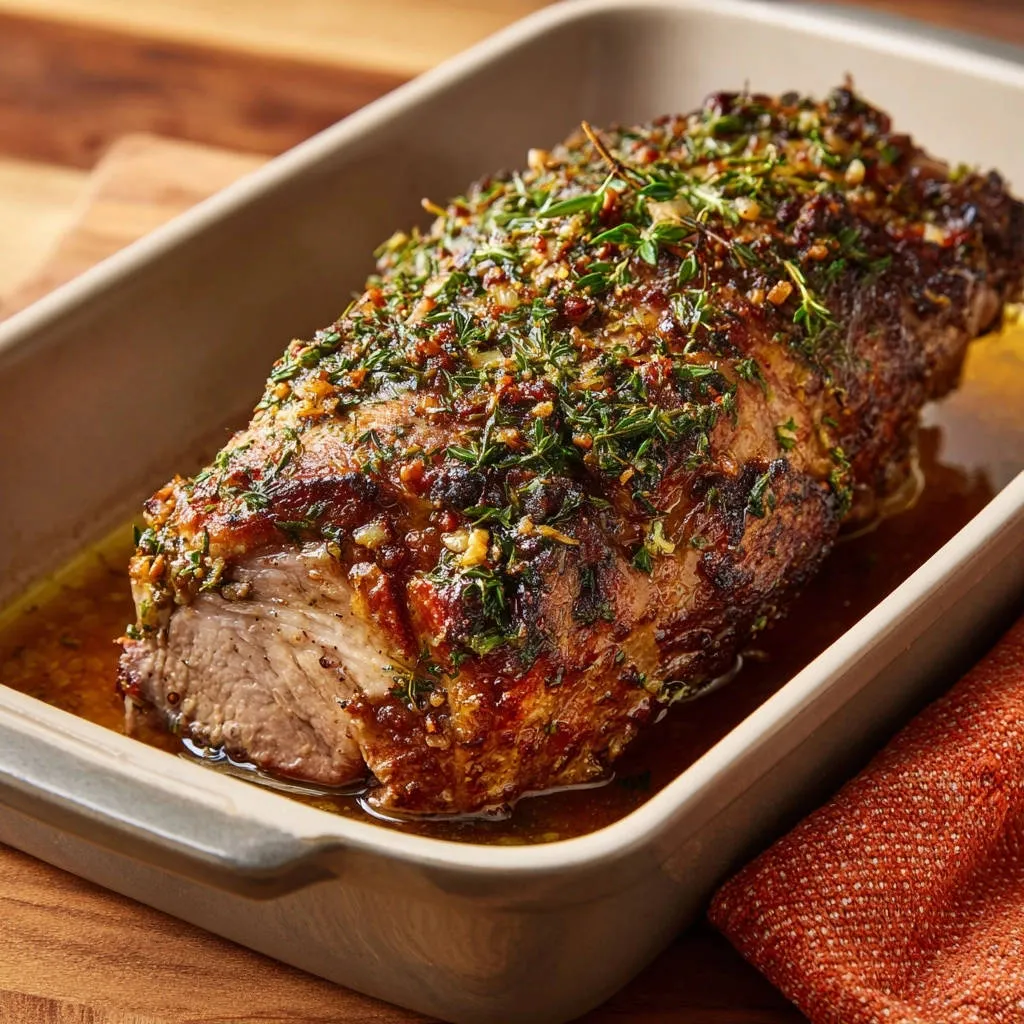
For years, roasting a whole beef tenderloin felt like a high-stakes culinary gamble, often resulting in a dry, disappointing centerpiece. But after countless tests and tweaks, I’ve perfected a method for an Herb-Crusted Beef Tenderloin Roast that guarantees a succulent, flavorful result every single time.
This recipe isn’t just about cooking meat; it’s about confidence, delivering a show-stopping dish that is tender, juicy, and infused with incredible aromatic flavors, perfect for any special occasion or an elevated weeknight meal.
Why This Herb-Crusted Beef Tenderloin Roast Guarantees Success
The Secret to Never-Dry Meat
The biggest fear with beef tenderloin is dryness. Our recipe meticulously guides you through crucial steps, including proper resting, ensuring the meat retains all its natural juices.
You’ll achieve an incredibly tender and moist interior, with every slice melting in your mouth, completely free from the disappointment of an overcooked roast.
Flavor That Impresses Without the Fuss
This Herb-Crusted Beef Tenderloin Roast features a vibrant, aromatic crust that transforms simple ingredients into profound flavor. The rich garlic and fresh herbs create an impressive gourmet taste without complex techniques.
It’s a testament that sophisticated flavors can be achieved with straightforward, accessible steps, making it ideal for both novice and experienced cooks.
Perfect for Special Occasions or Elevated Weeknights
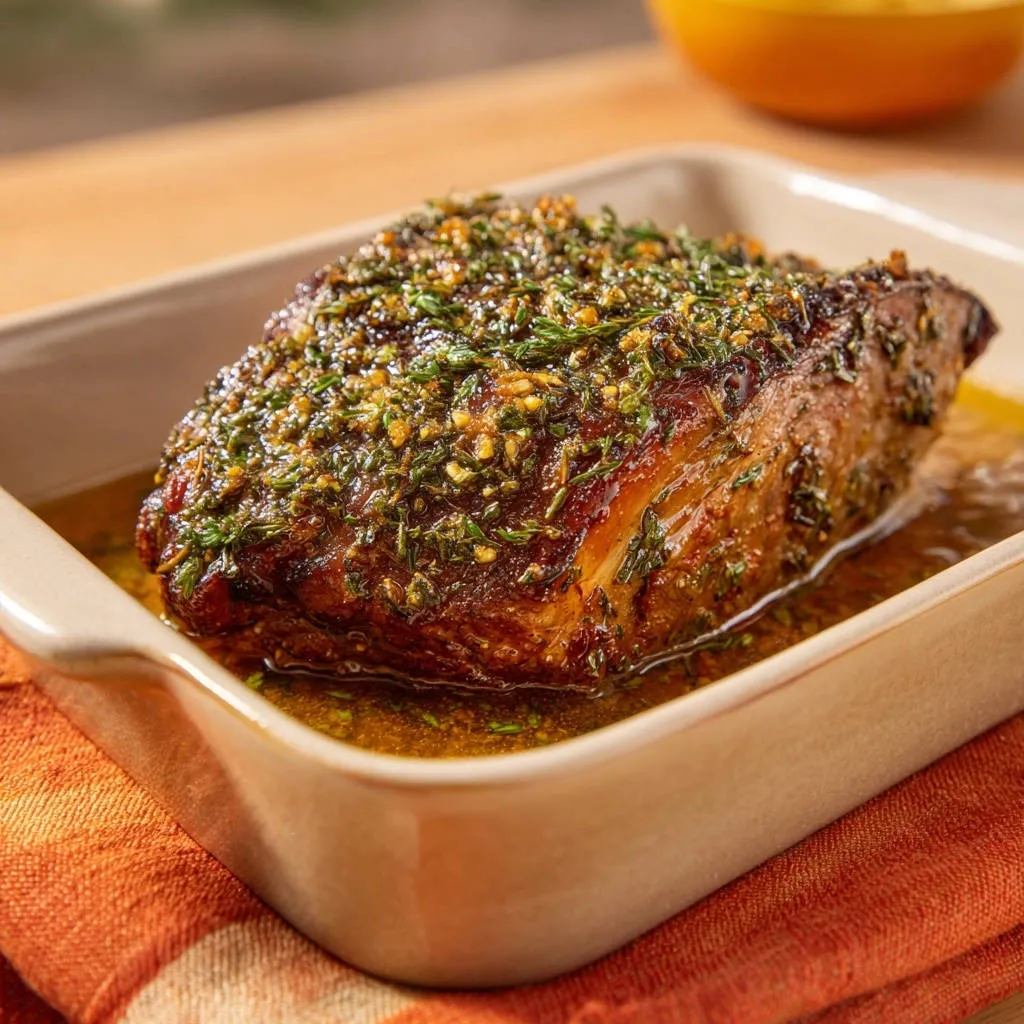
The elegance of a perfectly roasted beef tenderloin makes it a natural fit for holiday gatherings or dinner parties. Yet, the simplicity of this method means it’s entirely approachable for a memorable family dinner on a regular evening.
Its versatility allows it to shine in any setting, always delivering a sense of occasion to your table.
Gather Your Essentials: Ingredients for a Standout Roast
The Star: Premium Beef Tenderloin
Choosing the right cut is the first step to an exceptional Herb-Crusted Beef Tenderloin Roast.
Cut Selection: Opt for a center-cut tenderloin. This ensures a more uniform thickness, leading to even cooking and consistent results.
Size Matters: A 2 to 3-pound roast is ideal for serving 4-6 people, allowing ample portions while remaining manageable to cook perfectly.
Aromatic Herb & Garlic Crust
The robust herb crust is what truly distinguishes this beef tenderloin roast.
Fresh Rosemary: Its distinctive piney, slightly peppery notes are classic for beef, providing a bold aromatic base.
Fresh Thyme: Earthy and subtly floral, fresh thyme complements the rosemary and beef beautifully, adding depth without overpowering.
Minced Garlic: Freshly minced garlic creates a pungent, savory foundation that caramelizes during roasting, contributing immensely to the crust’s flavor.
Pantry Staples for Perfection
These foundational ingredients ensure the rub adheres and the flavors develop beautifully.
Olive Oil: Acts as the binding agent for the herb rub, allowing it to coat the meat evenly and promoting a golden, crisp sear.
Salt and Pepper: These basic seasonings are crucial for enhancing all the other flavors, drawing out the natural richness of the beef and herbs.
Tools of the Trade: Equipping Your Roasting Adventure
Having the right kitchen tools makes preparing this Herb-Crusted Beef Tenderloin Roast effortless and ensures professional results.
Large Oven-Safe Skillet: A heavy-bottomed cast iron pan is the gold standard. It retains heat exceptionally well for searing and can go directly from stovetop to oven.
Roasting Pan (Optional): If you don’t have an oven-safe skillet large enough, a sturdy roasting pan with a V-rack provides excellent air circulation for even cooking.
Meat Thermometer: Absolutely indispensable. An instant-read meat thermometer eliminates guesswork, guaranteeing perfect doneness every single time.
Cutting Board: A large, robust cutting board is essential for both resting the hot roast and carving it safely and neatly.
Small Mixing Bowl & Whisk: Perfect for combining the herb and garlic paste, ensuring all ingredients are well incorporated for an even rub.
Crafting Your Masterpiece: Step-by-Step Roasting Guide
Follow these detailed steps to achieve a perfectly cooked Herb-Crusted Beef Tenderloin Roast.
- Prepare the Roast:
Remove the beef tenderloin from the refrigerator at least 30 minutes before you plan to cook it. Allowing the meat to come closer to room temperature ensures more even cooking throughout the roast.
Pat the tenderloin thoroughly dry with paper towels. This crucial step removes surface moisture, which is essential for achieving a beautiful, crispy crust during the searing process.
- Create the Herb Rub:
In a small bowl, combine the olive oil, finely minced garlic, freshly chopped rosemary, freshly chopped thyme, salt, and black pepper.
Mix all these ingredients thoroughly with a spoon or whisk until they form a thick, fragrant paste. This ensures the flavors are evenly distributed and ready to adhere to the beef.
- Apply the Rub:
Generously coat the entire surface of the beef tenderloin with the prepared herb and garlic paste, using your hands to spread it evenly.
Press the paste firmly onto the meat. This ensures maximum adhesion, allowing the rub to form a delectable, flavorful crust during cooking.
- Sear for Flavor and Juices:
Heat a large, oven-safe skillet (cast iron is ideal) over medium-high heat until it is smoking hot. A touch more olive oil can be added to the pan if the rub feels too dry, but typically the oil in the rub is sufficient.
Carefully place the tenderloin in the hot skillet and sear it on all sides until a rich, deep brown crust forms. This usually takes about 2 to 3 minutes per side, creating a beautiful Maillard reaction.
Searing is vital because it locks in moisture and develops deep, complex flavors on the exterior, contributing significantly to the overall taste and texture of your Herb-Crusted Beef Tenderloin Roast.
- Roast to Perfection:
Transfer the seared tenderloin, still in its oven-safe skillet or moved to a roasting pan, to a preheated oven at 400°F (200°C).
Roast for 20 to 30 minutes, or until an internal meat thermometer inserted into the thickest part of the roast registers your desired doneness.
For medium-rare: 130°F (54°C)
For medium: 135 to 140°F (57 to 60°C)
Always remember that the temperature will rise by 5-10 degrees during resting, so pull the roast a few degrees below your final target for perfect results.
- The Golden Rule: Resting for Ultimate Juiciness:
This is arguably the most crucial step for a truly tender and juicy Herb-Crusted Beef Tenderloin Roast. Once the desired internal temperature is reached, immediately remove the tenderloin from the oven.
Transfer it to a clean cutting board and tent it loosely with aluminum foil. Allow the roast to rest undisturbed for at least 10 to 15 minutes.
During this vital resting period, the internal juices, which have been pushed to the center of the meat during cooking, redistribute evenly throughout the entire roast. This guarantees every single slice is moist, tender, and bursting with flavor. Cutting too soon will cause those precious juices to run out onto the board, leading to a disappointingly dry result.
- Perfect Slices, Ready to Serve:
After the essential resting period, slice the beef tenderloin against the grain into thick medallions, typically about 1/2 to 3/4 inch thick.
Serve your magnificent Herb-Crusted Beef Tenderloin Roast immediately, ideally with any accumulated pan juices or a complementary sauce to enhance its flavor.
Elevate Your Roast: Expert Tips for Impeccable Results
These insider tips will help you consistently achieve an extraordinary Herb-Crusted Beef Tenderloin Roast.
Don’t Skip the Room Temperature Prep: Allowing the roast to sit out for 30 minutes before cooking is not merely a suggestion; it significantly aids in achieving even cooking throughout the entire cut, preventing a cold center.
Trust Your Meat Thermometer: Visual cues like color can be highly deceiving with beef tenderloin. An instant-read thermometer is your absolute best friend for guaranteeing perfect doneness every single time, avoiding overcooking.
Mastering the Sear: Ensure your skillet is screaming hot before adding the beef. A fierce, quick sear creates an incredible, deeply flavorful crust and helps to lock in precious juices.
Customizing Your Herb Crust: While rosemary and thyme are classic, feel free to experiment. Incorporate other fresh herbs like oregano or marjoram, or add a pinch of red pepper flakes for a subtle, warming kick.
For more herb-forward ideas, consider this simple rosemary roast beef that complements the tenderloin beautifully.
Consider a Compound Butter: For an extra layer of richness, place a pat of herbed compound butter (e.g., garlic-herb butter) on top of the roast while it rests. It will melt and seep into the meat, adding moisture and flavor.
Troubleshooting Your Tenderloin: Common Roasting Challenges Solved
Why Is My Roast Dry?
Overcooking is the most common culprit for a dry beef tenderloin. Always use a reliable meat thermometer and pull the roast when it’s a few degrees below your target temperature, as it will continue to cook during the resting phase.
Skipping the crucial resting period also causes precious juices to escape when cut. Ensure you allow ample rest time for the juices to redistribute evenly throughout the meat.
My Crust Isn’t Crispy Enough
Ensure the beef is thoroughly patted dry with paper towels before applying the rub and searing. Any surface moisture will steam the meat rather than allowing it to sear and form a crisp crust.
Also, make sure your skillet is exceptionally hot before adding the tenderloin. A hot pan is vital for achieving a quick, effective sear and that beautiful, deeply browned exterior.
Uneven Cooking?
This can occur if the tenderloin wasn’t brought close enough to room temperature before cooking, or if the cut itself is particularly uneven in thickness.
For very uneven cuts, tying the tenderloin with kitchen twine at 1-inch intervals can help create a more uniform shape, promoting even roasting throughout the entire piece.
Beyond the Plate: Serving & Pairing Suggestions
Ideal Side Dishes
Complement your Herb-Crusted Beef Tenderloin Roast with these delicious pairings.
Garlic Mashed Potatoes: A timeless classic, their creamy texture and rich flavor are perfect for soaking up any succulent pan juices.
Roasted Asparagus or Green Beans: Simple, elegant, and provides a fresh, vibrant contrast to the richness of the beef.
Creamy Mushroom Risotto: For a more indulgent and sophisticated accompaniment, a rich and earthy risotto pairs exceptionally well.
Grape juice and Drink Pairings
Elevate your dining experience with the right beverage.
Red grape juice: Bold and structured reds like sparkling grape juice are excellent choices that complement beef beautifully.
Non-Alcoholic: Sparkling cranberry juice offers a refreshing tartness, or a rich unsweetened iced tea can provide a clean palate cleanser alongside the savory roast.
Making Ahead & Storing Your Delicious Leftovers
Prepping in Advance
You can prepare the aromatic herb rub up to a day in advance and store it in an airtight container in the refrigerator, ready for use.
The tenderloin can also be rubbed with the herb paste a few hours before cooking and kept refrigerated. Just remember to bring it to room temperature before searing.
Storing Cooked Tenderloin
Leftover Herb-Crusted Beef Tenderloin Roast should be cooled completely to room temperature before storing.
Place slices or the remaining roast in an airtight container and refrigerate for up to 3-4 days to maintain freshness and flavor.
Reheating for Best Flavor
To prevent drying out, gently reheat slices in a warm oven (around 250°F / 120°C) with a splash of broth or pan juices until just warmed through.
Avoid microwaving, as this tends to toughen the meat and diminish its delicate texture.
Your Top Questions Answered: Herb-Crusted Beef Tenderloin Roast FAQ
What cut of beef is best for tenderloin roast?
A whole beef tenderloin roast, particularly the center-cut (often referred to as chateaubriand), is the absolute ideal choice. It’s renowned for being incredibly tender, lean, and consistent, making it perfect for roasting.
Can I use dried herbs instead of fresh?
While fresh herbs offer a superior, more vibrant flavor and aroma, you can certainly substitute dried herbs if fresh are unavailable. When substituting, use about one-third the amount of dried herbs compared to fresh (e.g., 2 teaspoons dried for 2 tablespoons fresh) as their flavor is more concentrated.
How do I know when my roast is done?
The only truly reliable method for perfect doneness is to use an instant-read meat thermometer. Insert it into the thickest part of the roast, being careful to avoid any bone.
Aim for an internal temperature of 130°F (medium-rare) or 135-140°F (medium) before you remove it from the oven for resting, accounting for carryover cooking.
Is resting really that important for this Herb-Crusted Beef Tenderloin Roast?
Absolutely! Resting is, without a doubt, the most crucial step for achieving a juicy and tender roast. It allows the meat’s internal juices to redistribute evenly throughout, ensuring every single slice is moist, flavorful, and incredibly tender.
Skipping this vital step will cause all those precious juices to run out onto your cutting board, resulting in a disappointingly dry roast, despite perfect cooking.
Ready to Impress? Share Your Herb-Crusted Masterpiece!
With this foolproof guide, you’re now equipped to create an Herb-Crusted Beef Tenderloin Roast that will undoubtedly earn rave reviews. The combination of a vibrant herb crust, perfectly seared exterior, and incredibly juicy interior makes this recipe a true showstopper for any occasion.
Whether it’s a holiday feast, a celebratory dinner, or simply an elevated family meal, this tenderloin will become a cherished part of your culinary repertoire. Don’t be shy – share your delicious results and spread the joy of perfectly roasted beef!
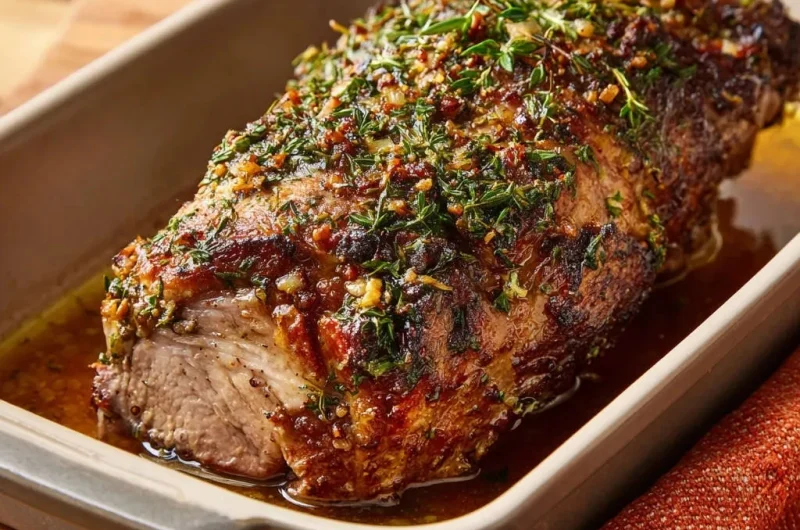
Beef Tenderloin Roast
Course: Main CourseCuisine: AmericanDifficulty: easy4
servings20
minutes40
minutes550
kcal60
minutesMaster the art of roasting with this Herb-Crusted Beef Tenderloin recipe, guaranteeing a tender, juicy center and a flavorful crust every time. Simple steps ensure your beef is perfectly seasoned and cooked to perfection. The key is in the searing, roasting, and crucial resting period.
Ingredients
1 (2 to 3 pound) beef tenderloin roast
3 tablespoons olive oil
4 cloves garlic, minced
2 tablespoons fresh rosemary, chopped
2 tablespoons fresh thyme, chopped
1 teaspoon salt
1/2 teaspoon black pepper
Directions
- Prep the Roast: Take the beef tenderloin out of the refrigerator at least 30 minutes before cooking to bring it closer to room temperature. Pat it thoroughly dry with paper towels. This is an important first step for a good crust and even cooking.
- Create the Herb Rub: In a small bowl, combine the olive oil, minced garlic, chopped rosemary, chopped thyme, salt, and black pepper. Mix well to form a thick paste.
- Apply the Rub: Generously coat the entire beef tenderloin with the herb and garlic paste, pressing it firmly onto the surface to ensure it adheres.
- Sear for Flavor and Juices: Heat a large, oven-safe skillet (cast iron works great) over medium-high heat until very hot. Add a touch more olive oil if needed. Sear the tenderloin on all sides until a rich brown crust forms, about 2 to 3 minutes per side. This step builds flavor and helps develop that beautiful outer texture.
- Roast to Perfection: Transfer the seared tenderloin, still in the oven-safe skillet or a roasting pan, to a preheated oven at 400°F (200°C). Roast for 20 to 30 minutes, or until an internal meat thermometer inserted into the thickest part of the roast registers 130°F (54°C) for medium-rare, or 135 to 140°F (57 to 60°C) for medium.
- THE JUICINESS SECRET (Resting): This is the most crucial step for a tender and juicy roast. Once the desired internal temperature is reached, remove the tenderloin from the oven. Immediately transfer it to a cutting board and tent it loosely with aluminum foil. Allow the roast to rest undisturbed for at least 10 to 15 minutes. During this rest, the juices, which have been pushed to the center during cooking, redistribute evenly throughout the meat, guaranteeing every slice is moist and flavorful. Cutting too soon will cause all those precious juices to run out, leading to dry meat.
- Slice and Serve: After resting, slice the beef tenderloin against the grain into thick medallions. Serve immediately with the pan juices.
Notes
- Resting the roast for 10-15 minutes after cooking is crucial for maximum juiciness and even distribution of flavors.