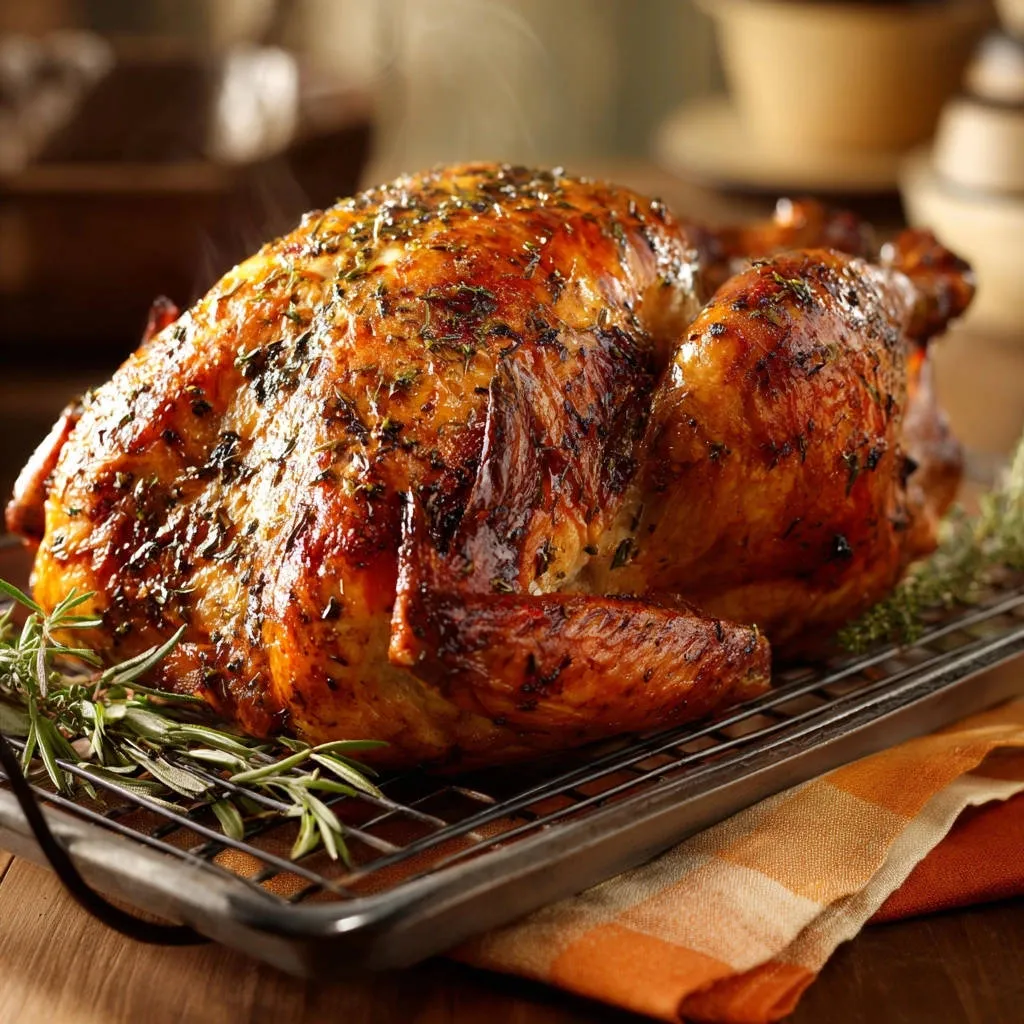
For years, I dreamt of a perfectly cooked whole chicken – juicy on the inside, with irresistibly crispy skin. It felt like an elusive culinary unicorn, until I mastered this incredible Herb Roasted Chicken recipe.
This isn’t just another recipe; it’s a foolproof method that consistently delivers tender, flavorful meat and a gloriously golden, crunchy exterior, making it the ultimate centerpiece for any meal, from weeknights to special occasions.
For another take on savory poultry with bright aromatics, consider this herb citrus roasted chicken.
Why This Herb Roasted Chicken Recipe Reigns Supreme
Effortlessly Tender & Flavorful Meat
This recipe guarantees incredibly tender and juicy chicken, solving the common dilemma of dry, disappointing roasts. Our strategic techniques lock in moisture, ensuring every bite is succulent and flavorful.
For an equally satisfying result, consider trying the herb-crusted chicken breast.
Golden, Crispy Skin: A Roasting Triumph
Say goodbye to flabby chicken skin! This method creates an enviable golden-brown, crispy skin that shatters with every bite, offering a delightful textural contrast to the tender meat beneath.
Simple Steps, Impressive Results
Achieving restaurant-quality results doesn’t require complex maneuvers. Our clear, concise steps make this gourmet-level Herb Roasted Chicken accessible for cooks of all experience levels.
The Flavor Foundation: What You’ll Need
Star of the Show: The Whole Chicken
Select a 3 to 4-pound whole chicken, ensuring it’s fresh and high-quality for the best flavor. A smaller bird cooks more evenly and efficiently.
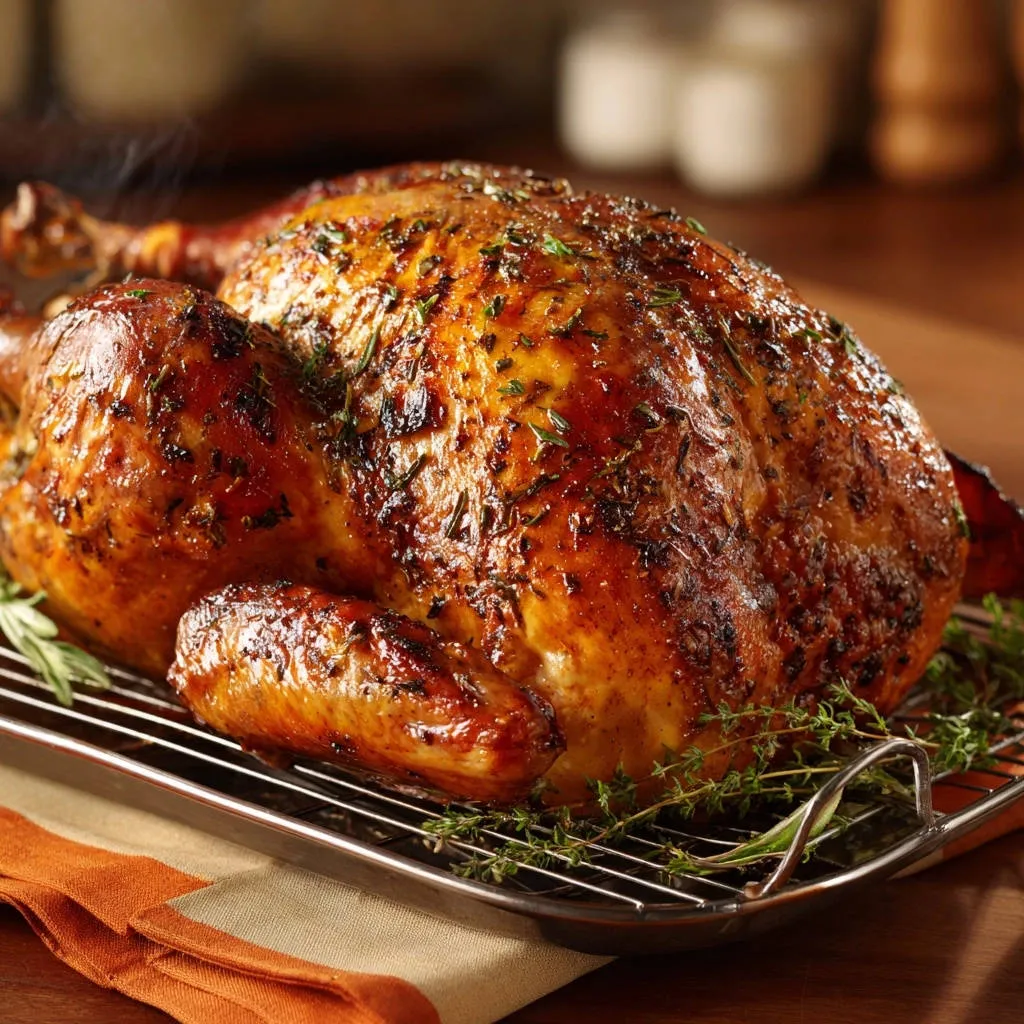
Aromatic Herb Butter Blend
Fresh rosemary and thyme are the soul of this dish, infusing a deep, earthy aroma into every fiber of the chicken. Garlic powder and onion powder amplify these classic savory notes.
Softened unsalted butter acts as a flavor carrier and a secret weapon, helping to crisp the skin while keeping the meat moist.
Secret to Internal Moisture: Lemon & Onion
Stuffing the chicken cavity with lemon halves and onion quarters isn’t just for flavor. These aromatics release steam during roasting, contributing to a more moist and flavorful internal environment.
Pantry Staples for Perfection
Good quality salt and freshly ground black pepper are fundamental. They enhance all the other flavors, ensuring a well-seasoned and balanced Herb Roasted Chicken.
Essential Tools for Roasting Success
Your Roasting Pan & Rack
A sturdy roasting pan with a V-rack or flat rack is crucial. The rack elevates the chicken, allowing hot air to circulate all around it for even cooking and superior crispy skin.
The Trusty Instant-Read Thermometer
An instant-read meat thermometer is your best friend in the kitchen, guaranteeing your chicken is cooked to a safe temperature (165°F) without being overcooked and dry.
Basic Kitchen Essentials
You’ll also need a small bowl for mixing, plenty of paper towels for drying, a carving board for resting, and aluminum foil for tenting.
Your Step-by-Step Guide to Herb Roasted Chicken Mastery
Preparation is Key: Drying & Tempering
Remove the chicken from its packaging and pat it thoroughly dry, inside and out, with paper towels. A dry surface is essential for crispy skin.
Let the chicken sit on the counter for 30 minutes to come closer to room temperature. This simple step ensures more even cooking from edge to center.
Crafting the Herb Butter
In a small bowl, combine the softened unsalted butter with chopped fresh rosemary, thyme, garlic powder, onion powder, salt, and black pepper.
Mix everything until it forms a uniform, aromatic paste. This herb butter is the heart of your flavorful roast chicken recipe.
The Under-Skin Butter Technique
Gently loosen the skin over the chicken breasts and thighs using your fingers, being careful not to tear it. Work slowly to create pockets.
Rub about half of the prepared herb butter mixture directly onto the meat under the skin. This infuses flavor and moisture directly into the chicken flesh.
External Seasoning & Flavorful Cavity Stuffing
Rub the remaining herb butter mixture generously all over the outside of the chicken skin. This ensures a golden, crispy, and flavorful exterior.
Stuff the cavity of the chicken with the lemon halves and onion quarters. These aromatics will steam from within, adding subtle flavor and moisture to your bird.
Roasting to Golden Perfection
Place the chicken, breast-side up, on a roasting rack set inside a roasting pan. This setup allows for optimal air circulation.
Roast for 20 minutes at 400°F to kickstart the crisping process, then reduce the oven temperature to 375°F and continue roasting for another 60 to 75 minutes.
The chicken is done when an instant-read thermometer inserted into the thickest part of the thigh (avoiding bone) registers 165°F. This guarantees a safe and perfectly cooked bird.
The Crucial Resting Period
Once the chicken reaches 165°F, remove it immediately from the oven. Do not skip this step.
Loosely tent the chicken with aluminum foil and let it rest on your carving board for at least 15 to 20 minutes before carving. This non-negotiable resting period allows the juices to redistribute throughout the meat, preventing dryness and ensuring a truly juicy chicken.
Carving & Serving Your Masterpiece
After resting, carve the chicken into desired pieces. Garnish with fresh herb sprigs if you wish for an extra touch of elegance.
Serve your magnificent Herb Roasted Chicken immediately and enjoy the fruits of your labor!
Elevate Your Roast: Expert Tips for Herb Roasted Chicken
The Power of Patting Dry
A thoroughly dry chicken surface is paramount for achieving that coveted crispy skin. Moisture on the skin creates steam, which prevents browning and crisping (the Maillard reaction).
Take your time with paper towels to ensure every inch of the skin is as dry as possible before applying the butter.
Don’t Skip the Room Temperature Stage
Starting with a chicken closer to room temperature ensures more even cooking throughout the bird. A cold chicken will have its exterior overcook before the interior is fully done.
Allowing it to temper for 30 minutes makes a noticeable difference in the final texture of your flavorful poultry.
Mastering the Under-Skin Rub
Applying herb butter directly under the skin infuses the meat with flavor and moisture from the inside out. This technique protects the breast meat from drying while the skin crisps.
Use the back of a spoon or your fingers to gently spread the butter evenly, being mindful not to pierce the skin.
Why Tent While Resting?
Tenting the chicken loosely with foil during resting helps to keep it warm while allowing the internal temperatures to equalize. This redistributes the precious juices from the center outwards.
It prevents the skin from getting soggy, unlike a tight foil wrap which would trap steam.
Adding Root Vegetables to Your Pan
For a complete one-pan meal, toss chopped root vegetables like potatoes, carrots, or parsnips with a little olive oil, salt, and pepper.
Add them to the roasting pan during the last 45-60 minutes of cooking, letting them roast in the chicken drippings for incredible flavor.
Optional Brining for Extra Juiciness
For an exceptionally moist and seasoned bird, consider a simple dry brine overnight. Sprinkle the chicken generously with salt and refrigerate it uncovered.
This draws moisture from the chicken, reabsorbs it with salt, and results in a deeply flavorful and juicy bird, adding to your perfect roast.
Perfect Pairings & Presentation
Classic Side Dishes That Shine
This magnificent Herb Roasted Chicken pairs beautifully with a variety of classic sides. Creamy mashed potatoes are always a comforting choice.
Around the Table
To round out your herb roasted chicken meal, consider these complementary dishes.
- For a fresh counterpoint, try this creamy kale Caesar salad featuring homemade sourdough croutons for a satisfying crunch.
- If you enjoy chicken with bright flavors, explore this creamy zesty chicken and corn salad that offers a different take on poultry.
Crispy roasted asparagus or green beans tossed with lemon add a fresh, vibrant contrast. A simple mixed green salad with a light vinaigrette also provides a lovely balance.
Simple Garnishing Ideas
Enhance the visual appeal of your perfectly roasted chicken with minimal effort. A few fresh sprigs of rosemary and thyme mirror the flavors within.
Bright lemon wedges placed around the platter add a pop of color and offer a convenient squeeze of citrus at the table.
Making the Most of Leftovers: Storage & Reheating
Safe Storage Guidelines
Allow any leftover roasted chicken to cool completely before storing. Once cool, carve remaining meat off the bone and place it in an airtight container.
Store in the refrigerator for up to 3-4 days. You can also freeze cooked chicken for up to 3 months.
Bringing Leftovers Back to Life
To reheat without drying, slice the chicken and place it in an oven-safe dish with a splash of broth or water, then cover tightly with foil. Reheat at 300°F until warmed through.
Alternatively, use an air fryer at 350°F for 5-7 minutes for deliciously crispy results, adding a tiny bit of moisture if needed.
Creative Ways to Repurpose Roasted Chicken
Transform leftover Herb Roasted Chicken into new, exciting meals. Shred it for flavorful chicken salads or sandwiches.
It’s also fantastic in chicken noodle soup, quick chicken tacos, or folded into a creamy pasta dish, making this home cooking staple incredibly versatile.
Roasted Chicken Roadblocks? We’ve Got Solutions!
My Chicken Skin Isn’t Crispy Enough
Ensure your chicken was thoroughly patted dry before applying the butter. Moisture is the enemy of crispy skin.
Also, double-check your oven temperature with an oven thermometer to ensure it’s accurate. For a last-minute fix, a quick blast under the broiler for 1-2 minutes can achieve extra crispness (watch carefully to prevent burning).
The Meat Turned Out Dry
The most common culprit for dry chicken is overcooking. Always use an instant-read thermometer to confirm it reaches 165°F in the thigh, then remove it promptly.
Critically, never skip the resting period. This allows juices to redistribute, guaranteeing a moist bird. Resting is non-negotiable for juicy chicken.
Flavor Feels Lacking
Ensure you used enough salt and pepper, both inside the cavity and rubbed with the herb butter. Taste your herb butter mixture before applying it.
For a bolder flavor next time, consider trying the optional brining step, which deeply seasons the meat.
Your Herb Roasted Chicken Questions, Answered
Can I Use Dried Herbs Instead of Fresh?
Yes, you can substitute dried herbs for fresh, but the flavor will be less vibrant. Use about 1 teaspoon of dried herbs for every tablespoon of fresh, as dried herbs are more concentrated.
Always crush dried herbs between your fingers before mixing to release their aromatics.
What’s the Best Way to Carve a Whole Chicken?
First, remove the legs and thighs by cutting through the joint, then separate the drumsticks from the thighs. Next, slice off the wings.
Finally, locate the breastbone and slice down each side to remove the breast meat in two halves, then slice across against the grain.
How Do I Know When It’s Fully Cooked?
The only reliable way to know your chicken is fully cooked is by using an instant-read thermometer. Insert it into the thickest part of the thigh, making sure not to touch the bone.
The internal temperature should register 165°F (74°C) for safe consumption and perfectly cooked meat.
Can I Brine the Chicken First?
Absolutely! Brining is an excellent way to add even more moisture and flavor. A simple dry brine (salt rubbed directly on the skin) overnight in the refrigerator works wonders for a truly flavorful poultry experience.
If wet brining, ensure you pat the chicken very dry before roasting to ensure crispy skin.
Ready to Impress? Share Your Herb Roasted Chicken Masterpiece!
Now you have all the secrets to crafting a magnificent Herb Roasted Chicken that will wow your family and friends every single time. It’s a dish that looks impressive but is delightfully simple to achieve.
Don’t just keep this perfection to yourself! We’d love to see your golden-skinned, juicy creations. Share your photos and experiences with us on social media!
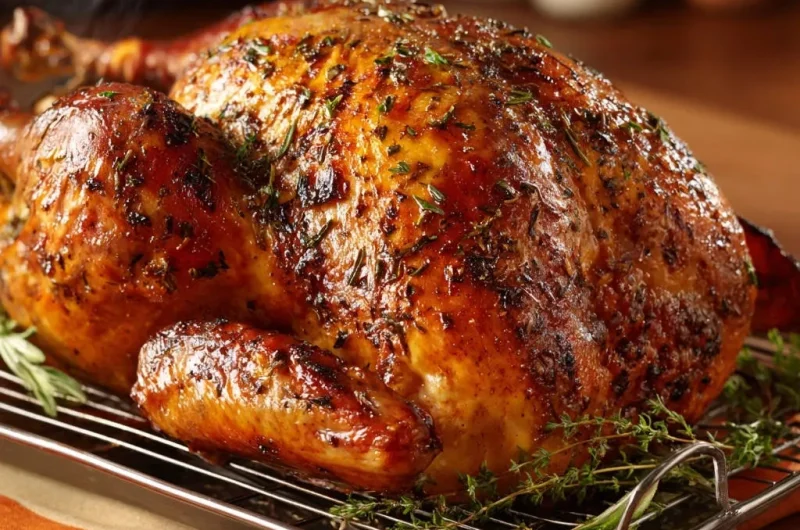
Herb Roasted Chicken
Course: Main CourseCuisine: AmericanDifficulty: medium4
servings20
minutes1
hour650
kcal120
minutesThis foolproof recipe guarantees a perfectly tender and flavorful whole chicken with irresistibly crispy skin every time. With simple steps and fresh herbs, you’ll achieve that ideal balance of juicy meat and delicious seasoning. Say goodbye to dry roast chicken forever!
Ingredients
1 whole chicken, 3 to 4 pounds
2 tablespoons unsalted butter, softened
1 tablespoon fresh rosemary, chopped
1 tablespoon fresh thyme, chopped
1 teaspoon garlic powder
1 teaspoon onion powder
1 teaspoon salt
1/2 teaspoon black pepper
1 lemon, halved
1 small yellow onion, quartered
Fresh rosemary sprigs, for garnish (optional)
Fresh thyme sprigs, for garnish (optional)
Directions
- Remove the chicken from its packaging and pat it thoroughly dry with paper towels, inside and out. Let it sit on the counter for 30 minutes to come closer to room temperature. This step is key for even cooking.
- Preheat your oven to 400 degrees Fahrenheit.
- In a small bowl, mix the softened butter with chopped rosemary, thyme, garlic powder, onion powder, salt, and pepper.
- Gently loosen the skin over the chicken breasts and thighs using your fingers, being careful not to tear it. Rub about half of the herb butter mixture directly onto the meat under the skin.
- Rub the remaining herb butter mixture all over the outside of the chicken skin.
- Stuff the cavity of the chicken with the lemon halves and onion quarters. This helps create internal steam for extra moisture and flavor during roasting.
- Place the chicken on a roasting rack set inside a roasting pan.
- Roast for 20 minutes at 400 degrees Fahrenheit, then reduce the oven temperature to 375 degrees Fahrenheit and continue roasting for another 60 to 75 minutes, or until an instant read thermometer inserted into the thickest part of the thigh (without touching bone) registers 165 degrees Fahrenheit.
- This next step is crucial for guaranteed juiciness: Once the chicken reaches 165 degrees Fahrenheit, remove it from the oven. Immediately tent it loosely with aluminum foil and let it rest on the carving board for at least 15 to 20 minutes before carving. This resting period allows the juices to redistribute throughout the meat, preventing dryness.
- Carve the chicken, garnish with fresh herb sprigs if desired, and serve immediately.
Notes
- The resting period after roasting is crucial for incredibly juicy results, allowing the meat’s juices to redistribute.