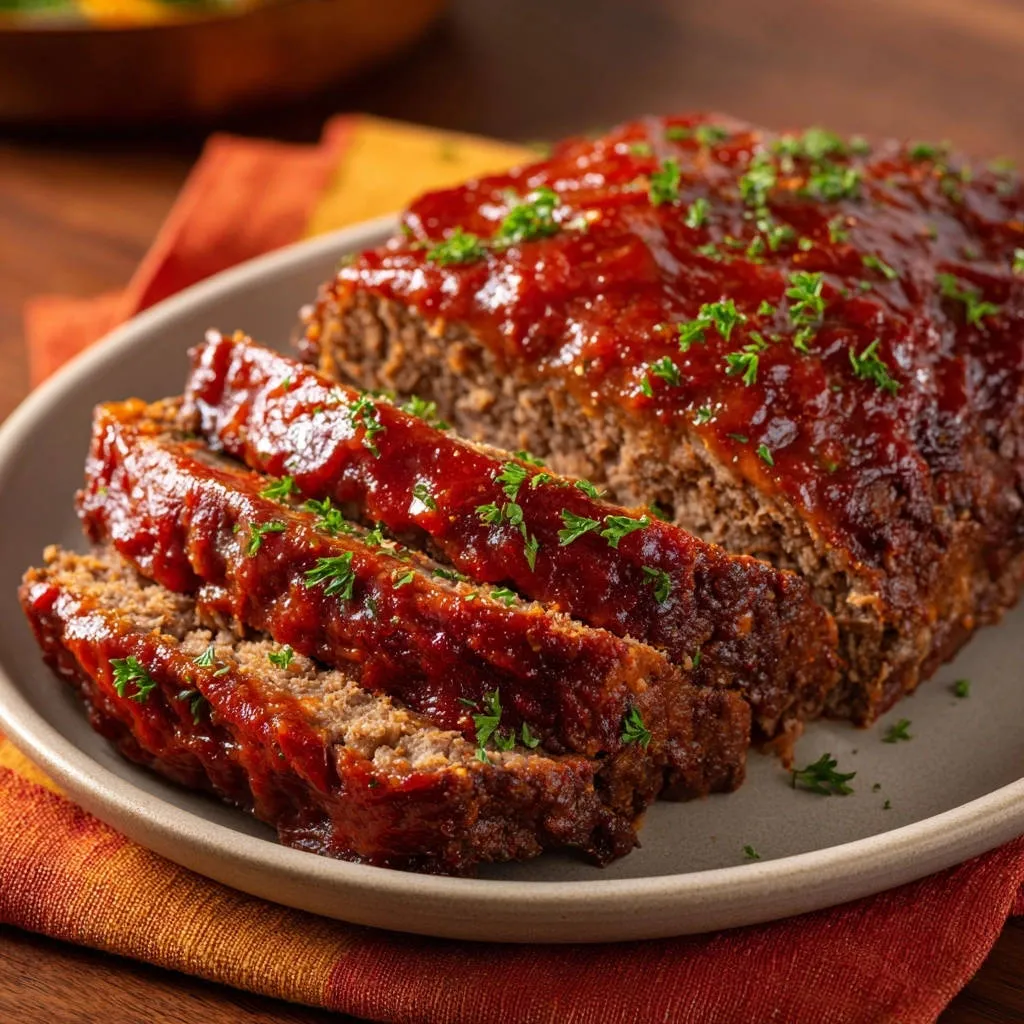
For years, I struggled to achieve that perfect, comforting texture in a Homestyle Glazed Meatloaf, often ending up with something dense and rubbery. I cracked the code by focusing purely on gentle technique and ingredient preparation.
This foolproof recipe delivers an incredibly moist and fluffy meatloaf every time, guaranteed to solve the common frustration of a tough bite.
The “Never Dense” Secret: Why This Homestyle Glazed Meatloaf Works
A dense meatloaf is primarily caused by overworking the ground meat, which develops the protein structure and makes it contract and toughen during baking.
Our method combats this by building moisture into the base mixture first, minimizing the time the meat needs to be handled and mixed.
The Power of the Binder (And Why We Soak It)
The binder-a mixture of milk and breadcrumbs-is the essential component for internal moisture and softness.
Soaking the breadcrumbs pre-moisturizes them, creating a wet paste that distributes hydration evenly without needing the meat to absorb moisture or be pressed to hold its shape.
85/15: The Ideal Fat Ratio for Moisture
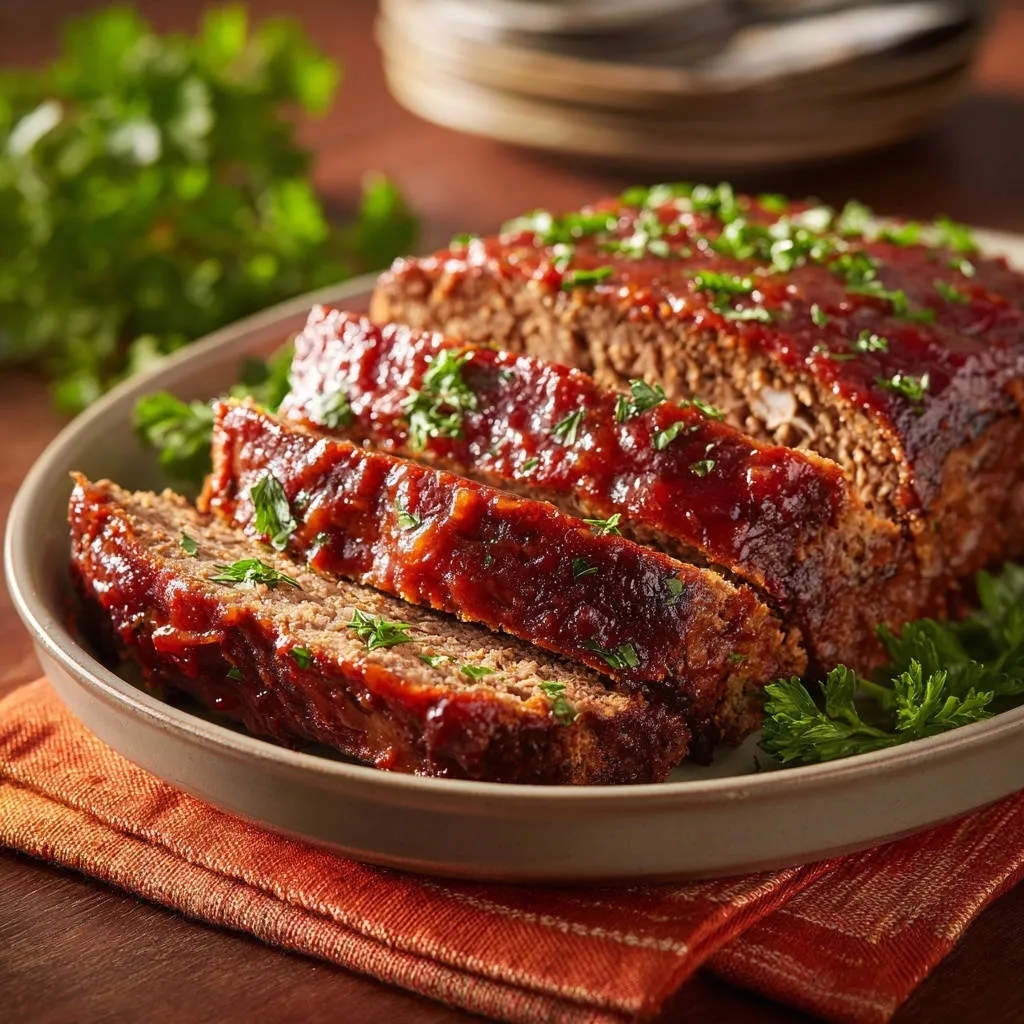
We recommend an 85/15 lean-to-fat ratio for the ground beef, which provides a balance of flavor and juiciness.
The 15% fat content ensures the loaf remains moist as it bakes, preventing the dreaded dry, crumbly result without leaving an excess pool of grease in the pan.
Flavor Foundation: Essential Ingredients for the Perfect Loaf and Glaze
The Building Blocks of the Loaf
Ground Beef: Always choose high-quality ground beef; the 85/15 ratio is critical for the ideal moisture and texture of this fluffy meatloaf.
Aromatics: Finely diced yellow onion adds depth of flavor and moisture. Ensure the pieces are very small so they soften completely into the meatloaf texture.
Seasoning Trio: Thyme, garlic powder, salt, and pepper create the defining savory, earthy profile inherent to a classic homestyle meatloaf.
Crafting the Signature Glaze
The glaze marries ketchup, brown sugar, apple cider vinegar, and dry mustard into a harmonious blend.
For a similar sweet and tangy topping, check out this classic glazed meatloaf.
The sugar provides necessary caramelization, while the vinegar and mustard cut through the richness of the meat for a perfect sweet-and-tangy finish.
Mise En Place: Essential Tools and Preparation
The Right Pan: A standard 9×5 inch loaf pan provides the ideal deep shape. Lightly greasing the pan ensures easy removal after the rest period.
The Mixing Tool: Avoid kitchen gadgets and use only your hands or a fork. This tactile approach allows you to gauge exactly when the ingredients are just combined, preventing overmixing.
The Detailed Method: Constructing Your Fluffy Homestyle Meatloaf
- Activate the Binder:
Preheat the oven to 350°F. In a small bowl, combine the milk and breadcrumbs and let the mixture sit for five minutes.
This critical step ensures the breadcrumbs fully absorb the milk, turning them into a smooth, wet paste essential for a tender meatloaf.
- Mixing the Non-Meat Ingredients:
In a large bowl, whisk together the soaked breadcrumb mixture, lightly beaten egg, diced onion, thyme, garlic powder, salt, and pepper.
Mixing these seasonings and aromatics thoroughly now guarantees even flavor distribution without requiring aggressive handling later.
- The Gentle Folding Technique (The Fluffiest Meatloaf Secret):
Add the 2 pounds of ground beef to the bowl. Use your hands or a fork and gently fold the ingredients over themselves.
Stop mixing the exact moment all ingredients are just incorporated and no raw streaks of seasoning remain. Do not squeeze, press, or knead; this technique prevents a dense meatloaf.
- Shaping the Loaf:
Transfer the mixture into the prepared loaf pan. Gently form the mixture into an even loaf.
Avoid pressing down tightly. The goal is to keep the mixture loose and airy to maintain the delicate texture achieved through gentle mixing.
- Initial Bake and Glaze Prep:
Bake the meatloaf uncovered for 40 minutes. While it bakes, prepare the signature glaze by whisking together the ketchup, brown sugar, apple cider vinegar, and dry mustard.
- The Glaze Application and Finish:
Remove the meatloaf from the oven and carefully brush half of the prepared glaze evenly over the top.
Return the loaf to the oven and continue baking for 20 to 25 minutes, until an internal temperature of 160°F is reached. The sugar in the glaze will caramelize beautifully during this final stage.
- The Critical 10-Minute Rest:
Once fully cooked, remove the meatloaf from the oven and let it rest in the pan for a full 10 minutes.
This essential resting period allows the internal juices to redistribute throughout the fibers, preventing the moisture from running out when you slice the non-dense meatloaf.
Once it’s had time to rest, consider trying this jalapeno feta meatloaf for a new twist.
Chef’s Secrets and Troubleshooting Your Meatloaf Masterpiece
Expert Tips for Maximum Flavor and Moisture
Tip 1: Use Fresh Breadcrumbs: While panko works, making fresh breadcrumbs from slightly stale white bread offers superior absorption, contributing to the most tender texture.
Tip 2: Temper the Egg: Ensure your egg is at room temperature. This allows it to emulsify and incorporate smoothly into the binder mixture, leading to a more homogenous loaf structure.
Tip 3: Don’t Skip the Rest: The resting period is mandatory. Cutting the loaf too early releases all the valuable moisture onto the cutting board, resulting in a dry slice.
Troubleshooting: Common Meatloaf Problems Solved
My Meatloaf is Falling Apart (Too Crumbly)
This often indicates that the loaf was handled too loosely during shaping, or there was not quite enough binder (milk/breadcrumbs/egg) relative to the amount of meat used.
Ensure you measure the liquid binder ingredients precisely to maintain structural integrity.
The Glaze Burnt Before the Loaf Was Done
The high sugar content in the glaze will scorch if exposed to high heat for too long.
Following the two-stage baking process-applying the glaze only halfway through-prevents this issue while still allowing the glaze to form a sticky, savory crust.
Round Out Your Meal
To complement your fluffy meatloaf, consider these dishes.
- For a different take on ground beef, try these sticky glazed beef meatballs, which offer a similar savory satisfaction.
- Pair your meatloaf with the comforting sweetness of creamy roasted butternut squash soup for a balanced plate.
Elevating the Meal: Serving, Storing, and Freezing Tips
The Perfect Accompaniments for Homestyle Glazed Meatloaf
Classic mashed potatoes or a creamy potato gratin are traditional favorites that soak up the extra glaze perfectly, complementing the richness of the meat.
For greens, try simple steamed green beans, roasted asparagus, or a sharp vinegar-based coleslaw to cut through the richness.
Make-Ahead and Storage Strategies
Meatloaf is an excellent meal prep option. You can mix and shape the uncooked loaf (without applying the glaze) and store it tightly wrapped in the fridge for up to 24 hours before baking.
To freeze the glazed meatloaf recipe, fully cook and cool the loaf completely. Wrap it tightly first in plastic wrap and then in foil; it keeps well for up to three months.
Always thaw frozen meatloaf overnight in the refrigerator before reheating. Leftover slices are phenomenal served cold on sandwiches the next day!
Your Top Questions Answered: Meatloaf FAQs
Do I Have to Use Breadcrumbs?
Breadcrumbs are highly recommended because they absorb the milk and moisture efficiently without giving the loaf a dry texture.
If you must avoid grains, you can substitute crushed gluten-free crackers or quick-cooking oats, though the final meatloaf texture will be slightly less tender.
Can I Cook Meatloaf Without a Loaf Pan? (Free-Form Method)
Yes, you can shape the mixture into a free-form loaf directly on a foil-lined baking sheet.
This technique often results in a better caramelized crust all around, but be aware that the baking time might need to be slightly reduced, so monitor the internal temperature closely.
What is the Best Way to Reheat Leftover Meatloaf?
To retain maximum moisture, wrap individual slices loosely in foil and reheat them in a 300°F oven until warmed through, which typically takes about 15 to 20 minutes.
Avoid the microwave for reheating, as the high heat tends to dry out the edges and toughen the delicious fluffy meatloaf texture.
Ready to Impress? Share Your Homestyle Glazed Meatloaf Masterpiece!
This recipe transforms a beloved classic comfort food into a guaranteed success by eliminating the guesswork around texture.
Say goodbye to rubbery meatloaf and hello to the tender, Homestyle Glazed Meatloaf you’ve always wanted. We’d love to hear how it turned out-leave a review and share your serving photos!
Meatloaf
Course: Main CourseCuisine: AmericanDifficulty: medium6
servings20
minutes1
hour5
minutes450
kcal60
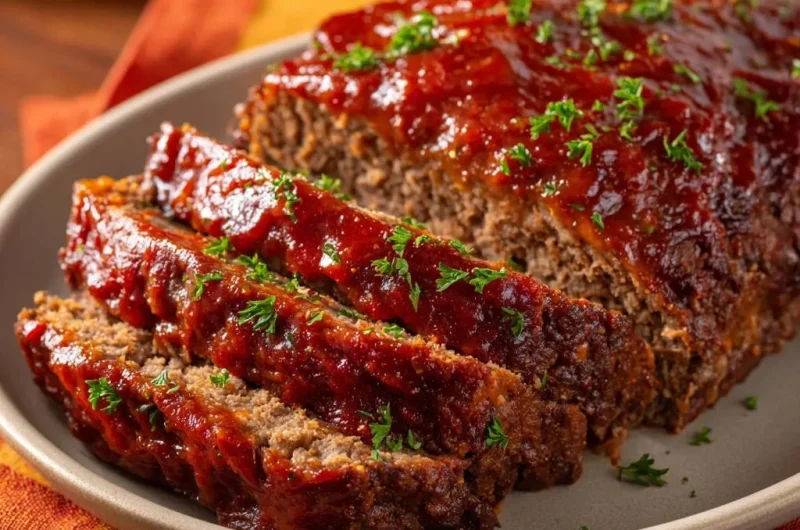
minutesThis recipe finally cracks the code on achieving a perfectly tender and moist meatloaf every time. The secret lies in a simple, gentle mixing technique that prevents a tough or rubbery texture. Topped with a tangy, sweet ketchup glaze, this is true homestyle comfort food.
Ingredients
For the Meatloaf:
2 pounds ground beef (85/15 blend recommended)
1 cup fresh breadcrumbs (or panko)
1/2 cup milk
1 large egg, lightly beaten
1 medium yellow onion, finely diced
1 teaspoon dried thyme
1 teaspoon garlic powder
1 teaspoon salt
1/2 teaspoon black pepper
For the Glaze:
1/2 cup ketchup
2 tablespoons brown sugar
1 tablespoon apple cider vinegar
1 teaspoon dry mustard
Directions
- Prepare the Pan and Oven Preheat your oven to 350 degrees F. Lightly grease a standard 9×5 inch loaf pan.
- Prepare the Binder In a small bowl, combine the breadcrumbs and milk. Let the mixture sit for 5 minutes until the breadcrumbs have fully absorbed the milk. This creates a wet, smooth paste that is essential for moisture.
- Mix the Aromatics In a large mixing bowl, combine the soaked breadcrumb mixture, beaten egg, diced onion, thyme, garlic powder, salt, and pepper. Mix these binder ingredients thoroughly with a fork until well combined.
- Apply the Non-Dense Trick (The Meat Mixing) Add the 2 pounds of ground beef to the bowl. Here is the trick to preventing density: Use your hands or a fork and mix the ingredients very gently. Fold the mixture over itself just until the ingredients are combined and there are no large streaks of unmixed seasoning left. Do not squeeze, press, or overwork the mixture. Overmixing develops the protein, resulting in a tough meatloaf. Stop mixing the second it holds together.
- Shape the Loaf Transfer the mixture into the prepared loaf pan. Gently form the mixture into an even loaf, avoiding pressing it down tightly. The goal is to keep the mixture loose.
- Prepare the Glaze In a separate small bowl, whisk together the ketchup, brown sugar, apple cider vinegar, and dry mustard until smooth.
- Initial Bake Bake the meatloaf at 350 degrees F for 40 minutes.
- Glaze and Finish Remove the meatloaf from the oven. Carefully brush or spoon half of the prepared glaze evenly over the top of the loaf. Return the meatloaf to the oven and continue baking for another 20 to 25 minutes, or until an internal temperature reaches 160 degrees F.
- Rest and Serve Once fully cooked, remove the meatloaf from the oven and let it rest in the pan for 10 minutes. This resting period allows the juices to redistribute, ensuring maximum moisture. Slice and serve with the remaining glaze, if desired.
Notes
- Avoid overmixing the meat mixture; this is critical for a tender loaf. Ensure the internal temperature reaches 160 degrees F.