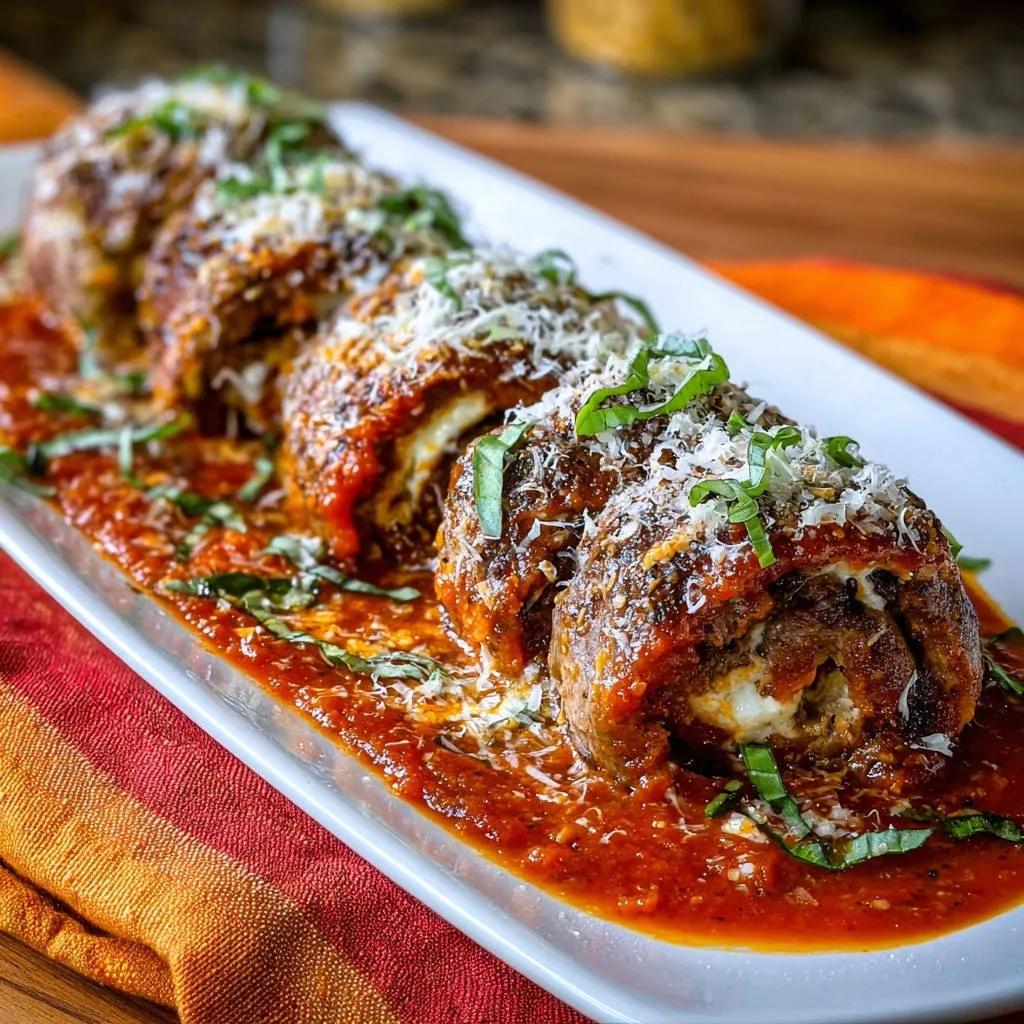
I spent years frustrated when my homemade meat rolls came out dense and chewy, missing that signature, fall-apart texture cherished in true Italian cuisine.
This recipe for Italian Stuffed Meat Rolls solves that forever, introducing two simple techniques-a secret breadcrumb panade and a meticulously controlled, low-and-slow simmer.
This method ensures the ground beef remains incredibly juicy, delivering that meltingly tender, deeply flavorful comfort food experience you deserve, perfect for a cozy Sunday dinner.
The “Never Tough” Guarantee: Secrets to Tender Italian Stuffed Meat Rolls
Panade: The Key to Internal Moisture
A panade is simply breadcrumbs soaked in milk, and it is the absolute foundation for tender ground meat dishes.
When mixed into the beef, the swollen breadcrumbs absorb and hold moisture throughout the long cooking process, preventing the meat proteins from contracting too tightly.
The Critical Rolling Technique for Uniform Thickness
Achieving a uniform thickness of precisely 1/3 inch across the entire 10 by 14-inch rectangle is vital for this dish.
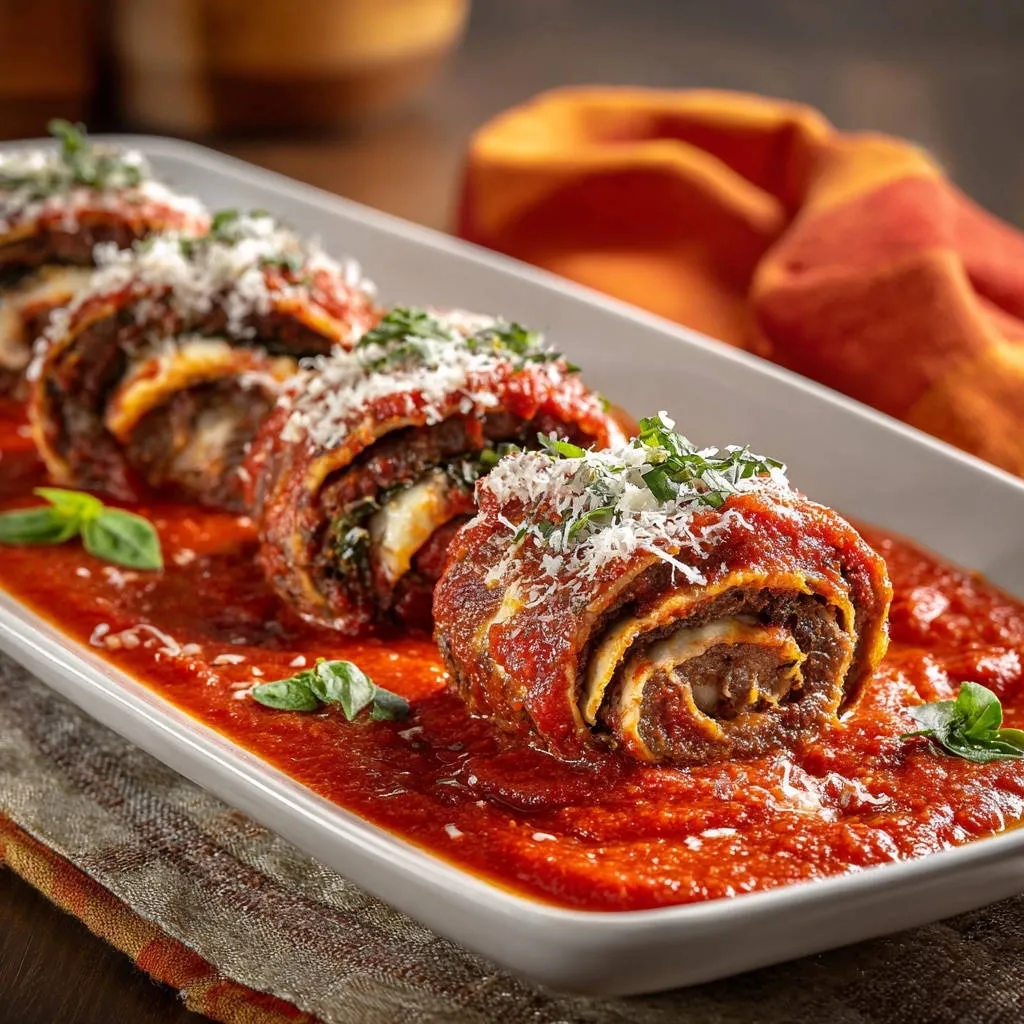
If the meat slab is uneven, the thinner sections will overcook and tighten, resulting in a tough outer layer while the thicker parts risk being undercooked or less tender.
The Low-and-Slow Simmer Method (The 2-Hour Fix)
The single greatest cause of tough meat rolls is simmering at too high a temperature, which squeezes all the moisture out of the beef fibers.
By dropping the heat to the absolute lowest setting and maintaining a bare, gentle simmer for 2 to 3 hours, you allow connective tissues to slowly break down into gelatin without tightening the proteins, guaranteeing tenderness.
Gathering the Essentials: A Deeper Look at Your Ingredients
The Lean Beef Base: Choosing the Right Ratio
We recommend using lean ground beef with an 85/15 ratio for the most reliable results in these Italian Stuffed Meat Rolls.
While the panade helps, too lean a cut (like 90/10) lacks the necessary internal fat reserves to remain succulent during the extended, slow-simmering process.
The Flavor Foundation: Herbs and Cheese
Dried oregano and basil are the cornerstone of the flavor profile, giving the meat base that characteristic, warm Italian aroma.
Grated Parmesan cheese is added directly into the beef mixture to introduce a deep, salty umami note that enhances the overall savory quality of the filling and the roll itself.
The Creamy Ricotta Filling: Whole Milk vs. Part-Skim
Always opt for whole milk ricotta cheese for the filling whenever possible.
The higher fat content in whole milk ricotta results in a richer, more stable filling that is less likely to leak excess moisture or break down during the simmering period.
Essential Tools and Preparation for Seamless Cooking
The Right Cookware: Why a Dutch Oven is Necessary
A heavy-bottomed Dutch oven is crucial because its thick walls and base provide superior heat distribution.
This even heat is absolutely necessary to maintain the stable, ultra-low temperature required for the two-hour slow simmer, preventing scorching or uneven cooking.
Preparing the Rolling Surface
Laying down a large sheet of plastic wrap or parchment paper (about 18 inches long) before placing the meat mixture down simplifies the entire process.
This setup allows you to smoothly press the meat into a perfect rectangle and, critically, helps you achieve a tight, clean roll when assembling the final product.
Crafting the Perfect Roll: Step-by-Step Directions
Building the Panade and Meat Mixture
-
The Panade Activation:
Combine milk and breadcrumbs first and let them rest for five minutes. Allow the breadcrumbs to fully absorb the liquid-this short rest time is non-negotiable for ultimate moisture retention in the beef.
-
The Gentle Mix Rule:
Combine the ground beef, egg, Parmesan, spices, and the activated panade. Use a light touch and mix gently with your hands until the ingredients are just combined.
Remember that overmixing develops gluten in the beef proteins, which directly leads to a rubbery and tough texture, defeating the purpose of the panade.
Achieving the Uniform Thin Rectangle
-
The Rolling Technique:
Use the plastic wrap as a guide to roll or press the entire meat mixture into the precise 10 by 14-inch, 1/3-inch thick rectangle.
Pay close attention to maintaining even thickness across the whole surface, especially the edges, to ensure uniform tenderness during cooking.
-
Filling the Meat Slab:
Spread the prepared ricotta and mozzarella mixture evenly over the beef slab.
Ensure you leave a clear 1-inch border of bare meat on all four sides; this perimeter is essential for creating a tight, clean seal when rolling, preventing the filling from leaking.
The Tightly Rolled Seal and Initial Sear
-
Rolling and Slicing:
Start rolling the meat TIGHTLY from the long edge closest to you, peeling back the plastic wrap as you proceed.
Once rolled, pinch the ends firmly shut to create structural integrity, and then slice the large roll into four equal sections.
-
Why Searing Matters:
Heat olive oil in your Dutch oven over medium-high heat and sear the meat rolls quickly on all sides until nicely browned.
This step is critical for developing deep, rich, caramelized flavor through the Maillard reaction, not for cooking the rolls through.
For a hearty meal with similar comforting flavors, consider making our classic beef lasagna.
The Two-Hour Simmer Solution (The Pain Point Fix)
-
Sauce Preparation:
Remove the rolls and add crushed tomatoes to the pot, scraping up the dark, flavorful browned bits (fond) from the bottom-this process is called deglazing and adds complexity.
For that same deep flavor, consider how browning beef builds rich layers in classic beef lasagna.
Stir in any desired seasonings like red pepper flakes, and bring the sauce just to a bare, whisper-quiet simmer.
-
Low Heat is Crucial:
Return the seared meat rolls to the sauce, ensuring they are mostly submerged, and reduce the heat to the absolute lowest possible setting.
Cover the pot and let the rolls cook for a minimum of two hours; this long, slow cooking process tenderizes the beef fibers perfectly, guaranteeing a superior texture compared to rapid boiling.
Chef’s Troubleshooting: Solving Common Challenges
Why Are My Meat Rolls Falling Apart During the Simmer?
If your meat rolls are disintegrating, it often means they were rolled too loosely during assembly, or the ends were not pinched shut properly before slicing and searing.
Ensure you press the meat mixture tightly when rolling and maintain a thickness of at least 1/3 inch; rolls that are too small or thin lack the necessary structural support for a long simmer.
The Sauce Tastes Flat or Acidic
If your crushed tomatoes are naturally high in acid, the sauce can taste sharp, which often makes the overall dish seem flat.
To remedy this, stir in a pinch of sugar to balance the acidity, increase the salt seasoning, or add a small splash of heavy cream at the end to round out the flavor profile.
The Ricotta Filling Squeezed Out
The ricotta filling typically escapes because the crucial 1-inch border of bare meat was not respected when spreading the mixture.
Additionally, if the final roll was not tight, the filling might have been forced out by the pressure of the meat contracting slightly during the initial sear or low simmer.
Maximizing Your Meal: Serving, Storage, and Prep
Ideal Serving Suggestions and Pairings
Since these stuffed meat rolls are rich and slow-cooked, they pair beautifully with simple accompaniments that can soak up the delicious sauce.
What to Pair with Your Meat Rolls
Round out your Italian meal with these fresh pasta dishes.
- For a vibrant and simple addition, consider this Caprese Fusilli Salad, featuring classic Italian flavors that complement the richness of the meat rolls.
- If you prefer a dish with bright herbs and tender vegetables, this Pesto Farfalle Pasta Salad with Crisp Green Beans offers a delightful contrast.
- Creamy polenta provides a luxurious, soft base that catches every drop of tomato sauce.
- Crusty Italian bread (like Pane di Casa) is perfect for dipping and scooping the remaining sauce (fare la scarpetta).
- A simple, lightly dressed arugula or radicchio salad offers a needed bitter and fresh counterpoint to the richness of the beef.
Make-Ahead and Storage Tips
You can prepare the rolled and sliced meat rolls up to step three (before searing) and store them tightly covered in the refrigerator for up to 24 hours.
If you prefer to freeze them, complete the entire recipe, then freeze the cooked Italian Stuffed Meat Rolls completely submerged in the sauce in an airtight container.
To reheat, thaw the rolls and sauce in the refrigerator overnight, then gently simmer on the stovetop on low heat until warmed through, ensuring the sauce does not boil rapidly.
Frequently Asked Questions About Italian Stuffed Meat Rolls
Can I Use Different Ground Meat for the Rolls?
Yes, you can substitute the ground beef with other meats or a blend, though adjustments may be necessary.
If you use leaner meats like ground chicken or turkey, you must incorporate a tablespoon of olive oil or fat directly into the mixture to prevent excessive dryness, even with the panade.
Is it Possible to Cook These in an Instant Pot or Slow Cooker?
Adapting this method to modern appliances is possible, but the resulting texture will be slightly different from the long stovetop simmer.
A slow cooker is the best substitute, cooking the rolls on low for 4 to 6 hours; for the Instant Pot, cook on high pressure for 20 minutes, followed by a natural pressure release, though this produces a quicker, less fibrous breakdown.
Why Is Searing the Meat Rolls Mandatory?
Searing is mandatory because it is the primary way we concentrate flavor and lock in the roll’s shape before the long simmer.
The quick browning process triggers the Maillard reaction, developing savory depth that dissolves into the tomato sauce, ultimately enriching the final flavor profile exponentially.
Ready to Impress? Share Your Slow-Simmered Masterpiece!
The patience required for the low-and-slow technique is minimal compared to the incredible reward of serving these tender, juicy, ricotta-stuffed delights.
This guaranteed technique takes the frustration out of slow cooking and delivers an authentic, satisfying dining experience every single time.
Now that you know the secrets to perfectly tender Italian Stuffed Meat Rolls, grab your Dutch oven, and tell us about your experience with the slow simmer in the comments below!
Stuffed Meat Rolls
Course: Main CourseCuisine: ItalianDifficulty: medium4
servings20
minutes2
hours750
kcal140
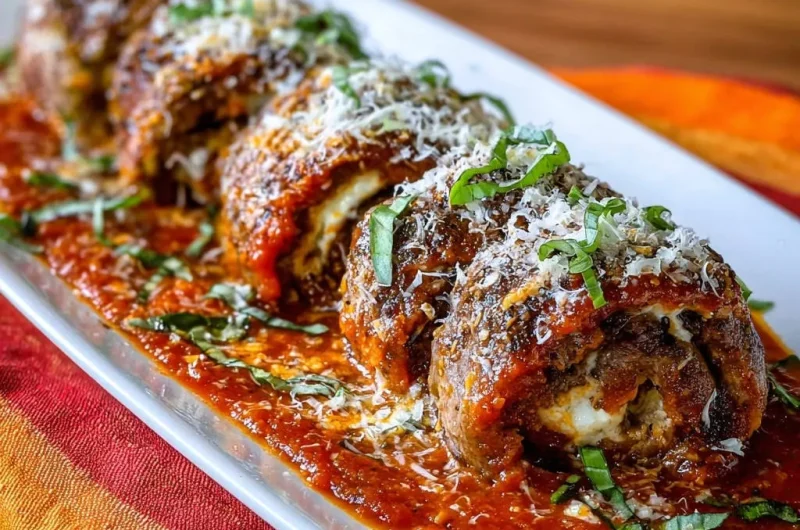
minutesThese hearty meat rolls are stuffed with a creamy ricotta and mozzarella filling, then slow-simmered for hours in a rich tomato sauce. The secret technique ensures the beef is always fall-apart tender and juicy. This is the ultimate comfort food dinner.
Ingredients
For the Rolls:
1.5 pounds lean ground beef (85/15 recommended)
1/2 cup Italian style breadcrumbs
1 large egg
1/4 cup whole milk
1/4 cup grated Parmesan cheese
1 teaspoon dried oregano
1 teaspoon dried basil
1 teaspoon garlic powder
Salt and black pepper to taste
For the Filling and Sauce:
1 cup Ricotta cheese (whole milk preferred)
1 cup shredded low moisture mozzarella cheese
1/4 cup fresh basil, chopped, plus more for garnish
1 tablespoon olive oil
2 (28 ounce) cans crushed tomatoes (or favorite marinara)
1/2 teaspoon red pepper flakes (optional)
Directions
- Prepare the Meat Base and Filling
- In a small bowl, combine the milk and breadcrumbs and let sit for 5 minutes. This creates a panade, which is the key to moist rolls.
- In a large bowl, combine the ground beef, egg, grated Parmesan, oregano, basil, garlic powder, salt, pepper, and the breadcrumb mixture. Mix gently with your hands until just combined; do not overmix.
- In a separate small bowl, mix the ricotta, mozzarella, and chopped fresh basil. Season lightly with salt and pepper.
- Form the Rolls (The Technique for Uniform Thickness)
- Place a large sheet of plastic wrap or parchment paper (about 18 inches long) onto your work surface.
- Take the entire meat mixture and place it onto the plastic wrap. Using your hands or a rolling pin, press or roll the meat into a large, thin rectangle, approximately 10 by 14 inches and about 1/3 inch thick. This ensures uniform tenderness.
- Spread the ricotta and mozzarella filling evenly over the meat rectangle, leaving a 1-inch border along the edges.
- Roll and Sear
- Starting with the long edge closest to you, tightly roll the meat, peeling away the plastic wrap as you go. Pinch the ends of the roll shut.
- Slice the large roll into four equal sections.
- Heat the olive oil in a large Dutch oven or heavy-bottomed pot over medium-high heat. Carefully sear the meat rolls on all sides until they are nicely browned, about 2 minutes per side. Remove the rolls and set them aside.
- Simmer for Tenderness
- Pour the crushed tomatoes into the same pot, scraping up any browned bits from the bottom. Stir in the red pepper flakes, if using. Bring the sauce to a bare simmer.
- Return the seared meat rolls to the pot, ensuring they are mostly submerged in the sauce.
- The Pain Point Solution: Reduce the heat to the absolute lowest setting. The sauce should barely bubble, maintaining a gentle, slow simmer. Cover the pot and let the rolls cook for a minimum of 2 hours, or up to 3 hours. This very slow, low-temperature cooking method prevents the proteins from tightening up, ensuring a fall-apart tender texture. Cook until no pink remains and it reaches 160°F (71°C).
- Serve
- Gently remove the meat rolls from the sauce. Slice them carefully and arrange them on a platter over a generous bed of the tomato sauce.
- Garnish immediately with fresh grated Parmesan cheese and chiffonade of fresh basil before serving.
Notes
- The long, very slow simmer on the absolute lowest setting is essential for achieving the desired fall-apart tender texture.