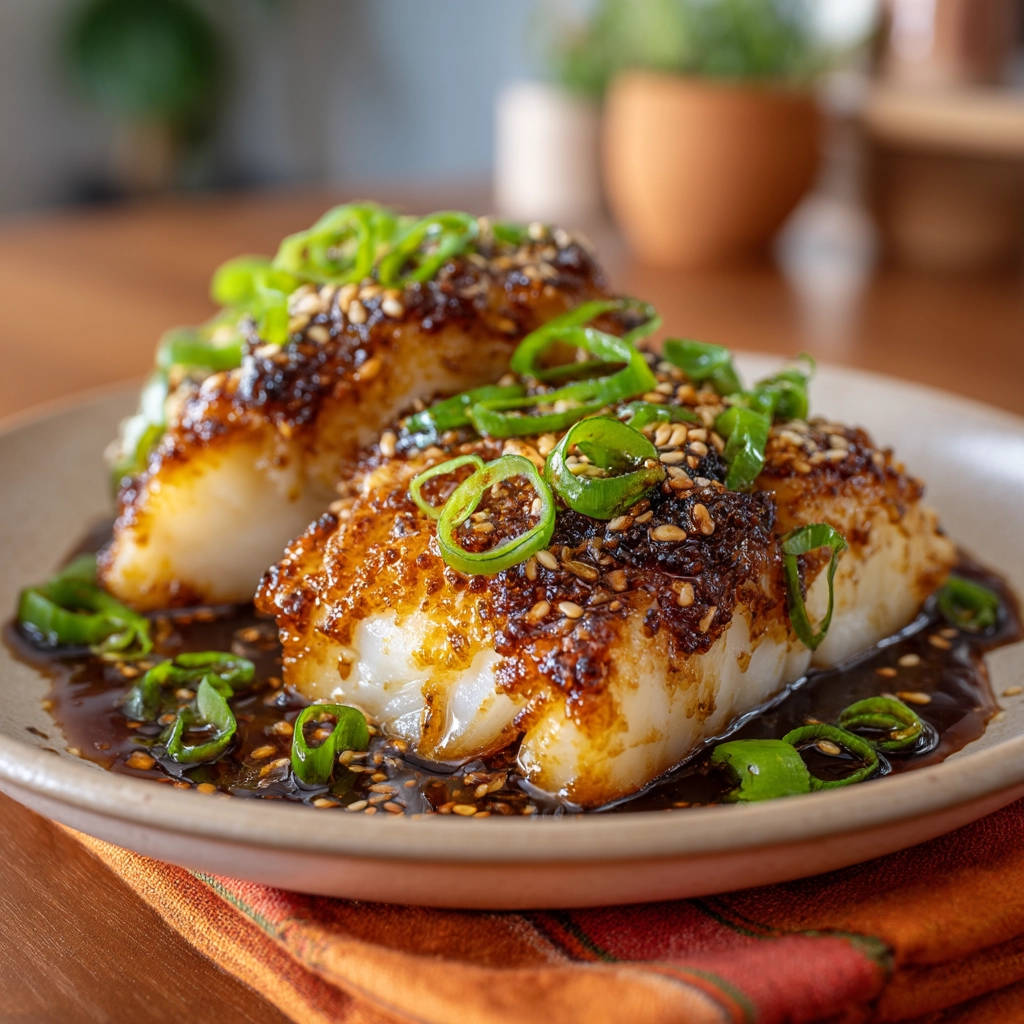
We’ve all been there, standing over the stove, hopeful for a beautiful piece of pan-seared fish, only to have it turn out dry, tough, or stuck to the pan. It feels like a culinary mystery trying to achieve that perfect flaky texture and golden crust! For years, I struggled with white fish especially, convinced some secret technique was just out of my reach. But guess what? I finally cracked the code on how to make pan-seared white fish with glaze incredibly juicy and flavorful every single time. You won’t believe how simple the key is, and I’m so excited to share it with you!
This isn’t just any pan-seared white fish recipe; it’s the pan-seared white fish with glaze recipe you’ll come back to again and again. The fish itself is cooked to absolute perfection – tender, moist, and flaky – while a simple yet vibrant glaze adds a punch of savory, sweet, and slightly spicy flavor that coats every bite. Forget dry, bland fillets. Get ready for seafood success!
For another glaze variation, explore how to achieve perfect texture with honey glazed pineapple salmon.
Reasons This Glazed White Fish is a Keeper
So, why should this recipe earn a spot in your weekly dinner rotation? Let me tell you!
- Consistently Juicy Results: The technique I’m about to share guarantees moist, flaky fish, banishing dryness forever.
- Flavor Explosion: That irresistible glaze hits all the right notes – savory soy, sweet honey, pungent ginger and garlic, all thickened to perfection.
- Quick & Easy: This recipe comes together in under 30 minutes, making it ideal for busy weeknights.
- Minimal Ingredients: You likely have most of the glaze ingredients in your pantry right now.
- Versatile: Works beautifully with various types of white fish and pairs well with countless sides.
Seriously, if you’ve ever been intimidated by cooking fish at home, this pan-seared white fish with glaze recipe is your confidence builder. It’s straightforward, forgiving once you understand the core principle, and utterly delicious.
Gathering Your Ingredients for Pan-Seared White Fish with Glaze
Let’s talk about what you’ll need to bring this fantastic dish to life. The beauty of this recipe is that the ingredients are simple and accessible, focusing on fresh flavor and pantry staples. We’re dividing them into the main components and the incredibly flavorful glaze.
For the star of the show, the fish, you’ll need two white fish fillets. I recommend using fish like cod or halibut for this recipe. These types of fish have a lovely mild flavor and flake beautifully when cooked correctly. Each fillet should be approximately 6 ounces – look for fillets that are relatively even in thickness for consistent cooking. Having the fish pat very, very dry is absolutely critical for achieving that coveted golden-brown sear.
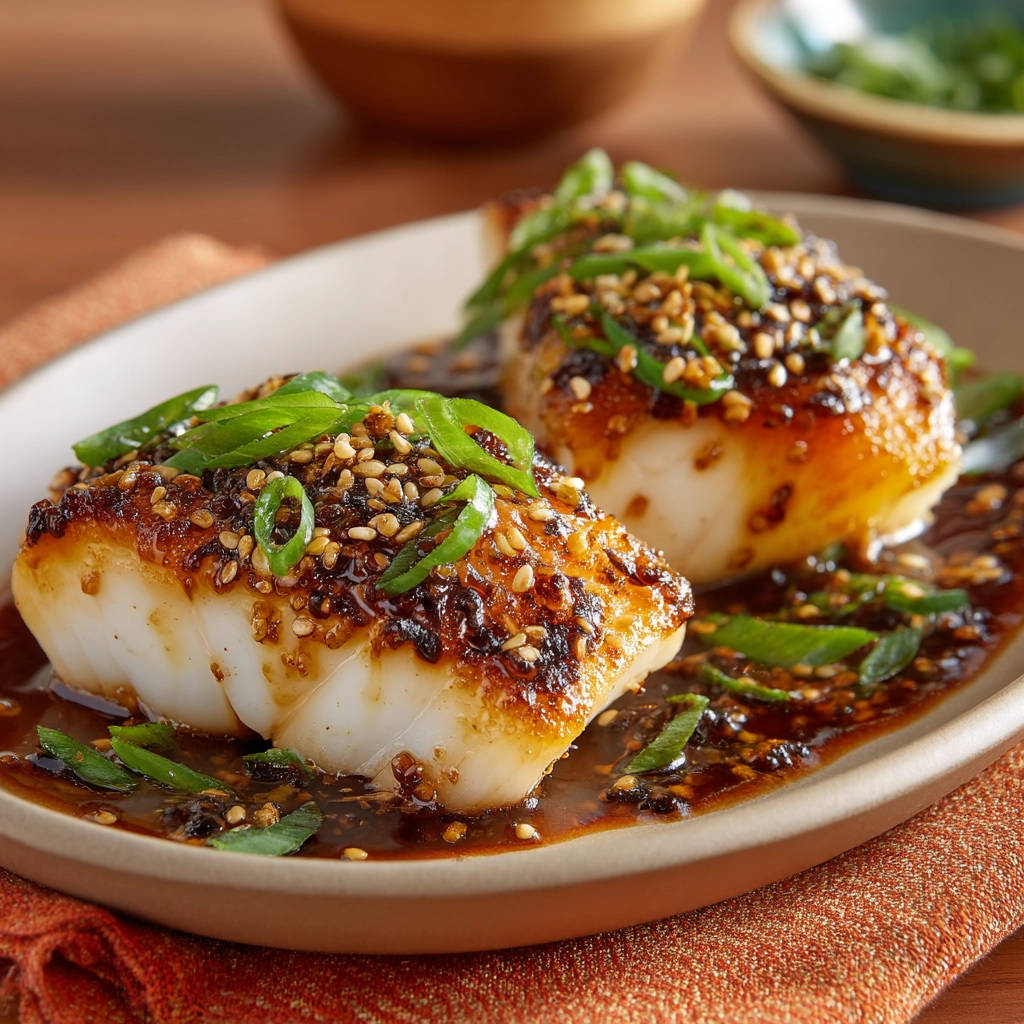
To get that gorgeous crust on the fish, you’ll need just one tablespoon of cooking oil. A neutral-flavored oil with a high smoke point, such as vegetable or canola oil, works best here. This ensures the pan is hot enough to sear without the oil burning.
For garnish and a pop of freshness, we’ll use two green onions, also known as scallions. Thinly slice them, keeping the white and green parts separated. We’ll use the white parts for a bit of mild onion flavor in the pan and the green parts for a vibrant finish.
Toasted sesame seeds add a wonderful nutty aroma and a little crunch. You’ll need one tablespoon. If you happen to have black sesame seeds on hand, about a teaspoon is a beautiful optional addition for visual contrast and a slightly different nutty note.
Now, onto that magical glaze! This sauce is the flavor powerhouse that transforms simple pan-seared fish into something truly special. It’s a delightful balance of savory, sweet, and aromatic elements:
For another glaze option, explore this honey soy glazed salmon for a different flavor profile.
- Soy sauce: The foundation of our savory glaze, providing depth and umami. You’ll need a quarter cup.
- Honey or brown sugar: This adds sweetness to balance the soy sauce and helps create that glossy, syrupy texture as the sauce reduces and thickens. Two tablespoons will do the trick. Use whichever you prefer or have on hand!
- Water or broth: A tablespoon of either liquid helps thin the sauce slightly before thickening and integrates the flavors. Using broth can add an extra layer of savory depth.
- Fresh grated ginger: Essential for that bright, slightly spicy, and aromatic element. One teaspoon of fresh ginger makes a world of difference compared to dried.
- Minced garlic: Another crucial aromatic. One clove, finely minced, adds pungent flavor.
- Cornstarch: This is our thickening agent, ensuring the glaze coats the fish beautifully. One teaspoon is all you need.
Make sure you have all your ingredients prepped and measured before you start cooking. With pan-searing, things move quickly once the fish hits the hot pan!
Crafting Your Glazed Pan-Seared White Fish: Step-by-Step Perfection
Okay, let’s get cooking! This process is straightforward, but paying attention to a few key details will make all the difference between dry fish and perfectly flaky, juicy fish coated in that delicious glaze. Remember, the secret to juicy pan-seared fish lies in precise timing and not overcooking!
Prep the Fish for the Perfect Sear: The absolute most crucial first step is to ensure your fish fillets are incredibly dry. Use paper towels to pat them thoroughly on both sides. Any excess moisture will steam the fish instead of allowing it to sear and develop a beautiful crust. Think of it like trying to brown vegetables straight out of the wash – it just won’t happen! Once dry, you can season the fillets lightly with salt and pepper if you like, but keep in mind that the glaze is quite salty, so go easy, especially with the salt.
Whip Up the Glaze and Slurry: While the fish hangs out after its pat-down, prepare your sauce components. In a small bowl, whisk together the soy sauce, honey or brown sugar, water or broth, the fresh grated ginger, and the minced garlic. Give it a good stir to combine everything. In a separate, very small bowl (even a ramekin works!), whisk together the cornstarch with one tablespoon of cold water until it forms a smooth, lump-free slurry. This slurry is what will thicken our beautiful glaze right at the end.
Heat the Skillet: Place your non-stick or well-seasoned skillet over medium-high heat. This is where we build the foundation for that golden crust. Add the cooking oil to the pan. You want the oil to get nice and hot, shimmering slightly, before you add the fish. This ensures an immediate sear and prevents sticking.
Sear the First Side: Carefully place the dry fish fillets into the hot pan. Be gentle! This is where the magic starts happening. The golden rule of searing is patience. Leave the fish undisturbed for 3 to 4 minutes. Resist the urge to peek or move it! You’re looking for a deep golden brown color and a nice crust to form on the bottom. The cooking time will vary slightly depending on the thickness of your fillets and how hot your pan is, but aim for that beautiful color before moving on.
Flip and Cook (The Juicy Secret Revealed!): Now, carefully flip the fish. Use a thin spatula. Cook the second side for another 2 to 3 minutes. This is the critical phase for ensuring juicy fish. You are cooking just until the edges of the fillet are opaque and the very center is just starting to turn opaque. The middle might still look slightly translucent. This is key! We will finish cooking it in the glaze. If you cook it completely through at this stage, adding the glaze and simmering will lead to overcooked, dry fish.
Introduce the Glaze: Once the fish is almost cooked through (remember, edges opaque, center just becoming opaque), reduce the heat under the skillet to medium-low. Gently pour the whisked glaze sauce directly into the pan around the fish fillets. The sauce will start to bubble almost immediately as the pan is still hot. Let it come to a gentle simmer.
Thicken the Sauce: Give your cornstarch slurry another quick stir (cornstarch settles!) and then pour it into the simmering glaze in the pan. Stir the sauce gently with a spoon or by carefully swirling the pan. You’ll notice the sauce thicken almost instantly, becoming glossy and luscious.
Finish Cooking and Glaze the Fish: Now for the final touch! Spoon the thickened glaze sauce over the fish fillets repeatedly. Continue to spoon the sauce over the fish for another minute or two. This gentle simmering and basting finishes cooking the fish through and infuses it with incredible flavor, while keeping it moist. You’ll know the fish is ready when it is fully opaque throughout and flakes easily when you gently test it with a fork. DO NOT OVERCOOK! As soon as it reaches this point, remove the pan from the heat immediately. Residual heat will continue to cook the fish.
Serve & Garnish: Carefully transfer the beautifully glazed fish fillets to your serving plates. Pour any remaining glaze sauce from the pan over the top of the fish. Finish by garnishing generously with the sliced white and green parts of the green onions and a sprinkle of those lovely toasted sesame seeds. The fresh onions add a nice contrast to the rich glaze.
And there you have it! Perfectly cooked, juicy pan-seared white fish with a flavorful glaze. It’s truly that simple technique of not fully cooking the fish before adding the sauce that makes all the difference.
Tips for Perfect Pan-Seared White Fish Every Time
Achieving pan-seared fish perfection is easy once you know the tricks! Here are a few extra pointers to ensure success with this glazed white fish recipe:
- Start with Quality Fish: Fresh, good-quality fillets make a huge difference. Look for fish that smells clean, not “fishy,” and has bright, clear eyes if buying whole.
- Even Thickness: Try to choose fillets of similar thickness so they cook at the same rate. If one fillet is much thinner, it might finish cooking faster – remove it when it’s done and let the thicker one continue for another minute.
- Use the Right Pan: A good quality non-stick skillet or a well-seasoned cast iron pan are your best friends for searing fish. They help prevent sticking and promote a beautiful crust.
- Don’t Overcrowd: Cook the fish in a single layer. If cooking more than two fillets, you might need to cook them in batches to avoid lowering the pan temperature too much, which would prevent searing.
- Know Your Fish: Cooking times are estimates. Thinner fillets will cook faster than thicker ones. Trust the visual cues – opaque edges, center just becoming opaque before adding the sauce, then fully opaque and flaky at the end.
- Ginger Power: Using fresh grated ginger in the glaze is highly recommended over dried ginger powder. It adds a much brighter, more vibrant flavor.
- Sweetener Swap: You can use either honey or brown sugar for the glaze. Honey tends to create a slightly glossier finish, while brown sugar adds a subtle molasses note. Both work wonderfully!
- Make it Spicy: Want a little heat? Add a pinch of red pepper flakes or a tiny dash of your favorite hot sauce to the glaze mixture.
Mastering pan-searing is a fantastic skill that applies to more than just fish! The principle of getting a great sear before finishing the cooking is useful for many proteins. For instance, if you love steak, the technique for getting a beautiful crust on a perfect pan-seared steak follows similar ideas about pan temperature and not moving the meat initially.
What to Serve With Your Glazed White Fish
This flavorful pan-seared white fish with glaze pairs beautifully with a variety of simple sides. Here are a few ideas:
- Steamed Rice: A classic pairing that soaks up the delicious glaze perfectly. White, brown, or jasmine rice all work.
- Roasted Vegetables: Simple roasted broccoli, asparagus, or green beans are healthy and delicious companions. We have a fantastic recipe for perfectly roasted veggies that would be a great match!
- Sautéed Greens: Spinach, bok choy, or kale sautéed with a little garlic are quick and healthy.
- Quinoa or Couscous: For something a little different, these grains make a nice base for the fish and sauce.
- Simple Salad: A light green salad with a simple vinaigrette can be a refreshing contrast to the rich glaze.
Choose a side that’s relatively quick to prepare, as the fish cooks so fast!
Your Pan-Seared White Fish with Glaze Questions Answered (FAQ)
Let’s tackle some common questions you might have about making this delicious dish.
Which types of white fish are best for pan-searing?
Fish with firm, flaky white flesh are ideal. Cod and halibut are excellent choices because they hold their shape well and flake beautifully. Other good options include snapper, grouper, sea bass, or even tilapia, although cooking times will vary slightly based on thickness.
What to Try Next
If you enjoyed the light, flaky white fish, consider these chicken dishes that also feature a wonderful glaze.
- For a similar sweet and savory glaze experience, try these Crispy Glazed Sesame Chicken Wings.
- Another take on glazed chicken wings, perfect for a satisfying appetizer, is this Crispy Glazed Chicken Wings recipe.
Can I use frozen fish fillets?
Yes, absolutely! Just ensure they are fully thawed before you begin. The most important step is to pat them very, very dry after thawing, as frozen fish tends to release more moisture. Follow the drying step meticulously!
What if I don’t have honey or brown sugar?
You need a sweetener to balance the soy sauce and help create the glaze. You can use granulated white sugar, maple syrup (use slightly less), or even a sugar-free alternative if needed, although the texture of the glaze might differ slightly.
Is this recipe gluten-free?
As written, no, because soy sauce contains wheat. However, you can easily make it gluten-free by substituting the soy sauce with tamari or a gluten-free soy sauce alternative. Ensure all other ingredients are also certified gluten-free if necessary.
How do I know when the fish is cooked through?
The best way is to gently test it with a fork at its thickest point. Cooked fish will be opaque throughout and flake easily. If it looks translucent in the center or resists flaking, it needs another minute or two. Remember, it finishes cooking in the glaze, so the final check is after spooning the sauce over it.
Can I make the glaze ahead of time?
You can whisk together the soy sauce, sweetener, water/broth, ginger, and garlic ahead of time and store it in the refrigerator. Just make sure to whisk it again before pouring it into the pan. Prepare the cornstarch slurry right before you need it, as it will settle.
What’s the best way to reheat leftover pan-seared fish?
Reheating fish can be tricky, as it can dry out easily. I recommend gently warming it in a skillet over low heat with a little extra glaze or a splash of water, or warming it in a preheated oven at a low temperature (around 275°F or 135°C) until just heated through. Microwaving tends to dry it out.
Can I use this technique for other seafood?
The pan-searing technique is excellent for other seafood like shrimp or scallops, although the cooking times will be much shorter, and you’ll need to adjust when you add the glaze accordingly. For shrimp, for example, sear for 1-2 minutes per side until pink and opaque, then add the glaze and simmer very briefly just to coat and thicken. Similar principles apply to searing other proteins like chicken or beef tenderloin, although the internal temperatures you’re aiming for will be different.
Enjoy Your Homemade Glazed White Fish!
Seriously, this pan-seared white fish with glaze is a game-changer. It takes minimal effort, uses simple ingredients, and delivers maximum flavor and perfect texture. No more dry, disappointing fish dinners! This recipe is proof that you don’t need fancy restaurants to enjoy delicious, perfectly cooked seafood at home.
Give this recipe a try this week! I promise you won’t be disappointed. It’s become a fast favorite in my house, and I have a feeling it will in yours too.
Did you make this juicy glazed white fish? How did it turn out? What did you serve it with? Let me know in the comments below! I love hearing about your kitchen adventures.
Pan-Seared White Fish
Course: Main CourseCuisine: AsianDifficulty: easy2
servings5
minutes10
minutes240
kcal15
MinutesMaster the secret to juicy pan-seared white fish with glaze! This easy recipe guarantees flaky, flavorful fish in under 30 mins. Perfect for busy nights!
Ingredients
2 white fish fillets (like cod or halibut), about 6 ounces each
1 tablespoon cooking oil (like vegetable or canola)
2 green onions (scallions), thinly sliced, white and green parts separated
1 tablespoon toasted sesame seeds
1 teaspoon black sesame seeds (optional)
For the Glaze:
1/4 cup soy sauce
2 tablespoons honey or brown sugar
1 tablespoon water or broth
1 teaspoon fresh grated ginger
1 clove garlic, minced
1 teaspoon cornstarch
Directions
- Pat the fish fillets very dry with paper towels. This is key for a good sear. Season lightly with salt and pepper if desired (the glaze is salty).
- In a small bowl, whisk together the soy sauce, honey or brown sugar, water or broth, grated ginger, and minced garlic. In a separate tiny bowl, whisk the cornstarch with 1 tablespoon of cold water to make a slurry.
- Heat the cooking oil in a non-stick or well-seasoned skillet over medium-high heat until shimmering.
- Carefully place the dry fish fillets in the hot pan. Cook undisturbed for 3 to 4 minutes, until the bottom is golden brown and a crust has formed. Do not move the fish during this time.
- Flip the fish carefully. Cook for another 2 to 3 minutes, depending on the thickness of the fillet, until almost cooked through. This is where the juicy secret comes in: cook just until the edges are opaque and the center is just becoming opaque.
- Reduce the heat to medium-low. Pour the whisked glaze sauce into the pan around the fish. Bring the sauce to a simmer.
- Stir the cornstarch slurry again and pour it into the simmering sauce, stirring gently. The sauce will thicken quickly.
- Spoon the thickened glaze over the fish fillets. Continue to spoon the sauce over the fish for another minute or two until the fish is fully opaque and flakes easily with a fork. Do not overcook! Remove from heat immediately.
- To serve, place the fish fillets on plates. Pour the remaining sauce from the pan over the fish. Garnish generously with the sliced white and green parts of the green onions and the toasted sesame seeds.
Notes
- Ensure your pan is hot before adding the fish for a beautiful golden crust. Don’t overcrowd the pan; cook the fish in batches if necessary to achieve a proper sear.