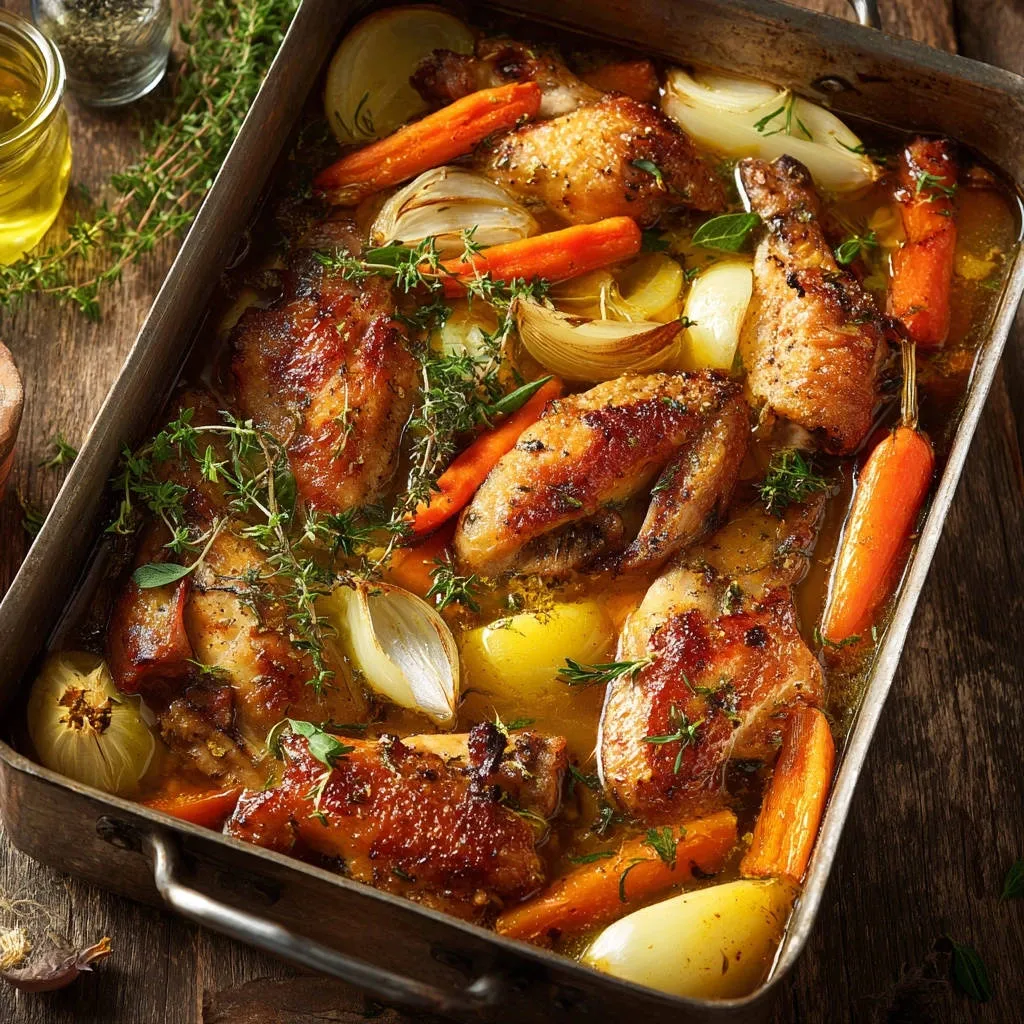
We’ve all faced the disappointment of carving into what promised to be a perfect roast chicken, only to find it surprisingly dry. But I’ve cracked the code, and I’m thrilled to share my game-changing trick for the ultimate Juicy Sheet Pan Chicken & Veggies that guarantees tender meat and perfectly roasted vegetables every single time.
This isn’t just another dinner; it’s your dependable, delicious solution for a fuss-free meal that tastes like you spent hours in the kitchen.
Beyond Basic: Why Our Juicy Sheet Pan Chicken & Veggies Stands Out
The Game-Changing Broth Trick: Say Goodbye to Dry Chicken
The secret to incredibly moist chicken lies in introducing moisture mid-roast. By adding chicken broth partway through the cooking process, we create a steamy environment at the bottom of the pan.
This gentle braising action tenderizes the chicken from within, preventing it from drying out, while the initial high heat ensures a beautifully crisp exterior.
Crispy Skin, Tender Meat: The Perfect Balance Achieved
Achieving that coveted crispy skin while maintaining succulent meat can be a challenge, but this recipe masters it. An initial blast of high heat quickly browns and crisps the chicken skin.
Crucially, thoroughly patting the chicken dry beforehand removes surface moisture, allowing for optimal browning and texture, setting the stage for perfectly tender meat beneath.
Effortless Elegance: A Complete Meal in One Pan
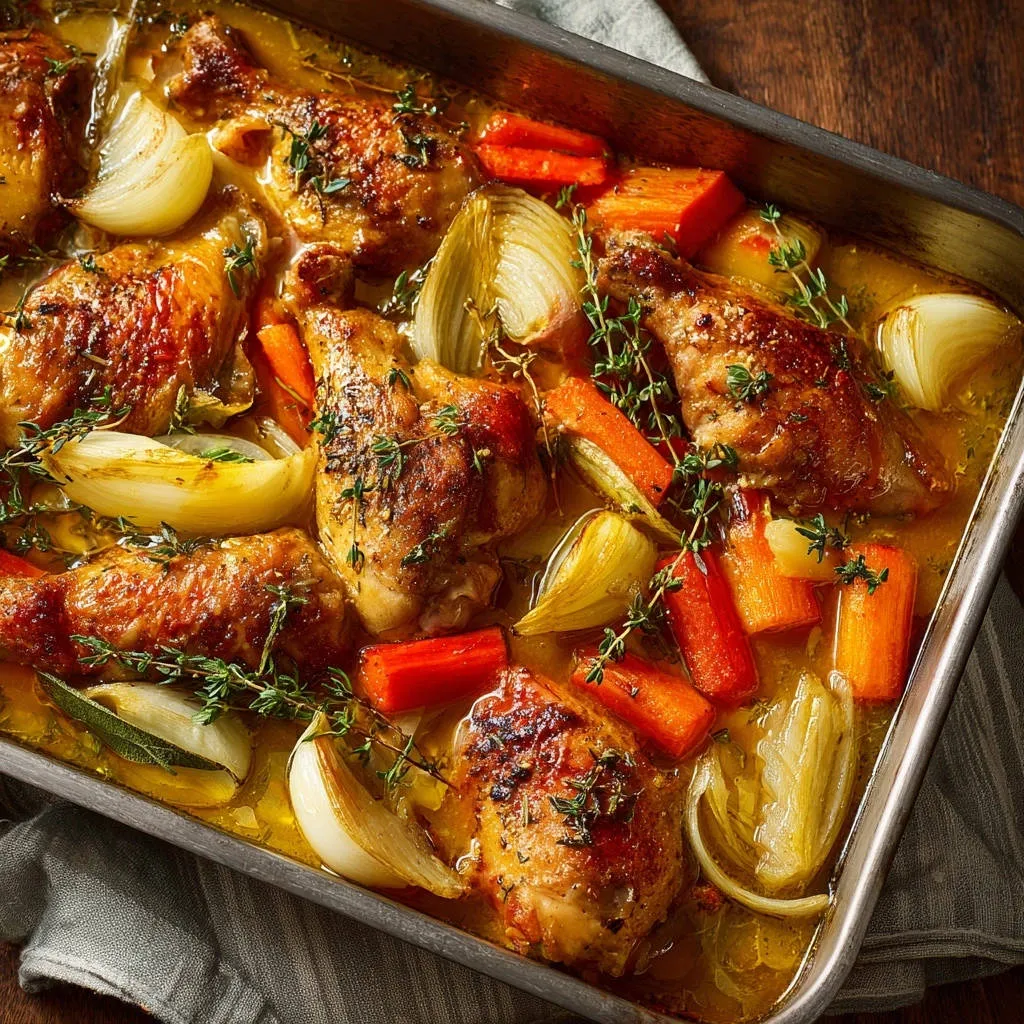
Imagine a gourmet-quality meal with minimal fuss and even less cleanup. This recipe delivers exactly that.
By cooking your protein and a colorful array of vegetables on a single sheet pan, you achieve a harmonious blend of flavors and textures, making weeknight dinners both delicious and incredibly convenient.
Gather Your Feast: Essential Ingredients for Juicy Sheet Pan Chicken & Veggies
The Chicken Selection: Bone-In, Skin-On for Maximum Flavor
For this recipe, bone-in, skin-on chicken pieces are highly recommended. The bone helps conduct heat evenly, keeping the meat moist, while the skin acts as a protective layer, preventing drying.
A mix of drumsticks, thighs, and wings offers varied textures and a rich, satisfying flavor profile, contributing significantly to the overall deliciousness of your sheet pan dinner.
Garden Freshness: Your Root Vegetable Ensemble
Carrots, potatoes, yellow onions, and garlic form the foundation of our vegetable ensemble. These root vegetables roast beautifully, absorbing the savory pan drippings and becoming wonderfully tender and deeply flavored.
Their natural sweetness and earthiness perfectly complement the chicken. Feel free to explore other robust root vegetables like sweet potatoes or parsnips for similar roasting times and delicious results.
Aromatic Enhancers: Oils & Herbs for Depth
Olive oil is essential here, providing a coating that promotes excellent browning and crisping on both the chicken and vegetables. It also acts as a flavorful carrier for our seasonings.
Dried mixed herbs, such as Italian seasoning or dried thyme, infuse the entire dish with classic, aromatic notes that enhance every bite of this flavorful chicken and tender vegetables.
For more ideas on roasting chicken with herbs, check out this herb roasted chicken recipe.
The Secret Weapon: Chicken Broth for Ultimate Juiciness
The addition of chicken broth is truly the hero of this recipe. It’s what transforms good chicken into incredibly juicy chicken.
For more ideas on sheet pan glazes, check out these sheet pan glazed chicken thighs.
By simmering in the pan, the broth creates that essential steamy environment that tenderizes the meat and keeps it exceptionally moist, while also infusing the vegetables with savory liquid gold.
Your Kitchen Arsenal: Tools for Sheet Pan Success
The Mighty Sheet Pan: Size Matters
A large roasting pan or half-sheet pan is indispensable for this recipe. Ensuring your ingredients are spread in a single, uncrowded layer is critical for proper air circulation.
This allows everything to roast beautifully, achieving desirable browning and crispy textures, rather than steaming and becoming soggy.
Meat Thermometer: Your Guarantee of Perfection
A reliable meat thermometer is your best friend in the kitchen, especially when cooking chicken. It provides an accurate reading of the internal temperature, ensuring the chicken is perfectly cooked.
This prevents both undercooking (for safety) and overcooking (which leads to dry meat), guaranteeing succulent, moist chicken every time.
Basic Prep Essentials for Smooth Cooking
A sturdy cutting board and a sharp chef’s knife are essential for efficiently and safely preparing your vegetables into uniform sizes.
Large mixing bowls are key for separately tossing the chicken and vegetables, ensuring every piece is evenly coated with oil and seasonings.
A good pair of heat-resistant tongs will help you arrange and manage ingredients in the hot pan with ease and safety.
Plenty of paper towels are crucial for thoroughly drying the chicken, a vital step for achieving that coveted crispy skin.
Crafting Culinary Magic: Your Guide to Juicy Sheet Pan Chicken & Veggies
- Step 1: Preheat & Prep Your Veggies.
Set your oven to a robust 400°F (200°C). This initial high temperature is essential for developing a good sear on your ingredients.
On your chosen large sheet pan, combine the peeled and chopped carrots, quartered potatoes, quartered onions, and smashed garlic. Drizzle them with 1 tablespoon of olive oil, season with a pinch of salt and pepper, and toss until every piece is well coated. Spread the vegetables into an even layer to promote consistent roasting and browning.
- Step 2: Prepare the Chicken.
This step is crucial for achieving crispy skin: Pat the chicken pieces very dry with paper towels. Removing excess moisture from the skin allows it to crisp beautifully and helps lock in the natural juices.
In a separate large bowl, toss the dried chicken with the remaining 1 tablespoon of olive oil, dried mixed herbs, salt, and black pepper. Ensure each piece is thoroughly coated, preparing them for maximum flavor development.
- Step 3: Arrange & Initial Roast.
Carefully arrange the seasoned chicken pieces on top of the prepared vegetables on the sheet pan. Position them so that some chicken skin is exposed to the direct oven heat for optimal browning and crisping.
Transfer the pan to the preheated oven and roast for 30 minutes at 400°F (200°C). During this time, the chicken skin will turn a beautiful golden brown, and the vegetables will begin to soften and caramelize.
- Step 4: The Juiciness Secret (Broth Addition).
Now for the game-changing step: Carefully pour the 1 cup of chicken broth into the bottom of the pan, distributing it around the chicken and vegetables. This introduces moisture, creating a steamy environment that will tenderize the chicken and prevent it from drying out.
Immediately after adding the broth, reduce the oven temperature to 350°F (175°C). This lower temperature allows for continued gentle cooking while ensuring juiciness.
- Step 5: Continue Roasting to Perfection.
Continue roasting for another 25-35 minutes, or until the chicken reaches an internal temperature of 165°F (74°C). Measure this with a meat thermometer inserted into the thickest part of the thigh, being careful not to touch the bone.
The simmering broth ensures the vegetables also cook perfectly in the flavorful liquid, absorbing all the delicious pan juices, while the chicken becomes incredibly tender.
- Step 6: Rest & Garnish.
Once cooked, remove the pan from the oven. Loosely tent the entire pan with aluminum foil and allow it to rest for 5-10 minutes before serving. This crucial resting period allows the juices to redistribute throughout the chicken, resulting in incredibly tender and succulent meat.
Garnish with fresh thyme sprigs if desired, adding an extra touch of aromatic freshness and visual appeal to your finished dish.
Chef’s Secrets: Elevate Your Juicy Sheet Pan Chicken & Veggies
The Power of Patting Dry: A Crispy Skin Must
Thoroughly drying the chicken skin is the single most important step for achieving truly crispy results. Any moisture on the surface will create steam, preventing the skin from browning and crisping properly.
Removing excess water allows for direct heat contact and encourages the Maillard reaction, yielding that desirable, savory crunch.
Don’t Crowd the Pan! Maximizing Flavor & Texture
Resist the urge to pack too many ingredients onto one sheet pan. Overcrowding prevents proper air circulation, causing your food to steam rather than roast, which means less crispiness for the chicken and less caramelization for the vegetables.
If necessary, use two sheet pans to ensure everything has enough space for optimal browning and even cooking.
Customizing Your Veggies: Seasonal Swaps & Additions
This recipe is incredibly versatile. Feel free to swap or add other quick-cooking vegetables like bell peppers, zucchini, asparagus, or broccoli florets for more variety in your sheet pan dinner.
Be mindful of cooking times: sturdier root vegetables go in at the start, while softer options should be added during the last 15-20 minutes of roasting to ensure they cook perfectly without turning to mush.
Herb & Spice Variations: Tailoring to Your Taste
While dried mixed herbs provide a wonderful baseline, don’t hesitate to personalize your flavor profile. Consider adding smoked paprika for a touch of smoky depth, fresh rosemary sprigs for an earthy aroma, or a pinch of lemon pepper for a bright, zesty kick.
A dash of chili powder can introduce a subtle warmth, transforming the dish to suit any craving or make your flavorful chicken uniquely yours.
The Importance of Resting Time: Patience for Perfection
The 5-10 minute resting period after removing the chicken from the oven is non-negotiable for truly juicy results. During cooking, muscle fibers contract, pushing juices to the center.
Resting allows these fibers to relax, reabsorbing the flavorful juices back into the meat. Skipping this step often leads to dry chicken as all those precious juices escape when you cut into it too soon, making this a critical step for moist chicken.
Cracking the Code: Troubleshooting Common Sheet Pan Challenges
My Chicken Skin Isn’t Crispy Enough
Ensure your chicken pieces were patted extremely dry with paper towels before seasoning. Moisture is the enemy of crispy skin, promoting steaming instead of roasting.
Verify your oven temperature with an oven thermometer; sometimes ovens run cooler than their display indicates. Also, avoid overcrowding the pan, as this can create steam and prevent browning. Use a second pan if necessary to ensure ample space for air circulation.
Vegetables Are Undercooked or Mushy
Cut vegetables into uniform, appropriately sized pieces (e.g., 2-inch chunks for carrots, quarters for potatoes) to ensure they cook evenly. Spread them in a single, even layer on the pan to allow for proper roasting and caramelization, not steaming.
If vegetables become mushy, they might have been overcrowded, cut too small, or roasted for too long, especially after the broth addition. Adjust cooking times based on vegetable density and size.
Chicken Still Seems Dry After Cooking
The most common culprit for dry chicken is overcooking. Always use a reliable meat thermometer to ensure the chicken reaches exactly 165°F (74°C) and no more.
Confirm you added the correct amount of chicken broth; this liquid is essential for creating the steamy environment that keeps the chicken moist. Finally, never skip the crucial resting time after roasting. This allows juices to redistribute, leading to significantly juicier meat.
Beyond the Pan: Delicious Ways to Serve Your Meal
Classic Pairings for a Wholesome Dinner
Serve your Juicy Sheet Pan Chicken & Veggies with a simple side of crusty bread. It’s perfect for soaking up all the incredible, flavorful pan juices left behind, ensuring not a drop of deliciousness is wasted.
What Else to Make?
Round out your meal with these other chicken and vegetable ideas.
- For a warming starter that complements the roasted vegetables, consider this hearty vegetable soup with its tender, not mushy, ingredients.
- If you’re a fan of grilled chicken and fresh greens, you’ll enjoy this garlic herb grilled chicken salad recipe.
A light, vibrant green salad dressed with a tangy vinaigrette offers a refreshing contrast and completes a wholesome, satisfying one-pan meal.
Elevated Sides to Complement Your Feast
For a heartier meal, consider serving this dish alongside fluffy couscous, warm quinoa, or a simple buttered pasta. These grains or pasta will beautifully absorb the delicious drippings from the sheet pan, adding another layer of comforting flavor.
They also provide a perfect base for the tender vegetables and succulent chicken.
Sauce It Up! Making the Most of Pan Drippings
Don’t let those incredibly flavorful pan drippings go to waste! They are liquid gold for making a quick, delectable pan sauce. Simply deglaze the hot pan with a bit more chicken broth, scraping up all the browned bits from the bottom.
Simmer the liquid until slightly thickened, then swirl in a touch of butter for richness. This creates a savory, restaurant-quality sauce to pour over your chicken and vegetables, elevating your sheet pan dinner even further.
Planning Ahead: Storing and Reheating Your Juicy Sheet Pan Chicken & Veggies
Storing Leftovers for Future Enjoyment
Allow any leftover Juicy Sheet Pan Chicken & Veggies to cool completely before storing. This prevents condensation and helps maintain food quality.
Transfer the chicken and vegetables to airtight containers and refrigerate promptly. Properly stored, they will stay fresh and delicious for up to 3-4 days, making them perfect for easy lunches or quick dinners.
Reheating for Best Results (Without Losing Juiciness)
To best preserve crispy skin and tender meat, reheat leftovers in the oven rather than the microwave. Microwaving can often dry out chicken and make vegetables soggy.
Preheat your oven to 325°F (160°C), spread the chicken and vegetables on a baking sheet, and cover loosely with foil. Reheat for 15-20 minutes, or until warmed through, removing the foil for the last few minutes if you want to crisp the skin slightly.
Make-Ahead Tips for Busy Weeknights
Streamline your cooking process by prepping vegetables in advance. Peel and chop carrots, potatoes, and onions, then store them in an airtight container in the refrigerator for up to 2-3 days, ready for your sheet pan.
You can also season the chicken a day ahead, allowing the flavors to deeply meld. Store it covered in the fridge, ready to go onto the pan when you are, making this an even easier weeknight dinner.
Your Juicy Sheet Pan Chicken & Veggies Questions Answered
Can I use boneless, skinless chicken pieces for this recipe?
Yes, you can use boneless, skinless chicken, but be aware that cooking times will be significantly shorter. Without the bone and skin’s protective qualities, the chicken may be slightly less juicy and prone to drying out if overcooked.
Monitor the internal temperature closely, aiming for 165°F (74°C), and consider adding a little extra broth to compensate for the reduced moisture. Keep in mind the skin will not crisp in this variation.
What if I don’t have chicken broth on hand?
While chicken broth is highly recommended for optimal flavor and juiciness, you do have alternatives. You can substitute with vegetable broth for a similar savory base, or even water mixed with a good quality bouillon cube.
The key is to introduce moisture into the pan, so any of these liquids will contribute to preventing your chicken from drying out, though the depth of flavor may vary slightly.
Can I add different types of vegetables to the sheet pan?
Absolutely! This recipe is wonderfully flexible for incorporating other vegetables, making it a truly versatile sheet pan dinner. Feel free to experiment with bell peppers, zucchini, asparagus, or broccoli florets to customize your meal.
Just remember to add quicker-cooking vegetables partway through the roast, typically during the last 15-20 minutes, to prevent them from becoming overcooked or mushy while the root vegetables finish.
Is this recipe naturally gluten-free or dairy-free?
Yes, this Juicy Sheet Pan Chicken & Veggies recipe is naturally gluten-free and dairy-free. The core ingredients – chicken, vegetables, olive oil, herbs, and chicken broth – are typically free from gluten and dairy components.
However, always double-check the labels of your chicken broth to ensure it doesn’t contain any hidden gluten or dairy ingredients, especially if you have severe dietary restrictions or allergies.
Ready to Impress? Share Your Juicy Sheet Pan Chicken & Veggies Masterpiece!
There you have it – the ultimate guide to creating truly exceptional Juicy Sheet Pan Chicken & Veggies that will earn rave reviews every time. This recipe consistently delivers succulent chicken with crispy skin and perfectly tender, flavorful vegetables, all with minimal effort and cleanup.
I encourage you to embrace the “broth trick” and experience the magic for yourself. You’ll wonder why you ever made chicken any other way! Don’t forget to share your culinary creations with me on social media, or leave a comment below with your experiences, favorite variations, or any questions you might have. Happy cooking!
Chicken and Veggies
Course: Main CourseCuisine: AmericanDifficulty: medium6
servings20
minutes1
hour550
kcal80
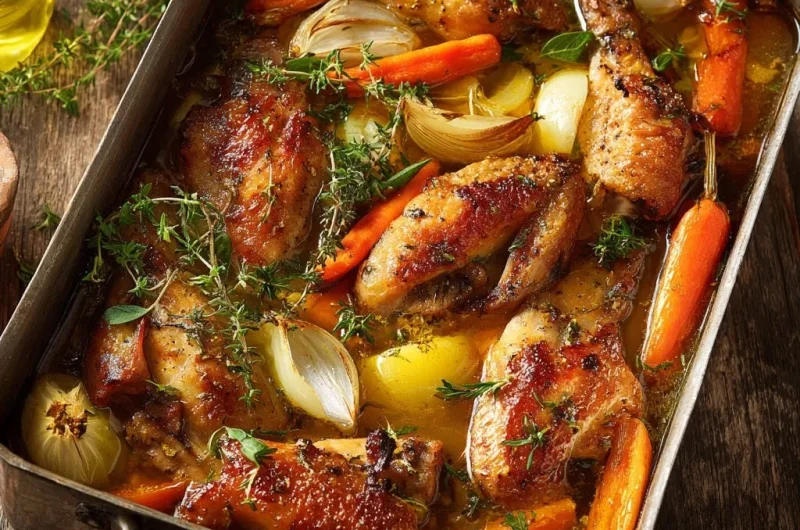
minutesSay goodbye to dry chicken! This game-changing sheet pan recipe guarantees juicy, tender chicken and perfectly cooked vegetables every time. An easy trick ensures delicious results you won’t believe.
Ingredients
6-8 pieces bone-in, skin-on chicken (a mix of drumsticks, thighs, and wings)
3 medium carrots, peeled and cut into 2-inch chunks
3 medium yellow potatoes, quartered
2 medium yellow onions, quartered
4 cloves garlic, smashed or peeled whole
2 tablespoons olive oil
1 teaspoon dried mixed herbs (like Italian seasoning or dried thyme)
1/2 teaspoon salt
1/4 teaspoon black pepper
1 cup chicken broth
Fresh thyme sprigs for garnish (optional)
Directions
- Preheat your oven to 400°F (200°C).
- In a large roasting pan or sheet pan, combine the carrots, potatoes, onions, and garlic. Drizzle with 1 tablespoon of olive oil, season with a pinch of salt and pepper, and toss to coat. Spread them in an even layer.
- Pat the chicken pieces very dry with paper towels. This is important for crisping the skin and locking in flavor. In a separate bowl, toss the chicken with the remaining 1 tablespoon of olive oil, dried herbs, salt, and black pepper, ensuring each piece is well coated.
- Arrange the seasoned chicken pieces on top of the vegetables in the roasting pan, ensuring some skin is exposed for browning.
- Roast for 30 minutes at 400°F (200°C) until the chicken skin is golden brown.
- Now for the magic trick to keep it juicy: Carefully pour the chicken broth into the bottom of the pan, around the chicken and vegetables. Reduce the oven temperature to 350°F (175°C). Continue roasting for another 25-35 minutes, or until the chicken reaches an internal temperature of 165°F (74°C) when measured with a meat thermometer in the thickest part of the thigh, not touching bone. The simmering broth creates a steamy environment that tenderizes the chicken and prevents it from drying out, while the initial high heat ensures that beautiful golden skin. The vegetables will also cook perfectly in the flavorful liquid.
- Once done, remove the pan from the oven. Loosely tent the entire pan with foil and let it rest for 5-10 minutes before serving. This crucial resting time allows the juices to redistribute throughout the chicken, making it incredibly tender and juicy. Garnish with fresh thyme if desired.
Notes
- Patting chicken dry ensures crispy skin. Don’t skip the resting time for maximum juiciness.