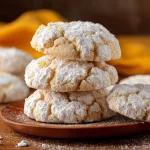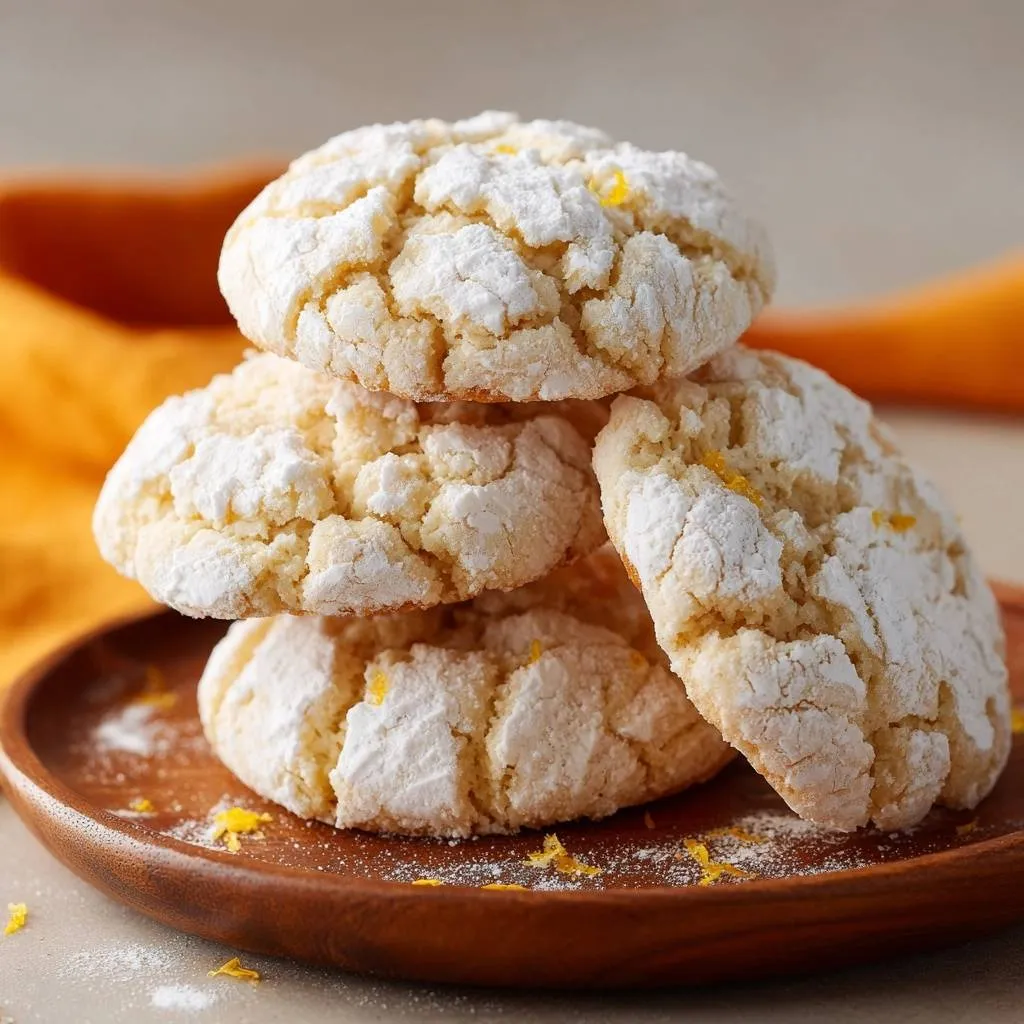
Ever pulled crinkle cookies from the oven only to find flat, crack-free disappointments? This lemon crinkle cookies recipe fixes that frustration fast. You’ll get those stunning snowy cracks and soft, chewy centers every single time, thanks to a double-chill method and precise sugar rolling.
Why does this work so well? The cold dough hits the hot oven, setting the sugary exterior while the inside puffs up, forcing those beautiful fissures. Plus, fresh lemon zest delivers a bright, zingy punch that lingers. In addition, the combo keeps them tender without any greasy spread.
Here’s the pro tip that seals the deal: roll in granulated sugar first, then pack on a thick 1/4-inch layer of powdered sugar. That contrast melt creates the cracks as they bake. Oh man, the citrus burst and crinkly tops will have you craving seconds.
Key Ingredients for Lemon Crinkle Cookies
You’ll need 1/2 cup softened unsalted butter, 1 cup granulated sugar, 1 large egg, zest from 2 lemons, 3 tablespoons fresh lemon juice, 1 3/4 cups all-purpose flour, 1 teaspoon baking powder, 1/2 teaspoon baking soda, 1/4 teaspoon salt, plus 1/2 cup granulated sugar and 1/2 cup powdered sugar for rolling. These build the perfect balance of tenderness, lift, and crackle.
Fresh lemons beat bottled juice hands down. They give intense, oily zest for bold flavor without extra liquid that toughens dough. Therefore, grab juicy ones; two medium lemons yield just right.
All-purpose flour works best here. It provides structure without heaviness. In addition, the baking powder and soda duo ensures even spread and rise for those signature crinkles.
Butter and Sugar Base Explained
Softened unsalted butter creams with sugar to trap air, creating light texture. Unsalted lets you control saltiness. Beat 2 minutes until fluffy and pale; that’s your tenderness foundation.
Granulated sugar builds structure in the dough. For rolling, it melts smoothly under powdered sugar. Therefore, don’t skip it; the combo drives the crack effect.
Lemon Zest and Juice Precision
Zest the lemons finely with a microplane, avoiding the bitter white pith. It packs essential oils for punchy flavor. Fresh juice adds moisture and tang; bottled lacks vibrancy.
Two lemons give about 2 tablespoons zest and 3 tablespoons juice. Mix them in after the egg to emulsify smoothly. This keeps the dough cohesive without separation.
Dry Ingredients Balance
Whisk 1 3/4 cups flour, baking powder, baking soda, and salt to distribute leaveners evenly. This prevents dense spots. Weigh flour if possible; 210 grams avoids packing errors.
The powder-soda mix reacts for lift and spread. Salt sharpens lemon’s brightness. Add gradually to wet mix for even hydration.
Science Behind Crinkle Cookie Cracks
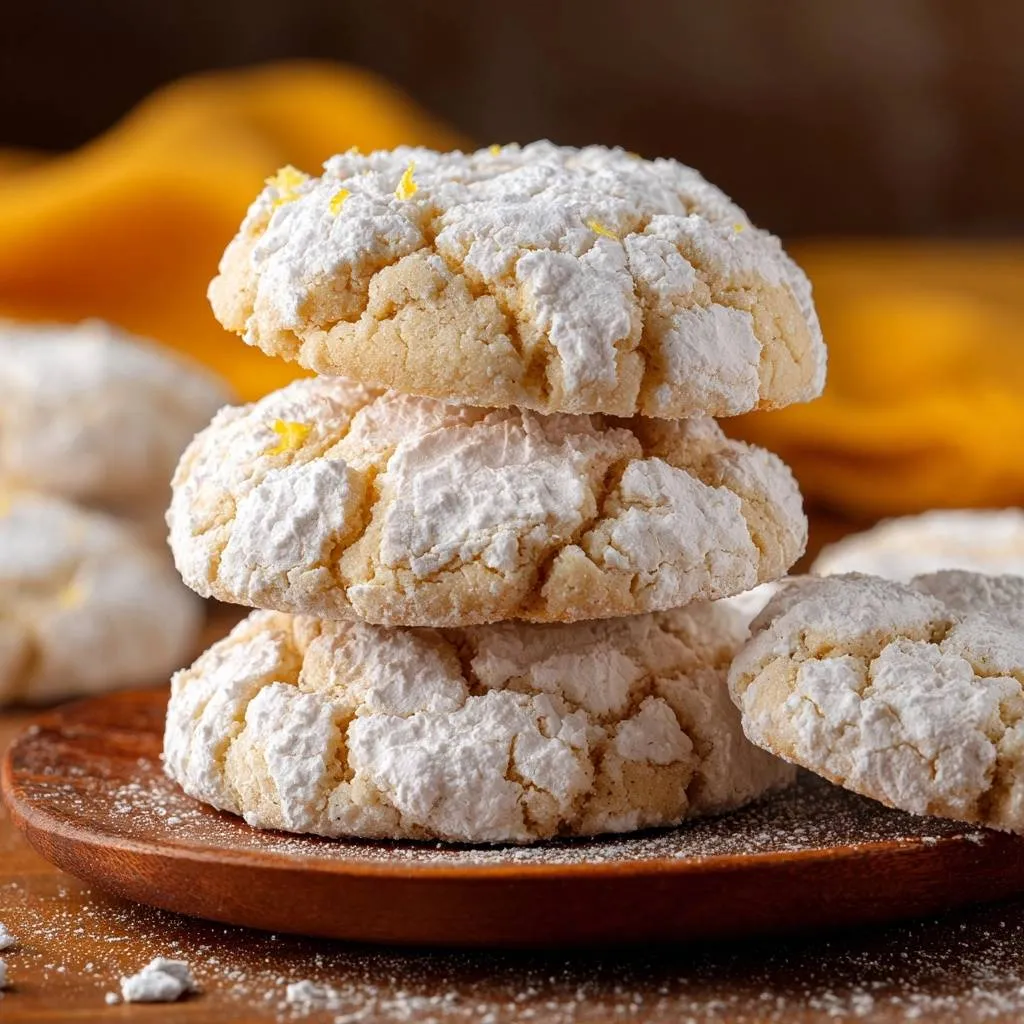
Crinkles happen when cold dough meets 350°F heat. The exterior sets quick from thick powdered sugar, but the warm inside expands, cracking the shell. It’s simple baking physics that delivers wow factor.
If you enjoy the crinkled tops on these lemon cookies, you might also appreciate the no-spread method for glazed raspberry thumbprint cookies.
Double-chill firms the butter, slowing spread. Granulated sugar melts first, contrasting the dry powdered layer. Therefore, your cookies puff, crack, and stay soft.
Fresh from the oven, edges firm up while centers stay gooey. The lemon scent fills your kitchen, promising that zesty bite. Pro tip: use an oven thermometer for spot-on temps.
Chilling’s Role in Texture Control
The first 2-hour chill hydrates flour and solidifies fat, curbing spread. Overnight deepens lemon flavor too. Scoop while cold for best shape.
Don’t rush this; warm dough flattens fast. In humid weather, chill longer. It guarantees uniform cookies.
Sugar Rolling Chemistry
Roll in granulated sugar first for a sticky base. Then press into powdered sugar thickly. The melt contrast cracks as it bakes.
Heavy coating stays powdery outside, revealing golden cracks. Fresh powdered sugar clumps less. This step makes or breaks the look.
Step-by-Step Lemon Crinkle Cookie Method
This yields about 24 cookies in 30 minutes active time, plus chilling. Start with wet ingredients for smooth blending. Parchment-lined sheets prevent sticking.
Creaming builds air for lift. Chilling controls spread. Baking under-doneness keeps chew. Cool fully for best cracks.
Creaming Butter and Wet Additions
Beat softened butter and 1 cup sugar 2 minutes until light. Add egg, zest, juice; mix just until combined. Use a stand mixer for ease, or hand beat vigorously.
The mix looks curdled briefly, but it smooths out. This incorporates air without deflating. Scrape the bowl often.
Combining Dry Ingredients Gently
Whisk dry ingredients separately. Stir into wet gradually on low speed. Stop when dough forms; it’s soft but holds shape.
Overmixing develops gluten and toughens. Therefore, fold by hand at the end. Dough firms in chill.
Double-Chill and Shaping Balls
Cover dough; chill 2 hours or overnight. Scoop 1-tablespoon balls. Roll in granulated, then powdered sugar, pressing for thick coat. Space 2 inches apart.
Cold dough rolls easy without sticking. The sugar layer should feel generous. Bake straight from fridge.
Baking for Set Edges
Preheat to 350°F. Bake 9-11 minutes; edges set, centers soft, cracks appear. Cool on sheet 5 minutes for structure.
Parchment ensures even browning. Rotate sheets midway if needed. They’ll firm as they cool.
Avoiding Lemon Crinkle Cookie Pitfalls
Flat cookies? Blame warm dough or thin sugar. Overbaking dries them out. However, follow chills and timers, and you’ll nail it.
Check oven temp; inaccurate heat ruins rise. Use room-temp ingredients except chilled dough. These fixes save every batch.
Preventing Flat Spreading
Chill dough fully; test by pressing, it should resist. In humidity, add 1 tablespoon flour. Smaller scoops help too.
Ensuring Bold Crinkle Patterns
Apply thick powdered sugar; shake off excess lightly. Use middle oven rack. Fresh sugar prevents clogs.
Maintaining Soft Centers
Bake to soft centers; carryover finishes them. Store airtight to retain moisture.
Flavor Variations for Lemon Crinkle Cookies
Stick to lemon base, but swap in lime zest for tropical twist. Add white chocolate chunks for gooey pops. These keep the crinkle magic.
Poppy seeds add crunch; mix into dough last. Gluten-free flour swaps 1:1. Taste as you go for balance.
Citrus Swaps and Enhancements
Meyer lemons mellow the tartness. Orange zest hybrid brightens. A drop of extract amps if lemons are mild.
For a similarly bright citrus twist, explore these glazed orange creamsicle cookies.
Add-Ins for Texture Contrast
Fold in chopped pistachios or dried blueberries post-dry mix. They burst with each bite. Don’t overdo; 1/2 cup max.
Dietary Adaptations
Vegan? Swap butter for coconut oil, egg for aquafaba. Almond flour cuts carbs; adjust liquid slightly.
Storage and Make-Ahead for Lemon Crinkle Cookies
Store airtight at room temp up to 5 days; they’ll soften nicely. Freeze dough balls or baked cookies 3 months. Thaw overnight for fresh taste.
Scale up dough easily; double works fine. Great for gifting in tins.
Freezing Dough vs Baked
Freeze scooped dough balls; roll in sugar post-thaw, add 1 minute bake time. Baked freeze whole; thaw at room temp to preserve cracks.
Reviving Day-Old Cookies
Microwave 5 seconds for chew. Or warm in 300°F oven 3 minutes for crisp edges.
Pairing Lemon Crinkle Cookies
These shine with herbal teas that echo the citrus. Perfect for afternoon snacks or holiday trays. Their snowy look wows crowds.
More Sweet Ideas
Enjoying these lemon cookies might inspire you to explore other baked treats. Consider these complementary recipes for more delightful sweets.
- For a breakfast treat that also features a light, airy texture, try these fluffy diner-style pancakes, a great way to start any morning.
- If you’re looking for another simple yet satisfying breakfast option, these fluffy golden pancakes offer a similar soft texture.
Stack for cookie swaps. Pair with shortbread for variety.
Best Beverages to Pair
Chamomile tea softens the lemon zing. Cold almond milk balances sweetness. Coffee’s bitterness cuts through richness.
Occasion-Based Serving Ideas
Tea parties love neat stacks. Picnics need wrapped bundles. Dessert boards mix with fruits.
Troubleshooting Lemon Crinkle Cookies
No Cracks Appearing
Thin sugar coat or warm dough is culprit. Chill longer, roll thicker powdered layer next time. Press firmly for adhesion.
Cookies Spreading Too Much
Dough wasn’t cold enough. Extend chill to 4 hours, or freeze 30 minutes pre-bake. Check butter softness; too warm deflates.
Lack of Lemon Flavor
Use fresh zest and juice; bottled fades. Zest more finely for oils. Add 1/2 teaspoon extract if needed.
Uneven Baking Results
Rotate sheets halfway. Ensure even scoops and spacing. Calibrate oven thermometer for accuracy.
Dough Handling Issues
Sticky dough? Chill extra or dust hands with flour. Humidity absorbs moisture; weigh ingredients precisely.
FAQ
How do I store Lemon Crinkle Cookies and can they be frozen?
Store in an airtight container at room temperature for up to 5 days; they’ll stay soft and flavorful. For freezing, portion dough balls on a tray first, then bag for up to 3 months; roll in sugar after thawing overnight in fridge and bake as directed, adding 1 minute. Baked cookies freeze well too; thaw at room temp to keep cracks intact, avoiding sogginess from microwave.
Why are my Lemon Crinkle Cookies flat without cracks?
This happens from insufficient chilling or thin sugar coating. Always chill dough at least 2 hours (overnight’s best) to firm butter and prevent spreading. Roll heavily in both sugars, ensuring a 1/4-inch powdered layer; the cold exterior sets fast in the oven while inside expands, forcing cracks. Test dough temp, it should feel cold and firm.
Can I substitute ingredients in Lemon Crinkle Cookies?
Yes, swap unsalted butter for vegan coconut oil 1:1, but chill longer as it melts differently. No egg? Use 3 tablespoons aquafaba, whipped slightly for lift. For gluten-free, try 1:1 blend flour; add 1/4 teaspoon xanthan gum if not included. Fresh lemons can’t be beat, but bottled juice works in pinch, though flavor dulls, so add extract.
Why don’t my Lemon Crinkle Cookies have enough lemon flavor?
Fresh zest carries the oils; use a microplane on 2 juicy lemons for 2 tablespoons fine zest, avoiding pith’s bitterness. Juice freshly squeezed adds tart moisture, 3 tablespoons exact. If mild, stir in 1/2 teaspoon lemon extract post-wet mix. Overnight chill intensifies citrus too.
How do I get the perfect soft centers in Lemon Crinkle Cookies?
Underbake slightly: pull at 9-11 minutes when edges set but centers look doughy and soft. They’ll firm via carryover heat during 5-minute sheet cooling. Store airtight immediately to trap moisture; high humidity softens them faster, so silica packs help in moist climates.
Why are my Lemon Crinkle Cookies tough or dry?
Overmixing develops gluten; combine dry into wet gently, stopping when just incorporated. Overbaking dries them, so watch closely at 350°F with visual cues like cracks. Use softened (not melted) butter for air pockets, and measure flour by spooning lightly, not packing, for right hydration.
Lemon Crinkle Cookies
Course: DessertCuisine: AmericanDifficulty: easy24
cookies20
minutes10
minutes120
kcal120
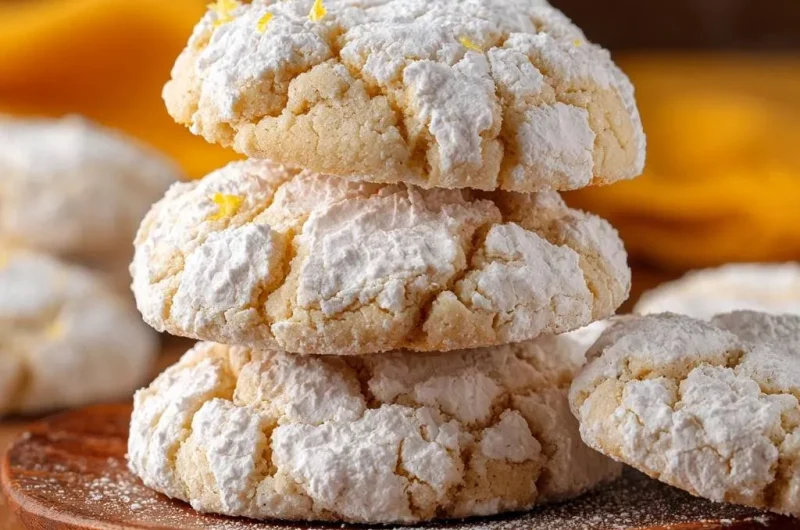
MinutesSick of crinkle cookies that bake flat with no cracks? This recipe nails the snowy, crinkled tops using a double-chill and sugar-rolling trick that forces the signature cracks while keeping them soft inside.
Ingredients
1/2 cup unsalted butter, softened
1 cup granulated sugar
1 large egg
Zest of 2 lemons
3 tablespoons fresh lemon juice
1 3/4 cups all-purpose flour
1 teaspoon baking powder
1/2 teaspoon baking soda
1/4 teaspoon salt
1/2 cup granulated sugar (for rolling)
1/2 cup powdered sugar (for rolling)
Directions
- In a large bowl, beat softened butter and 1 cup granulated sugar until light and fluffy, about 2 minutes. Add egg, lemon zest, and lemon juice; mix until combined.
- In a separate bowl, whisk flour, baking powder, baking soda, and salt. Gradually stir dry ingredients into wet until a dough forms. Do not overmix.
- Cover dough tightly and chill in the fridge for at least 2 hours (or overnight). This first chill firms the dough to prevent spreading.
- Preheat oven to 350°F. Line baking sheets with parchment paper.
- Scoop 1-tablespoon dough balls. Roll each in granulated sugar to coat evenly (this creates sugar melt contrast). Then roll heavily in powdered sugar, pressing firmly so it sticks thickly (at least 1/4-inch layer). This double-coat and cold dough guarantee the cracks as they bake. Place 2 inches apart on sheets.
- Bake 9 to 11 minutes until edges are set but centers are still soft. Cookies will crackle beautifully. Cool on sheet 5 minutes, then transfer to rack. Store airtight up to 5 days.
Notes
- Chill dough for at least 2 hours or overnight for best results. Double-coating in granulated and powdered sugar ensures perfect cracks.