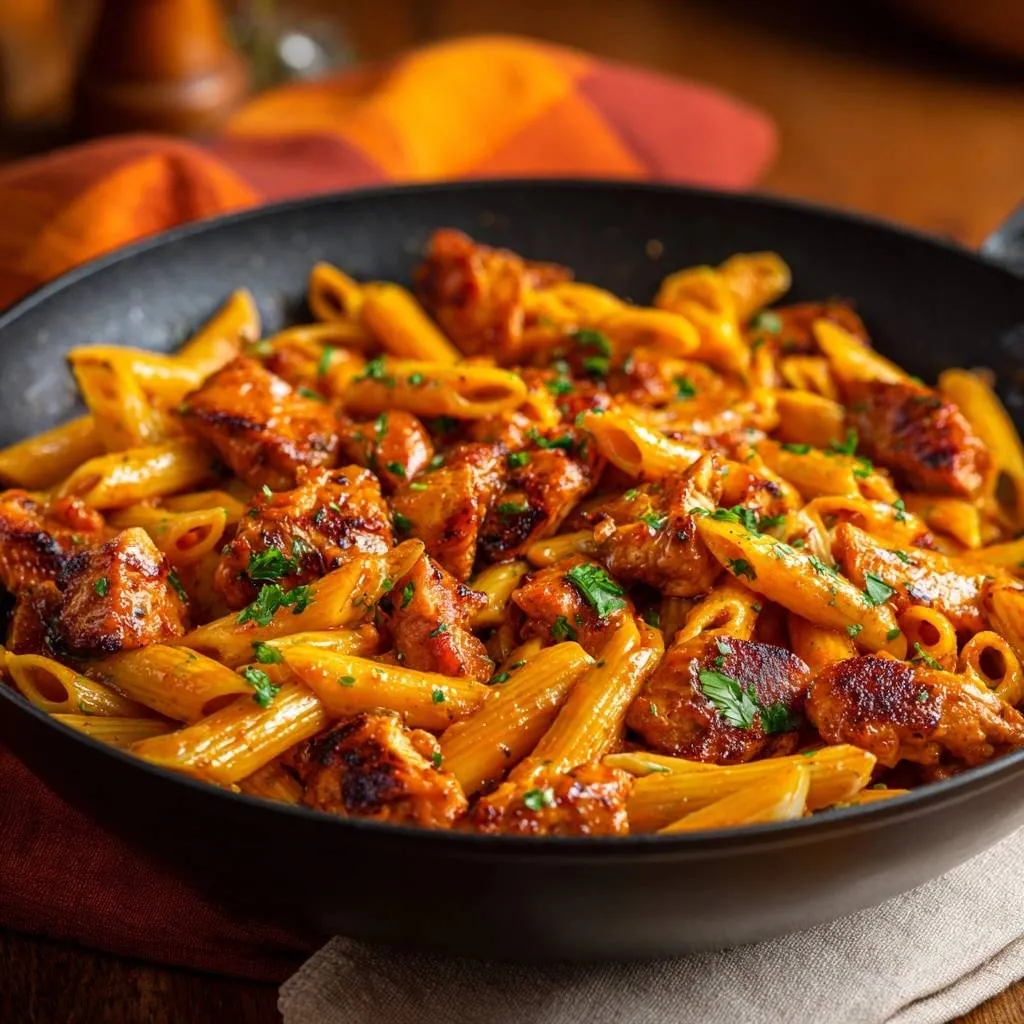
We’ve all been there. You sit down to a beautiful plate of pasta, but by the third bite, a watery puddle has formed at the bottom of the bowl. The sauce is thin, the chicken feels separate from the meal, and the flavor just doesn’t stick. It’s frustrating because you want that velvety, clingy coating that makes restaurant pasta so addictive.
For a similar creamy chicken experience, explore the flavors in creamy sun-dried tomato chicken shells.
A truly great Creamy Cajun Chicken Penne should be a bold, sensory experience. You want the immediate hit of smoky heat from the spices, followed by the cooling richness of a thick cream sauce. The secret lies in the “fond”—those caramelized brown bits stuck to your pan—and a precise emulsion technique that binds everything together.
The key to professional-grade pasta isn’t just adding more cheese; it’s about managing your starches. By undercooking the pasta slightly and finishing it directly in the sauce, you allow the noodles to drink up the flavor. This creates a cohesive dish where every ridge of the penne is lacquered in a spicy, silken glaze that never breaks or turns oily.
The Anatomy of a Non-Separating Cream Sauce
Creating a sauce that doesn’t separate requires a bit of kitchen science. When you mix heavy cream with heat, the fats want to stay together, but the water content can easily leach out. This is why “dumping and stirring” usually results in a thin, disappointing mess that slides right off your fork.
To fix this, we use a reduction method combined with a stabilizer. Tomato paste acts as a secret weapon here. Beyond adding a deep rust color and savory umami, the solids in the paste help thicken the base before the cream even hits the pan. It provides a structural foundation that keeps the fats in the cream suspended and stable.
The reduction process is equally vital. As the cream simmers with the pasta water, the excess moisture evaporates, concentrating the proteins and fats. This creates a “grip” on the noodle. Instead of the sauce sitting on top of the pasta, it becomes part of the pasta, resulting in a glossy finish that stays creamy until the very last bite.
Why Starchy Pasta Water is Liquid Gold
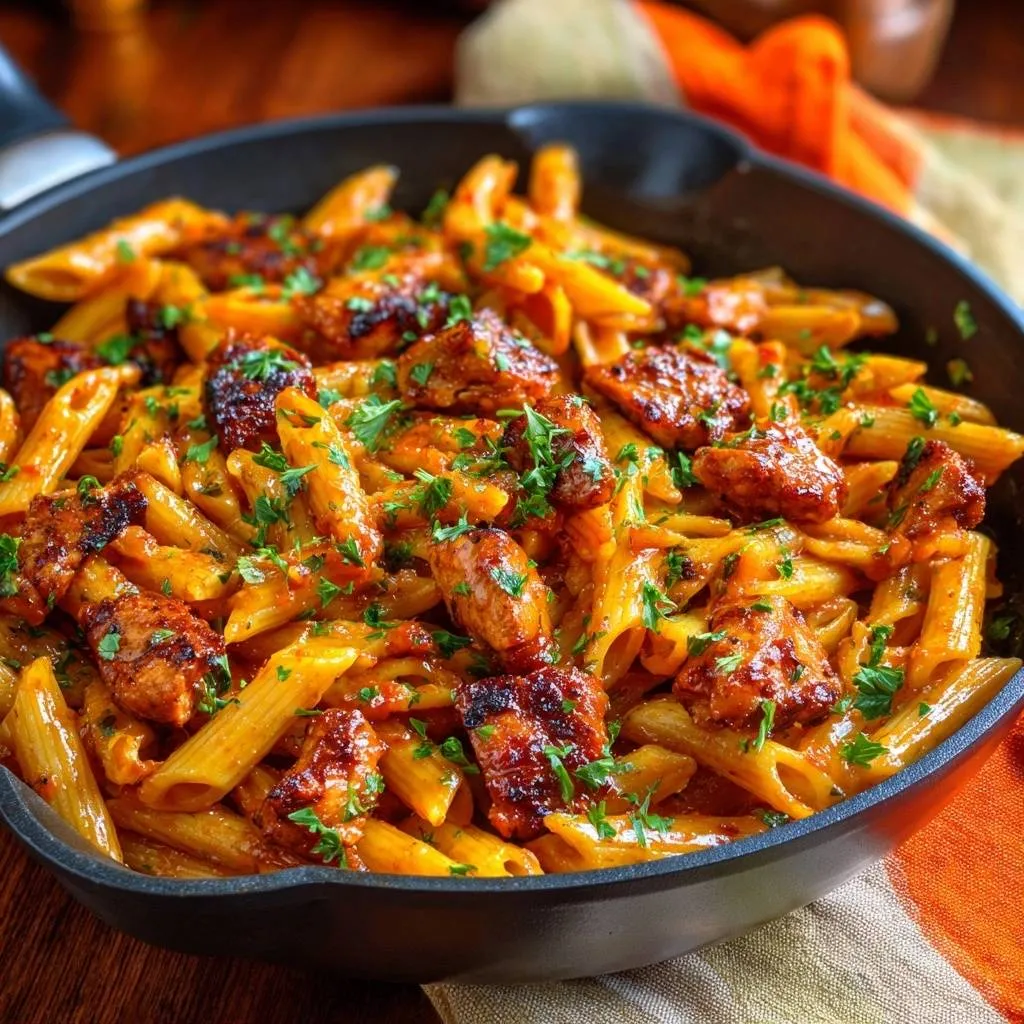
Never pour your pasta water down the drain! That cloudy liquid is packed with amylose and amylopectin, which are starches released by the wheat as it boils. These starches act as a natural emulsifier, bridging the gap between the oil-based fats in the cream and the water-based elements of the sauce.
When you whisk this “liquid gold” into your simmering cream, the starch molecules swell and create a network that traps fat droplets. This prevents the sauce from “breaking” into a greasy layer of oil. It’s the difference between a sauce that looks like a broken vinaigrette and one that looks like liquid velvet.
Essential Components for Creamy Cajun Chicken Penne
Quality ingredients are the backbone of this dish. For the protein, boneless skinless chicken breasts are the gold standard. Because we are searing at high heat, the lean breast meat develops a beautiful crust quickly without the excess fat that thighs might release, which could make the sauce feel heavy or greasy.
Your Cajun seasoning choice matters immensely. Many store-bought blends are incredibly high in salt. If you’re using a salt-heavy brand, hold back on adding extra salt to the chicken until you’ve tasted the final sauce. You want the heat of the cayenne and the earthiness of the paprika to shine, not just a salt bomb.
When it comes to the dairy, heavy cream is non-negotiable. Lower-fat options like half-and-half or whole milk lack the fat content necessary to withstand the simmering process. They are much more likely to curdle or “split” when they hit the acidic tomato paste and high heat. The fat in heavy cream provides the necessary buffer for a smooth result.
Finally, let’s talk about the cheese. You must use freshly grated parmesan from a block. Pre-shredded cheeses are coated in potato starch or cellulose to prevent clumping in the bag. Those anti-caking agents will ruin your sauce, turning it grainy or sandy. A fresh grate ensures the cheese melts into a perfectly smooth liquid.
Selecting the Right Penne Shape
Not all penne is created equal. For this recipe, always look for Penne Rigate. The word “rigate” means ridged, and those tiny grooves are designed specifically to catch and hold onto thick, creamy sauces. Smooth penne (Penne Lisce) allows the sauce to slide right off, defeating the purpose of our emulsion.
The hollow center of the penne also acts as a vessel. As you toss the pasta in the skillet, the sauce gets trapped inside the tubes. This ensures that when you take a bite, you get a burst of creamy Cajun flavor from both the inside and the outside of the noodle.
Phase One: Searing the Cajun Spiced Chicken
The first step to deep flavor is the Maillard reaction. This is the chemical reaction between amino acids and reducing sugars that gives browned food its distinctive flavor. When you sear the chicken, don’t crowd the pan. If the pieces are too close together, they will release moisture and steam rather than brown.
For a similar approach to achieving those perfectly seared bites, explore this creamy chicken fettuccine.
Work in batches if you have to. You want a dark, spicy crust on the outside while keeping the inside juicy. Once the chicken is done, remove it, but look at the bottom of the pan. Those stuck-on brown bits are called “fond.” They are concentrated flavor nuggets that will eventually dissolve into your sauce, giving it a professional depth.
Phase Two: Building the Concentrated Flavor Base
After removing the chicken, it’s time to “bloom” your spices. Adding the remaining Cajun seasoning and tomato paste to the melted butter is a game-changer. Many of the aromatic compounds in spices are fat-soluble, meaning their flavor is unlocked and intensified when toasted in fat rather than just boiled in liquid.
Stir the paste and spices constantly for about a minute. You’ll see the tomato paste transform from a bright red to a deep, rusty orange. This darkening indicates that the sugars are caramelizing, which removes the raw metallic taste of the paste and replaces it with a rich, savory sweetness that balances the spicy heat.
Phase Three: The Reduction and Emulsification Process
Now, pour in the heavy cream and use a wooden spoon to scrape up every bit of that fond from the bottom of the pan. As the cream hits the hot skillet, it will bubble vigorously. This is the moment to whisk in your reserved pasta water. The mixture will look thin at first, but don’t panic.
Maintain a gentle simmer. You aren’t looking for a rolling boil, which can cause the dairy to separate. As the liquid reduces over 3 to 4 minutes, it will thicken into a velvety coating. Only once the sauce has thickened should you whisk in the parmesan. Adding the cheese at the end prevents it from overcooking and becoming stringy or tough.
Phase Four: The Marriage of Pasta and Sauce
The most common mistake is cooking pasta until it’s soft and then pouring sauce over it. Instead, pull your penne out of the boiling water about 2 minutes before it reaches al dente. It should still have a firm “snap” in the center. This is because the pasta is going to finish its cooking journey inside the sauce.
Toss the pasta and chicken into the skillet and keep them moving. For those final 120 seconds, the pasta will absorb the flavored liquid from the sauce. This locks the two components together. By the time the pasta is perfectly tender, the sauce will have thickened further, creating a unified dish where the sauce “grips” the noodle with incredible tenacity.
Troubleshooting Common Cajun Pasta Pitfalls
If your sauce becomes too thick while tossing, don’t reach for more cream. Instead, add a tablespoon or two of your remaining pasta water. The starch will loosen the sauce without diluting the flavor or making it greasy. It’s the best way to restore that glossy, restaurant-style sheen.
If the sauce looks grainy, it’s usually a temperature issue or a cheese issue. If the pan is too hot when you add the parmesan, the proteins in the cheese can clump together. To avoid this, lower the heat before stirring in the cheese. Also, remember that pre-shredded cheese is almost always the culprit behind a “sandy” texture.
For those who want more “kick” without making the dish too salty, don’t just add more Cajun seasoning. Instead, add a pinch of cayenne pepper or a dash of crushed red pepper flakes. This increases the heat levels while keeping the overall spice profile and sodium content in balance.
Flavor Variations and Protein Swaps
This creamy base is incredibly versatile. If you aren’t in the mood for chicken, shrimp is a fantastic alternative. Sear the shrimp for just 90 seconds per side until they are pink and opaque, then set them aside just like the chicken. Blackened salmon fillets placed on top of the finished pasta also make for an elegant presentation.
For a vegetarian version, skip the meat and load up on texture. Roasted bell peppers, sautéed mushrooms, or even grilled zucchini work beautifully with the Cajun spice. The mushrooms are particularly good here as they soak up the cream sauce much like the pasta does.
If you want a “diablo” style version with intense heat, you can stir in some diced jalapeños or a spoonful of chili paste during the spice-blooming phase. The cream will still provide a cooling effect, but the back-end heat will be much more pronounced for those who love a spicy challenge.
Optimal Side Dishes for Spicy Creamy Pasta
Because this dish is so rich and bold, you want side dishes that offer contrast. A simple arugula salad with a sharp lemon vinaigrette is perfect. The bitterness of the greens and the acidity of the lemon cut right through the heavy cream, refreshing your palate between bites.
Round Out Your Meal
To complement your creamy Cajun chicken pasta, consider these fresh and flavorful salads.
- For a vibrant green addition, try this creamy kale Caesar salad, which offers a satisfying crunch.
- If you prefer a lighter, zesty option, this lemony arugula Parmesan salad provides a peppery contrast.
If you want to lean into the comfort food vibe, garlic-rubbed focaccia or a crusty baguette is essential. You’ll want something to mop up any extra sauce left on the plate. Avoid sides that are also creamy or heavy, like potato salad, as they can make the meal feel overwhelming.
Storage and Reheating for Maximum Creaminess
Cream sauces are notoriously difficult to reheat because the fat tends to separate from the solids when microwaved. If you have leftovers, store them in an airtight container for up to three days. I don’t recommend freezing this dish, as the cream texture will become grainy and the pasta will turn mushy upon thawing.
To reheat, the stovetop is your best friend. Place the pasta in a small pan over low heat and add a splash of milk or a tiny bit of water. Stir gently as it warms up. The extra moisture helps the sauce emulsify again, preventing it from turning into a pool of oil. If you must use a microwave, use 50% power and stir every 30 seconds.
Expert Tips for Professional Results
Always use a wide skillet rather than a deep pot to make your sauce. The larger surface area allows for faster and more even evaporation, which is key to getting that perfect reduction. It also gives you more room to toss the pasta vigorously without making a mess.
Pro tip: Warm your serving bowls in a low oven or by rinsing them with hot water before plating. Creamy sauces begin to set and thicken the moment they hit a cold plate. Serving in a warm bowl keeps the sauce fluid and silky for much longer while you eat.
Don’t skip the fresh parsley at the end. While it looks like a simple garnish, the hit of fresh, “green” flavor provides a necessary brightness. It cuts through the fat of the cream and the intensity of the Cajun spices, balancing the entire dish for a clean finish.
How do I keep the chicken from getting dry?
The key is the high-heat sear and the resting period. By searing the chicken quickly over medium-high heat, you lock in the juices. Removing the chicken from the pan while you build the sauce prevents it from overcooking. Only add it back at the very end to warm through; this ensures the breast meat stays tender and moist rather than rubbery.
Can I use a different pasta shape?
Yes, though Penne Rigate is the classic choice. If you can’t find it, Rigatoni is an excellent substitute because it also has ridges and a large hole for the sauce. Fusilli (spirals) also works well because the twists trap the creamy sauce. Avoid long, thin noodles like spaghetti, as they don’t hold the heavy chicken pieces and thick sauce as effectively.
Why is my sauce pulling away or looking oily?
This usually happens if the heat is too high or if you didn’t use enough pasta water. The starch in the water is what holds the oil and cream together. If it starts to look oily, immediately whisk in another tablespoon of starchy water and turn the heat down. This should help the sauce “snap” back into a smooth emulsion.
Is there a substitute for heavy cream?
In this specific recipe, heavy cream is the best option for stability. However, if you must substitute, you can use heavy coconut cream (the thick part at the top of the can). Note that this will add a slight coconut flavor. Avoid using low-fat milk or almond milk, as they are too thin and will likely curdle when combined with the Cajun spices and tomato paste.
How can I make my own Cajun seasoning?
If you don’t have a store-bought jar, you can mix equal parts garlic powder, onion powder, smoked paprika, and dried oregano. Add cayenne pepper to your desired heat level and a pinch of thyme. This allows you to control the salt content perfectly, which is often the biggest issue with pre-made Cajun blends.
Can I add vegetables directly to the pasta?
Absolutely. Sliced bell peppers and onions are traditional additions. Sauté them in the skillet after you remove the chicken but before you add the tomato paste. Cook them until they are just softened. This adds a nice crunch and sweetness that complements the spicy cream sauce perfectly.
Cajun Chicken Penne
Course: Main CourseCuisine: AmericanDifficulty: easy4
servings10
minutes20
minutes610
kcal30
MinutesA bold and flavorful pasta dish featuring seared Cajun chicken and penne tossed in a silky, spiced cream sauce. The recipe utilizes reserved pasta water and a specific simmering technique to ensure the sauce perfectly coats every noodle.
Ingredients
1 pound boneless skinless chicken breasts, cut into bite-sized pieces
1 pound penne pasta
2 tablespoons olive oil
1 tablespoon unsalted butter
3 tablespoons Cajun seasoning (divided)
1 tablespoon tomato paste (for color and body)
1 1/2 cups heavy cream
1/2 cup freshly grated parmesan cheese
1/2 cup reserved starchy pasta water
2 tablespoons fresh parsley, chopped
Salt and black pepper to taste
Directions
- Bring a large pot of heavily salted water to a boil. Cook the penne for 2 minutes less than the package directions for al dente. Important: Before draining, scoop out 1 cup of the starchy pasta water and set it aside.
- While the pasta cooks, toss the chicken pieces with 2 tablespoons of the Cajun seasoning until fully coated.
- Heat olive oil in a large skillet over medium-high heat. Add the chicken in a single layer and sear until deeply browned and cooked through, about 3 to 4 minutes per side. Remove chicken from the pan and set aside.
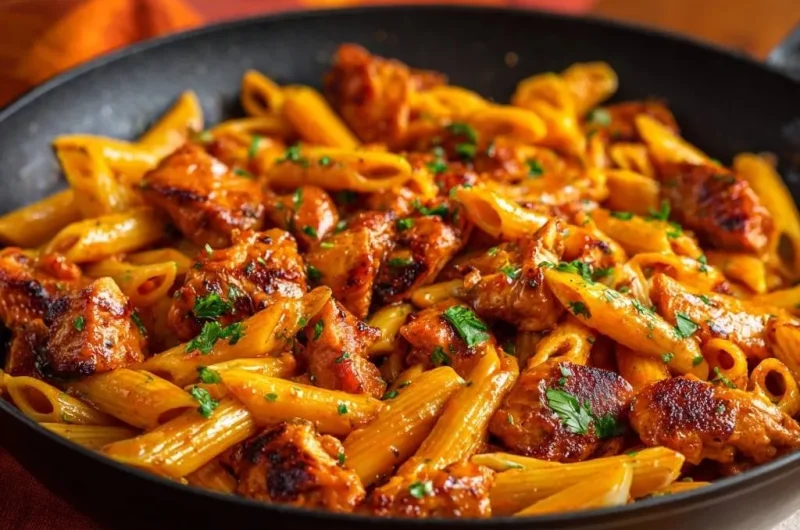
- Lower the heat to medium. Add the butter and the remaining 1 tablespoon of Cajun seasoning along with the tomato paste. Stir for 1 minute to toast the spices and darken the paste-this provides the deep orange hue seen in the image.
- Pour the heavy cream into the skillet, scraping up the browned bits (fond) from the bottom of the pan.
- To solve the watery sauce problem, whisk in 1/2 cup of the reserved starchy pasta water. Bring the liquid to a gentle simmer for 3-4 minutes until it begins to reduce and thicken. The starch in the water acts as a natural binder, ensuring the sauce emulsifies rather than separating.
- Stir in the parmesan cheese until melted and smooth. Taste and add salt or pepper if needed.
- Add the cooked penne and the seared chicken (and any juices) back into the skillet. Toss continuously for 2 minutes over medium heat. This final step allows the pasta to finish cooking inside the sauce, locking the flavor and texture together so the sauce “grips” the noodle.
- Garnish with fresh parsley and serve immediately while the sauce is at its creamiest.
Notes
- The secret to the deep orange color and thick texture is toasting the tomato paste with the spices and using starchy pasta water to bind the heavy cream and cheese.