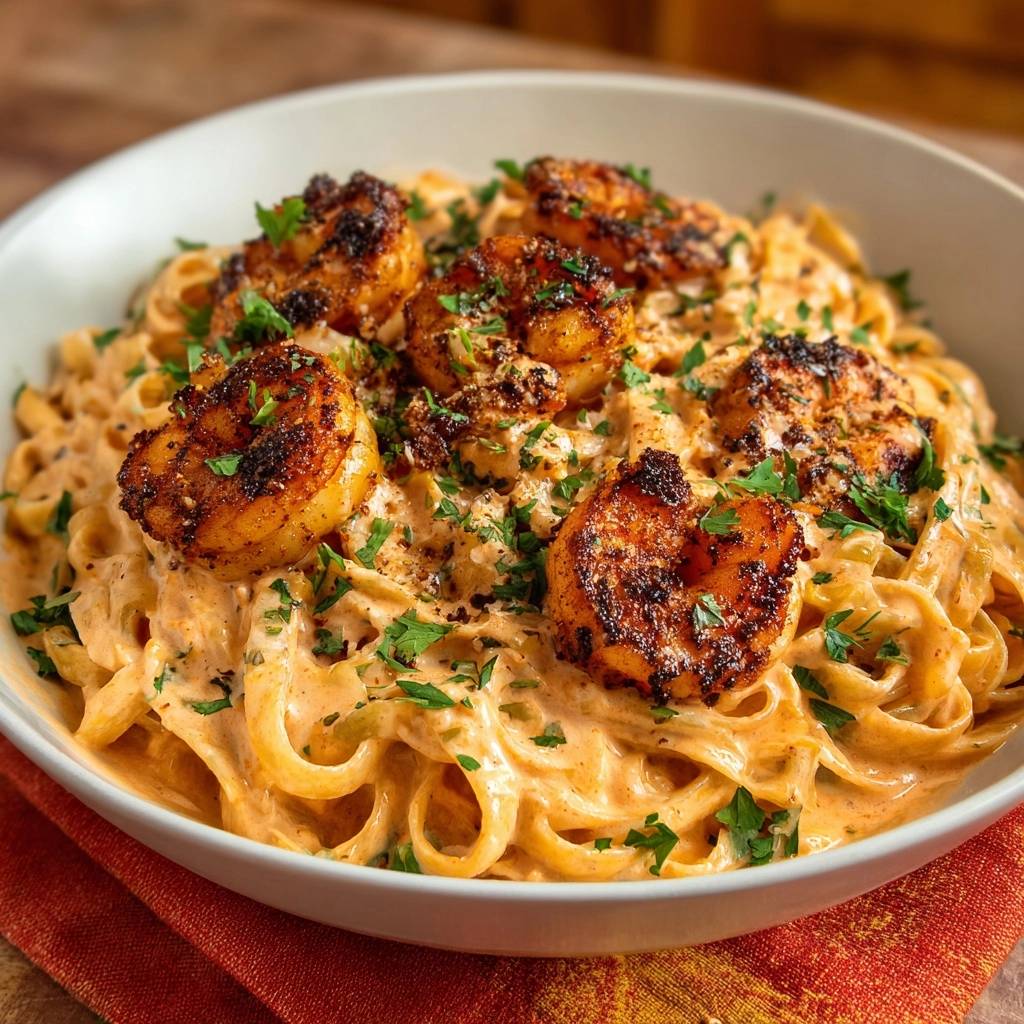
Nothing ruins a dinner faster than a plate of pasta sitting in a puddle of thin, broken liquid. You’ve likely experienced it before: the sauce looks beautiful in the pan, but the moment it hits the plate, the fats separate and leave a watery mess at the bottom. This Creamy Cajun Shrimp Fettuccine is designed to solve that exact frustration, delivering a restaurant-grade emulsion that clings to every single strand of pasta.
In just 25 minutes, you can create a dish that balances the smoky heat of the bayou with a velvety, rich finish. We aren’t just tossing shrimp and cream together; we’re building layers of flavor through searing and reduction. The result is a vibrant, orange-hued sauce that feels indulgent and professional without requiring a culinary degree or hours in the kitchen.
The secret to this success lies in the “liquid gold” reserved from your pasta pot. Most home cooks drain away their best tool, but that starchy water is the glue that binds the heavy cream and Parmesan into a stable, glossy coating. By mastering this simple emulsion technique, you ensure your sauce stays thick and creamy from the first bite to the very last.
The Science of a Non-Separating Cream Sauce
Creating a stable cream sauce is more about chemistry than luck. When you use heavy cream, you’re working with a high fat content that is naturally more stable under heat than milk or half-and-half. Milk contains more protein and less fat, which makes it prone to curdling or “breaking” when it meets the acidic components of Cajun spices or high temperatures.
Therefore, heavy cream is the superior choice for this application because it can withstand a simmer without the proteins clumping together. As the cream heats, the water content evaporates, concentrating the fats and solids. This reduction process is what gives the sauce its natural body, meaning you don’t have to rely on flour or cornstarch which can often make a sauce feel grainy or pasty.
In addition to the cream, we utilize the “fond”—those flavorful, browned bits stuck to the bottom of the skillet after searing the shrimp. When you add the butter and tomato paste to these bits, you’re creating a flavor base that also acts as a stabilizer. The tomato paste, in particular, provides lycopene and natural sugars that help thicken the sauce while giving it that signature deep-brick color that looks so appetizing.
Why Starchy Pasta Water is Liquid Gold
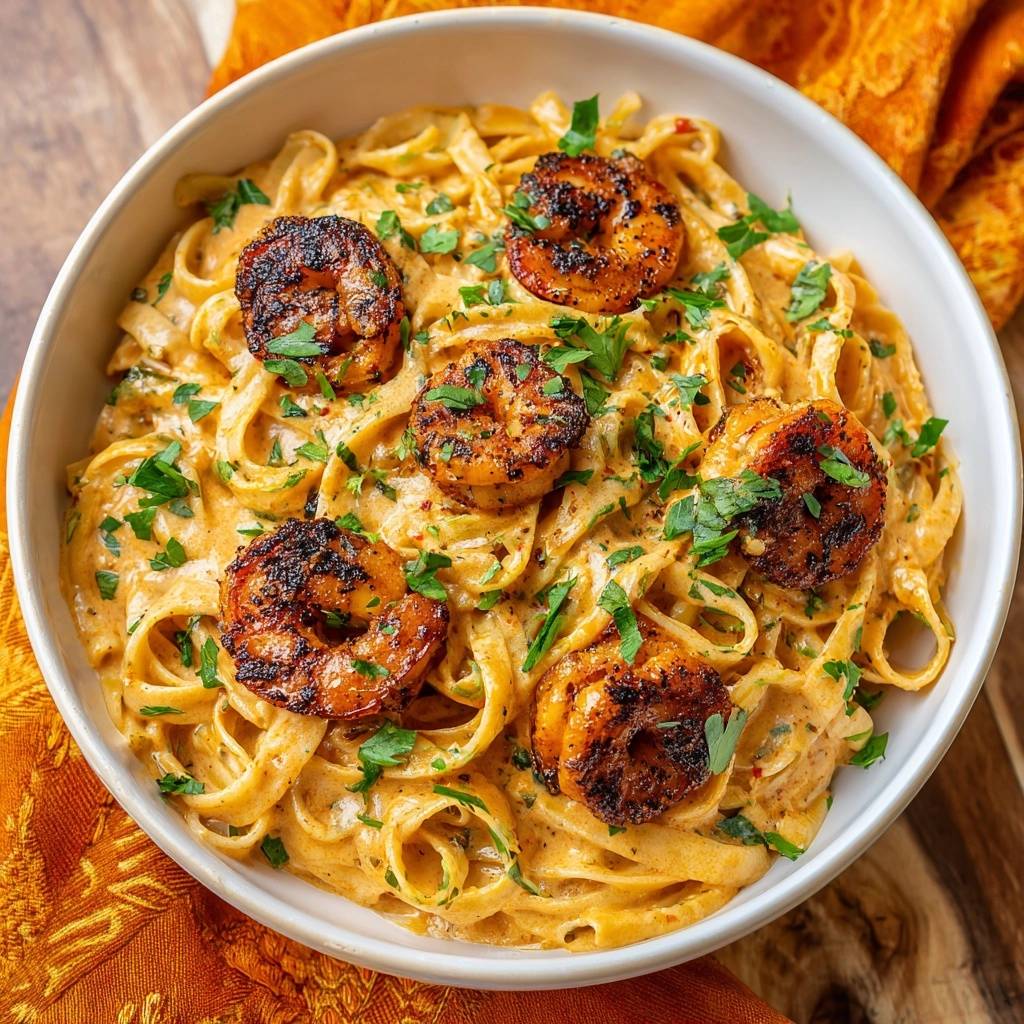
When pasta cooks, it releases amylose and amylopectin—two types of starch—into the boiling water. This cloudy liquid is a powerful emulsifier. In a typical cream sauce, the fat from the butter and cream wants to stay separate from any moisture. However, these starch molecules act as a bridge, grabbing onto the fat on one side and the water on the other.
By adding a splash of this water back into your skillet, you’re creating a cohesive bond. This prevents the “puddle” effect at the bottom of your bowl. It also helps the sauce actually “grip” the smooth surface of the fettuccine, ensuring the flavor stays on the noodle rather than sliding off.
Essential Components for Bold Cajun Flavor
Quality ingredients are the backbone of this dish, starting with the shrimp. I always recommend jumbo shrimp, specifically the 16/20 count, because they stay juicy even after a hard sear. Smaller shrimp cook too quickly and often turn rubbery before the sauce is even finished. Always pat them completely dry with paper towels; moisture is the enemy of a good crust.
Furthermore, your choice of cheese will make or break the texture. Pre-shredded Parmesan is coated in cellulose or potato starch to prevent clumping in the bag. Unfortunately, that same coating prevents the cheese from melting smoothly into your sauce, often resulting in a gritty or stringy mess. Buy a wedge of Parmesan and grate it yourself for a silky, professional finish.
The fettuccine itself provides the perfect “landing strip” for the sauce. Its wide, flat shape offers more surface area than spaghetti, which is essential for a heavy, cream-based sauce. If you can find a bronze-cut pasta, use it. The rougher texture of bronze-cut noodles creates even more nooks and crannies for the Cajun cream to settle into.
Selecting and Balancing Your Cajun Spice Blend
Cajun seasoning is a powerhouse of flavor, typically featuring a mix of smoked paprika, cayenne pepper, garlic powder, onion powder, and dried herbs like oregano or thyme. If you don’t have a store-bought jar, you can whisk together a quick blend using two parts paprika to one part of the other spices. Adjust the cayenne based on your personal heat tolerance.
For that Cajun kick, explore this Cajun blackened shrimp pasta.
In this recipe, we use a “divided” application method. We toss the shrimp in the bulk of the seasoning first to create a blackened crust during the sear. The remaining spice goes directly into the cream. This layering technique ensures the heat is integrated into the sauce while the shrimp remain the star of the show with a concentrated punch of flavor.
Phase One: Preparing the Shrimp and Pasta
Start by boiling your pasta in heavily salted water—it should taste like the sea. The goal here is to cook the fettuccine until it is just “shy of al dente.” This usually means pulling it out about two minutes before the package directions suggest. The pasta will finish its cooking process inside the sauce, allowing it to absorb the cream rather than just being coated by it.
While the water boils, focus on the shrimp. After patting them dry and seasoning them, get your olive oil shimmering hot in the skillet. You want a hard sear, which takes about two minutes per side. Look for the shrimp to turn opaque and curl into a “C” shape. If they curl tightly into an “O,” they are overcooked and will be tough.
Once the shrimp are seared, remove them from the pan immediately. This is a crucial step to keep them tender. If you leave them in the pan while you build the sauce, the residual heat will turn them into rubber. Set them aside on a plate to catch any juices, which you can pour back into the sauce later for extra flavor.
Phase Two: Building the Velvety Cajun Base
Lower your heat to medium before adding the butter to the skillet. You want to melt the butter and use it to scrape up all those charred bits of seasoning left behind by the shrimp. Add your minced garlic and tomato paste now. Sauté them until the garlic is fragrant and the tomato paste shifts from a bright red to a deep, rusty brick color.
Next, pour in the heavy cream and the rest of the Cajun seasoning. This is the “reduction” phase. Let the cream come to a gentle simmer. You are looking for the volume to reduce by about one-third. As the water evaporates, the sauce naturally thickens and the flavors concentrate, creating a base that is sturdy enough to hold up the heavy pasta.
Avoid the temptation to crank up the heat to speed this up. A violent boil can cause the cream to separate or scorch on the bottom of the pan. A steady, bubbly simmer is all you need. You’ll know it’s ready when the sauce looks rich and starts to leave a clear trail when you run a spoon through it.
Phase Three: The Emulsion and Final Toss
This is where the magic happens. Turn the heat down to low before whisking in your freshly grated Parmesan. Adding cheese to a boiling sauce is a recipe for clumping, so the lower temperature is vital. Whisk constantly until the cheese has completely melted into the cream, creating a smooth, uniform liquid.
Now, add your undercooked fettuccine and that half-cup of reserved pasta water directly into the skillet. Use tongs to toss the pasta vigorously. This movement, combined with the starch in the water, creates the emulsion. You’ll see the sauce transform from a liquid into a thick, glossy coating that clings tightly to the noodles.
Continue tossing for about two minutes. The pasta will soak up a bit of the sauce, reaching that perfect al dente texture. If the sauce becomes too thick, add another splash of pasta water. Once it looks velvety and covers every inch of the fettuccine, nestle the seared shrimp back on top and garnish with plenty of fresh parsley.
Troubleshooting Common Pasta Sauce Failures
If your sauce feels too thick or “gloppy,” don’t panic. This usually happens if the pasta absorbs the liquid faster than expected. Simply whisk in a tablespoon of pasta water at a time until the consistency loosens up. The starch in the water will keep the sauce creamy rather than thinning it out into a watery mess.
On the flip side, if the sauce looks like it’s starting to break (you’ll see tiny beads of oil), whisk in a small splash of warm heavy cream. This adds fresh emulsifiers back into the mix to help pull the fats back together. Whatever you do, never rinse your pasta after boiling; you need that surface starch to help the sauce stick.
Lastly, if the flavor feels flat, it likely needs a pinch more salt or a squeeze of lemon juice. Acidity can brighten up a heavy cream sauce and make the Cajun spices pop. Always taste your sauce right before serving to ensure the balance of salt, heat, and cream is exactly where you want it.
Customizing Your Creamy Cajun Shrimp Fettuccine
While shrimp is the classic choice, this sauce is incredibly versatile. You can easily swap the shrimp for blackened chicken breast or even sliced smoked beef sausage. If you want to add some crunch and color, sauté some diced bell peppers and onions in the butter before adding the garlic and tomato paste.
For those who want a bit more “bulk” without more meat, try adding a handful of baby spinach at the very end. The residual heat of the sauce will wilt the spinach in seconds. If you prefer a different noodle, linguine or tagliatelle are excellent substitutes as they offer a similar flat surface area for the sauce to grip.
If you are looking for a deeper, smokier flavor, add a teaspoon of liquid smoke or a bit of smoked paprika to your spice blend. This mimics the flavor of traditional outdoor Cajun cooking. Just remember to keep the ratios of liquid to pasta the same to maintain that perfect, non-watery consistency.
Optimal Side Dishes for Spicy Cream Pasta
Because this dish is so rich and bold, you want side dishes that offer a crisp or acidic contrast. A simple arugula salad tossed in a sharp lemon vinaigrette is the perfect palate cleanser. The peppery bite of the greens and the acid from the lemon cut right through the heavy cream and butter.
Roasted broccolini with plenty of garlic and a pinch of red pepper flakes also works beautifully. The charred florets provide a nice textural change from the soft pasta. Finally, you can’t go wrong with a loaf of crusty sourdough bread. It’s the best tool for mopping up any extra sauce left on your plate.
Expert Tips for Reheating and Storage
Cream-based pastas are notoriously tricky to reheat because the emulsion often breaks in the microwave, leaving you with oily noodles. To store leftovers, place them in an airtight container in the fridge for up to three days. I do not recommend freezing this dish, as the cream and cheese will separate during the thawing process, resulting in a grainy texture.
When you’re ready to eat it again, use the “low and slow” method on the stovetop. Place the pasta in a small skillet over low heat and add a splash of water or broth. Cover the pan for a minute to let the steam loosen the sauce, then toss gently until heated through. This extra moisture helps reconstituted the emulsion so it becomes creamy again.
Frequently Asked Questions
Can I use frozen shrimp for this recipe?
Yes, you can absolutely use frozen shrimp. However, you must thaw them completely in the refrigerator or under cold running water before cooking. Once thawed, it is vital to pat them extremely dry with paper towels. If they are even slightly damp, they will steam in the pan rather than sear, and the Cajun seasoning won’t form that delicious crust.
How do I make this dish less spicy?
The heat in this dish comes primarily from the cayenne pepper in the Cajun seasoning. To mellow it out, you can reduce the amount of seasoning used to coat the shrimp. Additionally, increasing the amount of heavy cream slightly will help coat the spice molecules and dampen the “burn” on your tongue. You can also look for “mild” Cajun blends at the grocery store.
What is the best substitute for Fettuccine?
If you don’t have fettuccine, reach for another long, flat noodle like linguine or tagliatelle. These shapes provide the necessary surface area for the thick cream sauce to cling to. Avoid thin noodles like angel hair, as they can easily become overwhelmed and clump together under the weight of the heavy sauce. Short shapes like penne or rigatoni can work in a pinch, as the sauce will hide inside the tubes.
Why did my cheese turn into a clump?
Cheese usually clumps for two reasons: the heat was too high or the cheese was pre-shredded. If the sauce is boiling when you add the cheese, the proteins tighten up instantly and form a ball. Always turn the heat to low or off before adding the Parmesan. Also, ensure you are using a high-quality wedge of cheese that you grate yourself, as pre-bagged versions contain anti-caking agents that prevent a smooth melt.
Shrimp Fettuccine
Course: Main CourseCuisine: AmericanDifficulty: easy4
servings10
minutes15
minutes620
kcal25
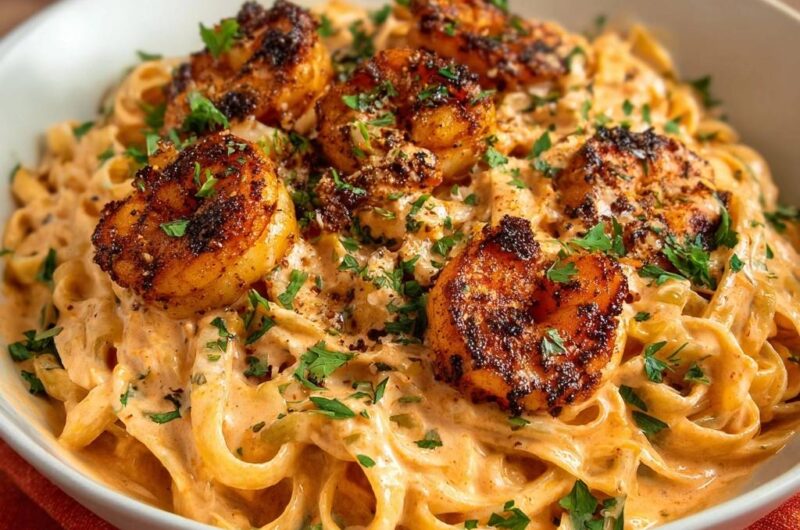
MinutesA bold and spicy pasta dish featuring jumbo seared shrimp and a rich Cajun cream sauce. The recipe utilizes starchy pasta water and a cream reduction technique to ensure a perfect emulsion that clings to the noodles.
Ingredients
1 pound jumbo shrimp, peeled and deveined
1 pound fettuccine pasta
3 tablespoons Cajun seasoning (divided)
2 tablespoons olive oil
3 tablespoons unsalted butter
3 cloves garlic, minced
1 tablespoon tomato paste (for color and body)
1.5 cups heavy cream
3/4 cup freshly grated Parmesan cheese
1/2 cup reserved starchy pasta water
Fresh parsley, chopped for garnish
Extra cracked black pepper
Directions
- Bring a large pot of heavily salted water to a boil. Cook the fettuccine until it is just shy of al dente (about 2 minutes less than package directions). Before draining, scoop out 1 cup of the starchy pasta water. This is the essential “liquid gold” that prevents a watery sauce.
- While the pasta cooks, pat the shrimp completely dry. Toss them in a bowl with 2 tablespoons of the Cajun seasoning until heavily coated.
- Heat olive oil in a large skillet over medium-high heat. Once shimmering, sear the shrimp for 2 minutes per side until a dark, charred crust forms and they are opaque. Remove shrimp from the pan and set aside to keep them tender.
- Lower the heat to medium and add the butter to the same skillet, scraping up the flavorful blackened bits (fond). Add the minced garlic and tomato paste. Sauté for 1-2 minutes until the paste turns a deep brick red.
- Pour in the heavy cream and the remaining 1 tablespoon of Cajun seasoning. To solve the watery sauce problem, let the cream simmer and reduce by one-third. This thickens the base naturally and concentrates the flavor.
- Turn heat to low and whisk in the Parmesan cheese until completely melted and smooth.
- Add the cooked fettuccine and 1/2 cup of the reserved pasta water to the skillet. Toss the pasta vigorously with tongs for 2 minutes. The starch in the water acts as a bridge between the fats and the noodles, creating a thick, glossy emulsion that will not turn watery.
- Once the sauce has thickened to a velvet consistency that coats the noodles, nestle the seared shrimp on top. Garnish heavily with fresh parsley and extra cracked black pepper. Serve immediately.
Notes
- The secret to the sauce is the ‘liquid gold’ starchy pasta water and reducing the heavy cream by one third to prevent a watery consistency.