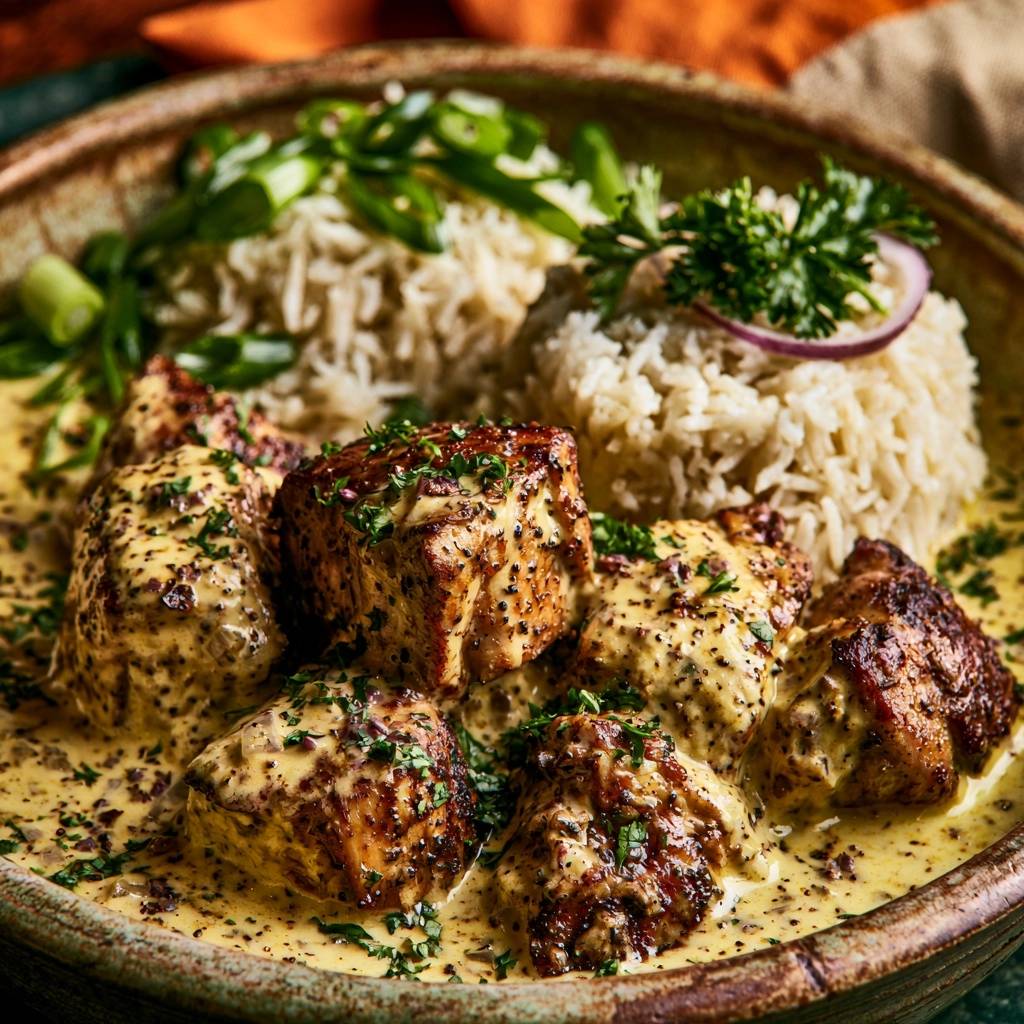
Imagine biting into a piece of chicken that has a deeply caramelized, salty crust on the outside but remains incredibly juicy in the center. Now, wrap that chicken in a sauce so thick and velvety it clings to the meat like a warm blanket rather than pooling at the bottom of your plate. That contrast between the hard sear of the poultry and the silkiness of a perfectly emulsified garlic butter sauce is what makes this dish a total showstopper.
Many home cooks struggle with cream sauces that turn out thin, broken, or frustratingly watery by the time they hit the table. This usually happens because the moisture in the chicken or the broth hasn’t been properly managed before the fats are introduced. This recipe solves that problem by using a specific reduction technique that concentrates flavor and ensures a restaurant-quality cling every single time.
The real secret to this success lies in the temperature of your ingredients and the timing of your reduction. By using room-temperature heavy cream and allowing your chicken broth to simmer down by half before adding the dairy, you create a stable base that won’t break or separate. You’re not just making a sauce; you’re building an emulsion that stays thick from the first bite to the last.
Essential Components for Creamy Garlic Butter Chicken Bites
To get the best results, you need to start with 1.5 pounds of chicken breast cut into uniform 1.5-inch cubes. This specific size is the “sweet spot” for stovetop cooking. It provides enough surface area for a beautiful golden crust while ensuring the inside stays tender during the short window it spends in the hot skillet.
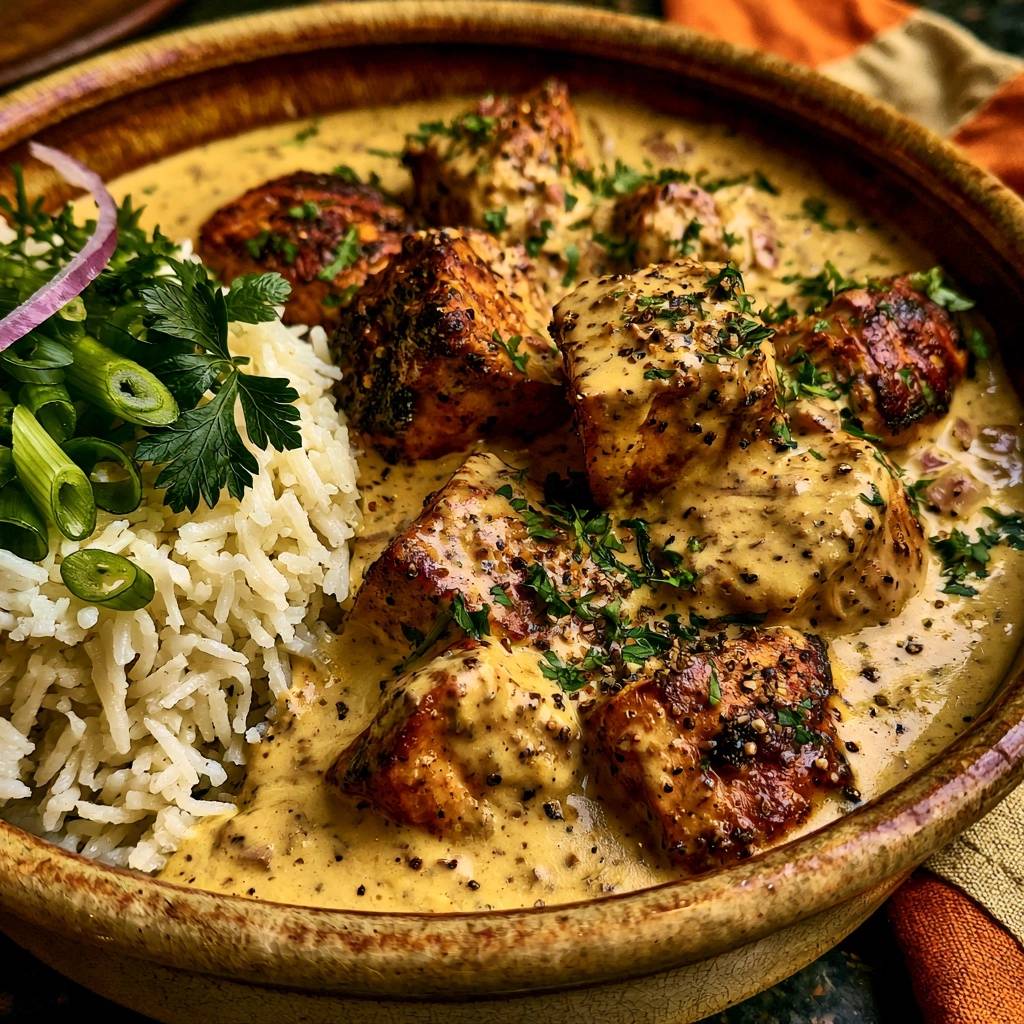
We use unsalted butter here for a very specific reason: control. Since the chicken is seasoned with kosher salt and the parmesan cheese adds its own salty punch, using unsalted butter prevents the final dish from becoming a salt bomb. Additionally, the coarse cracked black pepper isn’t just for heat; those large flecks provide a beautiful visual texture against the pale sauce.
You might be surprised to see a pinch of ground turmeric on the list. Don’t worry, it won’t make the dish taste like curry. Instead, it acts as a natural colorant that transforms the white cream into a rich, appetizing golden hue. It mimics the look of a sauce that has been simmering for hours with saffron or high-fat butter, giving you that professional finish instantly.
Selecting and Prepping the Poultry
While many people love chicken thighs for their fat content, chicken breast is actually the superior choice for these specific “bites.” The lean structure of the breast meat allows it to hold its shape better when cubed, and it absorbs the garlic butter sauce without becoming overly greasy. It provides a clean, meaty canvas for the bold aromatics.
The most important step in this entire process happens before the heat even touches the pan. You must pat the chicken cubes completely dry with paper towels. If the surface of the meat is wet, it will steam in the pan, resulting in a grey, rubbery texture. Removing that surface moisture is the only way to achieve the Maillard reaction, which is that flavorful brown crust we’re after.
The Role of Aromatics and Stabilizers
We use a combination of minced garlic and finely minced shallots to build the flavor base. Shallots are the secret weapon of French cooking because they offer a more delicate, sophisticated sweetness than standard yellow onions. They melt into the sauce almost completely, providing flavor without leaving behind chunky pieces of onion.
When it comes to the parmesan, please skip the stuff in the green shaker can. Freshly grated parmesan cheese contains natural proteins that act as a stabilizer for the cream sauce. Pre-shredded cheeses are often coated in potato starch or cellulose to prevent clumping in the bag, which can make your sauce feel gritty or prevent it from emulsifying properly.
The Science of the Perfect Golden Sear
Achieving a perfect sear is all about the Maillard reaction, a chemical reaction between amino acids and reducing sugars that gives browned food its distinctive flavor. To trigger this, your olive oil needs to be shimmering and hot. When the chicken hits the pan, you should hear a loud, aggressive sizzle immediately.
Pan crowding is the enemy of a good sear. If you dump all the chicken in at once, the temperature of the skillet will drop instantly, and the meat will release its juices. Instead of searing, the chicken will boil in its own liquid. Work in batches if you have to, ensuring every piece of chicken has its own space to breathe and brown.
Managing Skillet Temperature for Maximum Fond
As the chicken cooks, you’ll notice brown bits sticking to the bottom of the pan. This is called “fond,” and it is pure flavor gold. It represents the concentrated juices and proteins from the meat. You want to manage your heat so these bits stay deep brown rather than turning black and bitter.
Don’t be tempted to flip the chicken too early. Let it sit undisturbed for at least 3 minutes. Once the crust has formed, the meat will naturally “release” from the pan. If you have to tug at it with your tongs, it isn’t ready to flip yet. Wait for that natural release to ensure you don’t tear the seasoned skin off the meat.
Deglazing and Reducing the Garlic Butter Base
Once the chicken is removed, the pan will be hot and covered in that delicious fond. This is when you drop the heat to medium and add your butter. The butter will foam and pick up the flavors left behind by the chicken. Adding the garlic and shallots now allows them to soften in the fat without burning.
Garlic can turn bitter in a matter of seconds if the heat is too high. You only need about 60 to 90 seconds of sautéing. You’re looking for the moment the kitchen starts to smell like a high-end steakhouse. As soon as the garlic is fragrant and the shallots are translucent, it’s time to move to the next step.
Why Reducing Chicken Broth Prevents Watery Results
This is the most critical technical step for a thick sauce. When you pour in the chicken broth to deglaze the pan, use a wooden spoon to scrape up all those browned bits. Then, let the broth simmer until it has reduced by half. This concentrates the natural gelatin in the broth and removes excess water.
If you add the cream directly to a large amount of thin broth, the sauce will always feel runny. By reducing the broth first, you are creating a concentrated flavor base that will easily bond with the heavy cream. This ensures that the final sauce is rich and stable rather than diluted.
Emulsifying the Heavy Cream and Parmesan
When you’re ready to add the heavy cream, make sure it isn’t ice-cold from the fridge. Cold cream hitting a hot pan can sometimes cause the fats to separate or “shock” the sauce. Pour the room-temperature cream in slowly, stirring constantly to marry it with the reduced broth and turmeric.
The “Spatula Path Test” is your best friend here. As the sauce simmers, run your spatula through the middle of the pan. If the sauce stays separated for a second and you can see the bottom of the pan before it flows back together, it’s thick enough. This indicates that the water has evaporated and the fats have properly emulsified.
Incorporating Turmeric for Visual Depth
The turmeric should be whisked in during the broth reduction phase so it has time to fully dissolve and bloom in the heat. As the cream is added, you’ll see the sauce turn a vibrant, creamy gold. This visual depth makes the dish look much more expensive and appetizing than a standard white cream sauce.
Beyond the color, turmeric adds a very subtle earthy undertone that cuts through the richness of the heavy cream and butter. It works in tandem with the black pepper to provide a complex flavor profile that keeps the dish from feeling one-dimensional or overly heavy on the palate.
Troubleshooting Common Sauce Inconsistencies
If you notice your sauce starting to look oily or separated, it has “broken.” This usually happens if the heat is too high. To fix it, remove the pan from the heat immediately and whisk in a tablespoon of room-temperature cream or a tiny splash of water. This can often help the fats and liquids re-bind.
If the sauce becomes too thick (which can happen if it simmers too long), don’t panic. Simply whisk in a tablespoon of chicken broth at a time until you reach your desired consistency. Remember that the sauce will continue to thicken as it cools, so it’s better to pull it off the heat when it’s just slightly thinner than you want it.
Optimal Side Dishes for Creamy Garlic Bites
Basmati rice is the perfect partner for this dish because of its long, slender grains and slightly nutty aroma. Unlike shorter grain rice, basmati stays fluffy and separate. This allows the garlic butter sauce to coat each individual grain without turning the whole plate into a mushy mess.
If you want to skip the rice, roasted asparagus or steamed broccoli are excellent alternatives. The slight bitterness of green vegetables provides a necessary contrast to the rich, savory sauce. A crisp green salad with a sharp lemon vinaigrette can also help cleanse the palate between bites of the decadent chicken.
Plating for Professional Presentation
To plate this like a pro, place a generous mound of rice on one side of a shallow bowl and nestle the chicken bites next to it. Spoon extra sauce over the chicken so it pools slightly around the base of the rice. This invites the person eating to mix the two together as they go.
Garnishing is where the dish really comes to life. Slice your green onions on a long bias (a sharp diagonal) to create elegant, long slivers. Place a single thin ring of red onion on top for a pop of purple color. Finally, a heavy sprinkle of fresh parsley adds a hit of freshness that brightens the entire flavor profile.
Expert Tips for Meal Prep and Storage
If you have leftovers, store them in an airtight glass container in the refrigerator for up to three days. Cream-based sauces can be finicky when reheating. Avoid the “high” setting on your microwave, as intense heat will cause the butter to separate from the cream, leaving you with a greasy puddle.
The best way to reheat these chicken bites is in a small skillet over low heat. Add a teaspoon of water or broth to the pan to help “loosen” the sauce as it warms up. If you must use a microwave, set it to 50% power and heat in 30-second intervals, stirring gently in between to keep the emulsion smooth.
I don’t recommend freezing this dish. Heavy cream and parmesan cheese often change texture when frozen and thawed, resulting in a grainy or “curdled” appearance. This dish is so quick to make that it’s always best enjoyed fresh from the skillet when the sauce is at its peak silkiness.
Frequently Asked Questions
Can I use chicken thighs instead of breasts?
Yes, you can certainly use boneless, skinless chicken thighs. Thighs have a higher fat content, which makes them very forgiving and difficult to overcook. However, they will release more fat into the pan during the searing process. You may need to spoon out some of the excess rendered fat before adding the butter to ensure the sauce doesn’t become overly greasy.
Why did my cream sauce curdle?
Curdling usually happens due to “thermal shock” or high acidity. If you add ice-cold cream to a boiling hot pan, the proteins can clump together. Always try to use room-temperature cream. Additionally, never add lemon juice or vinegar directly to the cream sauce while it’s boiling, as the acid will cause the dairy to break instantly.
Is there a substitute for heavy cream?
For this specific recipe, heavy cream is highly recommended because its high fat content makes it stable under heat. If you try to use half-and-half or whole milk, the sauce will be very thin and much more likely to curdle. If you must use a lighter dairy, you would need to create a roux (butter and flour) at the beginning to help thicken and stabilize the liquid.
How do I get the chicken extra crispy?
The key to crispiness is the “dry-pat” method and high heat. If the chicken is even slightly damp, it won’t crisp. Also, make sure you aren’t moving the chicken around too much. Let it sit in the hot oil undisturbed until a dark golden crust forms. Using a heavy-bottomed skillet, like cast iron or stainless steel, helps maintain the high, even heat necessary for a great sear.
Can I make this dish dairy-free?
You can substitute the butter with a high-quality plant-based butter and use full-fat canned coconut milk instead of heavy cream. Keep in mind that coconut milk will add a slight coconut flavor to the dish. You can also use nutritional yeast in place of the parmesan cheese to maintain that savory, “cheesy” depth without using actual dairy.

Creamy Garlic Butter Chicken Bites
Course: Main CourseCuisine: AmericanDifficulty: easy4
servings15
minutes20
minutes35
Minutes510
kcalAmerican
Ingredients
1.5 lbs chicken breast, cut into large 1.5-inch cubes
2 tablespoons olive oil
2 tablespoons unsalted butter
1 teaspoon kosher salt
1.5 teaspoons coarse cracked black pepper (for visual texture)
1 teaspoon dried oregano
1/4 teaspoon ground turmeric (for the golden sauce color)
4 cloves garlic, minced
1 small shallot, finely minced
1 cup heavy cream (room temperature)
1/2 cup chicken broth
1/4 cup freshly grated parmesan cheese
2 cups cooked basmati rice
Fresh parsley, finely chopped
Green onions, sliced on a long bias
Red onion, sliced into thin rings for garnish
Directions
- Pat the chicken cubes completely dry with paper towels. This is crucial for a hard sear. Season the chicken generously with salt, coarse cracked pepper, and oregano.
- Heat olive oil in a large heavy-bottomed skillet over medium-high heat. Add the chicken in a single layer, ensuring they do not touch. Sear for 3 to 4 minutes per side until a deep golden-brown crust forms. Remove chicken from the pan and set aside on a plate.
- Lower the heat to medium. Add the butter to the pan drippings. Once melted, add the minced garlic and shallots. Sauté for 1-2 minutes until translucent and fragrant, but do not burn the garlic.
- Pour in the chicken broth to deglaze the pan, scraping up all the browned bits (fond) from the bottom. Stir in the turmeric. Let the broth simmer and reduce by half. This concentration of flavor prevents a watery result. The chicken is done when it reaches 165°F (74°C) in the thickest part.
- Pour in the heavy cream. To ensure the sauce thickens perfectly, let it come to a gentle simmer for 4 to 5 minutes, stirring occasionally. The sauce should reduce until it is thick enough to leave a clear path when a spatula is drawn through it.
- Whisk in the parmesan cheese until completely melted and smooth. This adds body and acts as a natural stabilizer for the emulsion.
- Return the chicken bites and any accumulated juices to the pan. Toss gently to coat. The sauce should be thick and speckled with pepper, clinging to the seared edges of the meat.
- Serve immediately. Place the chicken and sauce in a shallow bowl next to a mound of fluffy basmati rice. Garnish with a generous amount of fresh parsley, long-sliced green onions, and a single thin ring of red onion as pictured.
Notes
- To prevent a watery sauce, ensure the chicken broth reduces by half before adding the room temperature heavy cream. Patting the chicken dry is essential for a proper sear.