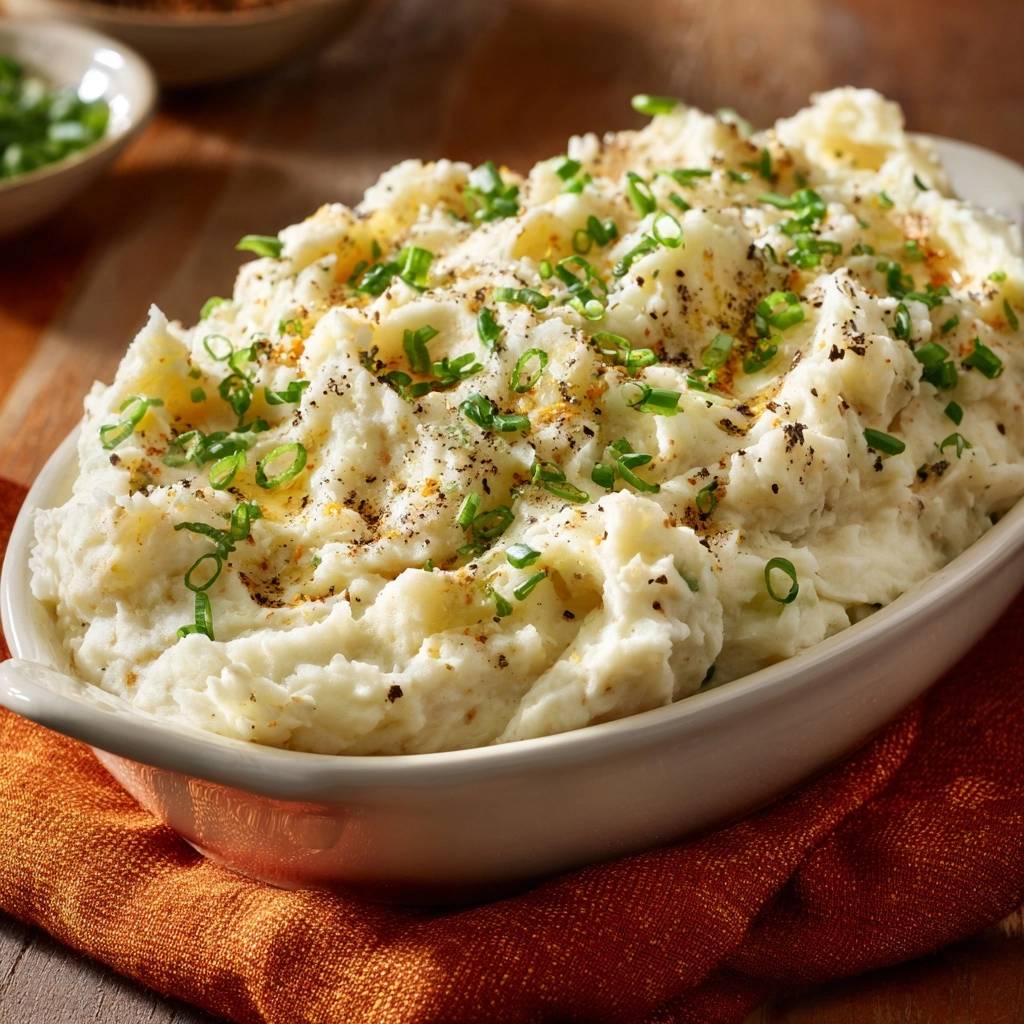
Nothing ruins a beautiful holiday spread or a cozy weeknight dinner faster than a scoop of gluey, sticky mashed potatoes. You know the kind—they have the consistency of library paste and a heavy, gummy mouthfeel that sticks to the roof of your mouth. It is a common kitchen heartbreak, but achieving that elusive, cloud-like texture is actually a matter of simple science rather than luck.
When you get it right, the result is a velvety, rich masterpiece that feels light and airy on the tongue while carrying the deep, nutty warmth of infused garlic. These aren’t just a side dish; they are the star of the plate, boasting a delicate balance of fat and starch that melts instantly. By mastering a few professional techniques, you can ensure your potatoes are consistently fluffy and luxurious every single time you cook.
The secret to this perfect consistency lies in the “Steam-Dry” method, a trick used in high-end restaurant kitchens to remove excess moisture before the dairy even touches the pot. Most home cooks skip this, leaving the potatoes waterlogged and prone to becoming heavy. If you want to elevate your mash from basic to brilliant, you have to treat the potato starch with the respect it deserves.
For even more garlic goodness, explore fluffy loaded garlic mashed potatoes.
The Science of Starch: Why Potatoes Turn Gummy
To understand why potatoes turn into a sticky mess, we have to look at the biology of the tuber itself. Potatoes are packed with starch granules, specifically amylose and amylopectin. When you boil a potato, these granules swell and soften. However, if you agitate them too much, those granules burst and release their internal starch into the surrounding environment.
Think of these released starches like a natural glue. When you use a high-speed tool like a blender or a food processor, the blades act like tiny scissors that shear the starch molecules apart. This creates a massive release of “glue” that binds the potatoes into a thick, elastic mass. This is why mechanical shearing is the absolute enemy of a fluffy mash.
Instead, the goal is gentle separation. You want to break the potato down into small particles without rupturing every single cell. By using a manual method, you keep the starch contained within the cell walls. This results in a texture that is smooth and creamy rather than stretchy and gummy. Understanding this cellular boundary is the first step toward potato perfection.
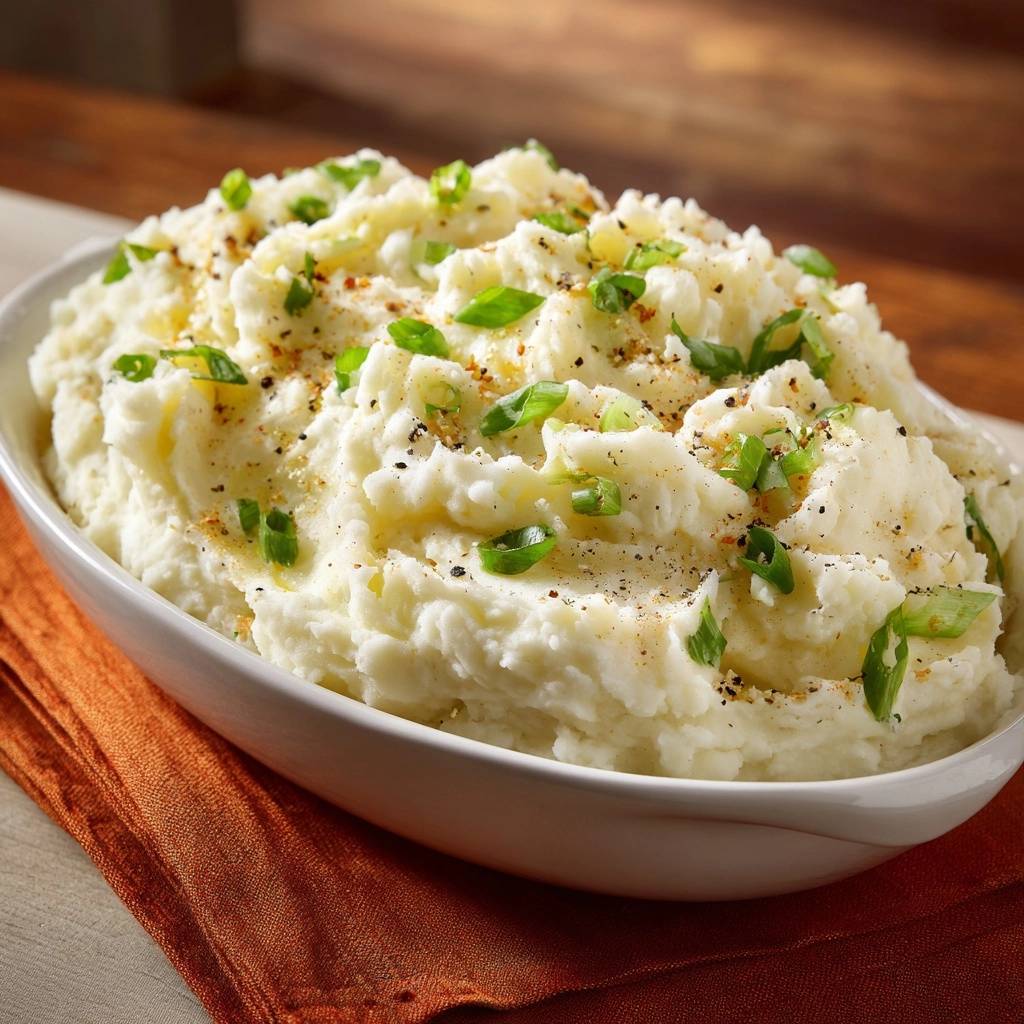
Essential Components for Creamy Garlic Mashed Potatoes
Quality ingredients are the foundation of any great dish, and for mashed potatoes, the variety of potato you choose dictates the final structure. Russet potatoes are high in starch and low in moisture, making them incredibly fluffy when mashed. Yukon Golds, on the other hand, have a naturally buttery flavor and a medium-starch content that provides a creamy, yellow hue.
For the best flavor profile, I recommend using a blend of both or sticking strictly to Yukon Golds for a richer finish. We also use a dual-layer garlic approach. Fresh minced garlic provides a sharp, aromatic punch, while a touch of garlic powder adds a subtle, savory depth that lingers in the background. This creates a more complex flavor than using just one or the other.
Fat is the vehicle for flavor here, so don’t skimp on the quality. Using unsalted butter allows you to control the sodium levels perfectly. High-fat heavy cream is essential because the fat molecules coat the starch, preventing them from sticking together and ensuring that signature velvety finish that milk simply cannot provide.
Choosing the Right Potato Variety
If you want a classic, light-as-air texture, the Russet is your best friend because its starch granules separate easily. However, for this specific creamy garlic recipe, Yukon Golds are the gold standard. They have a naturally creamy texture that requires less heavy lifting from the dairy, and their skin is thin enough that even a small missed piece won’t ruin the mash.
The Role of Temperature in Emulsification
One of the biggest mistakes you can make is adding cold cream and butter to hot potatoes. This causes the temperature of the starch to drop rapidly, which can lead to a grainy or “broken” texture. When you use warmed cream and melted butter, the fats bond more effectively with the hot potato starch, creating a stable, silky emulsion that stays smooth even as it cools.
Required Tools for a Velvety Texture
The “Equipment Gap” is often what separates home cooks from professional chefs. If you are still using a hand mixer or, heaven forbid, a food processor, it is time to put them away. These tools are far too aggressive for the delicate structure of a cooked potato. To get that restaurant-quality finish, a potato ricer is the superior choice.
A ricer works by pushing the potato through tiny holes, creating small “grains” of potato that are perfectly aerated. If you don’t have a ricer, a traditional heavy-duty hand masher works well, though it requires more elbow grease to eliminate lumps. Additionally, using a heavy-bottomed pot, like a Dutch oven, is helpful because it retains heat during the drying and mixing phases.
Step-by-Step: Preparing the Perfect Garlic Mash
Success in the kitchen is all about the details. Following these steps precisely will ensure your potatoes have the perfect structural integrity and flavor balance. It starts with how you treat the potato before it even hits the heat.
Initial Prep and the Cold Water Start
Always start your potatoes in a pot of cold, salted water. If you drop potatoes into already boiling water, the outside will cook and soften long before the heat reaches the center. This leads to unevenly cooked chunks that result in a lumpy mash. Starting cold ensures the entire potato chunk heats up at the same rate.
Don’t be afraid to salt the water generously. This is the only opportunity you have to season the potato from the inside out. As the potatoes boil, they absorb the salted water, which enhances their natural earthy flavor. You want the water to taste like a mild brine for the best results.
The Critical Steam-Drying Technique
Once your potatoes are fork-tender, drain them immediately. But don’t start mashing yet! Return the drained potatoes to the hot, empty pot over low heat for about 60 to 90 seconds. Shake the pot gently as the remaining water evaporates. You will see steam rising and a thin, white starchy film forming on the bottom of the pot.
This step is the “secret weapon” for preventing sogginess. By removing that excess surface moisture, you make room for the potatoes to soak up the butter and cream instead. If the potatoes are full of water, they can’t absorb the fat, which leads to a bland and watery side dish.
Infusing the Garlic Cream Base
While the potatoes are drying, simmer your cream, butter, and garlic in a small saucepan. You aren’t looking for a rolling boil; a gentle simmer for 2 to 3 minutes is plenty. This process mellows the harsh, biting sulfur compounds in the raw garlic, transforming them into a sweet, nutty aromatic.
This infusion ensures that every single bite of the mash has a consistent garlic flavor. It also ensures that the garlic is fully cooked and soft, so you don’t end up with crunchy bits of raw garlic in an otherwise smooth dish. The smell in your kitchen at this stage will be absolutely incredible.
For a different take on potatoes with garlic, explore garlic herb smashed potatoes for a satisfying crunch.
The Gentle Fold: Incorporating the Liquids
After ricing or mashing your potatoes, it is time to bring it all together. Pour the warm garlic cream mixture over the potatoes in stages. Use a wooden spoon or a sturdy spatula to gently fold the liquid into the starch. Think of this like folding egg whites into a cake batter.
Stop the very second the liquid is fully incorporated. You want to avoid any vigorous whipping or stirring. The more you move the potatoes at this stage, the more starch you release, and the closer you get to that gummy texture we are trying to avoid. Keep it gentle, keep it quick, and keep it light.
Troubleshooting Common Mashed Potato Issues
If your potatoes end up too salty, don’t panic. You can fold in a little extra plain mashed potato or a dollop of unsalted sour cream to balance the flavors. If the mash becomes too stiff while sitting on the counter, simply stir in a tablespoon or two of warm milk to loosen the consistency back to its original state.
For potatoes that have lost their heat, never microwave them on high power, as this can make them rubbery. Instead, place them in a heat-proof bowl over a pot of simmering water (a double boiler setup). This gentle indirect heat will warm them through without scorching the dairy or ruining the delicate texture.
Flavor Variations and Ingredient Swaps
Once you master the base recipe, you can get creative with variations. For a deeper, caramelized flavor, try folding in a few cloves of roasted garlic instead of simmering fresh minced garlic in the cream. The roasted cloves provide a jammy sweetness that is truly sophisticated.
If you want an ultra-luxurious finish, swap out a portion of the heavy cream for mascarpone cheese or full-fat Greek yogurt. This adds a subtle tang that cuts through the richness of the butter. You can also experiment with fresh herbs like tarragon or chervil for a bright, French-inspired twist on the classic garlic profile.
Pairing Suggestions for Garlic Mashed Potatoes
These creamy potatoes are the ultimate companion for dishes with plenty of sauce or gravy. They pair beautifully with a slow-braised pot roast or a pan-seared steak. The garlic notes also complement roasted chicken or turkey, making them a staple for any holiday meal.
For a vegetarian option, serve these alongside a hearty mushroom stroganoff or a rich lentil stew. The creaminess of the potatoes provides a perfect structural contrast to the earthy, umami-forward flavors of mushrooms and legumes. They truly are the most versatile side dish in your repertoire.
What else to try?
If you enjoyed these creamy garlic mashed potatoes, consider these other potato-forward dishes.
- For more comforting potato goodness, explore the creamy roasted garlic potato soup, featuring similar flavors in a warming bowl.
- Combine potatoes with seafood in the creamy garlic shrimp and potato bowl for a satisfying meal.
Make-Ahead Strategies and Reheating Instructions
If you are cooking for a crowd, you can make these potatoes up to two hours in advance. Transfer them to a slow cooker set to the “warm” function. To prevent them from drying out, drizzle a little extra melted butter over the top and keep the lid tightly sealed to trap the moisture.
To reheat leftovers the next day, use the stovetop. Place the potatoes in a saucepan over low heat and add a splash of warm milk or cream. Stir gently and frequently until they are heated through. This extra liquid helps restore the original viscosity and prevents the potatoes from becoming clumpy or dry after being in the fridge.
Expert Tips for Professional Presentation
Presentation is the final touch that makes a dish feel special. Instead of smoothing the top of the potatoes flat, use the back of a large spoon to create “peaks and valleys.” These little ridges are perfect for catching pools of melted butter and extra sprinkles of fresh chives.
Finish the dish with a generous crack of coarse ground black pepper. The larger flakes of pepper provide a rustic, high-end look and a nice textural pop. A final drizzle of golden melted butter right before serving ensures that the dish looks just as rich and inviting as it tastes.
Frequently Asked Questions
How should I store leftover mashed potatoes and do they freeze well?
Store your leftovers in an airtight container in the refrigerator for up to 3 to 4 days. While you can freeze mashed potatoes, the texture often changes slightly upon thawing, becoming a bit grainy. If you do freeze them, ensure they have plenty of fat (butter and cream) which helps protect the texture. Thaw them in the fridge overnight and reheat slowly on the stove with an extra splash of cream to bring back the smoothness.
Why did my mashed potatoes turn out gluey even though I followed the steps?
The most common culprit for gluey potatoes is over-processing. If you used a hand mixer, even on a low setting, or stirred them too vigorously after adding the liquid, the starch granules likely burst. Another possibility is that the potatoes were overcooked to the point of falling apart in the water, which allows them to absorb too much moisture before you even get to the mashing stage.
Can I use a different type of dairy if I don’t have heavy cream?
Yes, you can substitute whole milk or half-and-half, but keep in mind the texture will be less rich. If you use a lower-fat dairy, I recommend adding an extra tablespoon of butter to compensate for the loss of fat. Avoid using skim milk, as it is too watery and can make the potatoes look grey and thin rather than white and creamy.
What is the best way to mince garlic so it blends in perfectly?
For this recipe, using a garlic press or a microplane grater is ideal. This creates a very fine paste that distributes evenly throughout the cream and butter mixture. If you are chopping by hand, mince it as finely as possible and then use the side of your knife to smash it into a paste with a pinch of salt. This ensures you don’t have any large, pungent chunks of garlic in your smooth mash.
Can I leave the skins on for this recipe?
While “rustic” mashed potatoes with skins are popular, this specific recipe focuses on a velvety, “no-lump” texture. Leaving the skins on will prevent you from using a potato ricer and will interfere with the silky mouthfeel. If you absolutely love skins, I suggest boiling them separately and folding them in at the very end, but for the best results, peeling is highly recommended.
Is it okay to cut the potatoes into smaller pieces to cook faster?
It is tempting to cut potatoes into small cubes to save time, but this actually works against you. Smaller pieces have more surface area, which means they absorb more water while boiling. This leads to a waterlogged potato that is more likely to become gummy. Stick to 2-inch chunks for the perfect balance of even cooking and moisture control.
Creamy Garlic Mashed Potatoes
Course: Side DishCuisine: AmericanDifficulty: easy6
servings15
minutes20
minutes245
kcal35
MinutesA foolproof recipe for velvety, cloud-like mashed potatoes that avoids common mistakes like over-working the starch. Features a garlic-infused cream mixture and a crucial steam-drying step for the ultimate consistency.
Ingredients
3 pounds Russet or Yukon Gold potatoes, peeled and cut into even 2-inch chunks
1/2 cup unsalted butter, melted
1 cup heavy cream, warmed
4 cloves garlic, minced
1 teaspoon salt (plus more for boiling water)
1 teaspoon coarse ground black pepper
1/4 cup fresh chives, finely sliced
1/2 teaspoon onion powder
1/4 teaspoon garlic powder (for extra depth)
Directions
- Place potato chunks in a large pot and cover with cold water by at least an inch. Add a generous tablespoon of salt to the water. Bring to a boil, then reduce heat and simmer for 15 to 20 minutes until fork-tender but not falling apart.
- Drain the potatoes thoroughly in a colander. To solve the gummy texture problem, return the drained potatoes to the hot, empty pot over low heat for 1 to 2 minutes. Shake the pot gently to let the excess moisture evaporate until a slight film forms on the bottom of the pot. This steam-drying step is crucial for a fluffy result.
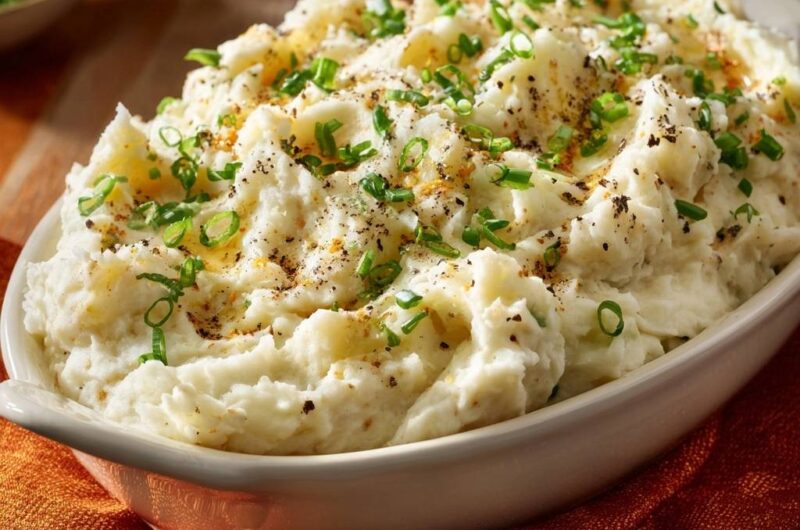
- Use a potato ricer or a hand masher to break down the potatoes while they are still hot. For the specific texture shown in the image, a ricer is preferred to ensure no large lumps remain while keeping the starch intact. Never use a blender or food processor.
- In a small saucepan, simmer the warmed cream, melted butter, minced garlic, onion powder, and garlic powder for 2 to 3 minutes over low heat to infuse the flavors and mellow the raw garlic bite.
- Slowly fold the warm cream mixture into the potatoes using a wooden spoon or spatula. Mix only until just combined. Over-mixing at this stage is what leads to gumminess, so stop as soon as the liquid is absorbed.
- Season with salt and the coarse ground black pepper. Transfer to a serving bowl. Using a spoon, create decorative peaks and valleys as seen in the photo. Top with the fresh sliced chives, an extra sprinkle of coarse pepper, and a final drizzle of melted butter to achieve the golden highlights shown in the image.
Notes
- Use a potato ricer for the best texture and never use a food processor or blender. The steam-drying step is essential to remove excess moisture and ensure a light finish.