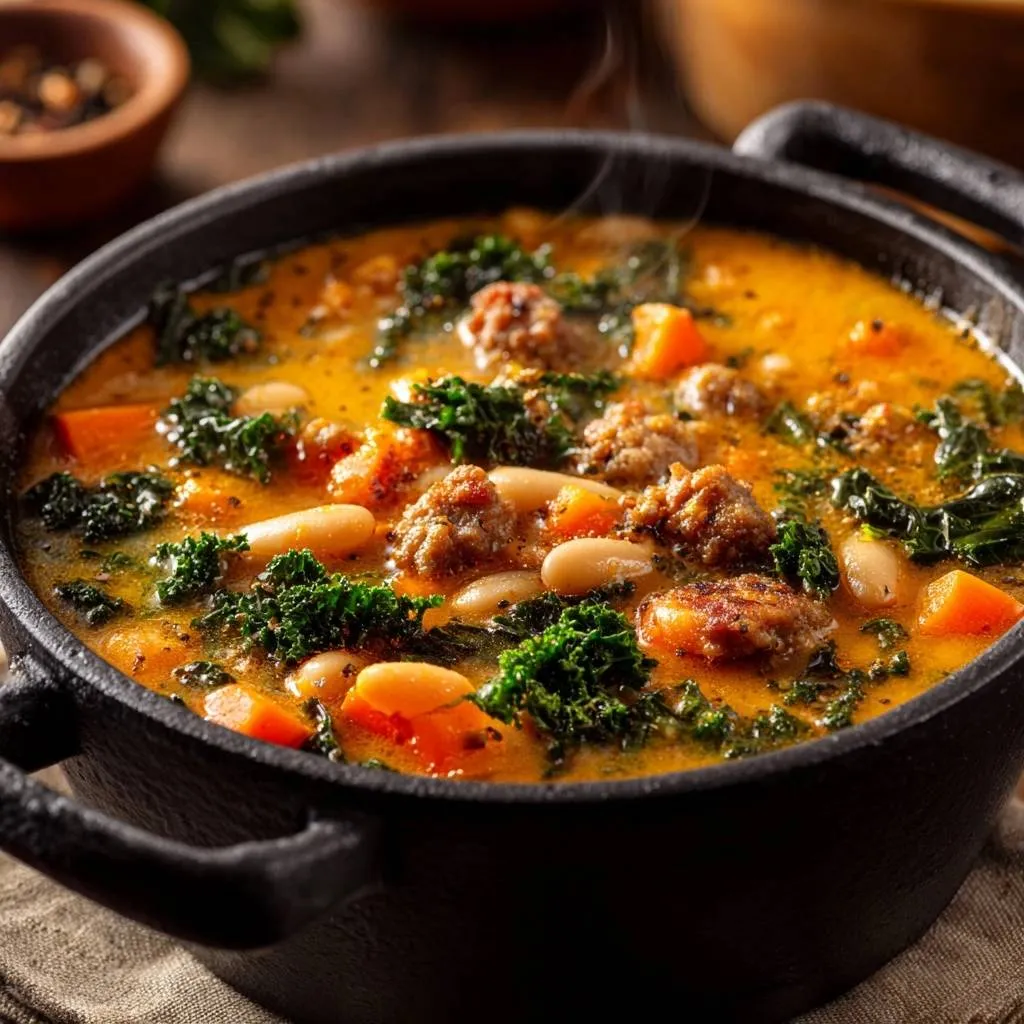
Most bean soups suffer from a common, unappetizing fate: they end up as a thin, gray broth with zero personality. You’ve likely seen them before, where the beans sink to the bottom and the liquid looks more like dishwater than a hearty meal. This recipe completely fixes that by focusing on a vibrant, golden-orange visual goal and a velvety texture that feels like a warm hug in a bowl.
The secret to this transformation lies in the partial-mash technique. Instead of relying on heavy thickeners that can dull the flavor, we harness the natural starches within the beans themselves. By blending a small portion of the beans into a paste, you create a rich base that clings to every ingredient, ensuring your soup is never watery or bland.
I’ve found that the best soups are built on layers of concentrated flavor rather than just boiling ingredients in water. We use a specific combination of toasted tomato paste and a touch of heavy cream to achieve a restaurant-quality finish. This creates a savory, herbaceous, and rich profile that satisfies your cravings without feeling overly heavy or greasy.
Essential Components for the Perfect Broth Base
Choosing the right bean is the first step toward success. While Great Northern beans are fine in a pinch, Cannellini beans are the gold standard for this specific soup. They possess a much creamier interior and a thinner skin, which allows them to break down beautifully when mashed while still holding their shape as whole beans.
Tomato paste is another non-negotiable ingredient, but not for the reason you might think. We aren’t trying to make a tomato sauce; rather, we use it as an umami-boosting agent. When you sauté the paste, it adds a deep, savory backbone and provides that signature golden-orange hue that makes the soup look so inviting.
Finally, always reach for a high-quality chicken broth instead of plain water. Since the liquid makes up the bulk of the dish, starting with a flavorful stock builds immediate depth. If you use water, you’ll spend the whole cooking process trying to “fix” the flavor with extra salt, whereas a good broth provides a complex foundation from the very first simmer.
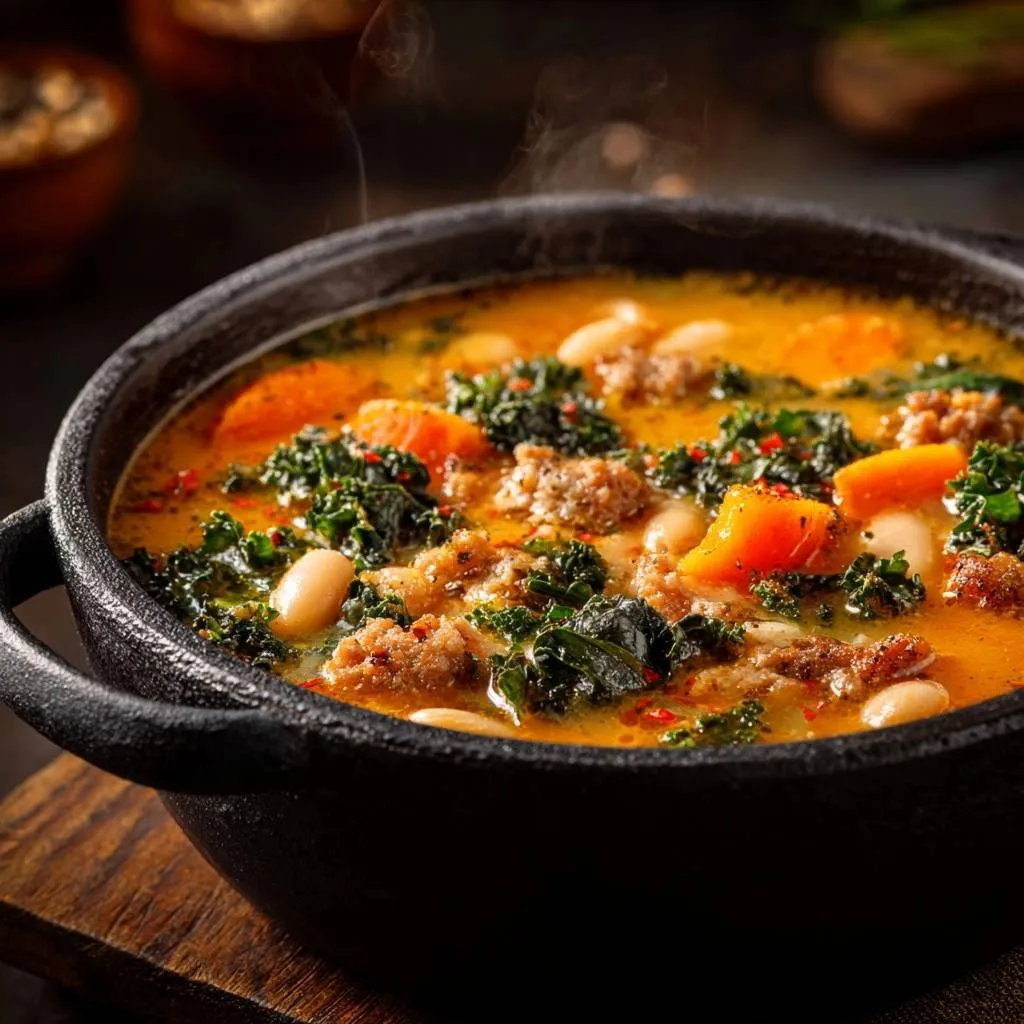
Selecting and Searing the Italian Sausage
The choice between mild or spicy Italian sausage depends entirely on your heat tolerance, but both work beautifully here. Mild sausage allows the oregano and garlic to shine, while spicy sausage adds a pleasant back-of-the-throat warmth that cuts through the creaminess of the beans. Whichever you choose, make sure it’s a high-quality ground meat without added pork.
The real magic happens during the searing process. You want to cook the sausage in small chunks over medium-high heat, resisting the urge to stir them constantly. This patience allows the Maillard reaction to occur, creating a deep, brown crust on the meat that locks in flavor and maintains a firm texture even after simmering.
Once you remove the sausage, you’ll notice brown bits stuck to the bottom of the pot. This is called “fond,” and it is pure flavor gold. Don’t scrape it out! Leave the rendered fat and those tasty bits in the pan so the vegetables can pick them up as they soften, ensuring no flavor goes to waste.
The Role of Aromatics and Hardy Vegetables
Carrots, onions, and garlic form the aromatic heart of this soup. I recommend cutting the carrots into thick half-moons rather than thin coins. This ensures they provide a structural contrast to the soft beans and don’t turn into mush during the simmering process, giving you something substantial to bite into.
Before adding the liquid, you must “bloom” your aromatics. By cooking the minced garlic, dried oregano, and red pepper flakes in the hot sausage fat for a minute or two, you release their fat-soluble flavors. This step makes the herbs taste fresher and more vibrant than if you simply tossed them into the boiling broth later.
The Partial-Mash Technique for Natural Thickening
Many recipes use a flour-based roux or cornstarch to thicken liquids, but that can often lead to a pasty mouthfeel that masks the delicate flavor of the beans. To keep the flavor clean and the texture silky, we use the science of natural starches. Cannellini beans are packed with starch that, when released, acts as a natural emulsifier.
Take exactly one cup of your drained beans and mash them into a thick paste using a fork or a small blender with a splash of broth. When you stir this paste back into the pot, the starches disperse throughout the liquid. This creates a velvety mouthfeel that doesn’t “break” or separate like flour-thickened soups sometimes do.
This technique bridges the gap between a chunky bean soup and a smooth puree. You get the best of both worlds: a rich, opaque broth that feels substantial on the spoon, and plenty of whole, tender beans to provide texture. It’s a simple professional trick that elevates a humble home-cooked meal into something truly special.
For a similar creamy texture, check out this hearty white bean soup.
Step-by-Step: Building the Soup Layers
Phase one begins with the sear. Heat your olive oil until it shimmers, then drop in the sausage. You should hear a loud sizzle immediately. Let the meat get dark and crispy before removing it, leaving that flavorful fat behind to sauté your onions and carrots until they are soft and translucent.
Phase two is all about toasting the tomato paste. Stir it into the vegetables and watch the color shift. It will start as a bright, vibrant red but will eventually turn into a deep brick red. This color change indicates that the sugars have caramelized, removing the raw metallic taste and replacing it with a rich, toasted sweetness.
In phase three, you deglaze the pan with the chicken broth, scraping up every bit of that sausage fond. This is when you incorporate your bean paste and the whole beans. Bring everything to a gentle simmer, which allows the flavors to meld and the carrots to reach that perfect fork-tender consistency.
The final phase is the finishing touch. Only add the heavy cream and the chopped kale at the very end. This preserves the bright green color of the kale and ensures the cream doesn’t curdle from over-boiling. Simmer just until the kale wilts, and you’ll have a soup that looks as fresh as it tastes.
Flavor Variations and Ingredient Swaps
While curly kale is the classic choice for its ruffles that catch the broth, you can easily swap it for Lacinato (Dino) kale. Lacinato has a darker color and a slightly more earthy flavor, which pairs beautifully with the sausage. If you aren’t a fan of kale, baby spinach is a great alternative, though you should stir it in at the very last second.
For another take on sausage and hearty vegetables, check out this hearty sausage kale mushroom soup.
For those looking for a dairy-free experience, you can skip the heavy cream entirely. Simply mash an extra half-cup of beans to increase the creaminess, or use full-fat coconut milk for a subtle tropical undertone. The soup is versatile enough to handle these changes without losing its core identity.
If you want to add even more depth, try dropping a Parmesan rind into the pot while it simmers. The rind slowly releases salt and umami into the broth, giving it a professional, aged flavor. Just remember to fish the rind out before serving! You can also adjust the heat by doubling the red pepper flakes if you like a real kick.
Troubleshooting Common Soup Issues
If you find your soup is too salty, don’t panic. This often happens if your broth was highly seasoned or your sausage was particularly salty. You can balance the salt by adding a small splash of acid, like lemon juice, or by stirring in a little extra heavy cream to mellow out the flavors.
Tough kale is another common complaint. This usually happens when the woody, fibrous stems aren’t fully removed. Make sure you strip the leaves off the stems entirely before chopping. If the leaves still feel a bit firm, let the soup sit for an extra five minutes off the heat with the lid on to steam them further.
If your broth looks like it is separating, it’s likely because the cream was added to a boiling liquid too quickly. To prevent this, you can “temper” the cream by mixing a ladle of hot broth into the cold cream before pouring the whole mixture into the pot. This brings the cream up to temperature gently and ensures a smooth finish.
Optimal Pairings for a Complete Meal
Because this soup is so rich and creamy, you want to pair it with sides that offer high acidity or a satisfying crunch. A sharp arugula salad tossed in a simple lemon vinaigrette is the perfect companion. The peppery greens and citrus dressing cut through the fat of the sausage and cream, refreshing your palate between bites.
More Comforting Bowls
Round out your meal with another warming bowl.
- For a vibrant starter that complements the beans, consider this creamy roasted tomato soup, its bright acidity cuts through richness.
- If you enjoy the creamy texture, you’ll appreciate this creamy roasted butternut squash soup, offering similar warmth with a touch of sweetness.
A crusty sourdough baguette is almost mandatory here. You need something sturdy to soak up every last drop of that golden broth. I recommend warming the bread in the oven so the crust is extra shattered and the inside is soft. Avoid heavy, cheesy sides like grilled cheese, as they can compete with the richness of the soup and make the meal feel too heavy.
Storage, Reheating, and Freezing Protocols
This soup actually tastes better the next day as the flavors have more time to marry. However, be aware that the beans will continue to absorb the liquid as it sits in the fridge. When you go to reheat it, you’ll likely find it has thickened significantly. Simply add a splash of broth or water to loosen it back up to your desired consistency.
If you plan on freezing this meal, there is a specific trick to keep it fresh. It is best to freeze the soup before you add the heavy cream and the kale. Dairy can sometimes take on a grainy texture when thawed, and kale can become overly mushy. Freeze the base, then simply add the cream and fresh greens while you reheat it on the stove.
Store leftovers in an airtight container in the refrigerator for up to four days. When reheating, use the stovetop over medium-low heat rather than the microwave. This ensures the sausage heats through evenly and the cream doesn’t separate from the sudden high heat of a microwave.
Expert Tips for Professional Results
One of the biggest secrets in professional kitchens is the “Resting Period.” Once your soup is finished, take it off the heat and let it sit, covered, for about 10 minutes before serving. This short break allows the temperature to stabilize and the flavors to fully settle, resulting in a much more cohesive taste.
For a final touch of elegance, garnish each bowl with a tiny drizzle of high-quality extra virgin olive oil and a fresh crack of black pepper. The raw oil adds a grassy, fresh note that contrasts beautifully with the cooked flavors of the broth. It’s a small detail that makes a massive difference in the final presentation.
Frequently Asked Questions
How do I store leftovers and does this freeze well?
Store the soup in an airtight container in the fridge for up to 4 days. It freezes well for up to 3 months, but for the best texture, freeze it before adding the heavy cream and kale. When you thaw and reheat it, add the cream and fresh kale at the very end to keep the colors bright and the texture smooth.
Why is my soup broth thin and watery?
This usually happens if you skip the partial-mash step. The starches in the Cannellini beans are the primary thickener for this recipe. If it’s already finished and too thin, take a ladle of the beans out, mash them thoroughly, and stir them back in. Also, ensure you simmer the soup long enough for the liquid to reduce slightly and thicken.
Can I use dried beans instead of canned?
Yes, you can use dried Cannellini beans, but you must soak and cook them until tender before starting this recipe. Use about 3 to 4 cups of cooked beans to replace the two 15-ounce cans. Note that dried beans often absorb more liquid, so you may need an extra cup of chicken broth to maintain the right consistency.
What can I use instead of heavy cream?
If you want to avoid heavy cream, you can use half-and-half for a lighter version, though it won’t be quite as silky. For a dairy-free option, full-fat coconut milk works well, or you can simply mash an additional half-cup of beans into a paste to provide extra body without any dairy at all.
My kale is very bitter, how can I fix it?
Kale bitterness is often neutralized by salt and fat, both of which are present in this soup. However, if it still tastes too sharp, a tiny squeeze of lemon juice or a teaspoon of apple cider vinegar added at the very end can balance the bitterness. Also, ensure you are using fresh kale and have removed all the tough, bitter stems.
Can I use a different type of sausage?
Absolutely. While Italian sausage is traditional for its fennel and garlic notes, you can use chicken or turkey sausage as long as it is ground. Just ensure you sear it well to develop flavor. If using a pre-cooked link sausage, slice it into rounds and brown them in the oil to get that essential Maillard reaction on the surface.
Sausage and White Bean Soup
Course: Main CourseCuisine: AmericanDifficulty: easy6
servings15
minutes30
minutes460
kcal45
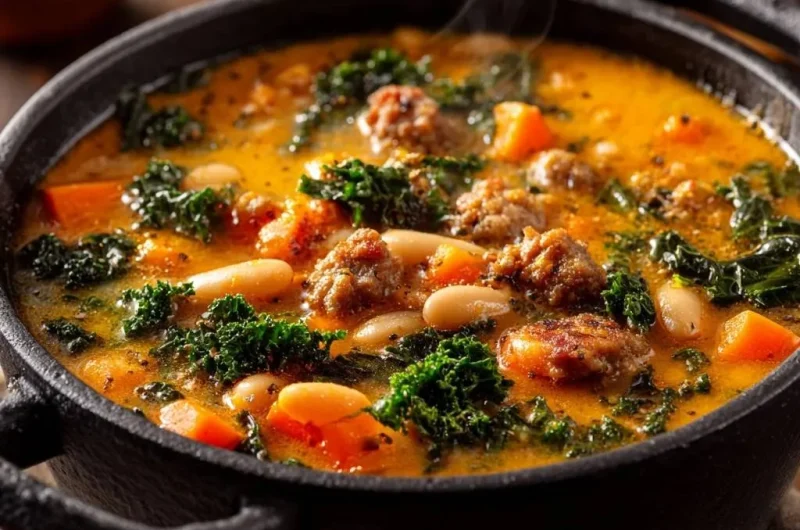
MinutesThis soup avoids the common pitfall of thin broth by using a partial-mash technique with Cannellini beans and a touch of heavy cream. Combined with seared Italian sausage and a concentrated tomato paste base, it delivers a vibrant, flavorful, and hearty texture.
Ingredients
1 pound ground Italian sausage (mild or spicy)
2 cans (15 oz each) Cannellini beans, rinsed and drained
1 large bunch curly kale, stems removed and chopped
2 large carrots, cut into thick half-moons
1 yellow onion, finely diced
4 cloves garlic, minced
2 tablespoons tomato paste (essential for the golden-orange color)
5 cups chicken broth
1/2 cup heavy cream
1 teaspoon dried oregano
1/2 teaspoon red pepper flakes
2 tablespoons olive oil
Salt and black pepper to taste
Directions
- Heat olive oil in a large heavy pot or Dutch oven over medium-high heat. Add the sausage in small chunks. Brown them thoroughly without over-stirring to get a deep sear. Use a slotted spoon to remove the sausage and set aside, leaving the rendered fat in the pot.
- Add the carrots and onion to the pot. Sauté for 5 to 6 minutes until the onions are translucent and carrots begin to soften. Stir in the garlic, tomato paste, oregano, and red pepper flakes. Cook for 2 minutes, stirring constantly, until the tomato paste turns a deep brick red and smells toasted.
- Pour in the chicken broth. To achieve the thick, opaque texture seen in the image, take 1 cup of the drained beans and mash them into a paste (or pulse in a small blender with a splash of broth) before adding them to the pot along with the remaining whole beans.
- Bring the liquid to a simmer. Return the seared sausage to the pot. Reduce heat to medium-low and simmer for 12-15 minutes to allow the carrots to tenderize and the flavors to meld. Cook until no pink remains and it reaches 160°F (71°C).
- Stir in the heavy cream and the chopped kale. Simmer for an additional 3 to 5 minutes until the kale is wilted and bright green, and the broth has thickened into a rich, golden-orange cream.
- Season generously with salt and pepper. Serve hot in deep bowls, ensuring each serving has plenty of whole beans, seared sausage, and the signature creamy broth.
Notes
- To achieve the signature thick texture, mash one cup of the beans into a paste before adding them to the broth. Ensure the tomato paste is toasted until deep red for maximum color and flavor.