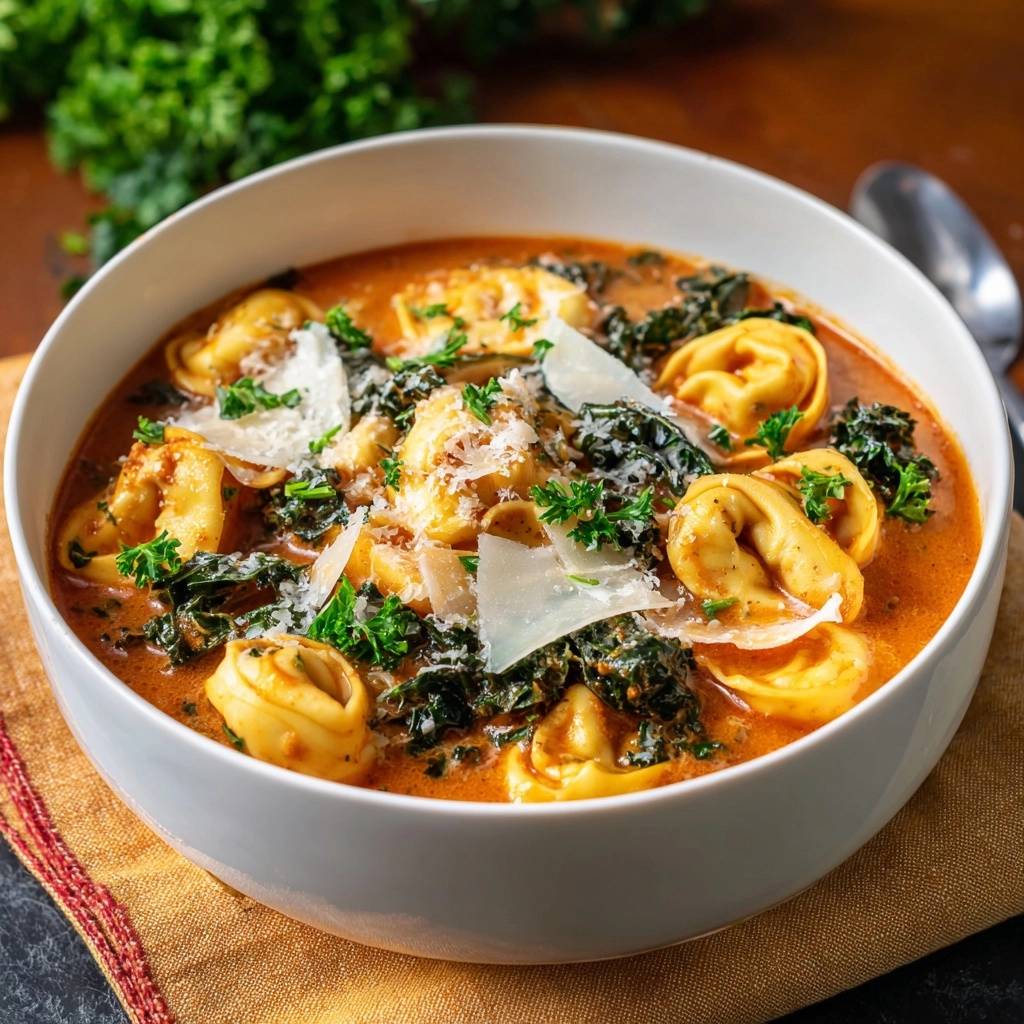
We have all been there. You sit down to a beautiful bowl of tortellini soup, only to find the pasta has bloated into giant, waterlogged sponges that fall apart at the touch of a spoon. It is a heartbreaking end to what should be a comforting meal. However, achieving that perfect balance of a velvety, rich broth and firm, al dente pasta is actually a matter of simple kitchen physics rather than luck.
The secret lies in understanding that tortellini is essentially a tiny flour-based vessel that never stops drinking. If you boil it like standard pasta, it will continue to hydrate in the hot soup until it loses all structural integrity. By mastering a few specific timing techniques, you can create a restaurant-quality bowl where the pasta maintains a satisfying bite against a luxurious tomato base.
I have found that the most successful soups rely on a “staged” cooking process. Instead of throwing everything into a pot and hoping for the best, we build layers of flavor first and introduce the delicate pasta only at the final moment. This ensures the broth is deeply seasoned and the cream is perfectly emulsified before the tortellini even touches the liquid.
For another quick and satisfying meal, check out this skillet beef tortellini.
The Anatomy of a Non-Gummy Tortellini Soup
To avoid a gummy mess, you must understand the difference between refrigerated and dried pasta. Refrigerated tortellini, which we use here, has a higher moisture content and a much more delicate dough. Because it is fresh, it releases starch into the liquid almost immediately. While some starch helps thicken the soup, too much creates a heavy, glue-like texture that coats the tongue unpleasantly.
The science of starch absorption tells us that pasta will continue to pull liquid into its center as long as the environment is hot. Therefore, we treat the soup base as a finished product before the pasta enters the equation. This recipe targets a 410-calorie-per-serving balance, providing enough richness from the heavy cream to feel indulgent without the broth becoming so thick that it masks the flavor of the tomatoes.
By controlling the cook time to the second, you prevent the pasta from reaching its “saturation point.” This results in a soup where the broth remains a distinct, pourable liquid and the tortellini stays intact. It is the difference between a refined Italian-inspired bisque and a heavy, overcooked stew.
Essential Components for a Rich Tomato Base
Quality ingredients are the foundation of any simple soup. I always recommend using a low-sodium vegetable or chicken broth. This gives you total control over the salt levels, which is vital because the parmesan cheese and the tortellini filling already contain significant sodium. If you start with a full-sodium broth, the final reduction can often taste unpleasantly salty.
Tomato paste acts as our primary flavor concentrator and natural thickener. Rather than relying on a flour roux, which can make the soup taste “pasty,” we use the concentrated sugars and pectins in the tomato paste to provide body. When combined with crushed tomatoes, it creates a textured, rustic base that feels substantial but fresh.
Your choice of greens also matters. Lacinato kale (also known as dinosaur kale) is my preferred choice because its leaves are flatter and more tender than curly kale. However, curly kale works beautifully if you prefer a bit more “loft” and texture in your bowl. Both varieties hold up much better than spinach, which can turn slimy if left in the hot broth for more than a minute.
Aromatics and the Maillard Reaction
We begin by sautéing finely diced onions in olive oil until they are translucent and soft. You want to avoid browning them here; the goal is sweetness, not the bitter notes of charred onions. This gentle sweating process releases the natural sugars that balance the acidity of the tomatoes later on.
Once the onions are soft, we “bloom” the garlic, dried oregano, and red pepper flakes in the warm oil. This is a crucial step because the flavorful compounds in dried herbs are fat-soluble. By toasting them for a minute with the tomato paste, you wake up those dormant oils, resulting in a much more fragrant and complex soup than if you simply stirred them into the liquid broth.
Choosing the Right Tortellini
For this specific 20-minute method, refrigerated cheese tortellini is the gold standard. Frozen tortellini can work, but it often drops the temperature of your soup too quickly, throwing off your timing. Shelf-stable, dried tortellini is generally too tough and takes too long to cook, often requiring 10 to 12 minutes, which can cause your delicate tomato base to over-reduce and become salty.
Step-by-Step: Building the Velvety Soup Base
The first 15 minutes of this recipe are all about building a foundation. After sautéing your aromatics, you will stir in the tomato paste. Watch for a visual cue: the paste should turn from a bright, raw red to a deeper, brick-like color. This indicates the sugars are caramelizing, which adds a savory “umami” depth to the soup.
After adding the broth and crushed tomatoes, let the mixture simmer uncovered. This is not just about heating the liquid; it is about evaporation. As the water content slightly decreases, the flavors of the oregano and garlic become more concentrated. You will notice the broth changing from a thin, watery consistency to a slightly syrupy, rich base that coats the back of a spoon.
Before moving to the pasta, ensure your kale is prepped and ready. Adding the kale just before the pasta allows it to soften slightly while maintaining its vibrant green color. If you add it too early, it will turn a dull olive drab, which is far less appetizing in a bright tomato soup.
The Precision Timing Method for Al Dente Pasta
This is the most important part of the entire process. I call it the “Minus-Two Rule.” Look at the cooking instructions on your package of tortellini. If it says to boil for seven minutes, you are only going to cook it in the soup for five. This is because of a phenomenon known as carry-over cooking.
Even after you turn off the stove, the internal temperature of the soup remains near 200 degrees Fahrenheit for several minutes. During the time it takes you to ladle the soup into bowls and bring them to the table, the pasta continues to soften. By pulling the pot off the heat two minutes early, you allow that residual heat to finish the job perfectly.
If you cook the pasta for the full recommended time on the stove, it will be overdone by the time the first person takes a bite. Always set a timer. In the world of tortellini soup, sixty seconds can be the difference between a masterpiece and a mushy mess. Trust the process and the residual heat.
Incorporating Dairy Without Curdling or Breaking
Adding heavy cream to an acidic tomato base can be tricky. If the soup is boiling rapidly when the cream hits the pot, the proteins in the dairy can denature and clump, resulting in a “broken” or grainy sauce. To prevent this, always turn your heat down to the lowest possible setting before introducing the dairy.
Slowly pour the heavy cream into the center of the pot while stirring gently. You will see the soup transform from a deep red to a beautiful, vibrant orange. This gradual incorporation allows the fat molecules in the cream to emulsify with the tomato liquid, creating a smooth, velvety mouthfeel.
If you appreciate the creamy texture here, you’ll enjoy our creamy sausage soup.
The fat in the heavy cream also serves a functional purpose: it mellows the sharp acidity of the canned tomatoes. This creates a more balanced flavor profile that feels sophisticated. Once the cream is in, never let the soup return to a hard boil, as this is the most common cause of curdling.
Troubleshooting Common Creamy Soup Failures
If you find your soup is a bit thinner than you’d like, do not reach for a cornstarch slurry. Instead, stir in an extra handful of finely grated parmesan cheese. The cheese will melt into the broth, providing both thickness and a salty, savory punch. Conversely, if the soup looks too thick, simply whisk in a splash of extra broth or water to loosen it up.
If the soup tastes a bit flat or “tinny” from the canned tomatoes, a tiny pinch of sugar or a teaspoon of balsamic vinegar can work wonders. The sugar counteracts the acidity, while the vinegar adds a bright top note that wakes up the heavier cream flavors. Always taste your broth one last time before serving to ensure the salt and pepper are perfectly balanced.
For those who accidentally over-salt the base, adding a bit more heavy cream or a splash of water can help. However, the best defense is using low-sodium broth from the start. Remember, you can always add salt at the end, but you cannot take it out once it is in the pot.
Flavor Variations and Dietary Adjustments
While this recipe is fantastic as written, it is also very adaptable. If you aren’t a fan of kale, baby spinach is a great alternative. Just remember that spinach wilts in seconds, so stir it in at the very end when you add the cream. For a heartier meal, you can add shredded rotisserie chicken or a can of rinsed cannellini beans during the simmering stage.
To make this dish dairy-free, you can substitute the heavy cream with full-fat canned coconut milk or a homemade cashew cream. Cashew cream is particularly effective because it has a neutral flavor and a high fat content that mimics dairy very closely. Use a vegan parmesan alternative or a tablespoon of nutritional yeast to maintain that savory, cheesy element.
If you want more heat, increase the red pepper flakes to a full teaspoon. This creates a “diavolo” style creamy soup that is especially warming on cold winter nights. You can also swap the cheese tortellini for mushroom or spinach-filled varieties to change the flavor profile without altering the cooking method.
Optimal Pairings for a Complete Meal
Because this soup is rich and creamy, it pairs best with textures that offer a crisp contrast. A thick slice of toasted sourdough or a crusty baguette is essential for mopping up the last bits of the tomato broth. The acidity of the sourdough specifically complements the creaminess of the soup.
Round Out Your Meal
To complement your creamy tomato tortellini soup, consider these fresh and vibrant dishes.
- For a refreshing contrast with shared crisp textures, try the Harvest Kale and Apple Salad.
- If you enjoy the combination of fruit and greens, the Harvest Apple and Walnut Salad offers delightful crunch.
A bitter green salad, such as radicchio or arugula tossed in a simple lemon vinaigrette, provides a necessary palate cleanser. The sharpness of the greens cuts through the fat of the heavy cream and cheese, making the whole meal feel lighter. Avoid heavy, creamy dressings on your side salad, as they will compete with the soup.
Roasted vegetables also make a great side. Try balsamic-glazed Brussels sprouts or roasted carrots. The earthy, caramelized flavors of roasted veggies harmonize beautifully with the dried oregano and garlic notes in the soup base, creating a well-rounded dinner experience.
Storage and Reheating: Preserving Pasta Texture
Storing tortellini soup is notoriously difficult because the pasta will continue to absorb liquid in the fridge. By the next morning, you will likely have a thick porridge rather than a soup. If you know you will have leftovers, the best “pro tip” is to strain the pasta out of the liquid and store them in separate airtight containers.
When you are ready to eat again, heat the broth on the stove until it is simmering, then drop the cold pasta back in for just a minute to warm through. This prevents the tortellini from spending hours soaking in moisture. If you have already mixed them, be prepared to add a splash of broth or water when reheating to restore the soup’s consistency.
I do not recommend freezing this soup once the pasta and cream have been added. Dairy often separates and becomes grainy when thawed, and the tortellini will lose all its texture, becoming mushy and unappealing. This is a dish that is truly at its peak when enjoyed fresh from the pot.
Expert Tips for Restaurant-Quality Presentation
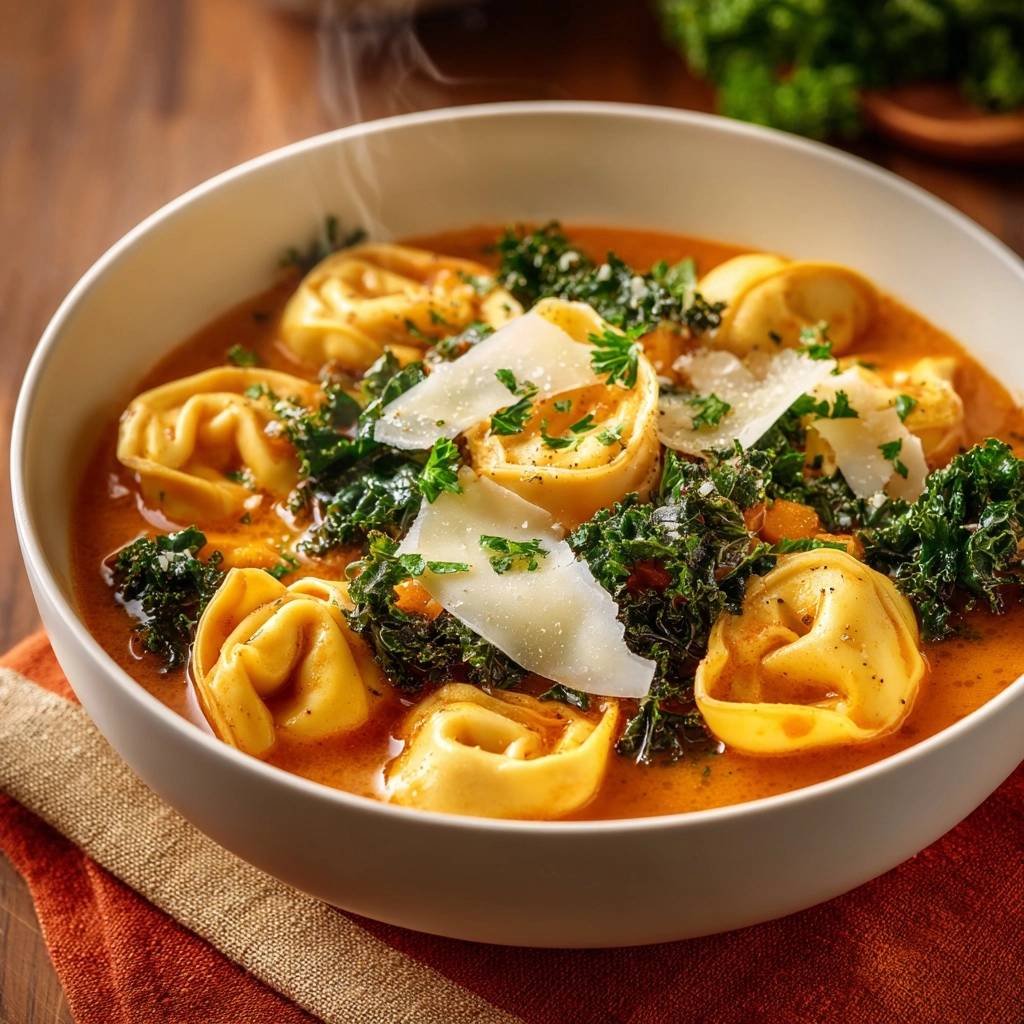
Presentation is the final step in mastering this dish. When plating, use wide, shallow bowls rather than deep mugs. This allows the tortellini to spread out in a single layer, which helps dissipate heat more evenly and prevents the pasta at the bottom from overcooking. It also makes the beautiful orange-red color of the broth more visible.
The garnish is not just for looks. Shaved parmesan cheese provides a different texture than the melted cheese inside the pasta, offering little salty “pops” of flavor. Use a vegetable peeler to get those long, elegant curls of cheese. It looks much more professional than standard grated cheese from a shaker.
Finally, add the fresh parsley at the very last second. Parsley is sensitive to heat; if it sits in the hot soup for too long, it will wilt and lose its bright, peppery bite. The flash of green against the orange broth makes the dish look vibrant and fresh. Serve it immediately while the steam is still rising for the best experience.
Temperature Control and Serving Vessels
If you want to go the extra mile, warm your bowls in a low oven or by rinsing them with hot water before serving. A cold bowl will suck the heat out of the soup instantly, which can cause the fat in the cream to tighten up. A warm vessel ensures the soup stays at the perfect eating temperature from the first spoonful to the last.
Frequently Asked Questions
Can I use frozen tortellini instead of refrigerated?
Yes, you can use frozen tortellini, but you will need to adjust your timing. Frozen pasta will lower the temperature of the broth significantly. Wait for the soup to return to a gentle simmer before you start your timer, and still follow the “Minus-Two Rule” based on the package’s boiling instructions.
Why is my soup orange instead of deep red?
The orange hue is a natural result of mixing white heavy cream with red tomato broth. This is perfectly normal and indicates a well-emulsified soup. If you want a redder soup, you can reduce the amount of heavy cream, though the texture will be less velvety and more acidic.
How do I fix a broken or curdled cream sauce?
If your soup looks grainy after adding the cream, it usually means the heat was too high. You can sometimes fix this by taking the pot off the heat and whisking in a small splash of cold heavy cream or using an immersion blender for a few seconds. However, be careful with the blender as it will chop up your kale and pasta.
Can I make this in a slow cooker?
I do not recommend making the entire dish in a slow cooker. While you can cook the tomato base in a crockpot, adding the tortellini for a long period will result in a gummy, disintegrated mess. If you must use a slow cooker, only add the pasta and cream during the last 15 to 20 minutes of cooking on the “high” setting.
What is the best substitute for heavy cream?
Half-and-half is the closest substitute, though the soup will be slightly thinner. If you want to keep it rich without heavy cream, you can blend a portion of the tomato and broth base with a half-cup of whole milk before adding it back to the pot. For a dairy-free option, full-fat canned coconut milk provides the best creamy texture.
Why is my kale still tough?
If the kale feels too fibrous, it likely didn’t simmer long enough or the stems weren’t fully removed. Make sure to strip the leaves away from the woody center stem before chopping. If you prefer very soft greens, add the kale five minutes before the pasta to give it extra time to break down in the acidic broth.
Creamy Tomato Tortellini Soup
Course: Main CourseCuisine: AmericanDifficulty: easy4
servings10
minutes20
minutes410
kcal30
MinutesThis recipe solves the common problem of mushy pasta in soup by using a precise simmering method. It combines a savory tomato base with heavy cream, fresh kale, and cheese tortellini for a comforting and structured meal.
Ingredients
1 tablespoon olive oil
1 small yellow onion, finely diced
3 cloves garlic, minced
1 tablespoon tomato paste
1 teaspoon dried oregano
1/2 teaspoon red pepper flakes (optional, for depth)
4 cups low-sodium vegetable or chicken broth
1 can (15 oz) crushed tomatoes
1 bunch lacinato or curly kale, stems removed and leaves chopped
1 package (10 oz) refrigerated cheese tortellini
1/2 cup heavy cream
1/2 cup shaved parmesan cheese
1/4 cup fresh parsley, finely chopped for garnish
Salt and black pepper to taste
Directions
- Heat olive oil in a large pot or Dutch oven over medium heat. Add the onion and cook until translucent and soft, about 5 minutes.
- Stir in the garlic, tomato paste, oregano, and red pepper flakes. Cook for 1-2 minutes, stirring constantly, until the tomato paste darkens slightly and becomes fragrant.
- Pour in the broth and crushed tomatoes. Bring the mixture to a boil, then reduce heat to low and simmer uncovered for 10 minutes. This allows the base to thicken and the flavors to meld.
- Increase the heat slightly to a gentle simmer. Add the chopped kale to the pot. Stir for 2 minutes until the kale is bright green and softened.
- Add the refrigerated tortellini directly to the simmering broth. Check the package instructions and cook for exactly two minutes less than the recommended “boil” time. This prevents the pasta from over-hydrating and becoming gummy in the hot liquid.
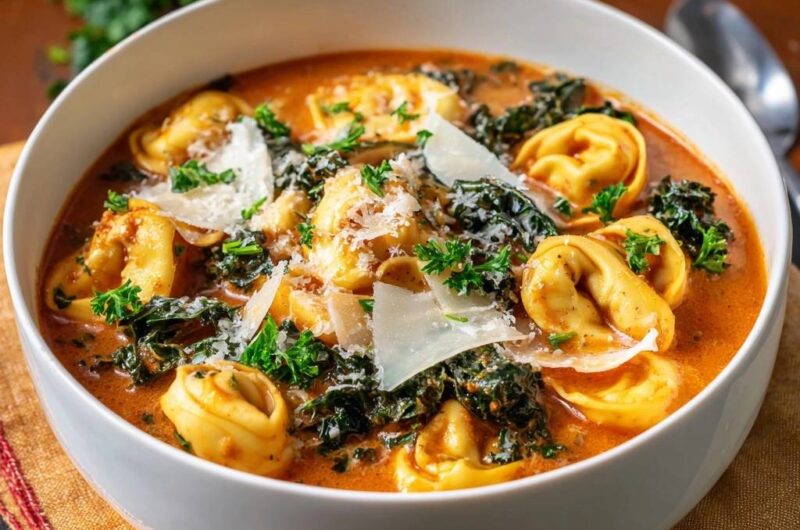
- Reduce heat to the lowest setting. Slowly pour in the heavy cream, stirring gently to incorporate. This gradual temperature shift prevents the cream from curdling and creates the vibrant orange-red hue seen in the image.
- Taste and season with salt and black pepper. Remove from heat immediately. The residual heat of the soup will finish cooking the pasta to a perfect al dente texture during the plating process.
- Ladle into deep bowls. Top with a generous amount of shaved parmesan cheese and a heavy sprinkle of fresh parsley. Serve immediately to ensure the pasta maintains its structural integrity.
Notes
- To prevent the pasta from becoming gummy, cook the tortellini for exactly two minutes less than the package instructions and remove from heat immediately after adding the cream.