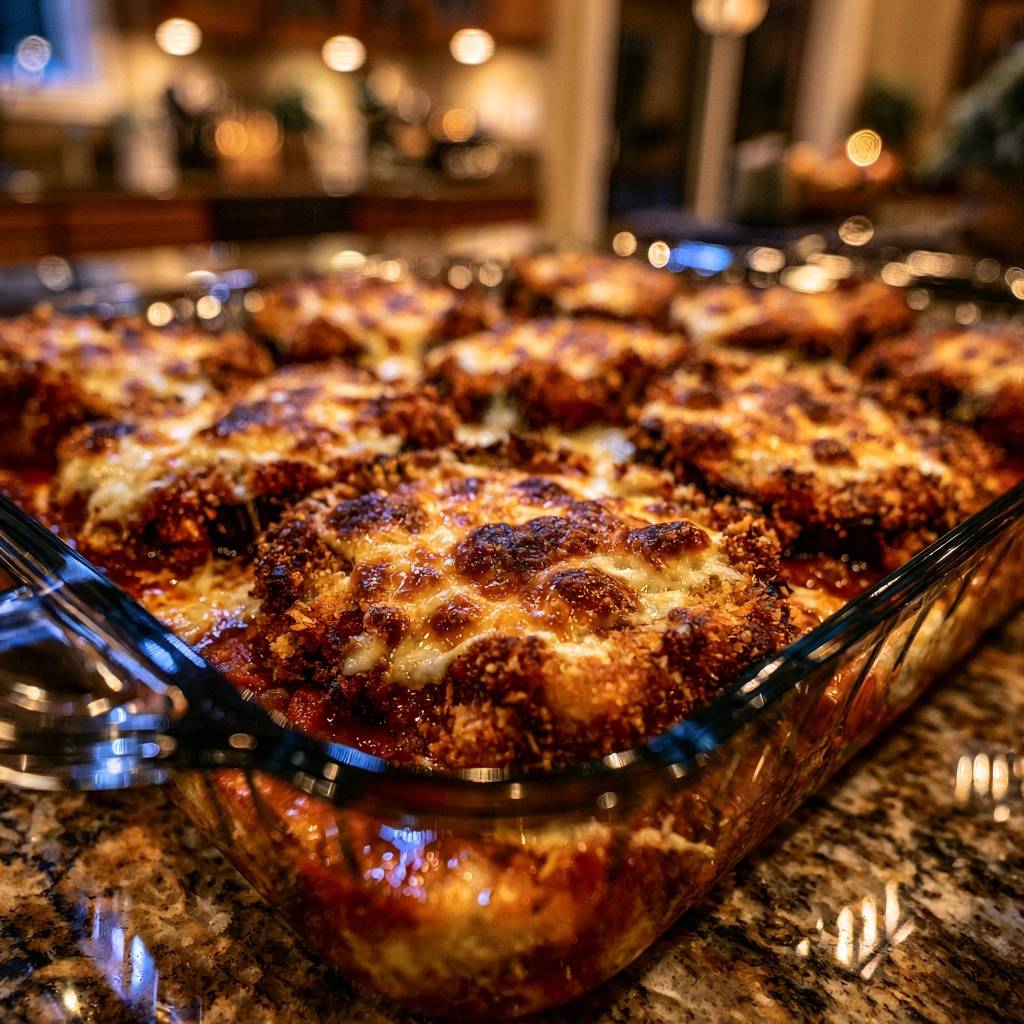
We have all been there: you crave a cheesy, comforting Eggplant Parmesan, but you end up with a mushy, oil-soaked mess. Traditional recipes often call for deep-frying the slices, which turns the eggplant into a literal sponge for grease. This optimized baked method changes the game by focusing on moisture control and structural integrity.
The secret to restaurant-quality results is all in the moisture management. By using a specific salt-sweating technique and a high-heat initial bake, we lock in a crisp exterior that stands up to the sauce. You get that satisfying crunch and rich, melted cheese without the heavy, weighed-down feeling of a fried dish.
I’ve found that the real trick lies in the cooling rack. If you bake these slices directly on a flat sheet, the bottom side steams and gets soggy every single time. Elevating the eggplant allows hot air to circulate entirely around the breading, ensuring a uniform golden-brown finish that stays firm even after you add the marinara.
The Science of Moisture: Why Eggplant Turns Mushy
Eggplant has a unique cellular structure made of parenchyma cells, which are essentially tiny air pockets. When you heat eggplant, these pockets collapse. If the eggplant is submerged in oil, it sucks that fat into the empty spaces like a vacuum. If it is baked without preparation, the water inside those cells turns to steam, trapped under the breading.
This steam is the enemy of a good Eggplant Parmesan. It softens the crust from the inside out, leading to that dreaded “sloughing” where the breading slides right off the vegetable. To get a meaty, substantial texture, we have to physically change the internal structure of the eggplant before it ever touches the oven.
By removing the excess water, we concentrate the flavor and create a denser, more satisfying bite. You aren’t just cooking the vegetable; you are engineering a better foundation for your cheese and sauce. This transformation is what separates a mediocre home meal from a professional-grade dinner.
The Osmosis Effect: Why We Salt the Slices
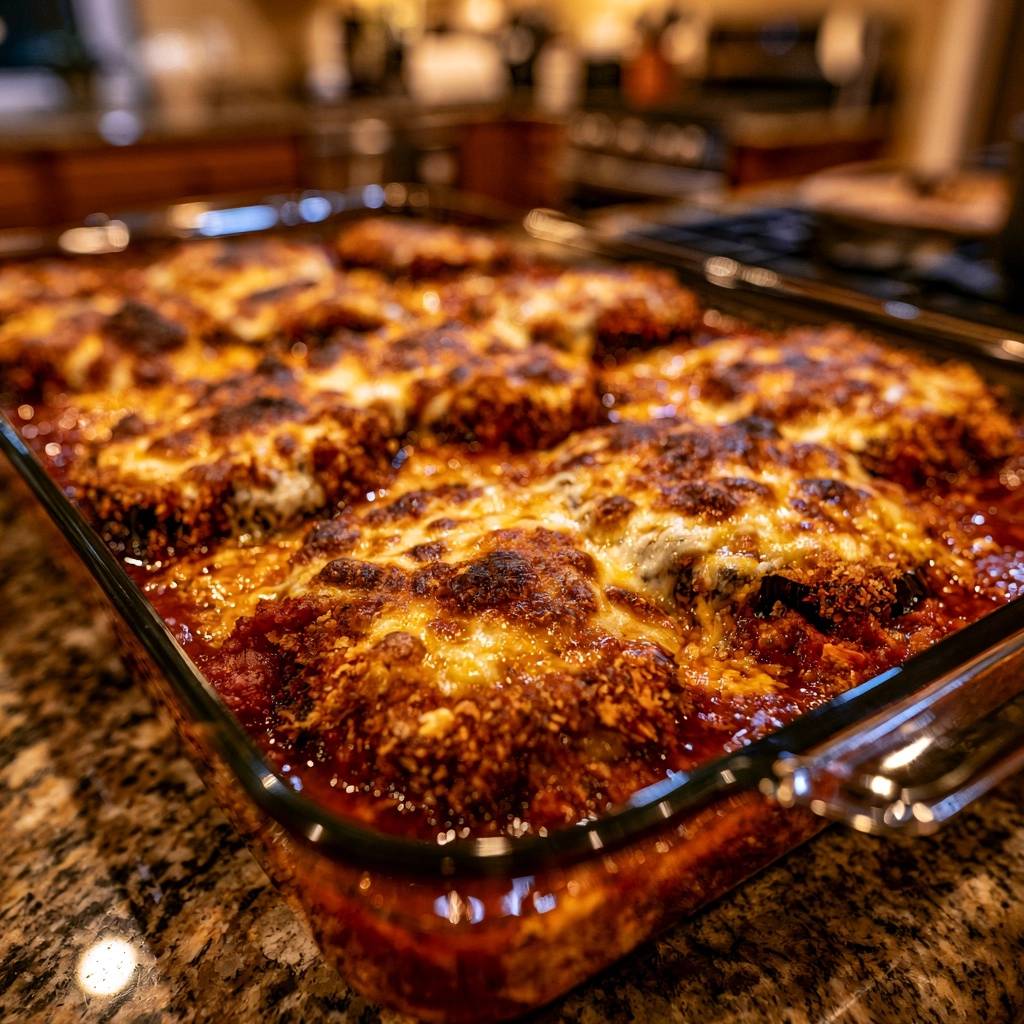
Salting the eggplant slices isn’t just about seasoning; it is a chemical necessity called osmosis. When you sprinkle kosher salt over the surface, it draws the water out of the cells to balance the salt concentration on the outside. You will actually see little beads of “sweat” forming on the surface of the purple rounds.
This process collapses those air pockets I mentioned earlier. Once the water is drawn out and blotted away, the eggplant becomes less porous. This means it won’t absorb an entire bottle of olive oil or turn into a watery puddle in your baking dish. It is the most important twenty minutes of the entire recipe.
Essential Components for Crispy Baked Eggplant Parmesan
Quality ingredients make a massive difference when you aren’t hiding behind a deep fryer. Panko breadcrumbs are non-negotiable here. Unlike standard Italian breadcrumbs, which are fine and sandy, Panko has a larger, jagged surface area. This creates more “nooks and crannies” for the heat to crisp up, resulting in a much louder crunch.
The flour also plays a vital role. Using all-purpose flour creates a dry “primer” for the egg wash to stick to. If you skip the flour, the egg will just slide off the slick surface of the eggplant, and your breading will fail. Think of it as a three-part glue system that builds a protective armor around the vegetable.
Freshly grated Parmesan is another key player. Don’t use the stuff in the green shaker can. Real Parmesan contains less moisture and more protein, which helps the breading brown and develop a nutty, toasted flavor. When mixed with the Panko, it creates a “frico” effect, which is essentially a crispy cheese lace.
Choosing the Right Eggplant: Size and Weight Matters
When you are at the grocery store, look for Globe eggplants that feel heavy for their size but have a slight give when pressed. You want shiny, taut skin and a bright green stem (the calyx). If the stem is brown or shriveled, the eggplant is likely old and will be full of bitter seeds.
Smaller to medium-sized eggplants are generally better than the giant ones. The larger the fruit, the more likely it is to have developed large, tough seeds that can be unpleasant to eat. Aim for eggplants that are uniform in width so your slices cook at the same rate in the oven.
The Cheese Blend: Mozzarella vs. Parmesan Ratios
For the topping, I recommend low-moisture shredded mozzarella rather than the fresh balls stored in water. Fresh mozzarella is delicious, but it releases a lot of liquid when it melts, which can ruin your crispy breading. Low-moisture mozzarella gives you that classic “cheese pull” without the extra puddle.
We use a 2:1 ratio of mozzarella to Parmesan for the topping. The mozzarella provides the gooey, bubbly blanket, while the Parmesan adds a sharp, salty punch. This combination ensures the dish is seasoned all the way through the layers.
Step-by-Step: Preparing the Eggplant for the Oven
After you have sliced your eggplant into half-inch rounds, lay them out on a flat surface lined with paper towels. Sprinkle them generously with kosher salt. Don’t be shy; most of this salt will be wiped away later. Let them sit for at least 20 minutes while you prep your dredging station.
Once the time is up, you must blot the slices bone-dry. Use fresh paper towels and press down firmly on each slice. You want to remove every bit of surface moisture. If the slices are still damp, the flour will turn into a paste rather than a light coating, which leads to a gummy crust.
The Three-Stage Dredging Station Technique
Set up your bowls in a row: flour first, then beaten eggs, then the Panko-Parmesan mixture. Use the “dry hand/wet hand” method to keep your fingers from becoming breaded. Use your left hand for the dry flour and Panko, and your right hand for the wet egg wash.
Press the eggplant firmly into the Panko mixture. Don’t just toss it in; actually use the palm of your hand to push the crumbs into the flesh. This ensures 100% coverage and a thick, even crust that won’t flake off during the baking process.
The Pre-Bake: Creating a Structural Crunch Barrier
This is the step most people skip, and it is why their Eggplant Parm fails. You must bake the breaded slices on a wire rack set over a baking sheet at 425 degrees F. The wire rack is essential because it allows the hot air to hit the bottom of the slice, crisping it just as well as the top.
Bake them for about 15 to 20 minutes, flipping them halfway through. You are looking for a deep golden-brown color and a firm texture. When you tap the crust with a fork, it should sound hard. This “pre-bake” creates a structural barrier that prevents the marinara sauce from soaking into the breading later.
Assembling the Layers for Maximum Texture Retention
When it comes to assembly, less is more. Start with a very thin layer of sauce on the bottom of your baking dish—just enough to keep things from sticking. Arrange your crispy eggplant slices in a single layer. Do not stack them like pancakes, or the middle layers will become soft.
Instead of drowning the whole dish in sauce, place a targeted spoonful of marinara right in the center of each slice. This leaves the edges of the breading exposed to the dry heat of the oven, preserving that crunch. Top with your cheese blend and get it back into the oven quickly.
Troubleshooting Common Eggplant Texture Issues
If you find your eggplant is still slightly bitter, you can soak the slices in milk for 30 minutes before salting them. The proteins in the milk help neutralize the bitter alkaloids. Just make sure to pat them completely dry before starting the flouring process.
If your breading is falling off, it usually means the eggplant was too wet or you didn’t press the Panko in hard enough. Ensure the flour coating is very thin; shake off any excess before dipping into the egg. If the flour is too thick, it creates a barrier that prevents the egg from actually bonding to the vegetable.
Optimal Equipment for High-Heat Baking
A heavy-duty, rimmed baking sheet is your best friend here. Thin sheets can warp at 425 degrees, leading to uneven cooking. A stainless steel wire cooling rack that fits perfectly inside the sheet is the secret weapon for airflow. Without it, you are just frying the eggplant in its own steam.
For the final assembly, a glass or ceramic 9×13 inch dish works best. Glass conducts heat evenly and allows you to see the sauce bubbling at the bottom. It also retains heat well, keeping the dish warm on the table while you serve everyone.
Flavor Profiles: Customizing Your Marinara and Herbs
Since the eggplant and cheese are quite rich, a bright, acidic marinara sauce is essential. If you are using store-bought sauce, you can wake it up by stirring in a teaspoon of balsamic vinegar or a squeeze of fresh lemon juice. This acidity cuts through the fat and makes the flavors pop.
Fresh basil is a classic addition, but add it at the very end. If you bake fresh basil for 20 minutes, it turns black and bitter. Instead, chiffonade the leaves and sprinkle them over the bubbling cheese the moment the dish comes out of the oven for a hit of fresh, peppery aroma.
What to Serve with Crispy Baked Eggplant Parmesan
Because this version of Eggplant Parmesan is so substantial and crispy, you don’t necessarily need a heavy pile of pasta on the side. A bitter arugula salad with a sharp lemon vinaigrette provides a perfect contrast to the melted mozzarella. The peppery greens help cleanse the palate between bites.
Roasted broccolini or sautéed garlicky spinach are also excellent choices. These sides keep the meal feeling light and vibrant. If you do want a starch, a simple piece of crusty bread is perfect for mopping up any extra marinara sauce left on the plate.
Storage and Reheating: Maintaining the Crunch
Leftover Eggplant Parmesan can be tricky because the sauce eventually softens the breading. Never use a microwave to reheat this dish; it will turn the eggplant into mush. Instead, use a toaster oven or an air fryer at 350 degrees F for about 5 to 8 minutes.
Store leftovers in an airtight container in the refrigerator for up to three days. If you know you will have leftovers, try to keep the sauce and cheese on only the slices you plan to eat immediately. Storing the pre-baked crispy slices separately from the sauce is the best way to preserve the texture.
Freezing Instructions for Batch Cooking
You can freeze this dish, but I recommend freezing the pre-baked slices before the final assembly. Lay the golden-brown, cooled slices on a baking sheet and freeze them until solid. Then, transfer them to a freezer bag. They will stay fresh for up to two months.
When you are ready to eat, you can assemble the dish with sauce and cheese directly from frozen. Just add about 10 to 15 minutes to the final baking time. This ensures the center of the eggplant gets hot without burning the cheese on top.
Expert Tips for a Golden-Brown Finish
For the ultimate restaurant look, use the broiler for the last two minutes of cooking. Move the rack to the top position and watch closely. You want the mozzarella to develop those beautiful dark brown toasted spots, which add a deep, smoky flavor to the cheese.
Finally, let the dish rest for at least five minutes before you dive in. This allows the cheese to set and the juices to redistribute. If you cut into it immediately, the cheese might slide off the eggplant. A little patience ensures every serving looks as good as it tastes.
How do I prevent the eggplant from being bitter?
Bitterness usually comes from older eggplants with large seeds. To fix this, choose smaller, firm eggplants with shiny skin. The salting process (sweating) also helps remove bitter compounds along with the excess moisture. If you are very sensitive to bitterness, soak the slices in milk for 30 minutes before breading them.
Can I use regular breadcrumbs instead of Panko?
You can, but the texture will be significantly different. Regular breadcrumbs are much finer and tend to absorb moisture faster, which can lead to a softer, soggier crust. Panko is the key to that distinct “crunch” that mimics a fried texture without the actual oil. If you must use regular crumbs, try to find “coarse” style ones.
Why did my breading fall off the eggplant?
This usually happens for two reasons: the eggplant was too wet when you started, or you didn’t use enough flour. The flour acts as a dry base that allows the egg to stick. If the eggplant is damp, the flour turns into a slick paste. Make sure to blot the slices very dry with paper towels after salting and before dredging.
How should I store and reheat leftovers to keep them crispy?
Store leftovers in an airtight container in the fridge for up to 3 days. To reheat, avoid the microwave at all costs as it makes the breading soggy. Use an air fryer or toaster oven at 350°F for 5-10 minutes until the cheese is bubbling and the edges are crisp again.
Can I make this recipe gluten-free?
Yes, this recipe adapts well to gluten-free needs. Substitute the all-purpose flour with a 1:1 gluten-free flour blend and use gluten-free Panko-style breadcrumbs. The salting and pre-baking steps remain exactly the same and are actually even more important for gluten-free breading to ensure it crisps up properly.
Do I have to peel the eggplant?
Peeling is a matter of personal preference. The skin of a Globe eggplant is perfectly edible and helps the slices hold their shape during baking. However, if the eggplant is very large, the skin can sometimes be a bit tough. If you prefer a softer texture, you can peel the eggplant entirely or “stripe” it by removing every other strip of skin.
Crispy Baked Eggplant Parmesan
Course: Main CourseCuisine: Italian-AmericanDifficulty: easy6
servings25
minutes40
minutes65
Minutes385
kcalItalian-American
Ingredients
2 large eggplants, sliced into 1/2 inch rounds
2 teaspoons kosher salt
2 cups Panko breadcrumbs
1 cup grated Parmesan cheese, divided
1 tablespoon Italian seasoning
3 large eggs, beaten
1 cup all-purpose flour
3 cups marinara sauce
2 cups shredded mozzarella cheese
2 tablespoons olive oil
Directions
- The most critical step to prevent sogginess is sweating the eggplant. Lay the slices on paper towels and sprinkle both sides with salt. Let them sit for 20 minutes. You will see beads of water rise to the surface. Blot them completely dry with fresh paper towels. This removes the excess moisture that usually turns the dish into a mushy disaster.
- Preheat your oven to 425 degrees F. Set up a dredging station with three bowls: one with flour, one with beaten eggs, and one with a mixture of Panko, half of the Parmesan, and Italian seasoning.
- Coat each eggplant slice in flour, dip in egg, and press firmly into the Panko mixture. Place the slices on a wire rack set over a baking sheet. Lightly drizzle or spray with olive oil.
- Bake the breaded slices for 15 to 20 minutes, flipping halfway through, until they are golden brown and crisp. This pre-baking step creates a structural barrier that prevents the sauce from soaking into the breading.
- In a 9×13 inch glass baking dish, spread a thin layer of marinara sauce. Arrange the crispy eggplant slices in a single layer. Top each slice with a spoonful of sauce, a generous sprinkle of mozzarella, and the remaining Parmesan.
- Return the dish to the oven for 15 to 20 minutes until the cheese is bubbly and browned in spots. Let it rest for 5 minutes before serving to allow the layers to set perfectly.
Notes
- The salt-sweating step is critical to prevent a mushy texture. Using a wire rack during the initial bake helps air circulate for maximum crispness.