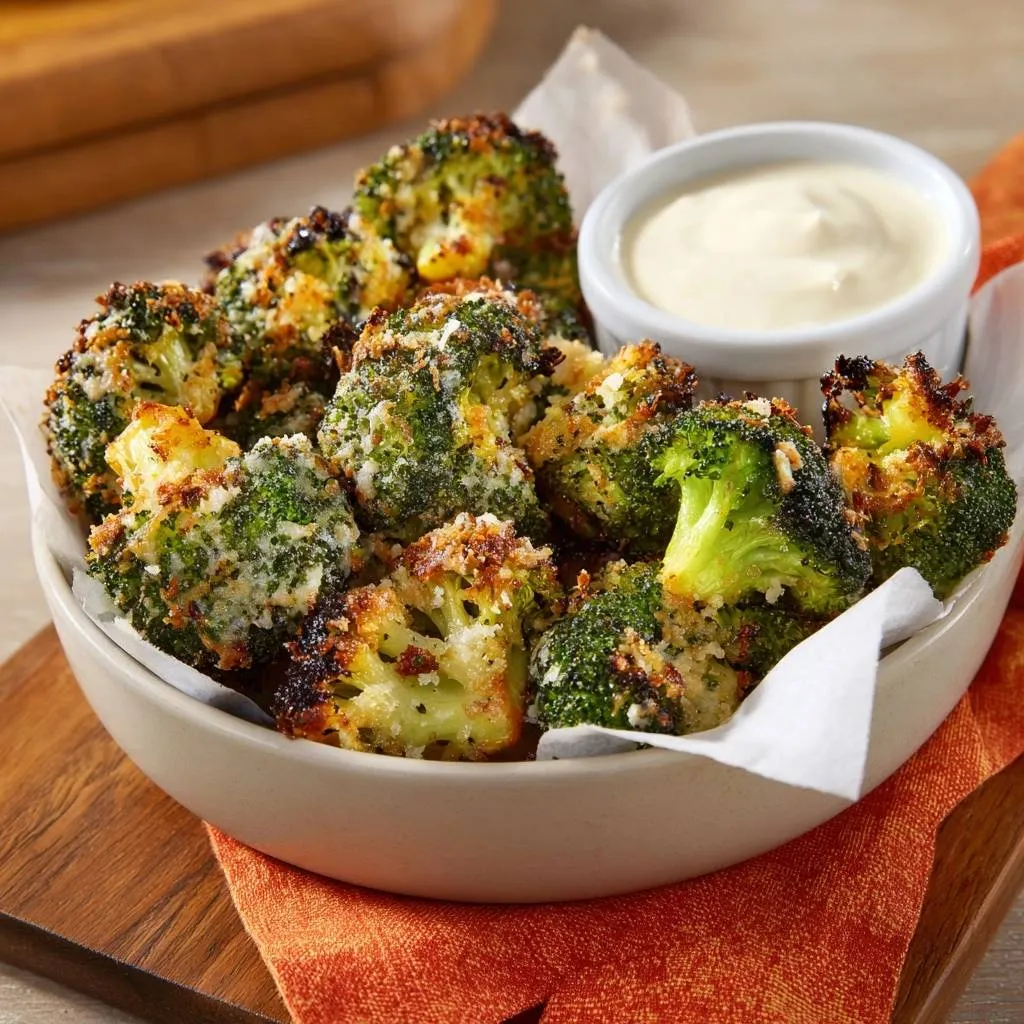
We’ve all been there. You’re craving that perfect, salty, restaurant-style roasted broccoli, but you end up with a pile of limp, mushy green stalks instead. It’s a common kitchen heartbreak known as “Soggy Broccoli Syndrome,” and it usually happens because of trapped steam and low heat.
The secret to fixing this isn’t just about the ingredients; it’s about moisture management and thermal contact. By mastering a few simple techniques, you can transform a humble head of produce into a side dish with a crust that actually shatters when you bite into it. We’re aiming for that deep, nutty char that makes people forget they’re even eating a vegetable.
The real trick to this recipe is the preheated pan. When you toss your florets onto a baking sheet that’s already screaming hot, you initiate an immediate sear. This prevents the broccoli from sitting in its own juices and softening before the outside has a chance to crisp up. It’s the difference between a sad steamed side and a golden-brown masterpiece.
The Physics of the Perfect Crunch
Achieving that addictive crunch relies on the Maillard reaction. This is a chemical reaction between amino acids and reducing sugars that gives browned food its distinctive flavor. When you roast at 425°F, you’re hitting the sweet spot where the natural sugars in the broccoli caramelize without burning the delicate florets too quickly.
High heat is absolutely non-negotiable here. If your oven is too cool, the broccoli will cook through to the center and become mushy before the exterior can brown. You want the heat to be aggressive enough to dehydrate the surface of the vegetable, creating a dry environment where the Parmesan and Panko can fuse into a crispy shell.
Surface area is your best friend in this process. By cutting your broccoli with at least one flat side and placing that side face-down on the hot metal, you maximize the contact point. This “flat-side down” technique ensures that the most surface area possible is exposed to the direct heat of the pan, resulting in a deep, savory crust that covers the entire bottom of the floret.
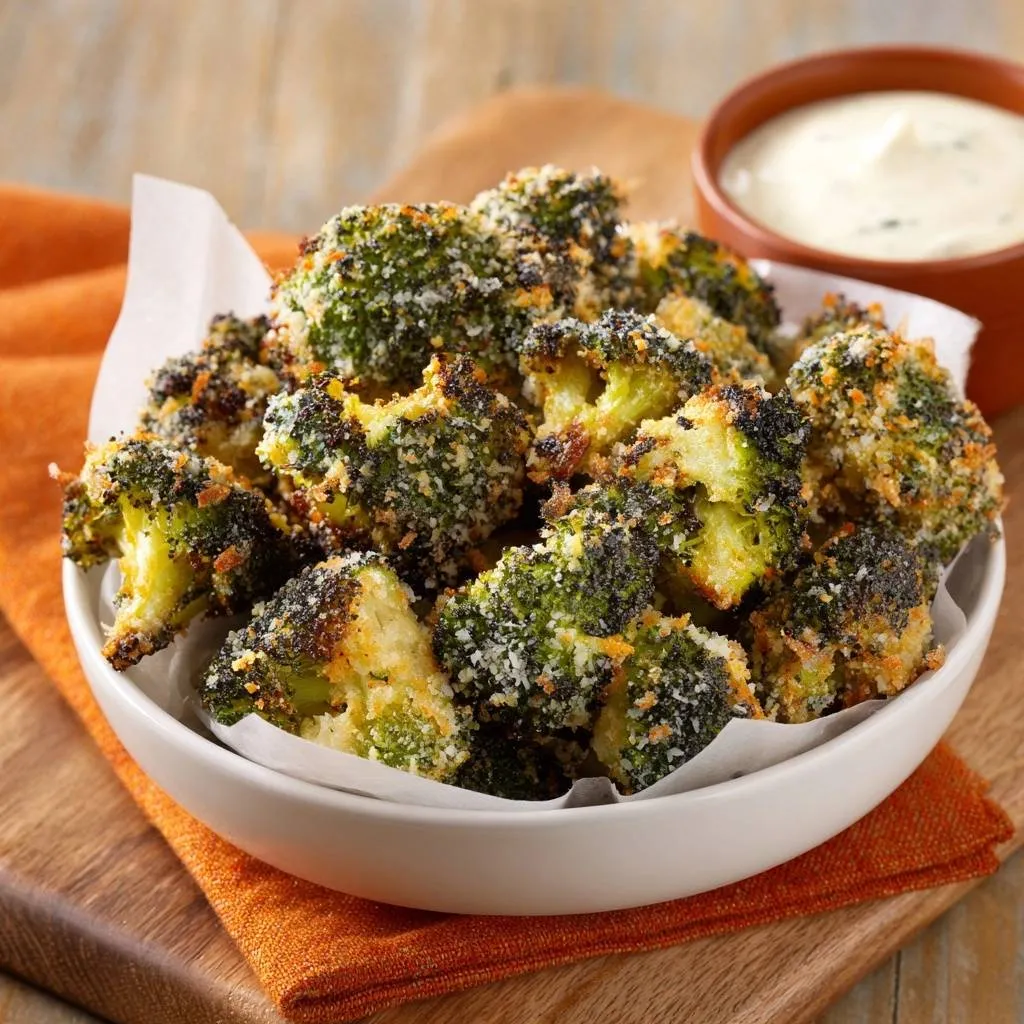
Essential Components for Crispy Parmesan Roasted Broccoli
Quality ingredients make a massive difference when you’re working with such a simple flavor profile. For the cheese, you must use freshly grated Parmesan. The stuff in the green shaker can contains anti-clumping agents like cellulose, which prevents it from melting and bonding to the broccoli. Freshly grated cheese melts into the nooks and crannies, creating a lacy, crispy “frico” as it roasts.
I always reach for Panko breadcrumbs rather than the traditional fine Italian crumbs. Panko is flaky and airy, which provides a much more distinct “shatter” when you take a bite. Because the flakes are larger, they don’t absorb as much oil, staying light and crunchy throughout the roasting process. It’s the secret to that professional, textured finish.
Don’t skimp on the oil, but choose wisely. A high-quality extra virgin olive oil provides the necessary fat to conduct heat and act as a glue for your dry ingredients. It also adds a peppery, fruity depth that complements the salty cheese. Just make sure you coat every single piece so the seasoning has nowhere to go but onto the broccoli.
Selecting and Prepping Your Broccoli Florets
Start with the freshest broccoli you can find. Look for tight, dark green florets without any yellowing or soft spots. When you get them home, follow the “Bite-Sized Rule.” Cut your florets into uniform pieces so they all finish cooking at the exact same time. If you have giant chunks mixed with tiny slivers, the small ones will burn before the big ones are tender.
The most important step in prep is drying. If your broccoli is even slightly damp from washing, that water will turn into steam the second it hits the oven. Steam is the enemy of the roast. I recommend washing your broccoli well in advance and patting it down thoroughly with paper towels until it feels bone-dry to the touch.
The Role of the Lemon Garlic Aioli
While the broccoli is the star, the lemon garlic aioli is the perfect supporting actor. This dip provides a creamy, cooling contrast to the hot, crunchy florets. The sharp acidity of the fresh lemon juice cuts right through the richness of the Parmesan and the olive oil, brightening the entire dish.
The fat in the mayonnaise carries the pungent flavor of the minced garlic, ensuring it coats your palate without being overwhelming. It creates a balanced flavor profile that hits every note: salty, savory, acidic, and creamy. Once you try a floret dipped in this sauce, you’ll never want to eat plain roasted vegetables again.
Step-by-Step: Achieving the Ultimate Sear
To get this right, you need to treat the roasting process like a science experiment. It’s all about the order of operations. If you just throw everything on a tray and hope for the best, you’ll end up with a mess. Follow these three distinct phases to ensure success every single time you cook.
Phase 1: The Preheated Pan Technique
Before you even touch the broccoli, slide your empty baking sheet into the oven and crank it to 425°F. You want that metal to be radiating heat. This creates the “Sizzle Factor.” When the oiled broccoli hits the hot pan, you should actually hear it hiss. This immediate sear locks in the internal moisture while starting the browning process on the outside instantly.
Phase 2: The Two-Bowl Coating Method
Don’t try to mix everything in one go. First, toss your dry broccoli in a large bowl with the olive oil until it’s glistening. Only after the oil is applied should you add your Parmesan and Panko mixture. The oil acts as a “glue,” allowing the crumbs to nestle into the tight heads of the florets. If you mix the oil and crumbs together first, you’ll get a clumpy paste that won’t distribute evenly.
Phase 3: The No-Touch Roasting Rule
Once you spread the broccoli on the hot pan, leave it alone. It’s tempting to stir the vegetables halfway through, but that’s a mistake. By leaving them undisturbed, you allow the cheese and breadcrumbs to form a solid, crispy crust against the metal. This creates a “frico” effect where the cheese fries itself into a golden wafer on the bottom of each piece.
Troubleshooting Common Roasting Obstacles
If your cheese is burning before the broccoli stems are tender, your florets might be too large. Try cutting them into smaller pieces next time, or loosely tent the pan with foil for the last five minutes. However, usually, the issue is the opposite: the broccoli is cooked but not crispy. This almost always stems from overcrowding the pan.
For smaller florets and perfectly roasted results, check out this guide to crispy parmesan roasted broccoli.
When you pack too much broccoli onto one sheet, the air can’t circulate. Instead of roasting, the vegetables end up “sweating” on each other, which leads to that dreaded mushy texture. If you’re doubling the recipe, use two separate baking sheets. It’s better to have extra space than a crowded pan that ruins the crunch.
Flavor Variations and Ingredient Swaps
You can easily adapt this recipe to fit your pantry. If you want a spicy kick, toss in a teaspoon of red pepper flakes with the dry mix. For a deeper, funkier saltiness, swap half of the Parmesan for Pecorino Romano. The sheep’s milk cheese adds a wonderful tang that pairs beautifully with the charred brassica.
If you’re looking for a gluten-free option, replace the Panko with almond flour. It won’t be quite as airy, but it provides a lovely nutty flavor and a great crunch. You can also add fresh lemon zest to the breadcrumb mixture before roasting to double down on that citrusy brightness without adding extra moisture.
Optimal Pairings for Roasted Brassicas
This dish is incredibly versatile. Its nutty, salty profile makes it a natural partner for roasted chicken or a simple seared white fish. The crunch of the broccoli provides a great textural contrast to softer foods like mashed potatoes or a creamy risotto. It’s hearty enough to stand on its own, too.
I often serve this as a standalone appetizer when friends come over. It’s much more interesting than a standard veggie tray, and the lemon aioli makes it feel sophisticated. Because it’s so savory, it also works perfectly as a topping for a grain bowl filled with quinoa, chickpeas, and a drizzle of tahini.
Storage and Reheating for Maximum Texture
Let’s be real: crispy vegetables are best eaten immediately. As they sit, the moisture from the inside of the broccoli will eventually soften the crust. If you do have leftovers, store them in an airtight container in the fridge for up to three days. Whatever you do, stay away from the microwave!
The microwave will turn your beautiful crust into a soggy, rubbery mess. To revive the crunch, use an air fryer at 350°F for about 3-4 minutes. If you don’t have an air fryer, pop them back into a 400°F oven on a wire rack for 5-7 minutes. This allows the hot air to circulate around the florets and crisp them back up to their former glory.
Expert Tips for Success
Use a dark-colored baking sheet if you have one. Dark metal absorbs more heat and will brown the bottom of your vegetables much faster than shiny, light-colored aluminum. It’s a small change that makes a huge difference in the final color of your roast.
Skip the parchment paper. While it makes cleanup easier, it acts as an insulator between the broccoli and the hot metal. For the absolute best sear, place the oiled florets directly onto the greased, preheated baking sheet. The direct contact is what creates that restaurant-quality crust.
Make sure your oven is fully calibrated. Many ovens run 25 degrees cold, which can ruin a roast. Use an oven thermometer to ensure you’re actually hitting 425°F. Also, try grating your garlic directly into the olive oil and letting it sit for five minutes before tossing; it infuses the oil with a much deeper flavor.
How do I keep the broccoli from getting mushy?
The key is removing as much moisture as possible. Wash your broccoli early and dry it thoroughly with paper towels. Additionally, preheating your baking sheet ensures the broccoli starts roasting immediately rather than sitting in a cold oven and steaming as the temperature rises. Never overcrowd the pan, as this traps steam between the florets.
Can I use frozen broccoli for this recipe?
You can, but it will never be as crispy as fresh broccoli. Frozen broccoli has been blanched and then frozen, which breaks down the cell walls and releases a lot of water when thawed. If you must use frozen, do not thaw it first. Toss the frozen florets in oil and seasonings and put them directly onto a screaming hot pan, but expect a softer texture.
Why did my Parmesan cheese burn?
Parmesan can burn if the oven is too hot or if the cheese is too fine. Ensure you are using the middle rack of the oven, not the top rack which is too close to the heating element. If you find it’s browning too fast, you can toss the broccoli with the oil and spices first, roast for 10 minutes, and then add the Parmesan and Panko for the final 10 minutes of cooking.
What can I use instead of mayonnaise for the aioli?
If you aren’t a fan of mayo, you can substitute it with thick Greek yogurt or sour cream. The flavor will be tangier and slightly less rich, but it still provides a great creamy base for the lemon and garlic. Just be aware that yogurt is more watery, so you might need a little less lemon juice to keep the consistency right.
How long does roasted broccoli stay fresh?
Roasted broccoli is best served within minutes of leaving the oven. However, you can store it in the refrigerator for 3 to 4 days. To maintain the best quality, let it cool completely before putting it in a container so steam doesn’t build up. Always reheat in the oven or air fryer to bring back the texture; the microwave will make it very soft.
Can I make this recipe vegan?
Yes, you can easily adapt this for a vegan diet. Replace the Parmesan cheese with nutritional yeast or a vegan Parmesan alternative. For the dipping sauce, use a vegan mayonnaise base. The nutritional yeast provides a similar nutty, savory “umami” flavor that works beautifully with the roasted Panko crumbs.
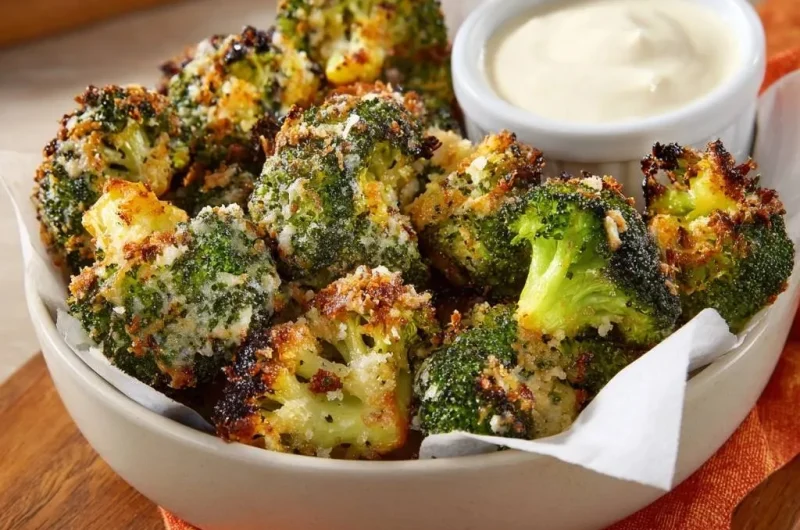
Crispy Parmesan Roasted Broccoli
Course: Side DishCuisine: AmericanDifficulty: easy4
servings10
minutes20
minutes245
kcal30
MinutesA foolproof method for roasting broccoli that avoids sogginess by using a preheated pan and a specific coating technique. The result is a crunchy, nutty, and flavorful vegetable side dish paired with a creamy garlic-lemon sauce.
Ingredients
2 large heads of broccoli, cut into bite-sized florets
3 tablespoons extra virgin olive oil
1/2 cup freshly grated Parmesan cheese (finely grated for better adhesion)
1/2 cup Panko breadcrumbs
1 teaspoon garlic powder
1/2 teaspoon onion powder
1/2 teaspoon kosher salt
1/4 teaspoon black pepper
1/2 cup mayonnaise
1 tablespoon lemon juice
1 clove garlic, minced
Directions
- Place a large rimmed baking sheet inside your oven and preheat to 425 degrees F. Heating the pan first is the ultimate trick to prevent sogginess; the broccoli starts searing the moment it hits the metal.
- Ensure your broccoli florets are completely dry. If they are even slightly damp from washing, the steam will make them mushy. Pat them thoroughly with paper towels.
- In a large bowl, toss the broccoli florets with the olive oil until every nook and cranny is lightly coated.
- In a separate small bowl, mix the Parmesan cheese, Panko breadcrumbs, garlic powder, onion powder, salt, and pepper.
- Sprinkle the dry mixture over the oiled broccoli and toss well, pressing the mixture onto the florets so the crumbs nestle into the heads. The oil acts as the glue, ensuring the crispy coating sticks to the vegetable rather than falling to the bottom of the pan.
- Carefully remove the hot baking sheet from the oven. Quickly spread the broccoli out in a single layer, flat-side down where possible to maximize browning. Do not overcrowd the pan, as air needs to circulate to create that crunch.
- Roast for 15 to 20 minutes. Do not toss halfway through; leaving them undisturbed allows the bottom to develop the deep golden-brown crust shown in the image.
- While the broccoli roasts, whisk together the mayonnaise, lemon juice, and minced garlic in a small ramekin to create the lemon aioli dipping sauce.
- Serve immediately while hot, arranged in a bowl with the aioli for dipping.
Notes
- The ultimate trick to prevent sogginess is preheating the baking sheet and ensuring the broccoli is completely dry before oiling. Do not flip the broccoli during roasting to ensure a deep golden crust develops on the bottom.