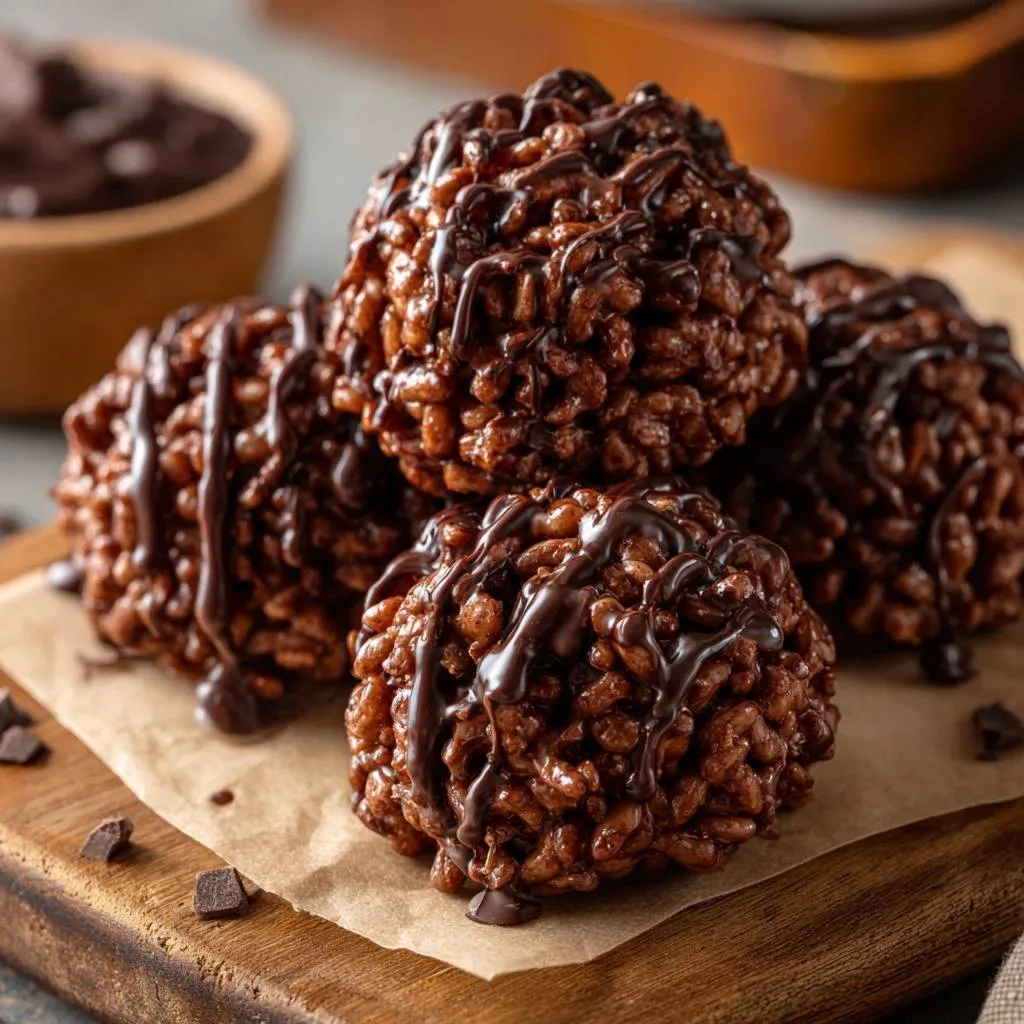
We have all been there. You reach for a homemade cereal treat, expecting a soft, marshmallowy pull, only to bite into something as hard as a sidewalk brick. It is a universal kitchen disappointment that usually stems from one tiny mistake in temperature control. These Double Chocolate Crispy Treats are designed to solve that problem forever, offering a deep cocoa profile and a texture that stays flexible for days.
The secret lies in the sensory experience of the “pull.” When you pull these treats apart, the marshmallow should stretch into thin, glistening ribbons rather than snapping. By combining chocolate puffed rice with a rich, dark chocolate drizzle, you get a sophisticated version of a childhood classic. This recipe focuses on a gentle melting method that preserves the integrity of the sugar, ensuring every bite is airy and light.
I have found that the biggest mistake people make is rushing the process with high heat. If you see the marshmallows bubbling or turning brown, you have already gone too far. The secret is to use the lowest heat setting on your stove and remove the pot while you still see small lumps. This residual heat technique prevents the sugars from over-caramelizing, which is exactly what keeps your treats from turning into rocks.
The Science of Softness: Why Cereal Treats Turn Hard
Understanding the chemistry of sugar is the first step to becoming a cereal treat expert. Marshmallows are essentially a stabilized foam of sugar, corn syrup, and gelatin. When you apply high heat, you trigger a process where the moisture evaporates rapidly, and the sugar molecules begin to bond more tightly. This transforms the soft glucose into a brittle, glass-like state once it cools down.
To achieve that coveted bakery-style pull, you must retain as much moisture as possible within the marshmallow matrix. If the heat is too high, the proteins in the gelatin toughen up, creating a dense and chewy mess. By keeping the temperature low, you allow the marshmallows to melt into a fluid state without losing the water content that keeps them soft and pliable at room temperature.
Temperature Control and Sugar Crystallization
Using the lowest heat setting is a non-negotiable rule for this recipe. You want the butter and marshmallows to meld together slowly, creating a smooth emulsion. If you rush this, the sugar can crystallize, leading to a grainy texture that feels sandy on the tongue. Residual heat is your best friend here; it gently finishes the job without over-processing the delicate marshmallow proteins.
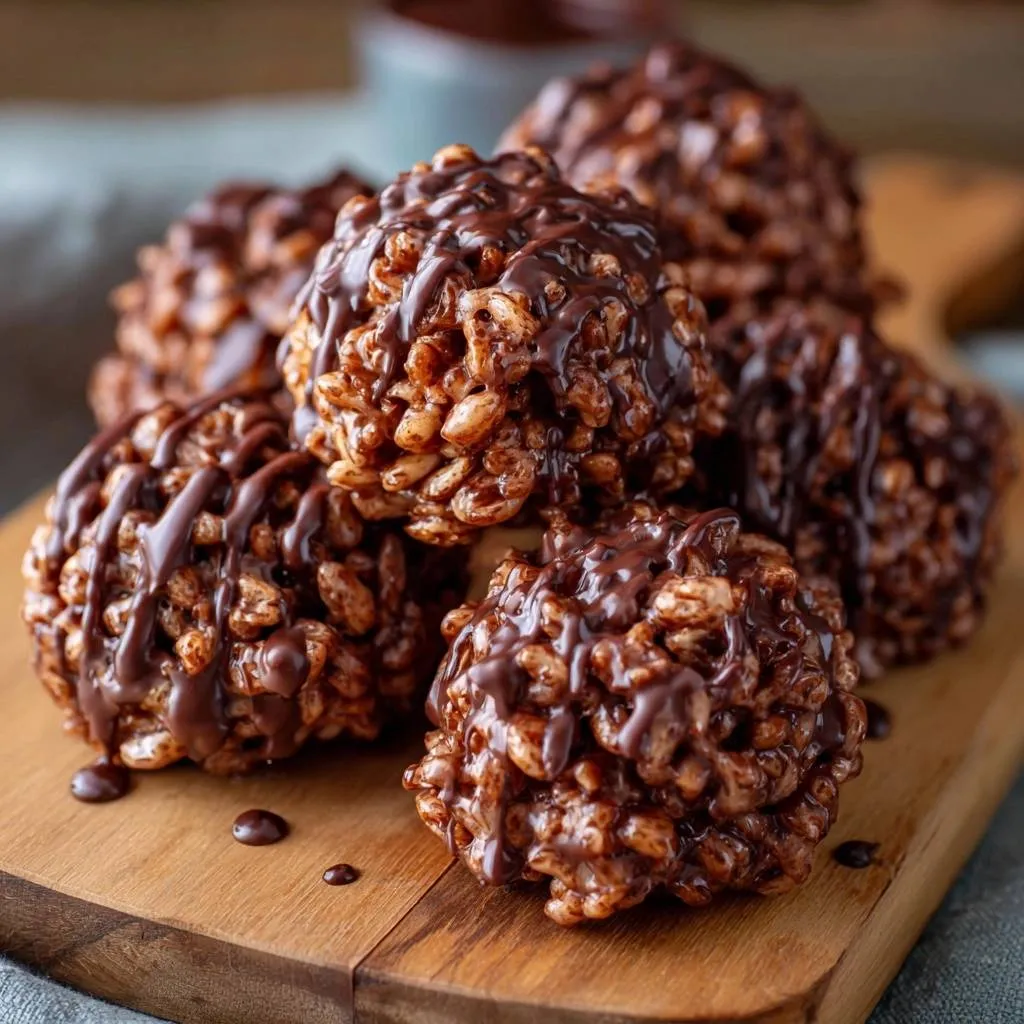
Essential Components for Double Chocolate Crispy Treats
The quality of your ingredients directly impacts the final texture and flavor of your Double Chocolate Crispy Treats. Freshness is the most important factor when selecting your marshmallows. Stale marshmallows have already lost a significant amount of moisture, which means they won’t melt properly and will almost certainly result in a harder treat. Always check the “best by” date on the bag before you start.
In addition to freshness, the ratio of fat to sugar is vital. We use a higher amount of butter than standard recipes to ensure the marshmallow mixture remains lubricated and soft. A touch of sea salt and high-quality vanilla extract are also essential. These don’t just add flavor; they balance the sweetness of the chocolate and enhance the aromatic complexity of the cocoa.
Selecting the Right Chocolate Puffed Rice Cereal
Not all chocolate puffed rice cereals are created equal. Some brands are denser and crunchier, while others are lighter and more porous. For this recipe, you want a cereal that has a distinct cocoa flavor but maintains a light “puff.” If the cereal is too dense, the treats will feel heavy. A lighter puff allows the marshmallow mixture to fill the tiny crevices without weighing down the overall structure.
The Role of High-Fat Unsalted Butter
We use five tablespoons of unsalted butter, which is more than the traditional recipe requires. This extra fat serves a dual purpose. Firstly, it coats the cereal grains, creating a barrier that prevents them from becoming soggy. Secondly, it integrates into the marshmallow matrix, keeping it flexible. Using unsalted butter allows you to control the salt levels perfectly with your sea salt addition.
Semi-Sweet Chips vs. Dark Chocolate Wafers
The semi-sweet chips are stirred directly into the warm marshmallow base, providing a consistent chocolate flavor throughout the treat. However, for the decorative drizzle, dark chocolate melting wafers are superior. These wafers contain lecithin and a higher cocoa butter content, which helps them melt smoothly and set with a professional, glossy finish that doesn’t streak or bloom.
Step-by-Step: Crafting the Perfect Chocolate Cereal Ball
Creating the perfect shape requires a delicate touch. If you pack the mixture too tightly into a pan or roll them too firmly into balls, you crush the air pockets that make the treats enjoyable. The goal is to keep the structure as loose as possible while still ensuring the treats hold their shape. This process is divided into three distinct phases to help you master the technique.
Phase 1: The Low-Heat Marshmallow Melt
Start by melting your butter in a heavy-bottomed pot. Once it is liquid, add the marshmallows and salt, stirring constantly with a silicone spatula. Watch for the visual cue: you want to stop when the mixture is about 80 percent melted. It should still look slightly lumpy. Remove it from the burner immediately. The heat from the pot will finish the job, preserving the moisture and preventing the sugar from becoming brittle.
Phase 2: Folding Without Compression
After stirring in the vanilla and chocolate chips, it is time to add the cereal. Use a gentle folding motion, lifting from the bottom and turning the mixture over. Do not press down on the cereal. You want to coat every grain in the chocolate-marshmallow “glue” without crushing the delicate puffs. A light hand here ensures that the final treats are airy rather than dense and chewy.
Phase 3: Hand-Shaping for Maximum Aeration
Wait about two minutes before shaping so the mixture isn’t too hot to handle. Lightly dampen your hands with water; this works much better than butter to prevent sticking. Scoop a portion and roll it very gently between your palms. Think of it as “forming” rather than “packing.” If you apply zero pressure, the treats will stay soft and easy to bite into once they have fully set.
The Art of the Thick Chocolate Drizzle
To get those professional-looking vertical lines, you need to handle your dark chocolate wafers with care. Microwave them in 20-second intervals, stirring thoroughly between each session. This prevents the chocolate from scorching, which can happen in an instant. Once the chocolate is smooth and glossy, you can use a piping bag or a spoon to apply the drizzle.
If you want thick, defined lines, let the melted chocolate sit for a minute or two to thicken slightly before drizzling. If it is too hot, it will run and create a thin, messy coating. Aim for a steady, confident motion as you move across the treats. This creates a beautiful contrast against the textured surface of the chocolate cereal balls.
Troubleshooting Common Cereal Treat Failures
Even with the best intentions, things can sometimes go wrong in the kitchen. One common issue is the treats falling apart. This usually happens if the ratio of cereal to marshmallow is off, or if the marshmallows weren’t melted enough to create a strong bond. If your mixture feels too dry while folding, you may have used too much cereal for the amount of marshmallow “glue” available.
Another frequent problem is grainy chocolate. This is often caused by “seizing,” which happens when a tiny amount of moisture gets into the melting chocolate. Ensure your bowls and spatulas are bone-dry before starting the drizzle. If the chocolate does seize, you can sometimes save it by stirring in a teaspoon of neutral oil to smooth out the texture.
Why My Treats Are Falling Apart
If your treats don’t hold their shape, you likely have a “glue” problem. This happens if the marshmallows were old and lost their stickiness, or if you added too much cereal. Next time, ensure you measure the cereal exactly. If the mixture looks “dusty” rather than glossy after folding, you need more marshmallow or less cereal to maintain structural integrity.
Correcting a Grainy Chocolate Texture
Grainy chocolate is usually the result of overheating or water contamination. If your drizzle looks dull or clumpy, try adding a tiny bit of coconut oil or vegetable oil and stirring vigorously. This can help emulsify the fats and restore a bit of the shine. Always melt chocolate slowly and avoid any steam or water droplets near your work area.
Storage Secrets: Keeping Treats Fresh for Days
Whatever you do, never put these treats in the refrigerator. Cold air is the enemy of soft cereal treats. It accelerates a process called starch retrogradation in the cereal, making it stale and tough. Furthermore, the cold hardens the sugar in the marshmallows, turning your gooey masterpiece into a rock-hard disappointment within hours.
The best way to store these is in an airtight container at room temperature. If you are stacking them, place a piece of parchment paper between the layers to prevent them from sticking together. When stored correctly, these treats will stay soft and delicious for up to three to four days. For the best flavor, keep the container in a cool, dry place away from direct sunlight.
Expert Tips for Flavor Customization
Once you have mastered the base recipe, you can start experimenting with sophisticated flavor boosters. A teaspoon of espresso powder added to the melting marshmallows will intensify the chocolate flavor without making the treats taste like coffee. It adds a wonderful depth that makes the treats feel more “adult” and less like a standard lunchbox snack.
For another quick treat with chocolate, try these perfect chocolate raspberries.
You can also play with the salt profile. Instead of mixing all the salt into the base, try sprinkling a tiny bit of smoked sea salt over the chocolate drizzle while it is still wet. This creates a beautiful sweet-and-salty contrast that cuts through the richness of the dark chocolate. Just remember to keep any additions dry so you don’t mess with the moisture balance of the marshmallow.
Frequently Asked Questions
Can I use large marshmallows instead of mini?
You can use large marshmallows, but you should cut them into smaller pieces first. Mini marshmallows are preferred because they have more surface area, which allows them to melt much faster and more evenly. Large marshmallows take longer to melt, which increases the risk of overheating the sugar and ending up with a hard, brittle treat.
Why is my chocolate drizzle dull instead of shiny?
A dull drizzle usually means the chocolate was overheated or cooled too slowly in a humid environment. To keep it shiny, use high-quality melting wafers which are formulated for stability. Avoid the fridge during the setting process, as the moisture in the refrigerator can cause the chocolate to “bloom,” resulting in white streaks or a matte finish.
Can I make these in a standard 9×9 pan instead of balls?
Yes, you can certainly press the mixture into a greased 9×9 pan. However, be extremely careful not to pack the mixture down. Use a buttered spatula to gently nudge the mixture into the corners. If you press too hard, you will lose the airy texture and the treats will become dense and difficult to chew.
How long do these actually stay soft?
When stored in a truly airtight container at room temperature, these treats stay remarkably soft for about 3 to 4 days. The high butter content and the low-heat melting method are key to this longevity. After the fourth day, the cereal may begin to lose its crunch, though the marshmallow center will likely remain somewhat flexible.
Is there a substitute for the dark chocolate wafers?
If you cannot find melting wafers, you can use a high-quality dark chocolate bar chopped into small pieces. To help it melt smoothly and set with a similar sheen, stir in one teaspoon of coconut oil once the chocolate is melted. This mimics the thinning agents found in professional wafers and makes the drizzle easier to manage.
Crispy Treats
Course: DessertCuisine: AmericanDifficulty: easy12
treats10
minutes5
minutes210
kcal15
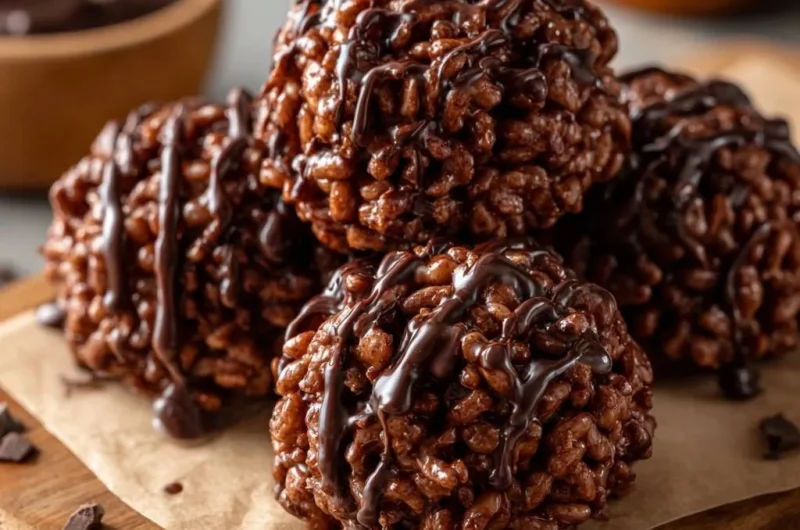
MinutesA bakery-style chocolate puffed rice treat shaped into balls and finished with a dark chocolate drizzle. These treats use specific temperature control and extra fat to ensure a flexible, soft texture that lasts for days.
Ingredients
6 cups chocolate puffed rice cereal
10 ounces mini marshmallows (freshness is key for softness)
5 tablespoons unsalted butter (extra fat ensures a softer set)
1/2 cup semi-sweet chocolate chips
1/2 cup dark chocolate melting wafers (for the thick visual drizzle)
1 teaspoon vanilla extract
1/4 teaspoon sea salt
Directions
- Prepare a baking sheet with parchment paper.
- In a large heavy-bottomed pot, melt the butter over the lowest heat setting possible. This is the critical step to avoid rock-hard treats; high heat creates a brittle, candy-like bond.
- Once the butter is melted, add the marshmallows and salt. Stir constantly. Remove the pot from the heat when the marshmallows are only 80 percent melted and still look slightly lumpy. The residual heat will finish the melting process without overheating the sugar.
- Immediately stir in the vanilla and the 1/2 cup of chocolate chips. Stir until the chocolate is fully melted and the mixture is a uniform, glossy brown.
- Gently fold in the chocolate puffed rice cereal. Use a silicone spatula and a light hand to coat every grain without crushing the cereal, which keeps the treats airy.
- To shape the treats as seen in the image, let the mixture cool for 2 minutes so it is easier to handle. Lightly dampen your hands with water (this prevents sticking better than butter). Gently scoop a portion and roll it between your palms into a ball. Do not pack them tightly; compression leads to a dense, hard texture.
- Place the balls on the parchment paper.
- Melt the dark chocolate wafers in 20-second intervals in the microwave, stirring between each, until completely smooth.
- Using a spoon or a piping bag with a small tip, apply a generous vertical drizzle over each ball to match the thick, decorative lines in the photo.
- Let the treats set at room temperature for at least 30 minutes. Avoid the refrigerator, as cold air dries out the marshmallow bond and makes the cereal brittle.
Notes
- Freshness of marshmallows is key for softness. Avoid the refrigerator as cold air dries out the marshmallow bond. Use low heat to prevent the sugars from over-caramelizing and becoming hard.