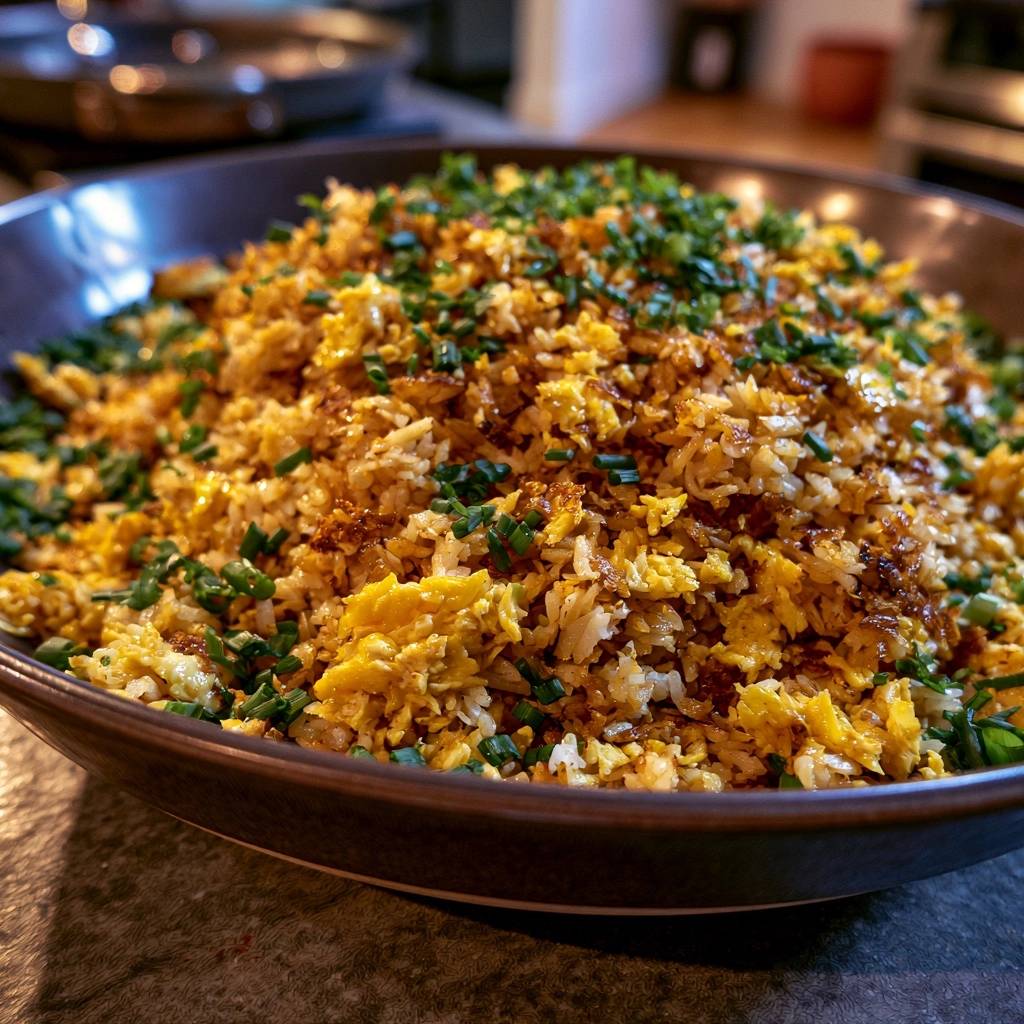
Stop settling for soggy, clumped-up fried rice that tastes like a wet mess. Most home cooks struggle with a gummy texture because they use fresh, steaming rice straight from the pot. This creates a pile of mush rather than the distinct, chewy grains you find at your favorite late-night spot.
The secret to that restaurant-quality texture isn’t just a hot pan; it’s the “dry-chill” method. By using day-old rice and a specific high-heat searing technique, you ensure every single grain is toasted and separate. This creates a vibrant, golden aesthetic where the egg clings to the rice without making it heavy.
I’ve found that the real magic happens when you break up the cold rice by hand before it ever touches the wok. If you try to break those clumps with a spatula while they’re frying, you’ll end up smashing the grains and releasing starch. Keep your hands clean, get in there, and separate every grain for that perfect, bouncy mouthfeel.
The Physics of Non-Mushy Golden Egg Fried Rice
Achieving the perfect fried rice is actually a lesson in food science, specifically a process called retrogradation. When you cook rice, the starches gelatinize and become soft and sticky. If you try to fry it immediately, that surface moisture turns into steam, which effectively “re-cooks” the rice into a paste.
However, when you refrigerate rice overnight, the starch molecules begin to rearrange and crystallize. This process firms up the grain and dries out the exterior. This structural change is vital because it allows the rice to withstand the intense heat of a wok without collapsing into a pile of mush.
In addition to the starch changes, the cold environment of the fridge acts as a natural dehydrator. By the next day, the rice has lost just enough moisture to become the perfect vessel for oil and seasoning. When these chilled grains hit a shimmering hot pan, they sear instantly, creating a protective toasted crust that keeps the interior tender but firm.
Essential Components for the Perfect Sear
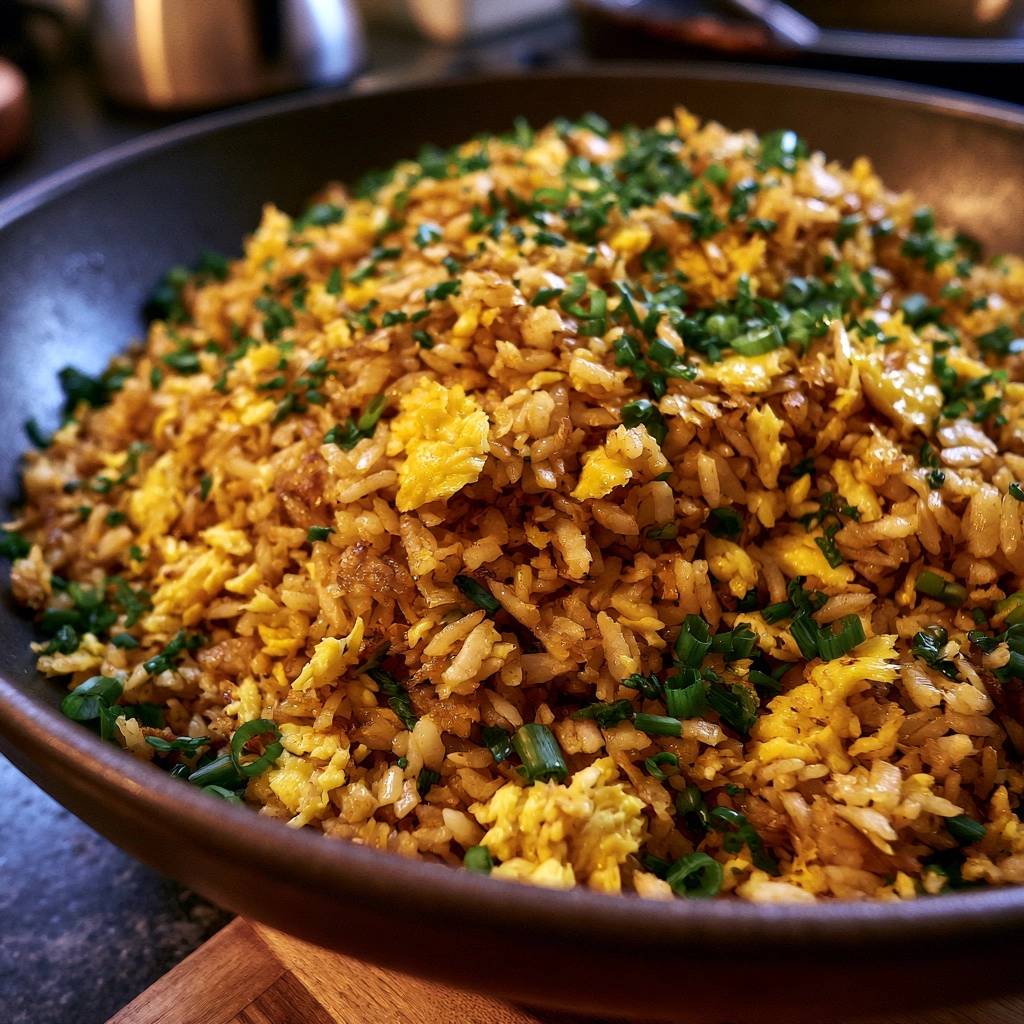
You don’t need a long list of ingredients to make this dish, but you do need the right ones. Jasmine rice is the undisputed king of fried rice because it’s a long-grain variety. Long grains contain less amylopectin than short grains, which means they are naturally less sticky and much easier to separate after chilling.
Aromatics like fresh ginger and garlic provide the aromatic backbone of the dish. Therefore, you should always use fresh versions rather than the jarred stuff. The oils in fresh ginger provide a sharp, clean heat that cuts through the richness of the fried eggs and sesame oil.
For the seasoning, white pepper is the secret weapon of professional chefs. It provides a floral, earthy heat that lingers on the back of the tongue without leaving the black specks that black pepper would. Furthermore, you must use a high-smoke point oil like vegetable or canola oil. Butter or olive oil will burn long before the pan reaches the temperature needed for a proper sear.
Selecting and Prepping the Rice Base
To get the best results, cook your jasmine rice with slightly less water than usual—think a 1:1.25 ratio. Once it’s done, spread it out in a thin layer on a large baking sheet. This allows the steam to escape quickly so the rice doesn’t continue to soften as it cools. Once it reaches room temperature, slide that tray into the fridge uncovered for at least 12 hours.
The Role of Fresh Aromatics and Chives
Preparation is everything when you’re cooking at high heat. You should finely mince your garlic and ginger so they distribute evenly throughout the rice. If the pieces are too large, they won’t mellow out in the five seconds they spend in the oil. Similarly, chop your chives into uniform bits so they provide a pop of color in every single bite.
Step-by-Step: Executing the Golden Egg Technique
Once your ingredients are prepped, the actual cooking happens very fast. You’ll want everything within arm’s reach because there’s no time to chop once the heat is on. This is where the transformation from cold grains to golden treasure happens.
Phase 1: Searing the Egg Curds
Start by heating two tablespoons of oil until it’s shimmering. Pour in your beaten eggs and let them sit undisturbed for about 15 seconds. You want to see the edges puff up and turn a light golden brown. Scramble them into large, chunky curds, but pull them out of the pan while they still look a little wet and glossy. They’ll finish cooking later, and this keeps them from becoming rubbery.
Phase 2: The High-Heat Rice Toast
Wipe the pan, add the rest of the oil, and wait for it to just start smoking. Toss in your aromatics for a few seconds, then immediately dump in the rice. Use your spatula to press the rice down into the hot surface and leave it alone for nearly a minute. You’ll hear a crackling sound—that’s the “socarrat” or crispy crust forming. This step adds a deep, toasted flavor that defines a great fried rice.
Phase 3: Integrating Flavors and Finishing
Now, start tossing vigorously. Add your soy sauce, sesame oil, and white pepper. You’ll notice the rice grains starting to “jump” or dance in the pan as the moisture evaporates. Fold the eggs back in, breaking them up as you go. Finally, kill the heat and toss in the chives. The residual heat is plenty to wilt them while keeping their flavor bright and punchy.
Avoiding Common Fried Rice Mistakes
The biggest mistake people make is overcrowding the pan. If you put too much rice in at once, the temperature of the metal drops instantly. Instead of frying, the rice starts to steam in its own moisture, leading to that dreaded mushy texture. If you’re doubling the recipe, cook it in two separate batches to keep the heat high.
Another pitfall is being too heavy-handed with the soy sauce. It’s tempting to keep pouring for more color, but soy sauce is mostly water. Too much liquid will ruin the crispy texture you worked so hard to build. Use salt for the bulk of the seasoning and soy sauce just for that fermented umami depth.
Equipment: Why a Heavy-Bottomed Pan Matters
While a carbon steel wok is the traditional choice for its ability to heat up and cool down rapidly, a heavy-bottomed cast iron or stainless steel skillet works beautifully too. The key is heat retention. You need a pan that won’t lose its temperature the moment the cold rice hits the surface.
Non-stick pans are generally not recommended for this specific recipe. Most non-stick coatings aren’t designed for the extreme high heat required to get “wok hei,” or the breath of the wok. If you use a non-stick pan, you’ll likely miss out on those toasted, crispy bits that make the dish so addictive.
Flavor Variations and Protein Additions
This golden base is incredibly versatile. If you want to add vegetables like carrots or peas, make sure to dice them very small and par-cook them before adding them to the rice. This ensures they are tender by the time the rice is toasted. You don’t want to be waiting on a raw carrot while your rice is burning.
For protein, seared shrimp or diced chicken work perfectly. Just like the eggs, cook your protein first, remove it from the pan, and fold it back in at the very end. This prevents the meat from becoming overcooked and tough while you’re focusing on toasting the rice grains to perfection.
Expert Troubleshooting and Preparation Tips
Can I use freshly cooked rice in a pinch?
If you didn’t plan ahead, you can still make this work. Spread your freshly cooked hot rice onto a large tray and put it directly in front of a fan for 20 minutes, or pop it in the freezer for about 15 minutes. This flash-dries the surface moisture. It won’t be quite as perfect as day-old rice, but it’s a solid emergency hack.
How do I prevent the rice from sticking to the pan?
Use the “longyau” technique. Heat your wok or skillet until it’s very hot first, then add the room-temperature oil and swirl it around. This creates a natural non-stick barrier on the surface of the metal. If you add oil to a cold pan and heat them together, the rice is much more likely to glue itself to the bottom.
What is the best way to reheat leftovers?
Avoid the microwave if you can, as it makes the rice rubbery. Instead, heat a teaspoon of oil in a skillet over medium-high heat. Add the rice and a tiny splash of water (about a teaspoon). Cover it for 30 seconds to let the steam revive the center of the grains, then uncover and fry for a minute to bring back the crisp exterior.
Why is my rice still clumping together?
This usually happens because the rice wasn’t broken up well enough before it hit the pan. Cold rice is very firm, and once it hits the hot oil, the outside sears quickly, “locking” those clumps together. Always spend a minute massaging the cold rice with your hands to ensure every grain is individual before you start cooking.
Optimal Pairings for Golden Egg Fried Rice
Since this dish is rich and savory, it pairs beautifully with something bright and acidic. A simple smashed cucumber salad with plenty of rice vinegar and a touch of sugar provides a refreshing contrast. The crunch of the cucumber mimics the crispy bits of the rice while cleaning your palate between bites.
If you want a fuller meal, serve it alongside some steamed bok choy drizzled with a little oyster sauce or a light vegetable broth. The goal is to balance the fried texture with something fresh or liquid-based. This keeps the meal feeling light rather than heavy, allowing the toasted flavor of the golden rice to really shine.
How long can I store the leftovers?
You can store this fried rice in an airtight container in the refrigerator for up to three days. Because the rice has already been cooked and cooled twice, the texture will continue to firm up. I don’t recommend freezing it, as the eggs can become spongy and the rice grains often turn grainy and lose their pleasant chew upon thawing.
What if I don’t have jasmine rice?
While jasmine is ideal, any long-grain white rice will work as a substitute. Basmati is a decent alternative, though it has a more pronounced nutty flavor and a drier texture. Avoid using short-grain sushi rice or glutinous rice for this specific recipe, as they are designed to be sticky and will almost certainly result in a clumped-up mess regardless of how well you chill them.
Why does my fried rice taste bland?
Blandness usually comes down to a lack of salt or white pepper. Rice absorbs a tremendous amount of seasoning. If it tastes flat, add a pinch more salt or a dash of soy sauce at the very end. Also, ensure your ginger and garlic are fresh; old aromatics lose their punch and won’t provide that necessary aromatic lift to the finished dish.
Golden Egg Fried Rice
Course: Main CourseCuisine: AsianDifficulty: easy4
servings10
minutes10
minutes20
Minutes340
kcalAsian
Ingredients
4 cups cooked jasmine rice (must be chilled overnight)
5 large eggs, beaten
4 tablespoons vegetable oil (divided)
3 cloves garlic, minced
1 tablespoon ginger, finely minced
2 tablespoons soy sauce
1 teaspoon toasted sesame oil
1/2 teaspoon white pepper
1/2 teaspoon salt (to taste)
1 cup fresh chives or green onions, finely chopped
Directions
- The most important step to prevent mushiness is to use cold, day-old rice. Take the rice out of the fridge and use your hands to break up any large clumps before it hits the pan.
- Heat 2 tablespoons of oil in a large wok or heavy-bottomed skillet over medium-high heat. Pour in the beaten eggs. Let them sit for 15 seconds to develop a golden-brown sear on the bottom, then scramble them into large, chunky curds. Remove the eggs from the pan while they are still slightly glossy and set aside.
- Wipe the pan clean and add the remaining 2 tablespoons of oil. Crank the heat to high until the oil is shimmering and just starting to smoke. This high heat is the key to searing the outside of the rice grains so they do not absorb moisture and turn gummy.
- Add the minced garlic and ginger, tossing for only 5 seconds to avoid burning. Immediately add the chilled rice.
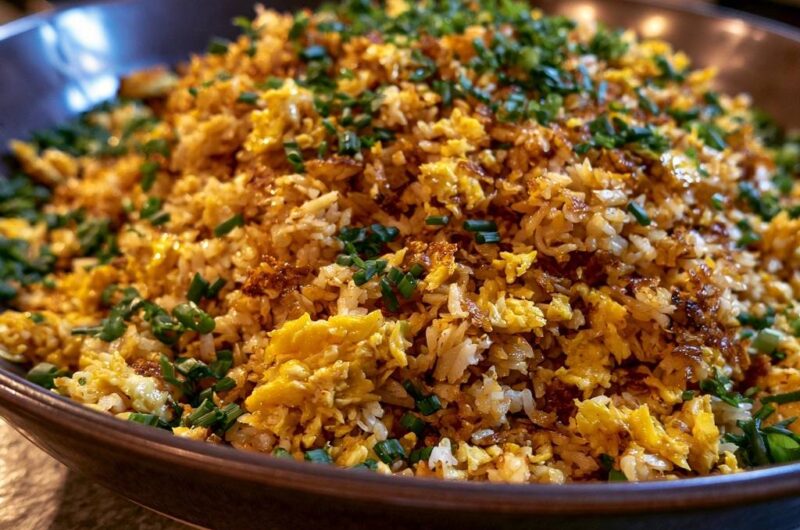
- Press the rice down into the pan and let it sit undisturbed for 45-60 seconds. This creates the deep golden, crispy “socarrat” style crust visible in the image.
- Toss the rice vigorously, breaking up any remaining small clumps. Add the soy sauce, sesame oil, white pepper, and salt. Continue to stir-fry at high heat for 3 minutes until the rice is toasted, fragrant, and individual grains are jumping in the pan.
- Fold the cooked eggs back into the rice, using your spatula to break them into bite-sized pieces that distribute evenly.
- Turn off the heat and toss in the fresh chives. The residual heat will wilt them perfectly without losing their bright green color. Serve immediately while the texture is at its peak crispness.
Notes
- The most important step to prevent mushiness is to use cold, day-old rice and maintain high heat to sear the grains.