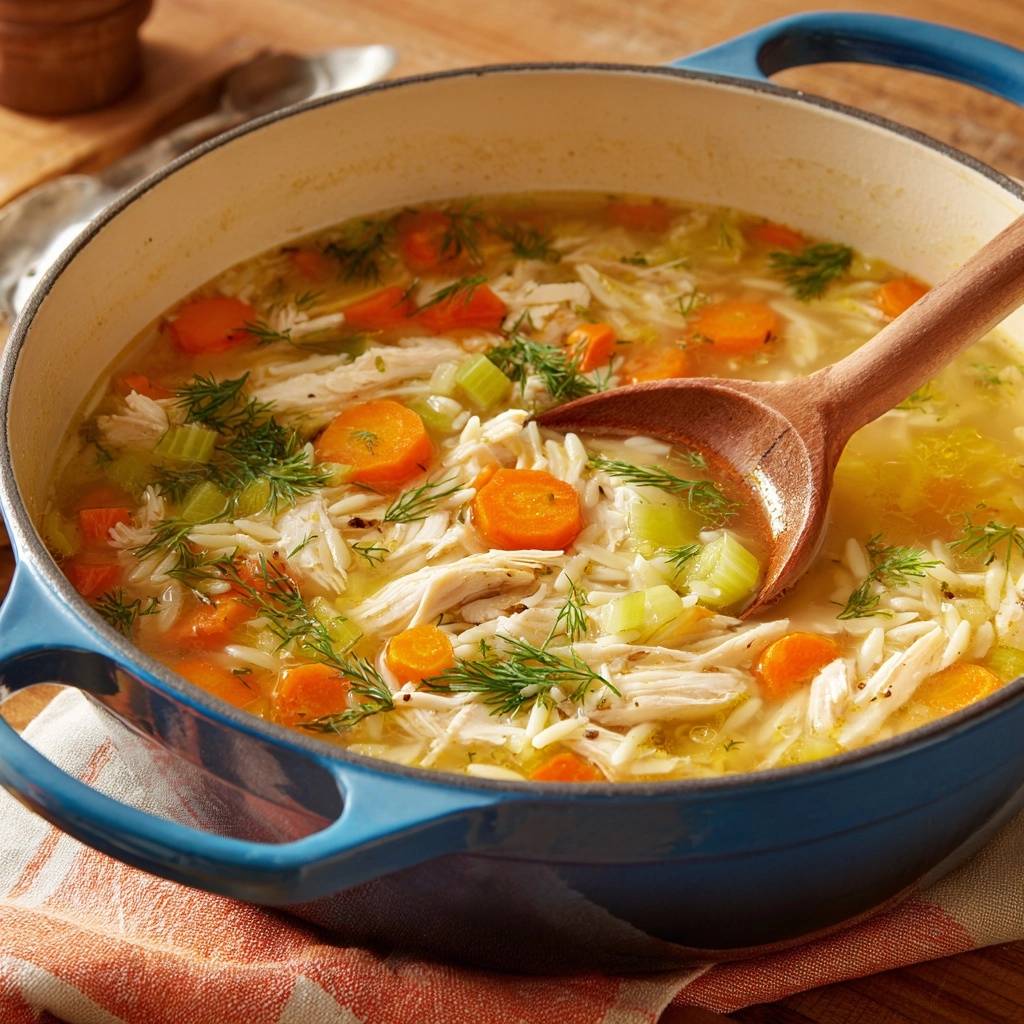
We’ve all been there. You crave a bowl of comforting chicken soup, but by the time you sit down to eat, the pasta has swollen into giant, mushy sponges that have sucked up every drop of liquid. Instead of a vibrant, brothy meal, you’re left with a thick, starchy porridge. It’s a common kitchen heartbreak, but it’s also entirely avoidable with the right technique.
This Mediterranean-inspired Lemon Chicken Orzo Soup is the ultimate cure for the common cold and the common kitchen fail. It balances the bright, zesty punch of fresh citrus with the earthy aroma of dill and oregano. The goal here isn’t just to fill a bowl; it’s to create a sophisticated, clear broth where every ingredient retains its own distinct texture and personality.
The secret to this recipe’s success lies in the timing of the orzo. Most recipes tell you to toss the pasta in early, but I’ve found that cooking it for exactly nine minutes at the very end is the only way to keep it al dente. By treating the pasta as the final act rather than an afterthought, you ensure the broth stays light and the noodles stay firm. I’m excited to show you how this small shift in timing makes a world of difference.
The Anatomy of a Non-Mushy Lemon Chicken Orzo Soup
Orzo might look like rice, but it’s actually a tiny, rice-shaped pasta made from semolina flour. Because it’s so small, it has a high surface-area-to-volume ratio, which means it releases a lot of starch into your cooking liquid. If you aren’t careful, that starch acts as a thickener, turning your soup into a heavy stew.
To counter that richness, we rely heavily on acidity. Fresh lemon juice doesn’t just add flavor; it physically cuts through the fats from the chicken and the olive oil. This creates a “clean” mouthfeel that makes the soup feel light and energizing rather than heavy. When you pair that acidity with the silky texture of the orzo, you get a perfectly balanced bite every single time.
Selecting the Right Orzo and Aromatics
I always recommend using a high-quality, traditional semolina orzo for this dish. While whole wheat versions exist, they tend to have a nuttier, grainier texture that can compete with the delicate flavor of the lemon. Semolina orzo provides that classic, smooth pasta feel that absorbs just enough flavor without falling apart.
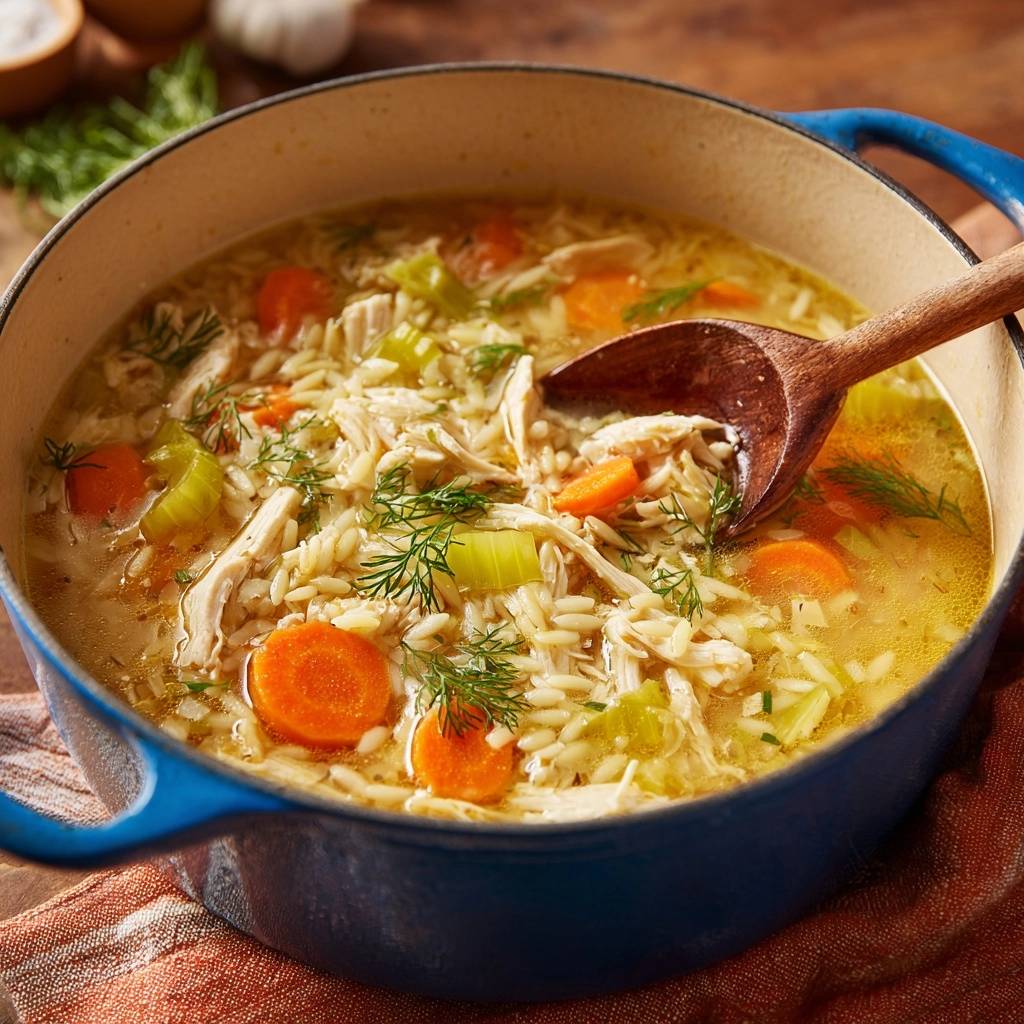
For your aromatics, stick with a yellow onion. White onions can be a bit too sharp, and red onions will muddy the color of your beautiful golden broth. Yellow onions have a higher sugar content, so when they sweat down with the carrots and celery, they provide a subtle sweetness that anchors the more aggressive citrus notes.
Why Low-Sodium Broth is Non-Negotiable
Control is the most important tool in your kitchen. When you use standard chicken broth, you’re at the mercy of the manufacturer’s salt levels. As the soup simmers and the liquid evaporates slightly, that saltiness concentrates. By starting with a low-sodium base, you can season the chicken and vegetables generously without worrying about the final product being a salt bomb.
Essential Tools for a Clear Mediterranean Broth
If you have a heavy-bottomed Dutch oven, now is the time to pull it out. The thick walls of enameled cast iron distribute heat evenly, which is vital for a gentle poach. You don’t want a rolling boil when the chicken is in the pot; you want a lazy, consistent simmer. This prevents the chicken proteins from seizing up and becoming rubbery.
A good citrus press is another game-changer here. You need about three tablespoons of juice, which is usually one large, juicy lemon. A press ensures you get every last drop of liquid while keeping the bitter seeds out of your soup. If you don’t have one, just squeeze the lemon through your hand to catch the seeds, but watch out for those pesky small ones!
Sautéing the Mirepoix for Maximum Flavor Extraction
The foundation of any great soup is the mirepoix—the mix of carrots, celery, and onion. In this recipe, we aren’t looking for the deep, brown caramelization you might want in a beef stew. Instead, we want to “sweat” the vegetables in olive oil over medium heat. This process draws out their moisture and softens their cell walls.
You’ll know you’re ready for the next step when the onions look translucent and the carrots have brightened in color. This gentle start ensures the broth remains golden and clear. If you brown the vegetables too much, the broth will take on a darker, muddier hue that masks the fresh herbs we’ll add later.
The Poaching Method: Keeping Chicken Breasts Tender
Most people make the mistake of boiling their chicken until it’s dry and stringy. Poaching is a much kinder way to treat lean breast meat. By submerging the seasoned chicken in a simmering broth, you’re cooking it from the outside in at a lower temperature. This keeps the internal juices locked inside the meat.
Once the chicken reaches an internal temperature of 165°F, remove it immediately. Don’t let it sit in the hot liquid while the pasta cooks, or it will continue to toughen. Shredding the chicken with two forks creates long, thin strips that have more surface area to soak up the lemon and dill once they’re added back to the pot.
Timing the Orzo: The 9-Minute Rule
This is the most critical part of the entire process. Pasta continues to cook as long as it’s in hot liquid, even after you turn off the stove. If you cook the orzo for the full time recommended on the box, it will be overdone by the time you serve it. I recommend aiming for 8 to 9 minutes, which is just shy of the usual “al dente” mark.
By the time you stir the chicken back in and add your finishing touches, the residual heat will finish the pasta perfectly. This “carry-over cooking” is the secret to why restaurant soups often have better pasta texture than home-cooked versions. You’re anticipating the heat, not just reacting to it.
Brightening the Pot: When to Add Lemon and Dill
Fresh lemon juice and dill are volatile ingredients. If you boil them, the lemon juice can take on a metallic, bitter edge, and the dill will turn a dull, unappetizing brown. To keep the flavors “high” and the colors “bright,” always add these after you’ve turned off the heat.
The residual heat of the broth is more than enough to wilt the dill and release its oils. This ensures that when you lift the lid, you’re hit with a massive wave of fresh, herbal fragrance. It makes the soup feel like it was just assembled, even if the base has been simmering for half an hour.
Step-by-Step: Preparing Your Lemon Chicken Orzo Soup
Start by heating your olive oil in the Dutch oven. Toss in your sliced carrots, chopped celery, and diced onion. You’ll hear a gentle sizzle, which is exactly what you want. Sauté them for about 6 minutes, stirring occasionally so nothing sticks or browns. The kitchen should start smelling sweet and savory.
For a different take on creamy lemon chicken, consider this lemon cream chicken gnocchi.
Next, pour in your 6 cups of low-sodium chicken broth and stir in the dried oregano. Bring this to a simmer—look for small bubbles breaking the surface, not a violent boil. Season your chicken breasts with salt and pepper, then gently slide them into the liquid. Let them poach for 12 to 15 minutes. You can check the thickest part of the breast with a knife; it should be opaque all the way through.
Remove the chicken to a board and start shredding. While you do that, pour the dry orzo into the simmering broth. Set a timer for 8 minutes. While the pasta dances in the broth, use two forks to pull the chicken apart into bite-sized shreds. Once the timer goes off, check the orzo. It should have a slight “bite” in the center.
Turn off the heat completely. Stir the shredded chicken back into the pot along with the fresh lemon juice and the chopped dill. Give it a final taste. You might need a pinch more salt or a crack of black pepper to make the flavors pop. Serve it immediately while the broth is still thin and the pasta is firm.
Flavor Variations and Ingredient Swaps
If you want to make this vegetarian, you can easily swap the chicken for two cans of drained chickpeas. The chickpeas provide a great protein boost and hold up well in the lemony broth. You can also add a handful of fresh baby spinach or chopped kale at the very end; the heat of the soup will wilt the greens in seconds.
For those who don’t have orzo on hand, pearl couscous is a fantastic substitute. It has a similar mouthfeel, though it may cook a minute or two faster. If you want a deeper, more “golden” look to your soup, add a half-teaspoon of turmeric when you’re sautéing the vegetables. It adds a subtle earthiness and a beautiful glow to the broth.
Troubleshooting Common Soup Issues
If you find that your soup has become too thick after sitting for a few minutes, don’t panic. Simply stir in a half-cup of hot water or extra broth. This will loosen the starch and restore the “soupy” consistency. If the lemon flavor is too aggressive, a tiny pinch of sugar can help balance the acidity without making the soup taste sweet.
In the event that you accidentally overcook the pasta, the best thing you can do is cool the soup down as quickly as possible. Transfer it to a shallow bowl or an ice bath to stop the cooking process. It won’t fix the texture of the pasta, but it will prevent it from getting any worse before you can eat it.
Storage and Reheating: Preserving the Texture
Storing orzo soup can be tricky because the pasta never stops absorbing liquid. If you’re planning on having leftovers, I highly recommend storing the pasta separately from the broth. However, if it’s already mixed, store it in an airtight container in the fridge for up to 3 days. Expect the leftovers to be more like a risotto than a soup.
When reheating, you will almost certainly need to add a splash of broth or water to the pot. Heat it gently over medium-low; boiling it again will only make the orzo softer. This soup does not freeze well once the pasta is added, as the orzo becomes very grainy and mushy upon thawing. If you want to freeze it, freeze the broth and chicken base only, then add fresh pasta when you’re ready to eat.
What to Serve with Mediterranean Chicken Soup
This soup is quite filling on its own, but a piece of crusty sourdough or a warm slice of focaccia is perfect for soaking up the last bits of lemony broth. The acidity of the soup also pairs beautifully with a crisp arugula salad dressed in a simple balsamic glaze. The peppery greens provide a nice contrast to the savory chicken.
If you want a more substantial meal, consider serving some roasted zucchini or asparagus on the side. The charred flavors of roasted vegetables complement the brightness of the dill and lemon. It keeps the meal feeling light and healthy while adding a variety of textures to the table.
Expert Tips for the Perfect Batch
Firstly, never use bottled lemon juice. The preservatives in the bottled stuff give it a chemical aftertaste that will ruin the delicate balance of the broth. Freshly squeezed is the only way to go. Secondly, if you’re in a major rush, you can shred your poached chicken in a stand mixer with the paddle attachment on low speed—it takes about 30 seconds!
Thirdly, remember to salt your vegetables while they sauté. This helps them release their moisture and seasons the “bones” of the soup. However, wait until the very end to do your final salt adjustment for the broth. Lastly, don’t throw away your dill stems! You can tie them together with kitchen twine and let them simmer in the broth while the chicken poaches, then discard them before adding the pasta for an extra layer of flavor.
How do I prevent the orzo from getting mushy in leftovers?
The best way to prevent mushy leftovers is to cook the orzo separately in a different pot of salted water. Store the cooked orzo in its own container with a little olive oil to keep it from sticking. When you’re ready to eat, place a scoop of cold orzo in your bowl and pour the hot soup over it. This keeps the pasta firm and the broth clear for days.
Can I use chicken thighs instead of breasts?
Yes, you can definitely use boneless, skinless chicken thighs. Thighs are more forgiving and stay even juicier than breasts due to their higher fat content. If you use thighs, you may need to poach them for an extra 2-3 minutes. Just make sure to trim any excess fat before adding them to the pot to keep the broth from becoming too greasy.
Why does my broth look cloudy instead of clear?
Cloudy broth usually happens for two reasons: boiling too hard or too much starch. If you let the soup reach a rolling boil while the chicken or pasta is in there, the fats and starches emulsify into the liquid. Keep the heat at a gentle simmer. Also, rinsing your orzo in a fine-mesh strainer before adding it to the pot can remove excess surface starch, leading to a clearer finish.
What is a good substitute for fresh dill?
If you can’t find fresh dill, fresh parsley is the next best option. It provides a similar “green” brightness, though it lacks that specific anise-like flavor of dill. If you must use dried dill, use only 1 tablespoon and add it at the beginning with the oregano so it has time to hydrate. However, fresh herbs are truly the soul of this Mediterranean dish.
Is this soup gluten-free?
As written, this soup is not gluten-free because orzo is a wheat-based pasta. To make it gluten-free, you can substitute the orzo with a gluten-free pasta variety, white rice, or even cauliflower rice. If using rice, keep in mind that it will take longer to cook (about 15-20 minutes), so plan your timing accordingly to ensure the chicken doesn’t overcook.
Lemon Chicken Orzo
Course: Main CourseCuisine: AmericanDifficulty: easy6
servings15
minutes25
minutes310
kcal40
MinutesThis recipe solves the problem of mushy pasta by cooking the orzo at the very end. It features chicken breasts poached directly in the broth for maximum tenderness, finished with fresh lemon juice and dill for a bright, fresh flavor.
Ingredients
1 tablespoon olive oil
1 pound boneless skinless chicken breasts
3 large carrots, sliced into rounds
2 stalks celery, chopped
1 small yellow onion, diced
1 cup dry orzo pasta
6 cups low-sodium chicken broth
1 teaspoon dried oregano
Salt and black pepper to taste
3 tablespoons fresh lemon juice
1/2 cup fresh dill, roughly chopped
Directions
- Heat olive oil in a large Dutch oven over medium heat. Add the carrots, celery, and onion. Sauté for 5-7 minutes until the onions are translucent and the vegetables begin to soften.
- Pour in the chicken broth and add the dried oregano. Bring the liquid to a gentle simmer.
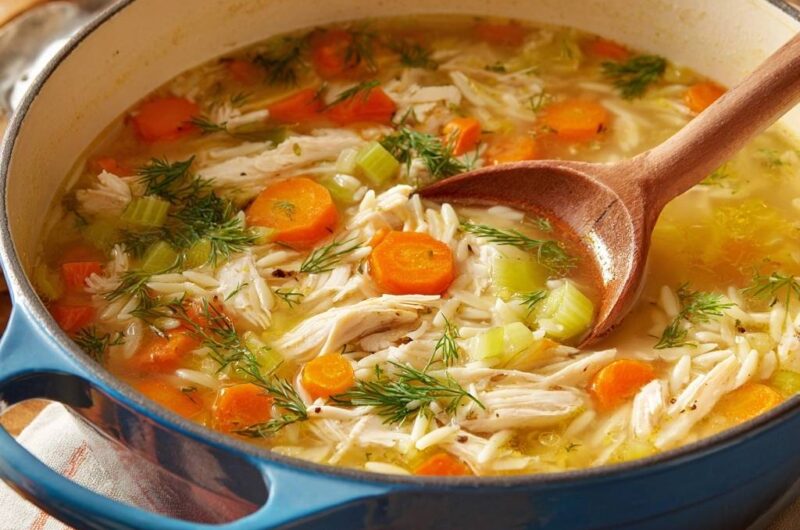
- Season the whole chicken breasts with salt and pepper and carefully submerge them into the simmering broth. Poach the chicken for 12-15 minutes (depending on thickness) until fully cooked through. This poaching method ensures the chicken remains moist and easy to shred, as seen in the visual.
- Remove the chicken from the pot and place it on a cutting board. Using two forks, shred the chicken into long, thin strips. Set aside.
- While the chicken is being shredded, add the dry orzo pasta to the boiling broth. Cook for exactly 8 to 9 minutes until al dente. By cooking the pasta at the very end, you prevent it from over-expanding and absorbing the entire pot of soup.
- Once the orzo is tender, turn off the heat. Stir the shredded chicken back into the pot.
- Add the fresh lemon juice and the fresh dill. Stir gently; the residual heat will wilt the dill and release its aroma without losing the bright green color shown in the image. Serve immediately to maintain the perfect broth-to-pasta ratio.
Notes
- To prevent the pasta from absorbing all the broth, ensure the orzo is cooked for exactly 8 to 9 minutes and serve immediately. Shredding the chicken with two forks creates the ideal texture for this clear broth soup.