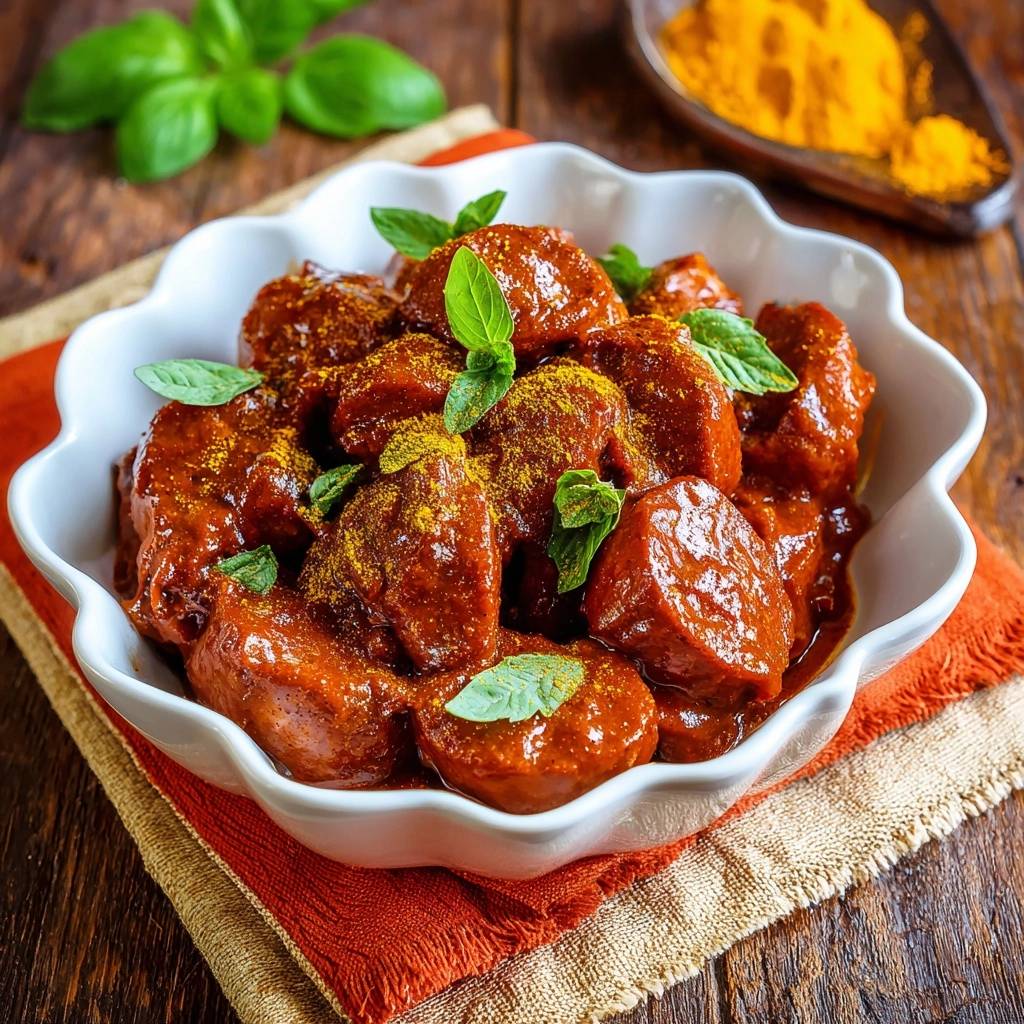
Currywurst is the undisputed king of German street food, a dish that captures the heart of Berlin in every bite. However, most home versions fall short because they result in a rubbery, boiled texture that lacks the soul of the original. When the sausage is simply simmered in liquid, the casing loses its integrity and the sauce slides right off, leaving you with a plate of lukewarm disappointment.
The “Anti-Soggy” philosophy changes everything by focusing on the physical relationship between the meat and the glaze. Instead of a thin soup, we are aiming for a high-heat sear that creates a rugged landscape on the sausage surface. This allows a thick, concentrated sauce to cling to every nook and cranny, providing a massive punch of flavor without compromising the snap of the meat.
The secret to this professional-grade result is the specific order of operations. By searing the meat first and then reducing the sauce in the same pan, you build layers of flavor that most recipes ignore. You’ll notice that the sauce doesn’t just sit on the plate; it grips the sausage, ensuring that every forkful is perfectly balanced between savory meat and spiced tomato glaze.
The Anatomy of a Perfect Currywurst Texture
Achieving the perfect “snap” is a matter of physics and heat management. When you apply high, dry heat to a sausage casing, you trigger the Maillard reaction, which is the chemical dance between amino acids and reducing sugars. This doesn’t just add flavor; it creates a structural barrier that protects the interior of the sausage from becoming waterlogged once it meets the sauce.
Think of this crust as a protective armor. If you skip the sear and go straight into the liquid, the casing softens and becomes chewy rather than crisp. By creating a deep golden-brown exterior, you provide a textured surface that acts like a magnet for the sauce. This contrast between the firm, snappy bite of the sausage and the velvety smoothness of the curry reduction is what defines a truly elite Currywurst experience.
Essential Components for the Signature Curry Glaze
The sauce is the heart of this dish, and the quality of your ingredients will dictate the final outcome. I always recommend using tomato passata (puree) over standard ketchup. Passata provides a clean, sophisticated tomato base that isn’t overloaded with high-fructose corn syrup, allowing you to control the sweetness and acidity yourself. It results in a much richer mouthfeel that feels like a chef-made reduction rather than a fast-food condiment.
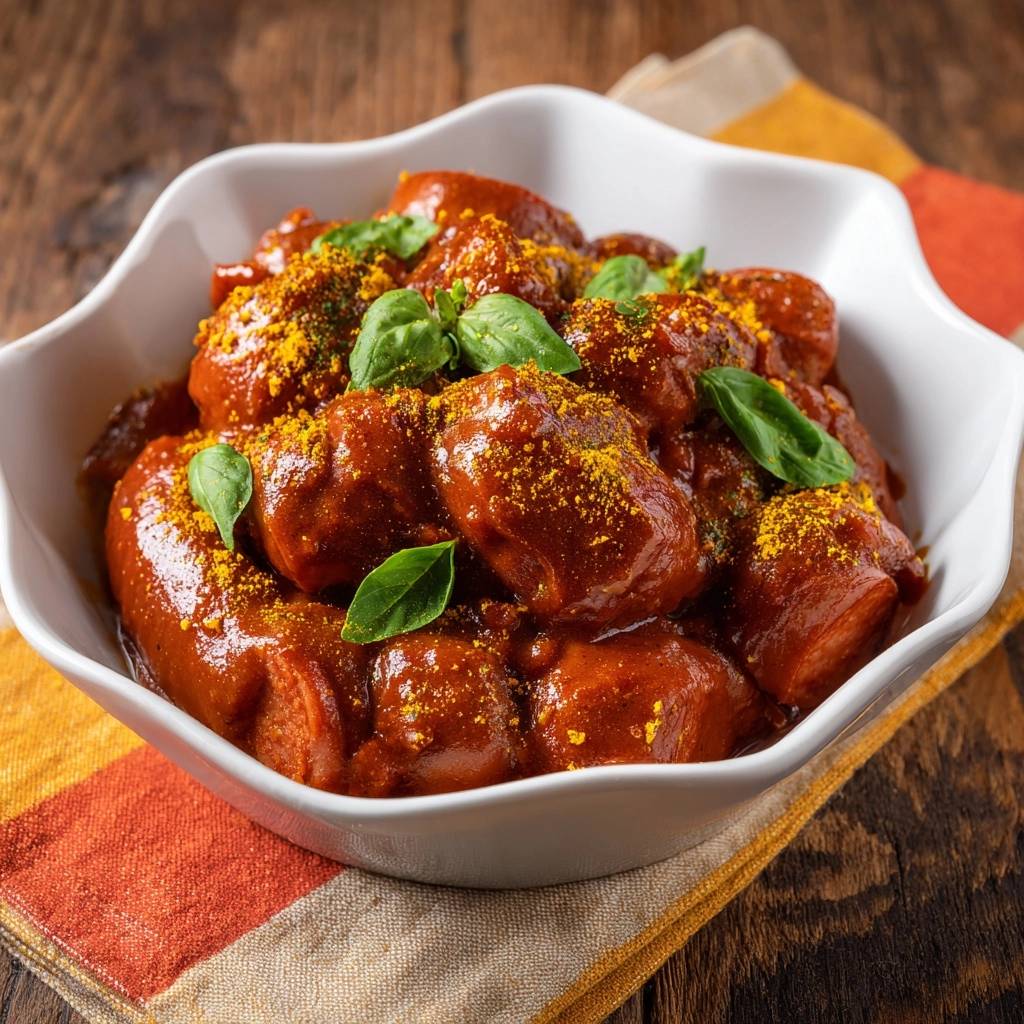
Acidity and viscosity are the two pillars of a great glaze. Apple cider vinegar provides a bright tang that cuts through the richness of the meat, while honey adds a floral sweetness and helps the sauce achieve a sticky, glossy finish. The spice profile is equally important; we use a combination of mild curry powder, smoked paprika, and aromatics to create depth. Toasting the curry powder in the pan before adding liquids is a non-negotiable step that wakes up the volatile oils in the spices.
Selecting High-Quality Bratwurst and Veal Sausages
Since we are avoiding pork, the selection of your beef or veal bratwurst is paramount. Look for sausages with a high fat-to-lean ratio, as the fat is what carries the flavor and keeps the meat juicy during the high-heat sear. Avoid any brands that list heavy fillers or “mechanically separated” meats on the label, as these will release too much moisture in the pan and prevent you from getting that essential crust. A natural casing is always preferred for that signature “pop” when you bite into it.
The Role of Aromatics and Dry Spices
While fresh garlic and onions are staples in many kitchens, this specific glaze relies on high-quality powders for a very intentional reason. Fresh aromatics release water as they cook, which can thin out your sauce and prevent it from reaching that heavy, spoon-coating consistency. Onion and garlic powders provide the savory backbone we need while keeping the texture perfectly smooth. Additionally, smoked paprika adds a subtle wood-fired depth that mimics the flavor of a traditional street-side grill.
Step-by-Step: Achieving the Perfect Sausage Sear
To start, you need your oil to be shimmering hot. If the oil isn’t hot enough when the sausages hit the pan, they will stick and steam rather than sear. Use a large skillet and place the sausage rounds in a single layer with plenty of space between them. If you crowd the pan, the temperature will drop, and the moisture escaping the meat will turn into steam, ruining your chances of a crisp crust.
Work in batches if you have to; it’s worth the extra few minutes. You are looking for a deep, dark golden-brown color on both sides of the rounds. This isn’t just about aesthetics; that dark crust is the “Anti-Soggy” insurance policy. Once they look beautifully caramelized and smell incredible, pull them out of the pan and let them rest on paper towels. This keeps the bottoms from sitting in excess oil while you build the sauce.
For more ways to prepare juicy sausages, explore this Cheesy Curry Sausage Bake.
Developing the Concentrated Curry Reduction
After removing the sausages, don’t wipe out the pan! Those little brown bits left behind are flavor gold. Lower the heat and add your tomato paste and curry powder directly into the residual fat. Stir this constantly for about a minute. You’ll see the color darken and the aroma will suddenly fill your kitchen. This “blooming” process removes the metallic taste of the paste and ensures the spices are fully integrated into the fat.
Next, stir in the passata, honey, vinegar, and the remaining spices. Let this simmer uncovered. You aren’t just heating it up; you are reducing it. Watch as the bubbles get larger and the sauce transforms from a thin liquid into a heavy, concentrated glaze. Use the “nappe” test: dip a spoon into the sauce and run your finger across the back. If the line stays clean and the sauce doesn’t run, you’ve reached the perfect consistency.
For a quicker meal with similar flavors, check out this smoked sausage curry skillet.
The Final Glaze: Combining Heat and Texture
This is the moment of truth. Once your sauce is thick and glossy, toss the seared sausages back into the pan. You only want them in there for 30 to 60 seconds. This is a gentle fold, not a long simmer. The goal is to coat every single millimeter of that crispy crust with the hot glaze without giving the moisture enough time to penetrate and soften the sear.
Use a spatula to turn the pieces over until they are glistening and completely covered. The heat of the sauce will warm the meat through perfectly. If you leave them in too long, you’ll lose that snap we worked so hard to create. As soon as they look like shiny, red-gold nuggets of joy, get them out of the pan and into your serving bowl immediately.
Troubleshooting Common Currywurst Texture Issues
If your sauce feels too thin even after simmering, don’t panic. You can continue to reduce it for another few minutes, or if you’re in a rush, a tiny bit of tomato paste can help thicken it instantly. Avoid using a cornstarch slurry if possible, as it can make the sauce look cloudy rather than glossy. If the sausages didn’t brown properly, it’s usually because the heat was too low or the pan was too crowded. Next time, turn up the flame and give them more breathing room.
Sometimes the sauce can lean too far into the acidic side depending on the brand of passata you use. If it tastes too sharp, add a tiny pinch more honey to balance it out. Conversely, if it’s cloyingly sweet, a few extra drops of apple cider vinegar will brighten it right up. Cooking is all about tasting as you go, so don’t be afraid to tweak the balance before the sausages go back in.
Optimal Pairings for Saucy Curry Wurst Bites
To truly honor the street food tradition, serve these bites with crispy, double-fried fries (Pommes). The saltiness of the fries is the perfect partner for the sweet and spicy sauce. If you want something simpler, a thick slice of crusty sourdough or a toasted roll is essential for mopping up every last drop of that glaze. You don’t want a single bit of that sauce to go to waste!
Complementary Recipes to Try
Enjoy these dishes that pair well with your saucy curry wurst bites.
- For a comforting noodle bowl that also features curry flavors, try the Golden Coconut Curry Noodle Soup with Crispy Skin.
- If you like stir-fried dishes with crisp vegetables, consider the Beef Zoodle Stir-Fry for a fresh take.
For a bit of contrast, a sharp, chilled cucumber salad with plenty of dill can provide a refreshing break from the rich, heavy flavors of the meat. The coolness of the cucumbers cleanses the palate between bites, making the next piece of sausage taste just as impactful as the first. Avoid anything too mushy or soft as a side; you want textures that compete with or complement the snap of the sausage.
Advanced Flavor Variations and Heat Adjustments
If you’re a fan of serious heat, you can easily customize this glaze. Swapping the mild curry powder for a hot Madras blend or adding a pinch of cayenne pepper will give it a significant kick. For those who prefer a fruitier, more complex profile, stirring in a teaspoon of mango chutney or apricot preserves during the reduction phase adds a wonderful layer of sweetness that pairs beautifully with the smoked paprika.
The type of curry powder you choose will change the entire personality of the dish. A blend heavy on turmeric will be earthier, while one with more cumin and coriander will feel warmer and more aromatic. Experimenting with different regional blends is a great way to keep this recipe fresh every time you make it. Just remember to always toast the spices to get the most out of them.
Expert Tips for High-Volume Entertaining
If you’re serving this at a party, the best strategy is to sear all your sausages in advance and keep them on a wire rack in a low oven (around 200°F). This keeps them warm and maintains the crust. You can make the sauce ahead of time as well. When your guests are ready to eat, simply bring the sauce back to a simmer, toss the warm sausages in to glaze, and serve. This ensures everyone gets that perfect “Anti-Soggy” experience without you being stuck at the stove all night.
Don’t forget the final dusting! Right before the bowl hits the table, sprinkle a little extra raw curry powder over the top. This provides an immediate aromatic hit the moment the dish is placed down. It looks professional and adds a bright, fresh spice note that cuts through the cooked glaze. It’s the small details like this that turn a simple snack into a memorable meal.
Frequently Asked Questions
Can I use pre-cooked sausages for this recipe?
You can certainly use pre-cooked sausages, but they often contain more internal moisture than raw ones. To ensure you still get a great sear, pat them extremely dry with paper towels before slicing and hitting the pan. You may need to sear them slightly longer to achieve the same dark crust, as the goal is to drive off that surface moisture quickly.
How do I store and reheat leftovers without losing the snap?
Store leftovers in an airtight container in the fridge for up to three days. To reheat, avoid the microwave at all costs, as it will turn the sausage rubbery and the sauce watery. Instead, use an air fryer at 350°F for about 5 minutes or a toaster oven. This helps re-crisp the casing and keeps the sauce thick and clingy.
What is the best substitute for tomato passata?
If you can’t find passata, you can use high-quality canned crushed tomatoes. To get the right texture, run them through a fine-mesh sieve to remove the seeds and larger chunks. You can also use a mix of plain tomato sauce and a tablespoon of water, but avoid using ketchup as a base, as it is already seasoned and will make the final dish far too sweet and salty.
Why is my curry powder tasting bitter?
Bitterness usually happens if the spices are scorched during the “blooming” phase. Curry powder contains turmeric, which burns very easily. If your pan is smoking or the spices turn black, they will taste bitter. Always lower the heat before adding the dry spices and tomato paste, and keep them moving constantly. If they do burn, it’s best to wipe the pan and start that step over.
Is there a way to make this sauce sugar-free?
Yes, you can omit the honey and rely on the natural sugars in the tomato reduction, though the sauce won’t be quite as glossy. Alternatively, you can use a sugar-free sweetener like monk fruit or erythritol. Keep in mind that honey also acts as a thickener, so if you use a liquid sugar-free substitute, you may need to simmer the sauce for a few extra minutes to reach the desired thickness.
Curry Wurst
Course: AppetizerCuisine: GermanDifficulty: easy4
servings10
minutes20
minutes345
kcal30
MinutesA specialized method for making Curry Wurst that focuses on a deep sear and a reduced sauce to maintain the sausage’s firm texture and ensure the sauce clings perfectly to every bite.
Ingredients
1 pound high-quality bratwurst or veal sausages, sliced into 1-inch rounds
1 cup tomato puree (passata)
2 tablespoons tomato paste
1 1/2 tablespoons mild curry powder, plus extra for dusting
1 teaspoon smoked paprika
1/2 teaspoon onion powder
1/2 teaspoon garlic powder
1 tablespoon honey
1 tablespoon apple cider vinegar
1 teaspoon Worcestershire sauce
2 tablespoons vegetable oil
Fresh basil leaves for garnish
Directions
- The key to the perfect texture is the initial sear. Heat the vegetable oil in a large skillet over medium-high heat until it shimmers. Add the sausage rounds in a single layer. Do not crowd the pan; work in batches if necessary.
- Sear the sausages for 3 to 4 minutes per side until a deep, dark golden-brown crust forms. This crust is the secret to the Anti-Soggy Sausage promise; it creates a textured surface for the sauce to grip and prevents the meat from becoming mushy. Remove sausages from the pan and set aside on a paper-towel-lined plate.
- In the same pan, lower the heat to medium. Add the tomato paste and 1 tablespoon of the curry powder. Toast the spices in the residual oil and sausage fat for 60 seconds, stirring constantly, to unlock the aromatics and remove the raw metallic taste of the paste.
- Stir in the tomato puree, honey, vinegar, Worcestershire sauce, paprika, onion powder, and garlic powder. Simmer uncovered for 8 to 10 minutes, stirring occasionally, until the sauce reduces and thickens significantly. You want a heavy, glaze-like consistency that coats a spoon.
- Once the sauce is thick, toss the seared sausages back into the pan. Fold them gently for about 30-60 seconds-just long enough to glaze them thoroughly without steaming the crust soft.
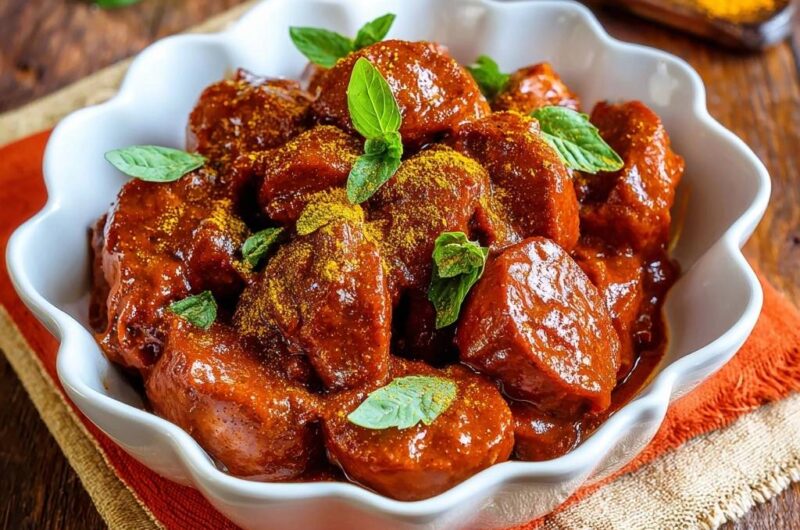
- Transfer immediately to a serving bowl. Dust with a generous final layer of fresh curry powder for visual impact and a hit of raw spice. Garnish with fresh basil leaves and serve immediately while the casing is still snappy.
Notes
- The secret to the Anti-Soggy Sausage promise is the initial sear which creates a textured surface for the sauce to grip and prevents the meat from becoming mushy.