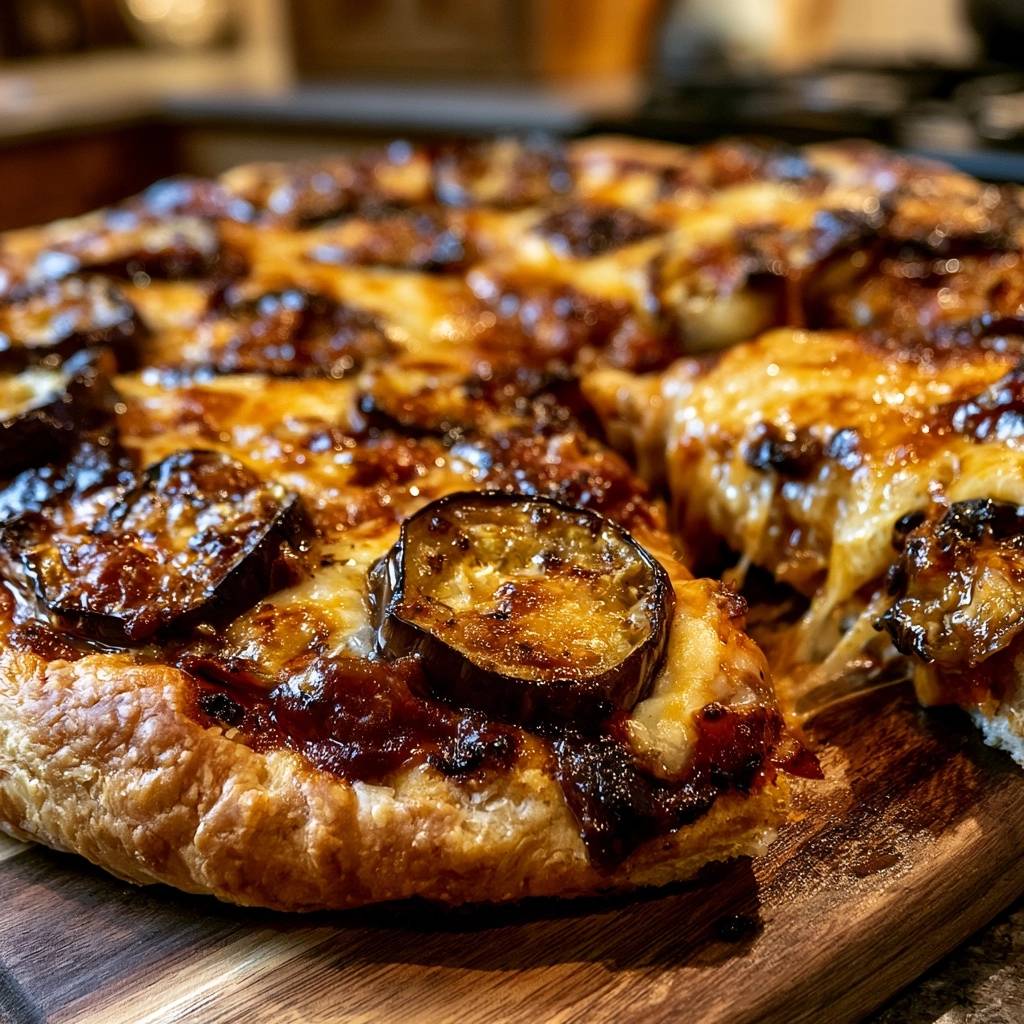
Imagine biting into a slice of tart where the puff pastry doesn’t just crumble, it shatters. You get that immediate, buttery crunch followed by the velvety richness of jammy balsamic onions and tender, roasted eggplant. It’s a textural masterpiece that balances the savory depth of melted cheese with the sweet, tangy notes of a slow-cooked onion reduction. Most vegetable tarts end up as a soggy disappointment, but this version is all about that high-contrast mouthfeel.
The secret to this success isn’t just in the ingredients, but in how we handle the moisture. Eggplant is essentially a sponge filled with water, and if you don’t treat it right, it will dump all that liquid directly into your beautiful pastry. We’re going to use a specific layering technique and a pre-roasting method that ensures every single bite remains crisp, golden, and structurally sound. It’s the kind of dish that looks like it came from a high-end bistro but is surprisingly simple to execute at home.
I’ve found that the real “pro” move here is the cheese barrier. By placing a layer of finely grated parmesan directly onto the raw dough before any vegetables touch it, you create a fat-based shield. This prevents the moisture from the onions and eggplant from ever reaching the pastry fibers. It’s a small step that makes a massive difference in the final result, turning a good tart into a professional-grade centerpiece.
The Science of Preventing a Soggy Tart Crust
Eggplant is a unique vegetable because its cellular structure is incredibly porous. When it hits the heat of the oven, those cells collapse and release a significant amount of water. If you place raw or even sautéed eggplant directly onto puff pastry, that water turns the dough into a gummy, unappetizing mess. This is why we use osmosis to our advantage by salting the eggplant rounds first. The salt draws the water out to the surface, allowing us to pat it away before the cooking even begins.
Pre-roasting the eggplant is the second line of defense. By roasting the slices at 400°F before they ever meet the tart, we’re evaporating the remaining internal moisture. This process also kickstarts the Maillard reaction, which is the chemical reaction between amino acids and reducing sugars that gives browned food its distinctive, savory flavor. You aren’t just drying the eggplant out; you’re concentrating its natural sugars and creating a meaty, umami-rich texture that holds up against the buttery pastry.
The onions undergo a similar transformation. Slow-cooking them allows the sulfur compounds to break down while the natural sugars caramelize. By the time you add the balsamic vinegar and brown sugar, you’ve created a thick, jam-like consistency. Because we’ve cooked off the liquid in the onions and the eggplant separately, the tart enters the oven with “dry” toppings. This allows the puff pastry to rise and crisp up perfectly without being weighed down by vegetable juices.
Essential Components for the Caramelized Eggplant and Onion Tart
Quality is everything when you’re working with a handful of ingredients. For the puff pastry, look for a brand that uses real butter rather than vegetable oils. Butter creates more distinct layers and a much richer flavor profile. If the pastry feels limp or warm while you’re working with it, pop it back in the fridge for ten minutes. Cold fat is the only way to get that dramatic, flaky rise we’re looking for.
Yellow onions are the workhorse of this recipe for a reason. They have a higher sugar content than white onions and a more complex flavor than red onions when cooked down. When you deglaze the pan with balsamic vinegar, use a version that is slightly syrupy. A high-quality balsamic adds a necessary acidity that cuts through the richness of the mozzarella and the buttery crust, balancing the entire palate.
Selecting and Preparing the Perfect Eggplant
When you’re at the market, look for an eggplant that feels heavy for its size with smooth, shiny skin. If you press it lightly with your thumb, it should bounce back; if it leaves a permanent indentation, it’s likely overripe and bitter. I recommend slicing the rounds to exactly 1/2 inch. This thickness is the “Goldilocks” zone—it’s thick enough to stay creamy in the center after two rounds of baking, but thin enough to brown beautifully during the pre-roast.
Cheese Selection: The Edible Moisture Barrier
We use two different cheeses here for very specific reasons. The parmesan is our “dry” cheese. Because it has low moisture and high fat, it acts as a sealant on the dough. The mozzarella, on the other hand, provides that classic cheese pull and acts as a glue to hold the eggplant rounds in place. If you want to experiment, a sharp aged provolone or a vegetarian-friendly hard cheese can work beautifully in place of the parmesan, provided they are finely grated.
Step-by-Step: Preparing the Caramelized Eggplant and Onion Tart
Phase 1: The Salt and Roast Technique
Start by laying your eggplant rounds on paper towels and salting them generously. You’ll actually see beads of water forming on the surface after about 15 minutes. Don’t be shy when patting them dry; you want as much moisture gone as possible. When you roast them, make sure they aren’t overlapping on the tray. They need space for the hot air to circulate so they brown rather than steam. They should come out of the oven looking slightly shrunken and golden around the edges.
Phase 2: Achieving Jammy Balsamic Onions
Caramelizing onions is an exercise in patience. Keep the heat at a steady medium and resist the urge to turn it up. If the onions start to look dry or catch on the bottom of the pan, add a tiny splash of water to loosen the browned bits. Once they are a deep mahogany color, stir in the balsamic vinegar and brown sugar. The mixture should become thick and glossy, almost like a savory marmalade. This “jam” is the flavor base of your entire tart.
Phase 3: Scoring and Docking the Puff Pastry
Rolling out the pastry should be done quickly to keep it cold. When you score the 1-inch border, you’re essentially telling the pastry where to rise. The border will puff up high, while the center—which we “dock” by pricking with a fork—will stay flat to hold the toppings. This creates a beautiful “picture frame” effect. If the dough feels soft at this stage, put the whole tray in the freezer for five minutes before you start layering.
Phase 4: The Strategic Layering Order
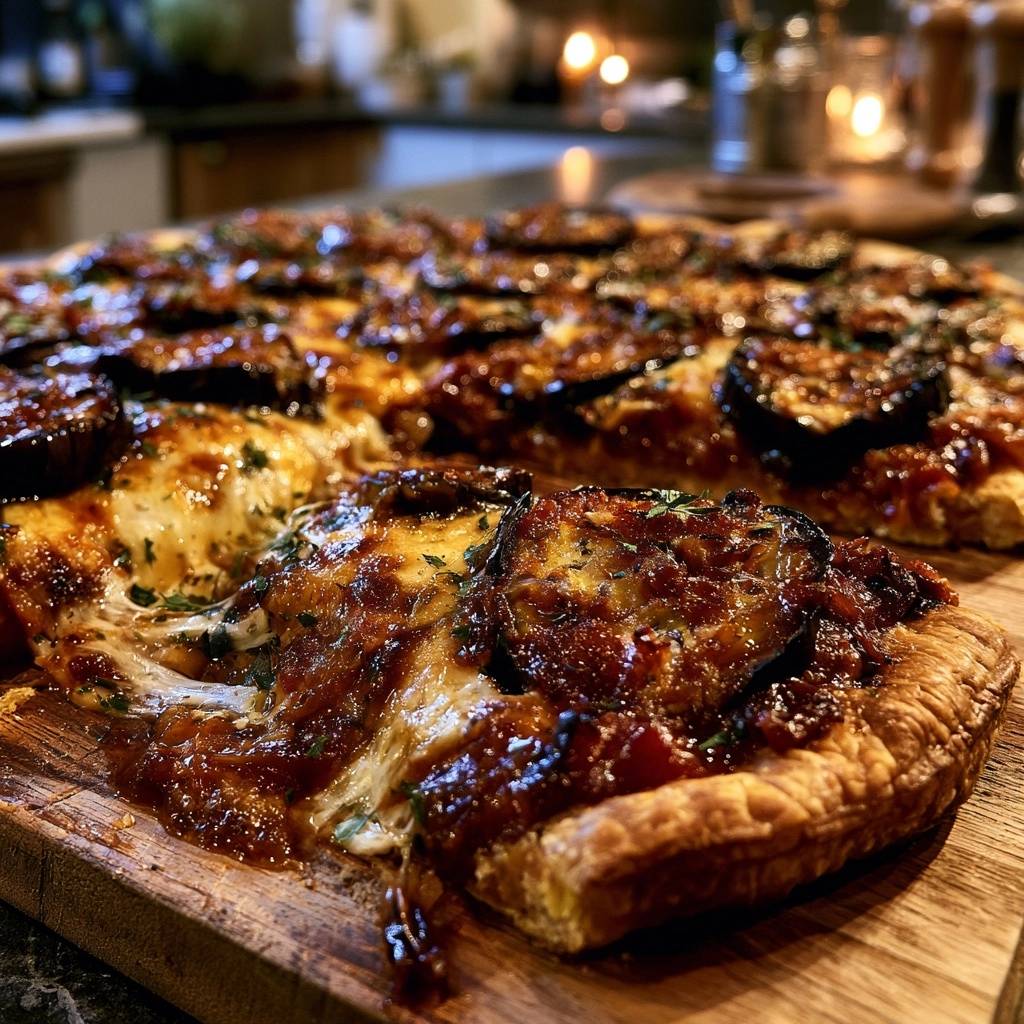
Now comes the assembly. Start with the parmesan, then spread the onion jam in an even layer. Follow with the mozzarella, and finally, shingle the roasted eggplant on top. By putting the eggplant on the very top, any remaining steam can escape into the oven air. If you buried the eggplant under the cheese, that steam would be trapped and forced downward into the crust. Brush that border with egg wash for a professional, lacquered finish.
Troubleshooting Common Savory Tart Issues
If your pastry isn’t rising into those beautiful, flaky layers, your oven might be too cool. Puff pastry relies on the water in the butter turning into steam instantly to lift the dough. Always use an oven thermometer to ensure you’re truly at 400°F. If your onions are browning too fast or smelling acrid, lower the heat immediately and add a teaspoon of water to regulate the temperature.
Sometimes the eggplant can feel a bit oily if you used too much oil during the roasting phase. If you notice this after roasting, simply blot the rounds with a fresh paper towel before placing them on the tart. If the center of your tart is rising too much despite docking, you can gently press it down with a spatula halfway through the baking time, though the weight of the cheese usually prevents this.
Flavor Variations and Ingredient Swaps
Once you master the base technique, you can get creative with the flavor profile. For a more Mediterranean vibe, try adding a few roasted garlic cloves into the onion jam or swapping the thyme for fresh rosemary. If you prefer a tangier tart, replace the mozzarella with crumbled goat cheese or feta. These cheeses don’t melt in the same way, but they provide a beautiful creamy contrast to the sweet onions.
For a modern twist, a drizzle of hot honey over the finished tart adds a spicy-sweet kick that pairs perfectly with the eggplant. You could also sprinkle some za’atar or toasted pine nuts over the top after baking for extra crunch and earthy flavor. If you want more greens, a handful of fresh arugula tossed in lemon juice and placed on top of the warm tart just before serving adds a wonderful peppery brightness.
Optimal Serving Suggestions and Pairings
This tart is quite rich, so it pairs best with something bright and acidic. A simple arugula or watercress salad with a sharp lemon vinaigrette is the perfect companion. The bitterness of the greens cuts right through the buttery pastry and the sweet caramelized onions. For a more substantial meal, a light tomato-based soup also works well.
When it comes to drinks, look for something crisp. A sparkling apple cider or a chilled herbal infusion like hibiscus tea provides a refreshing contrast. If you’re serving this for brunch, a cold-pressed grapefruit juice offers a sophisticated bitterness that cleanses the palate between bites of the savory, cheesy tart.
Make-Ahead Strategies and Reheating Instructions
You can easily prep the components of this tart 24 hours in advance. Roast the eggplant and caramelize the onions, then store them in airtight containers in the fridge. When you’re ready to eat, simply assemble and bake. This makes it an excellent option for dinner parties where you don’t want to be stuck in the kitchen for an hour.
If you have leftovers, avoid the microwave at all costs! It will turn the pastry into a soggy, chewy mess. Instead, reheat slices in a 350°F oven or an air fryer for 5-8 minutes. This will reactivate the fats in the pastry and restore that “shatter-crisp” texture. Store any leftovers in an airtight container in the refrigerator for up to three days.
Expert Tips for Professional Results
For the absolute crispiest bottom, bake your tart on a preheated pizza stone or a heavy-duty baking steel. The immediate contact with a hot surface ensures the bottom crust sets before any moisture can migrate. Also, when applying your egg wash, be careful not to let it drip down the cut edges of the pastry. The egg can act like glue, sealing the layers together and preventing the tart from rising to its full height.
Finally, don’t skip the wire rack rest. If you leave the tart on the flat baking sheet, the residual steam from the bottom of the crust has nowhere to go and will be reabsorbed, softening your hard-earned crunch. Five minutes on a rack allows the air to circulate underneath, locking in that crispiness. It’s the final step to ensuring your tart is as perfect as it looks.
How do I store leftovers and can I freeze this tart?
Store any leftover tart in an airtight container in the refrigerator for up to 3 days. To maintain the texture, place a piece of parchment paper between layers if stacking. I do not recommend freezing the fully assembled and baked tart, as the eggplant can become watery and the pastry will lose its crispness upon thawing. However, you can freeze the caramelized onions and roasted eggplant separately for up to a month.
Why is the bottom of my tart soggy despite pre-roasting the eggplant?
A soggy bottom usually happens for one of two reasons: the oven temperature was too low or the pastry wasn’t docked enough. Ensure your oven is fully preheated to 400°F. Additionally, make sure you didn’t skip the parmesan cheese layer. That layer of cheese is vital because it melts into a thin, waterproof barrier that protects the dough from the moisture in the onions and eggplant.
Can I use a different type of pastry for this recipe?
While puff pastry provides the best “shatter-crisp” texture, you can use a standard savory pie crust or even a phyllo dough base. If using phyllo, you will need to layer 6-8 sheets, brushing each with melted butter. Keep in mind that the baking time may vary; phyllo will cook much faster, while a standard pie crust may need a few extra minutes to fully bake through under the heavy toppings.
What can I use if I don’t have balsamic vinegar?
If you’re out of balsamic, you can substitute it with red wine vinegar mixed with an extra teaspoon of brown sugar to mimic the sweetness. Apple cider vinegar also works in a pinch, though it will have a fruitier, sharper profile. The goal is to provide acidity to balance the sugars in the onions, so any medium-strength vinegar will technically work, though the flavor profile will shift slightly.
My onions are taking much longer than 20 minutes to caramelize. What am I doing wrong?
Caramelization time can vary wildly based on the water content of your onions and the type of pan you are using. If they are taking a long time, don’t rush them by cranking up the heat, as this will burn them. You can speed up the process slightly by adding a tiny pinch of baking soda, which raises the pH and accelerates the browning reaction, but use it sparingly as it can affect the texture if you overdo it.
Can I make this recipe gluten-free?
Yes, you can use a gluten-free puff pastry sheet, which are now commonly available in the freezer section of many health food stores. Be aware that gluten-free pastry tends to be more delicate and may not rise as high as traditional wheat-based pastry. Handle it gently while it’s cold, and ensure you don’t over-bake it, as gluten-free dough can go from golden to burnt very quickly.
Caramelized Eggplant and Onion Tart
Course: Main CourseCuisine: French InspiredDifficulty: easy6
servings20
minutes55
minutes75
Minutes340
kcalFrench Inspired
Ingredients
1 sheet frozen puff pastry, thawed
1 large eggplant, sliced into 1/2 inch rounds
2 large yellow onions, thinly sliced
3 tablespoons olive oil, divided
2 tablespoons balsamic vinegar
1 tablespoon brown sugar
1.5 cups shredded mozzarella cheese
1/2 cup grated parmesan cheese
1 egg (for egg wash)
Salt and black pepper to taste
Fresh thyme or oregano for garnish
Directions
- Preheat your oven to 400°F (200°C). Place eggplant rounds on a paper towel-lined tray and sprinkle generously with salt. Let sit for 20 minutes to draw out excess water. Pat them completely dry with fresh paper towels.
- Toss the dried eggplant with 1.5 tablespoons of olive oil. Arrange in a single layer on a parchment-lined baking sheet. Roast for 20 minutes, flipping halfway through, until the eggplant is tender and slightly browned. This ensures the moisture evaporates before it touches the dough.
- While eggplant roasts, heat the remaining 1.5 tablespoons of oil in a skillet over medium heat. Add onions and a pinch of salt. Cook, stirring occasionally, for 15-20 minutes until deep golden brown. Stir in the balsamic vinegar and brown sugar, cooking for another 2 minutes until the onions are jammy and caramelized.
- Roll out the puff pastry on a fresh sheet of parchment paper. Use a knife to lightly score a 1-inch border around the edge (do not cut all the way through). Use a fork to prick the center area repeatedly.
- Sprinkle the parmesan cheese directly onto the center of the raw dough. This creates a fat-based barrier that prevents the onion and eggplant juices from soaking into the pastry.
- Spread the caramelized onion jam over the parmesan. Layer the mozzarella cheese over the onions.
- Top with the pre-roasted eggplant rounds, pressing them slightly into the cheese. Brush the 1-inch pastry border with a beaten egg wash for a deep golden shine.
- Bake for 20 to 25 minutes until the pastry border is high, dark golden brown, and the cheese is bubbling and caramelized.
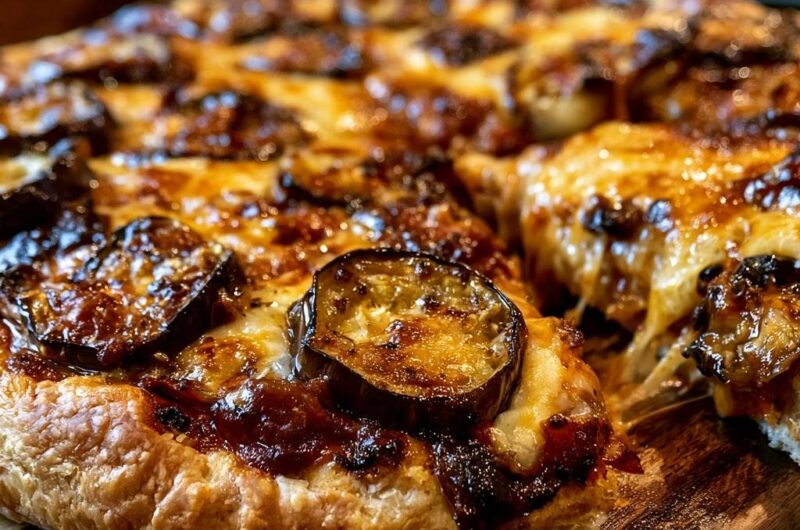
- Transfer the tart to a wire rack immediately. Let it rest for 5 minutes before slicing to allow steam to escape, preserving the “shatter-crisp” bottom shown in the image.
Notes
- To ensure the crispest possible bottom, always transfer the tart to a wire rack immediately after baking to prevent steam from softening the pastry.