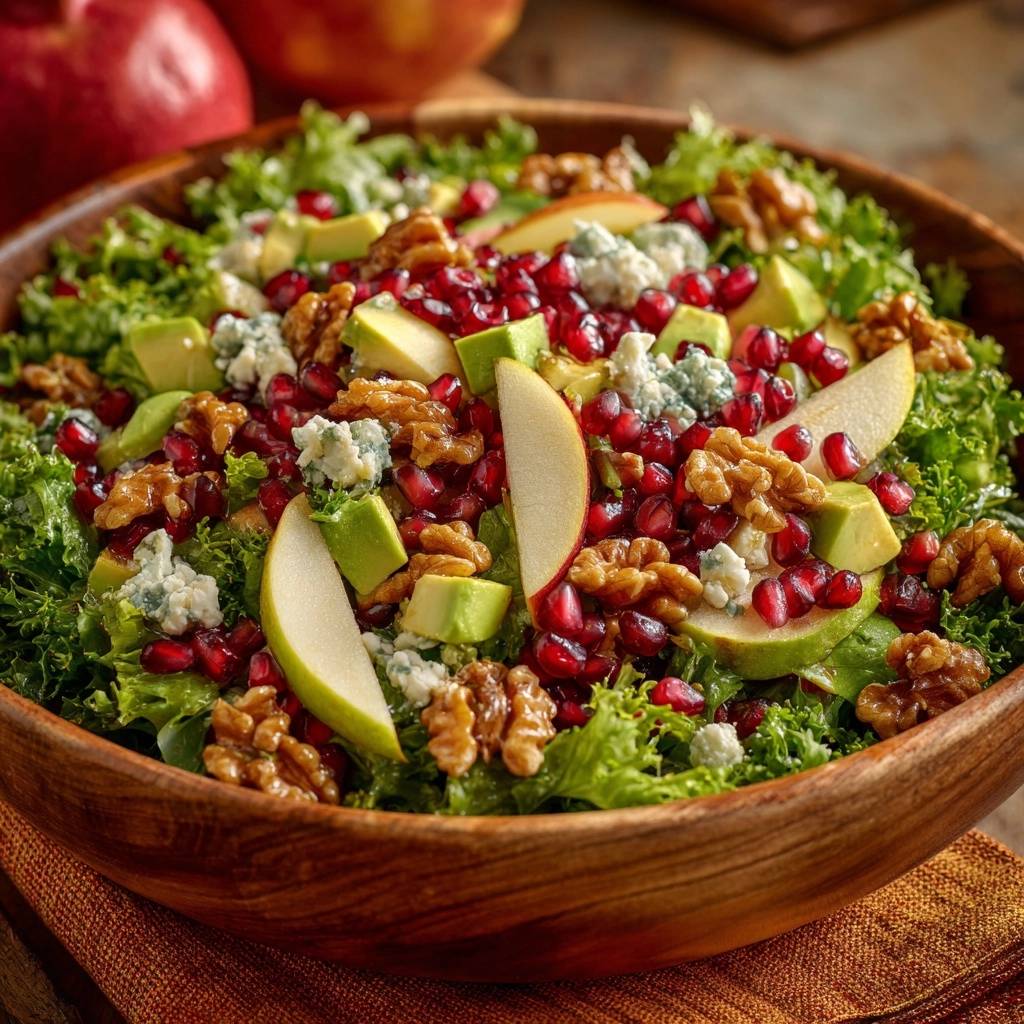
Most people think they hate kale because they’ve only eaten it raw, tough, and bitter. You know the feeling of chewing on what tastes like a dry hedge while the dressing pools sadly at the bottom of the bowl. This Harvest Kale and Apple Salad changes that narrative by focusing on structural integrity and a specific prep technique that turns those fibrous leaves into something silky and crave-able.
The secret to a professional-grade salad isn’t just the ingredients; it’s how you handle the moisture. By using a “massage” method and a strategic moisture barrier, you can serve a salad that stays vibrant and crisp for hours. Whether you’re hosting a dinner party or meal prepping for the week, this dish won’t turn into a soggy mess by the time you’re ready to eat.
I’ve found that the real trick is in the timing of the salt. When you massage the kale with sea salt and a touch of oil first, you’re actually performing a quick “cure.” This breaks down the tough cellulose walls, making the greens tender and bright green while ensuring they don’t release excess water later and dilute your beautiful dressing.
The Anatomy of a Crisp Harvest Kale and Apple Salad
Every ingredient in this bowl serves a structural purpose. For the fruit, you need a high-density apple like a Honeycrisp or a Granny Smith. These varieties have a tight cellular structure that provides a loud, satisfying crunch and won’t turn to mush when they hit the acidic dressing.
The fat content is equally important for a balanced mouthfeel. The creamy avocado and toasted walnuts provide a rich, buttery contrast to the sharp, acidic apple cider vinegar. Meanwhile, the blue cheese acts as your primary salt component, offering a pungent punch that cuts through the sweetness of the honey and pomegranate.
Selecting the Right Kale Variety
While Lacinato (or Dino) kale is popular, I actually prefer curly kale for this specific recipe. The tight ruffles and ridges of curly kale act like little scoops that hold onto the dressing and the pomegranate seeds. Because we are using a heavy massage technique, the extra surface area of the curly variety allows for more friction, leading to a more tender result.
The Role of Acid in Fruit Preservation
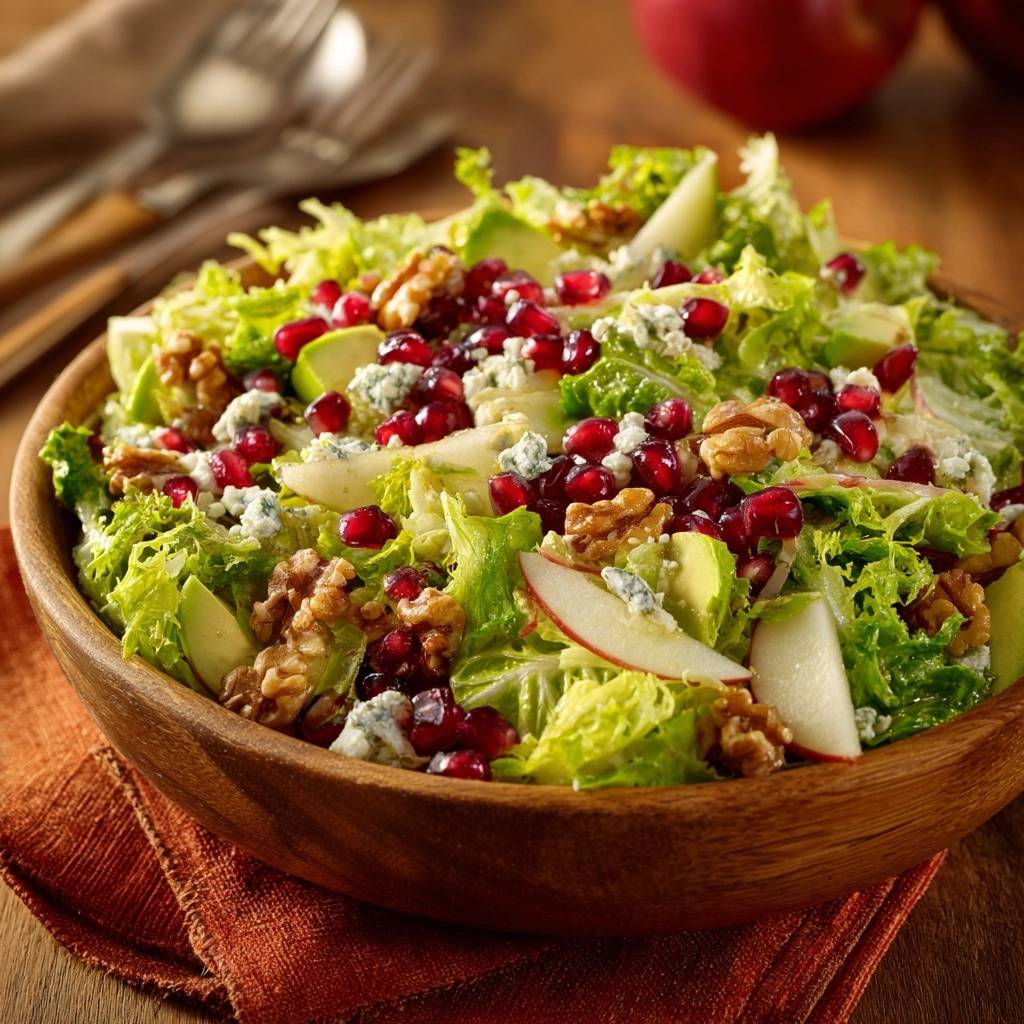
Apples and avocados are notorious for browning the second they hit the air due to enzymatic browning. However, the acetic acid in apple cider vinegar acts as a pH buffer. By coating these delicate items in the dressing early, you create a protective seal that keeps your produce looking fresh and vibrant for hours on the table.
The Science of Massaging Kale for Tenderness
Kale is packed with cellulose and lignin, which are the same tough fibers that give trees their strength. Your digestive system struggles with these in their raw state, which is why un-massaged kale feels like eating paper. Manual friction, combined with the abrasive nature of sea salt, physically tears these fibers apart.
As you work the leaves, you’ll notice a physical transformation. The kale will shrink in volume by nearly half, and the color will shift from a dusty forest green to a deep, translucent emerald. This process makes the kale silky and significantly less bitter without the need for cooking.
Step-by-Step: Preparing the Anti-Soggy Foundation
Start by placing your torn kale pieces into a large bowl. Sprinkle over the sea salt and just one tablespoon of the olive oil. Now, get in there with your hands and squeeze the leaves firmly, as if you’re kneading bread dough. Do this for a full two to three minutes.
You’ll know you’re done when the kale feels soft and slightly damp to the touch. The salt is a chemical necessity here because it draws out just enough moisture to soften the leaves while seasoning them from the inside out. Don’t skip this, or your salad will be a chore to chew.
Step-by-Step: Creating the Moisture Barrier
In a separate small jar, whisk your remaining oil, vinegar, honey, and pepper until the mixture is fully emulsified and thick. Instead of dumping this over the whole bowl, take your sliced apples and cubed avocado and toss them in a small portion of the dressing first.
This “separate bowl” technique is the ultimate pro move. It ensures every inch of the browning-prone fruit is coated in acid and oil. This creates a moisture barrier that prevents the avocado from turning into a gray paste when it eventually meets the rest of the ingredients.
Step-by-Step: Layering and Final Assembly
Building this salad is an architectural task. Start with your massaged kale as the base, then layer the dressed apples and avocado on top. Sprinkle the toasted walnuts and pomegranate seeds over the fruit. By placing the heavier, textured items on top, you prevent them from getting lost at the bottom of the bowl.
When you’re ready for the final toss, use a very gentle hand. You want to distribute the remaining dressing without bruising the avocado or knocking the seeds off the apples. The goal is a salad that looks like a jewel box, with every color and texture clearly visible to your guests.
Essential Tools for Salad Precision
I always recommend using a large wooden bowl for the massaging phase. The slight grain of the wood provides better grip for the kale leaves than a slippery stainless steel bowl. Additionally, wood absorbs a tiny bit of the excess moisture, which helps keep the final product from feeling greasy.
For the dressing, skip the whisk and bowl and use a glass jar with a tight lid. Shaking the dressing vigorously in a jar creates a much tighter emulsion than whisking. This ensures the honey and oil don’t separate the moment they hit the greens.
Flavor Variations and Ingredient Swaps
If you find blue cheese a bit too aggressive, you can easily swap it for a creamy goat cheese or a salty feta. For a vegan-friendly version, replace the honey with maple syrup; the earthy sweetness of maple actually pairs beautifully with the toasted walnuts.
For a different kind of autumnal delight, consider this easy harvest nut cheesecake.
If you want to change the crunch factor, try toasted pecans or even smoked almonds. The key is to maintain that balance of sweet, salty, and fatty. As long as you keep those three pillars, the salad will be a success.
Nut-Free and Seed-Heavy Alternatives
For those with nut allergies, roasted pumpkin seeds (pepitas) or sunflower seeds are excellent substitutes. They still provide that essential “Harvest” crunch and a hit of healthy fats. Just make sure to toast them briefly in a dry pan until they pop to bring out their nutty aroma.
Strategic Pairings for a Complete Meal
This salad is quite acidic and bright, so it pairs best with earthy, savory main courses. It’s a fantastic side for roasted root vegetables like carrots or parsnips. If you want something more substantial, serve it alongside a warm quinoa pilaf or a hearty lentil soup.
The sharpness of the apple cider vinegar also cuts through rich flavors beautifully. Therefore, it works well with roasted chicken or a thick mushroom risotto. Avoid serving it with other highly acidic dishes, like a lemon-heavy pasta, as the flavors might clash.
Troubleshooting Common Texture Issues
If your kale still feels tough or “pokey” after massaging, you simply haven’t worked it long enough. Give it another minute of firm squeezing. On the other hand, if the salad feels too oily, add a tiny splash of extra vinegar to brighten the palate and cut through the fat.
If you find your apples have softened before serving, you can shock them in ice water for a few minutes to regain some snap. However, if you follow the moisture barrier technique with the dressing, this shouldn’t be an issue.
Make-Ahead Strategy and Storage Logistics
Unlike most salads, this one actually benefits from sitting for about 30 minutes to an hour. This allows the flavors to meld and the kale to soften further. You can store leftovers in an airtight container in the fridge for up to 24 hours.
While the kale will hold up, the pomegranate seeds may lose their “pop” after a full day. If you’re meal prepping this for lunch, I suggest keeping the walnuts and blue cheese in a separate small container and adding them right before you eat to maintain the best texture.
Expert Tips for Professional Presentation
Toasting your walnuts is a non-negotiable step for flavor. Put them in a 350°F oven for about 5-7 minutes. Your nose is the best timer here; the second you smell a deep, nutty aroma, take them out. They go from perfect to burnt in a matter of seconds.
When it comes to the pomegranate, don’t be intimidated. The easiest way to de-seed them is to cut the fruit in half and whack the back with a wooden spoon over a bowl. This keeps the juice from staining your counters and gives you clean, whole seeds.
The “Blue Cheese Finish” Rule
Always make the blue cheese your very last addition. If you toss the cheese too vigorously with the dressing, it will dissolve and turn the whole salad a murky gray color. By crumbling it over the top at the end, you keep those beautiful white pops of color and distinct creamy bites.
Frequently Asked Questions
Can I use pre-bagged chopped kale?
You can, but you must be careful. Pre-bagged kale often contains a lot of the woody, thick stems that are nearly impossible to chew, even with a massage. If you use bagged kale, take a few minutes to pick out the large stem pieces before you start the massage process.
How do I keep the avocado from turning brown overnight?
The best way is to ensure the avocado cubes are completely submerged or coated in the acidic dressing. However, if you plan on eating the salad the next day, it’s always better to add the avocado fresh right before serving for the best color and texture.
Is there a substitute for Apple Cider Vinegar?
Yes, you can use lemon juice or champagne vinegar. Both provide the necessary acidity to soften the kale and prevent the fruit from browning. Avoid using balsamic vinegar here, as it will turn the entire salad a dark, unappealing brown color.
Why is my kale still bitter?
Bitterness in kale is often linked to the toughness of the leaves. The more you massage the kale, the more the bitter compounds are neutralized. If it’s still too sharp for your taste, add a tiny bit more honey to the dressing to balance the flavors.
Can I add grains like farro or quinoa to this?
Absolutely! Adding a cup of cooked farro or quinoa makes this a very filling main course. If you do add grains, increase the dressing by about 25%, as the grains will absorb a significant amount of the liquid.
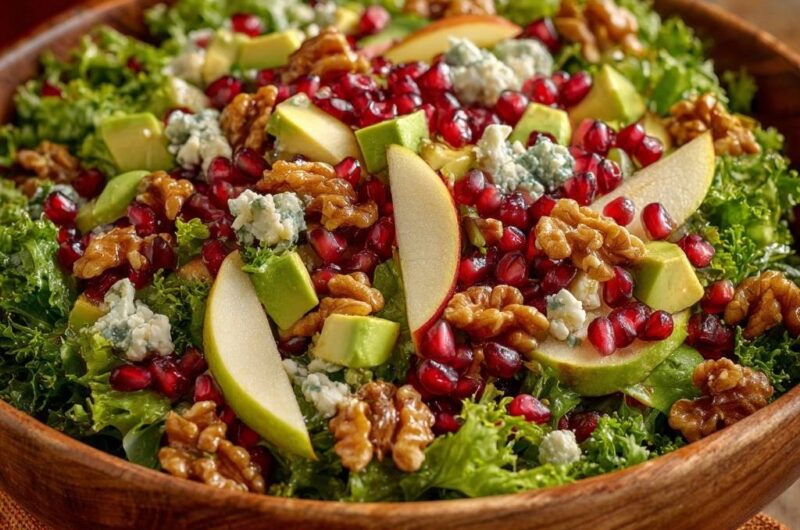
Kale and Apple Salad
Course: SaladCuisine: AmericanDifficulty: easy4
servings15
minutes310
kcal15
MinutesA professional-grade kale salad featuring a moisture-locking barrier and massage technique to keep greens crisp. Combined with sweet pomegranate, toasted walnuts, and creamy blue cheese for a perfect texture balance.
Ingredients
1 large bunch curly kale, stems removed and torn into bite-sized pieces
2 crisp apples (such as Honeycrisp or Granny Smith), thinly sliced into wedges
1 ripe avocado, cubed
3/4 cup pomegranate seeds
1/2 cup walnut halves, lightly toasted
1/3 cup crumbled blue cheese
3 tablespoons extra virgin olive oil
2 tablespoons apple cider vinegar
1 tablespoon honey
1/2 teaspoon sea salt
1/4 teaspoon black pepper
Directions
- The Anti-Soggy Foundation: Place the kale in a large wooden bowl. Sprinkle with the sea salt and 1 tablespoon of the olive oil. Using clean hands, firmly massage the kale for 2 to 3 minutes. This breaks down the tough cellulose structure, turning the leaves tender and bright green while preventing them from releasing excess water later.
- Create the Moisture Barrier: In a small jar, whisk the remaining olive oil, apple cider vinegar, honey, and pepper until emulsified. Toss the sliced apples and avocado cubes in a small portion of this dressing in a separate bowl. This light coating of oil and acid prevents the fruit from browning and keeps the avocado from turning mushy.
- Layer for Texture: Add the massaged kale to the serving bowl. Arrange the dressed apples, avocado, toasted walnuts, and a generous amount of pomegranate seeds over the top.
- The Final Toss: Drizzle the remaining dressing over the salad. Toss gently to ensure the kale is coated without bruising the delicate fruit and avocado.
- Finish and Serve: Top with the crumbled blue cheese just before serving to ensure the cheese stays creamy and distinct rather than dissolving into the dressing. This salad can sit for up to two hours and will remain perfectly crisp.
Notes
- Massaging the kale with salt and oil for 2 to 3 minutes is essential to break down the cellulose. Coating apples and avocado in dressing separately prevents browning and mushiness.