Ever sliced into banana nut bread only to hit that dry, crumbly letdown? You know the kind that turns to sawdust in your mouth. This moist banana nut bread recipe changes everything with vegetable oil instead of butter. Dinner’s not on the table here, but breakfast or snack time beats takeout any day, ready in under 90 minutes total.
Here’s why it works so well. Oil stays liquid at room temperature, unlike butter that hardens and squeezes out moisture as it cools. Therefore, every bite stays tender for days. You’ll get that perfect soft crumb without the usual disappointment.
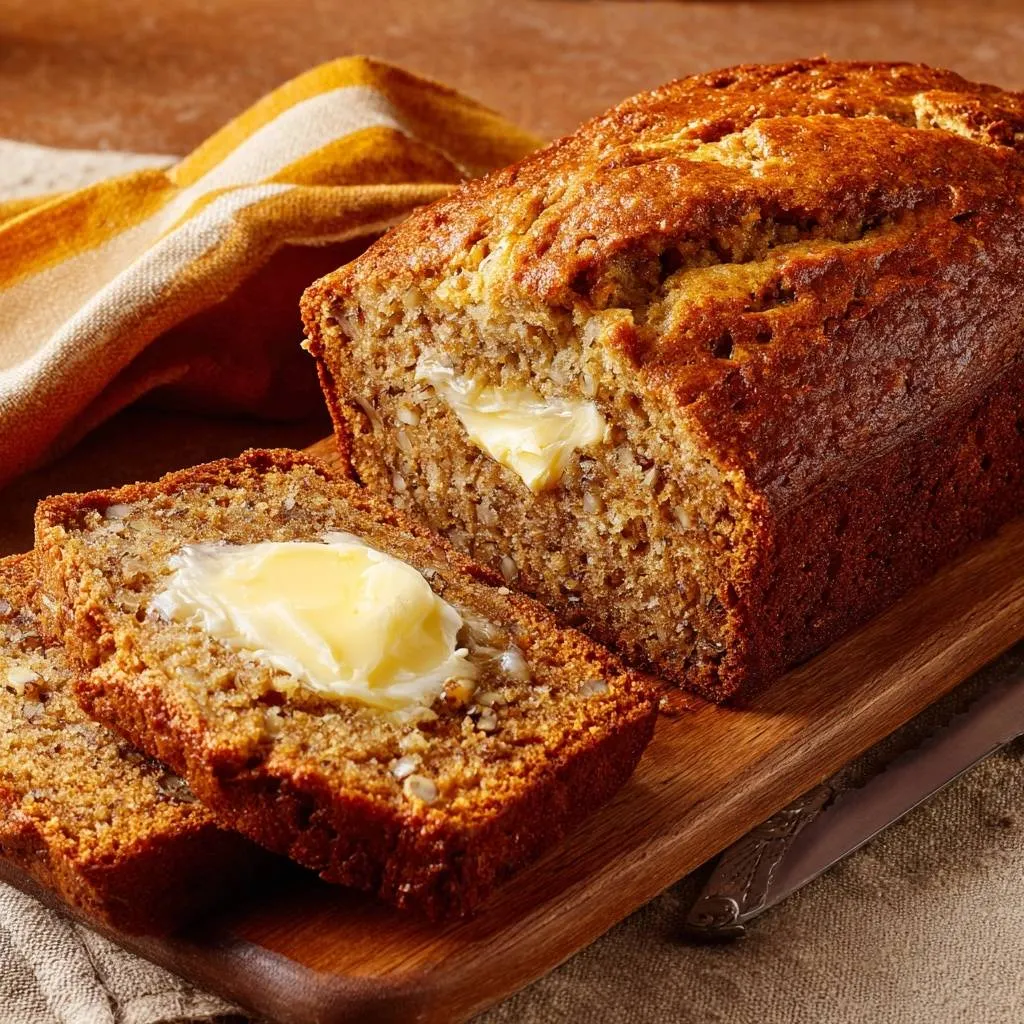
The real expertise comes down to mashing those ripe bananas completely smooth first. Lumps mean uneven moisture pockets, so you end up with dry spots. Smash them lump-free, and they release natural sugars and pectin for unbeatable hydration. Oh man, the first slice I pulled out stayed soft through day four, melting butter right into the center.
Why Vegetable Oil Transforms Banana Nut Bread
Dry banana nut bread plagues so many home bakers. Butter tastes great initially, but it solidifies when cooled, leaving a dense, parched texture. Vegetable oil, however, emulsifies perfectly in the batter and locks in moisture long-term.
Picture this side-by-side: butter versions stale by day two, while oil-based moist banana nut bread holds its softness. In addition, overripe bananas add humidity through their pectin and sugars. They mash smoother too, blending seamlessly for even distribution.
Science backs it up. Oil creates a finer crumb structure because it doesn’t compete with banana acids for leavening. Therefore, your banana nut bread rises evenly and stays hydrated. No more tossing half a loaf.
Ripeness Levels for Maximum Moisture
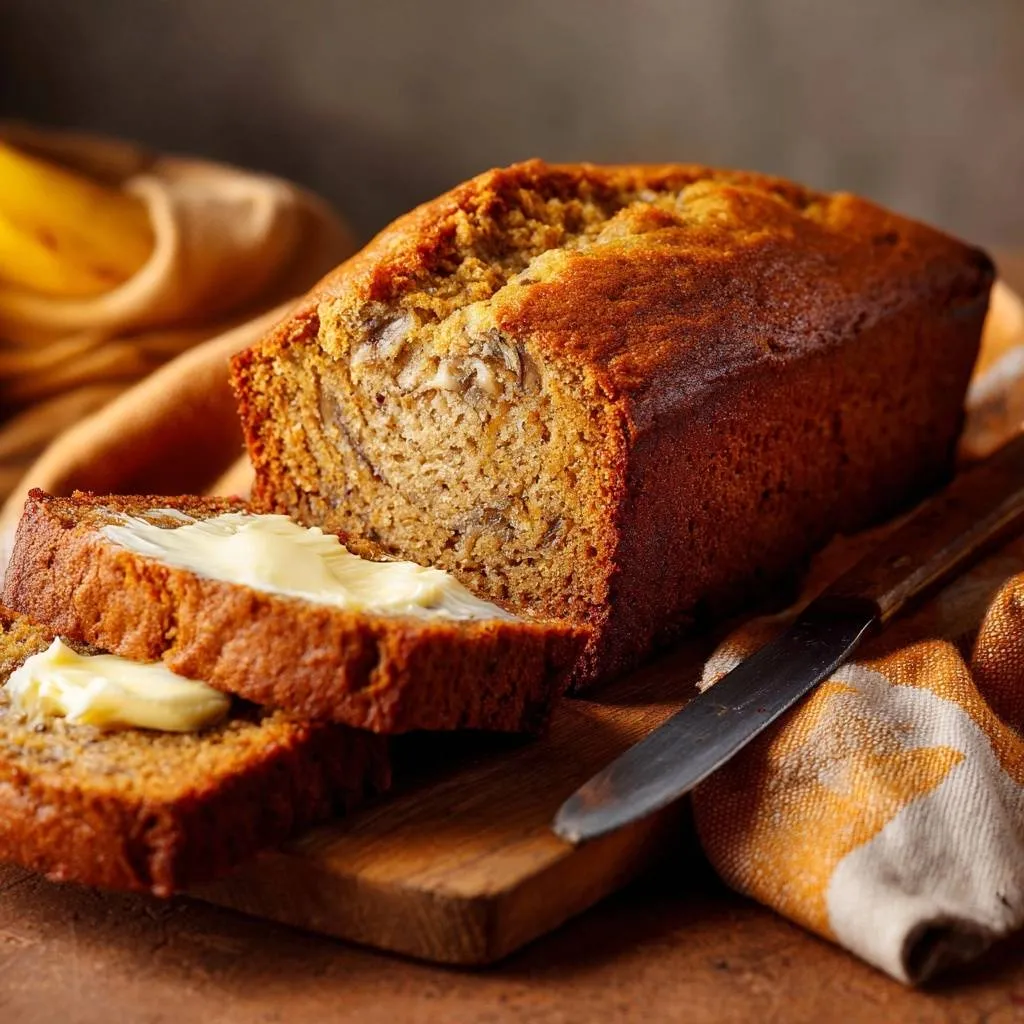
Spot perfect bananas by their heavy brown spots and soft give when squeezed. They’re at peak ripeness when peels blacken slightly. These mash effortlessly, releasing pectin that binds moisture.
If yours aren’t ready, pop them in a paper bag with an apple to speed things up in 24 hours. Therefore, you control ripeness for the moistest banana nut bread. Avoid green ones; they’ll make it gummy.
Oil vs Butter: Texture Science Breakdown
Butter melts during baking but firms up fast, expelling steam and drying the crumb. Oil emulsifies with eggs and bananas, coating flour proteins evenly. This prevents toughness in banana nut bread.
Test it yourself: oil batters yield a tender poke, while butter ones feel dense. In addition, oil boosts banana nut bread moisture by staying fluid. You’ll notice the difference slice by slice.
Key Ingredients for Tender Banana Nut Bread
Start with 3 very ripe bananas, mashed smooth, for natural sweetness and moisture. They provide about 1 cup of pulp, key for hydration. Next, 1/2 cup vegetable oil ensures that soft crumb; don’t skimp or swap freely.
For a delightful twist on the classic, explore this glazed pecan banana bread.
1 cup granulated sugar balances banana tang without chewiness. 2 large eggs at room temp emulsify better, trapping air. 1 1/2 cups all-purpose flour, spooned not packed, prevents density.
1 teaspoon baking soda reacts with banana acids for lift. 1/2 teaspoon salt sharpens flavors. Finally, 1/2 cup chopped walnuts add crunch. Weigh flour if possible; it guarantees tender moist banana nut bread every time.
Walnuts: Choosing and Chopping Tips
Pick fresh walnuts without rancid oil smells. Chop to 1/4-inch pieces for even spread; too fine sinks, too big overwhelms. Use raw for nutty purity, or toast lightly for deeper flavor.
Allergic? Swap pecans. They distribute the same without sinking in banana nut bread batter.
Pantry Staples That Elevate Results
Granulated sugar dissolves clean for even sweetness, unlike brown’s chew. Baking soda fizzes with banana acids, creating lift. Therefore, don’t skip it.
Salt cuts bitterness; pure vanilla extract amps aroma. These basics make moist banana nut bread shine.
Science of Baking Moist Banana Nut Bread
Baking banana nut bread involves Maillard browning for golden tops and banana acids triggering soda for gases. Low 325F heat bakes slow, trapping steam. High temps dry it out fast.
Overmixing develops gluten, toughening crumb. Therefore, fold gently. Humidity from bananas keeps it moist if oven stays steady. This science delivers perfect banana nut bread moisture.
Batter Emulsion and Folding Technique
Whisk wet ingredients to frothy ribbons, about 2 minutes, for air incorporation. Then fold dry in 10 strokes max. You’ll see batter thicken slightly; stop there to avoid gluten.
This preserves tenderness in moist banana nut bread.
Oven Dynamics for Even Baking
Middle rack ensures even heat. Test doneness at 55 minutes with a toothpick; clean means ready. Tent foil after 40 if browning fast.
At high altitude, drop temp 25 degrees. Perfect results every time.
Step-by-Step: Building Moist Banana Nut Bread
Follow these steps for foolproof moist banana nut bread. Each phase builds unbeatable tenderness.
To ensure a truly light and tender bake, consider trying this banana walnut bread next.
Prep: Oven, Pan, and Banana Mash
Preheat to 325F. Grease 9×5 pan with oil; it releases cleaner than butter. Mash bananas fork-smooth, no lumps, for max moisture release. Smell that sweet aroma building.
Mix Wet Ingredients to Frothy Perfection
Add oil, sugar, room-temp eggs, vanilla to mash. Whisk 2 minutes till frothy and pale. Oil emulsifies here, promising soft banana nut bread crumb.
Combine Dry, Fold Walnuts Gently
Whisk flour, soda, salt separately. Fold into wet with spatula, 10 strokes only. Add walnuts last; batter looks shaggy, that’s right. Overmix toughens it.
Bake, Cool, and Slice Properly
Pour into pan, bake 55-65 minutes. Toothpick clean? Cool 10 in pan, then rack. Steam escapes for flat-topped moist banana nut bread. Serve with melting butter pats.
Avoiding Dry Banana Nut Bread Pitfalls
Top dry culprits: underripe bananas lack moisture, overmixing builds gluten, high heat evaporates steam. Skip grease, and it sticks dry. Cool wrong, condensation sogs it.
Fixes keep moist banana nut bread troubleshooting simple. Use ripe fruit, fold gently, bake low-slow. Therefore, no more dry disasters.
Overmixing and Gluten Traps
Gluten forms after 20 strokes, batter turning batter-like. Stop at shiny streaks. Visual cue: a few flour pockets mean tender moist banana nut bread.
Browning and Top Cracking Fixes
Tent foil loosely at 40 minutes; it blocks direct heat. Rotate pan halfway if oven uneven. High humidity? Crack door last 5 minutes.
Storage and Make-Ahead for Banana Nut Bread
Oil magic keeps moist banana nut bread soft 4 days at room temp in a covered tin. Airtight prevents drying. For longer, freeze properly.
Day 3 re-moisten hack: slice, microwave 10 seconds with damp towel over. Gifts? Slice halfway, wrap individually. Stays fresh-tasting.
Freezing Slices vs Whole Loaf
Freeze slices for portion control; thaw one at a time in fridge overnight. Whole loaf wraps in foil then plastic, up to 3 months. Microwave defrost beats soggy results.
Flavor Twists on Classic Banana Nut Bread
Swap walnuts for pecans same amount. Add 1/2 cup chocolate chips for gooey pockets. Swirl cinnamon sugar before baking. Dairy-free? It’s already there.
These keep moist banana nut bread core intact. Test small batches first.
Nut-Free and Add-In Options
Use sunflower seeds or oats for crunch. Boost with nutmeg pinch. Chocolate chips shine nut-free.
What to Try Next
Beyond this banana nut bread, explore these other baked goods for more morning or afternoon treats.
- For a bright, citrusy start, consider these zesty orange muffins, which offer a refreshing counterpoint.
- If you enjoy the combination of nuts and spice, you might appreciate these glazed carrot walnut muffins for their comforting texture and flavor.
Perfect Pairings for Banana Nut Bread
Breakfast parfait: layer with yogurt and berries. Tea time calls for herbal teas like chamomile. Top slices with cream cheese or almond butter.
Sandwich ham and cheese for lunch twist. Sparkling cranberry juice pairs fresh.
Banana Nut Bread FAQ
Can I Use Butter Instead of Oil?
Yes, swap 1/2 cup butter for oil, but melt it first. Expect slightly drier results after day one since butter solidifies. For max moisture, stick to oil in moist banana nut bread.
How to Tell If Bananas Are Ripe Enough?
Look for dark brown spots and soft, squishy feel; peels can blacken. They mash lump-free and taste sweetest. Speed ripen in paper bag with apple overnight.
Why Is My Banana Nut Bread Dense?
Overmixing develops gluten, or packed flour adds too much. Fold just 10 strokes, spoon flour lightly. Underripe bananas also weigh it down; use very ripe ones.
Freezer Life for Baked Loaf?
Up to 3 months wrapped tight in foil then plastic bag. Thaw in fridge overnight. Slices defrost fastest in microwave 20 seconds, still moist.
Gluten-Free Banana Nut Bread Adaptation?
Swap 1:1 gluten-free flour blend with xanthan gum. Add 1/4 tsp extra soda for lift. Batter may need 5 more bake minutes; stays moist with oil.
Banana Nut Bread
Course: DessertCuisine: AmericanDifficulty: easy1
loaf (10-12 slices)15
minutes1
hour250
kcal75
MinutesDry banana bread is the worst. This recipe fixes it with one game-changing swap: vegetable oil in the batter for superior moisture lock-in that keeps every slice tender and fresh for days, no more crumbly disappointment.
Ingredients
3 very ripe bananas, mashed smooth
1/2 cup vegetable oil
1 cup granulated sugar
2 large eggs
1 teaspoon vanilla extract
1 1/2 cups all-purpose flour
1 teaspoon baking soda
1/2 teaspoon salt
1/2 cup chopped walnuts
Butter for serving
Directions
- Preheat oven to 325 degrees F. Grease a 9×5-inch loaf pan well with oil or butter.
- In a large bowl, mash the ripe bananas until completely smooth, no lumps. This releases maximum natural moisture.
- Add vegetable oil, sugar, eggs, and vanilla to the mashed bananas. Whisk until fully combined and slightly frothy, about 2 minutes. The oil is the star here: unlike butter, it doesn’t solidify when cooled, guaranteeing soft, moist crumb that stays hydrated slice after slice.
- In a separate bowl, whisk together flour, baking soda, and salt.
- Gently fold dry ingredients into wet mixture with a spatula until just combined, about 10 strokes. Avoid overmixing to preserve tenderness. Fold in walnuts.
- Pour batter into prepared pan. Bake for 55 to 65 minutes, until a toothpick inserted in center comes out clean. If top browns too fast, tent loosely with foil after 40 minutes.
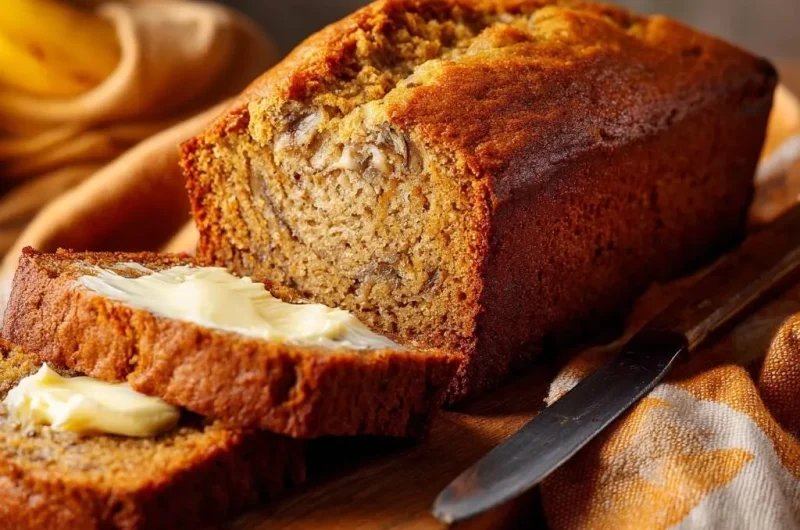
- Cool in pan 10 minutes, then transfer to wire rack to cool completely. Slice and serve with pats of butter that melt perfectly into the ultra-moist interior. Store covered up to 4 days, still soft.
Notes
- Use very ripe bananas for maximum moisture. Vegetable oil ensures the bread stays soft even after refrigeration. Store covered up to 4 days.