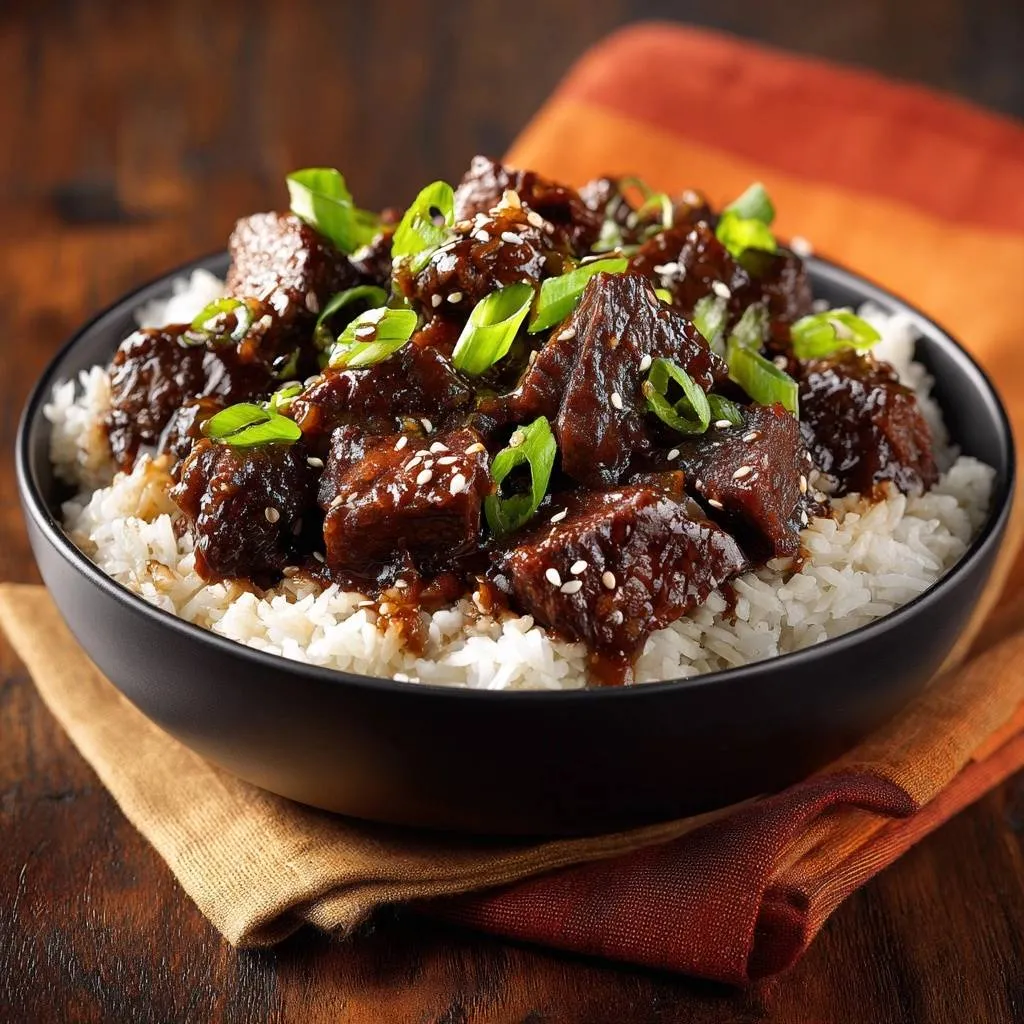
Chewy beef in takeout stir-fries drives you nuts, right? This Mongolian Beef Rice Bowl fixes that fast. You’ll have dinner ready in 30 minutes, serving 4 at about 500 calories per bowl. No more tough cubes ruining your night.
Here’s why it works so well. A quick 15-minute marinade with baking soda tenderizes the meat like velvet. Chuck beats sirloin for juiciness, and you’ll get that glossy sauce cling better than any PF Chang’s copycat. Plus, you control the freshness.
For even more tender beef, explore the technique for velveted meat in this Mongolian beef bowl.
The real secret? That baking soda rinse after marinating. It breaks down proteins without fancy gear, giving you melt-in-your-mouth bites every time. Trust me, once you try this, takeout’s history.
For consistently tender results, consider our method for beef and broccoli.
Why Baking Soda Transforms Tough Beef
Science of Protein Breakdown
Baking soda raises the meat’s pH level. Therefore, it denatures proteins quickly, mimicking Chinese velveting techniques. Studies from meat science journals show this boosts tenderness by up to 30% in under 20 minutes.
However, you must rinse it off. Skipping that leads to soapy flavors. In addition, this method works without oil-blanching, saving time and mess.
Chuck vs Sirloin: Best Cuts Explained
Chuck has great fat marbling. So, after marinating, it stays juicy even with high-heat searing. Sirloin works too, but it’s leaner and dries out faster.
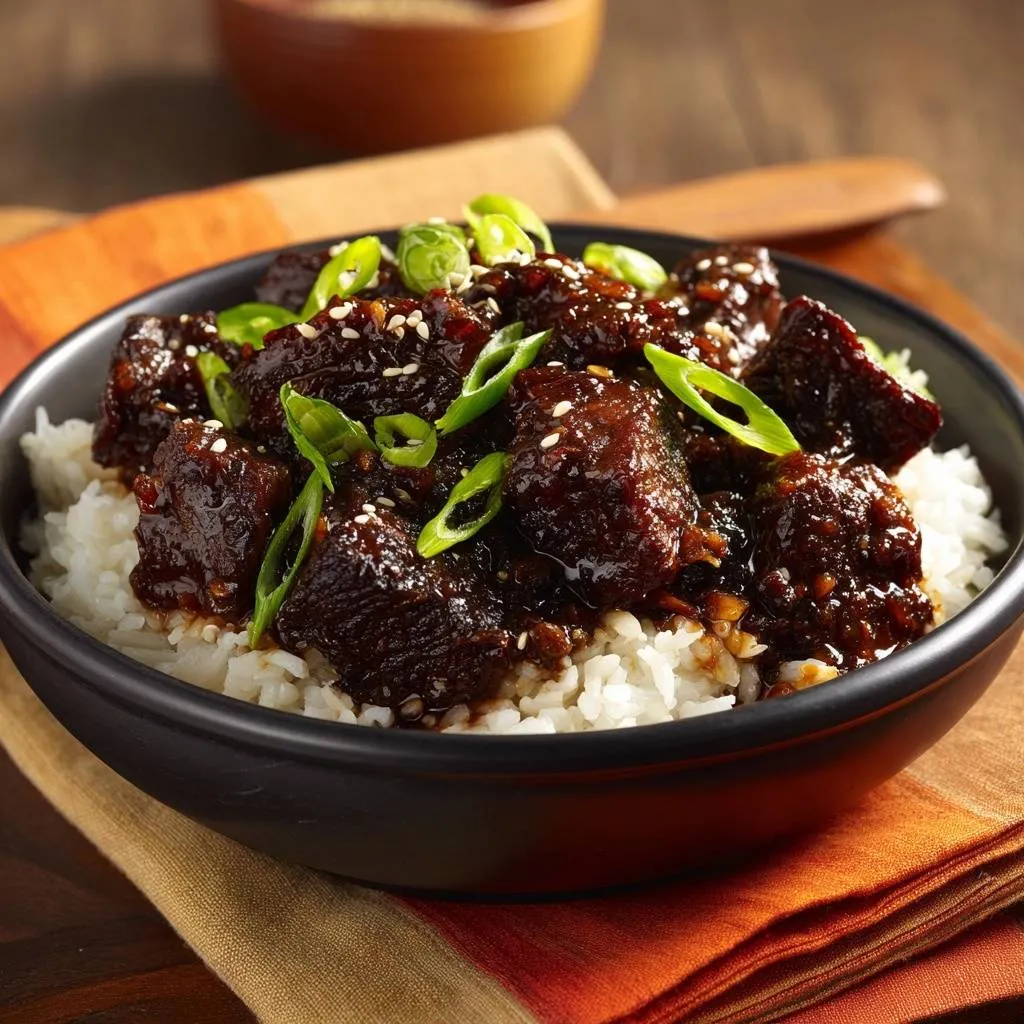
Cut into 1-inch cubes for max surface area. This ensures a crispy crust. Avoid flank; it’s too stringy despite the marinade.
Key Ingredients for Mongolian Beef Rice Bowl
Soy Sauce and Cornstarch Duo
Low-sodium soy sauce delivers umami without excess salt. Meanwhile, cornstarch tenderizes in the marinade and thickens the sauce later. You’ll use 1/4 cup soy and 2 tablespoons cornstarch total.
For gluten-free, swap in tamari. It keeps the savory punch intact. Fresh is best; old soy loses its depth.
Sweetener and Aromatics Balance
Brown sugar, 2 tablespoons, caramelizes for that sticky glaze. Optional minced garlic and grated ginger, 1 teaspoon each, add warmth and zing.
Sesame oil finishes with nutty aroma; vegetable oil handles the sear. Separate green onion whites for cooking and greens for garnish. This layering builds flavor.
Rice and Garnishes Foundation
2 cups cooked white rice, preferably jasmine for fluffiness over basmati. It soaks up sauce perfectly.
Sesame seeds, 1 tablespoon, add crunch; toast them lightly first. Baking soda’s 1 teaspoon is the rinse-away hero for tenderness.
Mastering the 15-Minute Tenderizing Marinade
Mixing and Marinating Beef Cubes
Toss 1 pound beef cubes with 2 tablespoons soy sauce, 1 tablespoon cornstarch, and 1 teaspoon baking soda. Mix thoroughly. Let it sit 15 minutes at room temp.
Fridge slows the reaction, so room temp speeds protein breakdown. You’ll see the beef whiten slightly. That’s your cue it’s working.
Rinsing for Crisp Exterior
Rinse under cold water to remove soda bits. Pat dry super thoroughly with paper towels. This prevents steaming and soapy taste.
Common mistake: half-dry beef. It leads to soggy sears. Dry beef sizzles on contact.
Building Glossy Sauce for Mongolian Beef Rice Bowl
Whisking Sweet-Savory Elements
Whisk remaining 2 tablespoons soy, 1 tablespoon brown sugar, 2 tablespoons water, 1 tablespoon cornstarch, sesame oil, garlic, and ginger. Do it cold for smooth thickening.
The sauce turns glossy as cornstarch blooms. Set aside; it’ll coat beef like magic later.
Flavor Layering Secrets
Taste the sauce raw and adjust. Ginger brings zing, garlic warmth. For heat, add chili flakes.
Balance keeps it addictive. Too sweet? More soy. It’s forgiving.
Searing Technique for Mongolian Beef Rice Bowl
High-Heat Wok Preparation
Heat 1 tablespoon vegetable oil in a wok or skillet till shimmering, not smoking. Add beef in a single layer. Sear 2-3 minutes per side without stirring.
This builds Maillard crust for flavor. Wok’s sides help tossing; skillet gives even heat. High sides prevent splatter.
Avoiding Overcrowd and Steam
Batch cook if your pan’s small. Wet beef steams instead of sears. Check for medium-rare carryover; it finishes in sauce.
Dry pat prevents gray mush. Pro tip: tongs flip without piercing juices.
Final Stir-Fry and Assembly
Coating Beef in Thickened Sauce
Pour in sauce and white green onions. Stir-fry 1-2 minutes till bubbly and thick. Sauce clings glossy to beef.
Don’t overcook; it’ll toughen. Aromas hit peak sweet-savory here.
Complementary Dishes
To round out your meal of Mongolian Beef Rice Bowl, consider these delicious additions.
- For a perfect accompaniment to your Mongolian Beef Rice Bowl, try these Shiny Sesame Dinner Rolls for soaking up extra sauce.
- Serve alongside your Mongolian Beef Rice Bowl with this Sesame Bok Choy Stir-Fry, featuring similar sesame notes and fresh greens.
Bowling with Fluffy Rice Base
Divide 2 cups rice into bowls. Mound beef and sauce center. Top with green onion greens and sesame seeds.
Serve hot. Rice absorbs juices perfectly. Looks restaurant-ready.
Equipment Choices for Perfect Results
Wok vs Skillet Showdown
Wok excels for tossing with high sides. Season carbon steel for non-stick. Skillet’s flat bottom sears evenly on stoves.
No need for fancy electric. Either delivers if hot enough.
Other Must-Have Tools
Tongs flip beef cleanly. Microplane grates ginger fine. Multiple bowls hold marinade and sauce.
Paper towels pat dry. They make or break crispiness.
Avoiding Common Mongolian Beef Pitfalls
Fixing Chewy or Soggy Beef
Over-marinate past 20 minutes toughens it. Incomplete rinse leaves soda grit. Add sauce too soon, and it steams.
Fix: shorter time, full dry, sear first. Always.
Sauce Too Thin or Burnt
Thin? Make cornstarch slurry rescue. Burnt sugar? Lower heat post-sear.
Whisk well upfront prevents lumps. Simmer gently.
Flavor Variations for Mongolian Beef Rice Bowl
Spicy Szechuan Twist
Stir in 1 teaspoon gochujang or dried chilies with sauce. Builds medium heat. Adjust for your tolerance.
It contrasts sweet perfectly. Family favorite upgrade.
Vegetarian Tofu Swap
Press firm tofu, cube, and marinate same way. It crisps up juicy. Matches protein needs.
Same sear time. Delicious plant-based win.
Low-Carb Cauliflower Rice
Steam riced cauliflower lightly for fluff. Swap 1:1. Cuts carbs by half.
Absorbs sauce well. Texture holds.
Pairing Sides with Mongolian Beef Rice Bowl
Crispy Vegetable Stir-Fry
Quick-blanch broccoli and bell peppers 2 minutes, then stir-fry. Crunch contrasts sticky sauce. Season with soy dash.
5-minute side. Balances richness.
Fresh Cucumber Salad
Slice cukes thin, toss with rice vinegar, sesame oil, pinch sugar. Acid cuts sweetness. No-cook fast.
Refreshing crunch boost.
Make-Ahead and Storage Guide
Meal Prep Timeline
Marinate beef day before, rinse morning of. Sauce keeps in fridge 3 days. Batch-cook rice fresh.
Assemble last minute for crisp. Weeknight savior.
Freezing and Reheating
Freeze cooked beef in sauce up to 2 months. Thaw in fridge, reheat in hot wok with splash water. Rice freezes separate; microwave with damp towel.
Texture stays 90% great. Stir well.
Origins of Mongolian Beef Dish
American-Chinese Invention Story
Not from Mongolia; Taiwanese immigrants created it in 1970s US. “Mongolian” nods to grill style. PF Chang’s made it famous nationwide.
Simple ingredients, bold flavors hooked America. Evolved from home cooking.
Evolution to Rice Bowl Format
Modern one-bowl version suits busy homes. Global tweaks like spicy or veggie keep it fresh. Quick and portable.
Troubleshooting Mongolian Beef Rice Bowl Issues
Beef Still Tough?
Check cut quality; cheap meat resists. Ensure 15-minute marinade, high sear heat. Cut against grain next time.
Sauce Not Thickening
Cornstarch needs bloom; simmer longer. Add cold water slurry last. Don’t boil hard.
Rice Too Sticky
Rinse raw rice till clear. Use 1.5:1 water ratio. Fluff post-cook.
Garnish Lacking Crunch
Toast sesame dry in pan. Use fresh green onions. Adds pop.
FAQ
How do I store leftovers of Mongolian Beef Rice Bowl?
Store beef and sauce separate from rice in airtight containers. Refrigerate up to 3 days. Rice absorbs sauce and gets mushy if mixed. Freezes well; beef holds texture for 2 months when thawed slowly in fridge and reheated in a hot wok with a splash of water to revive glossiness. Avoid microwaving beef straight from freezer; it toughens.
Why is my beef still chewy after marinating?
Most likely, you skipped the full rinse or pat-dry, leaving soda residue that interferes with searing. Or marinated too long past 20 minutes, which over-tenderizes into mush. Fix it next time by rinsing cold under running water 30 seconds, drying completely, and searing on screaming-hot oil in a single layer. Also, use chuck for fat; sirloin needs perfect timing.
Can I substitute ingredients in Mongolian Beef Rice Bowl?
No soy? Coconut aminos work 1:1 for umami, slightly sweeter. Out of cornstarch? Arrowroot thickens similarly but rinse beef extra to avoid sliminess. No brown sugar? Regular white plus molasses dash mimics it. Tofu or mushrooms swap for beef using same marinade. Jasmine rice best, but basmati fluffs too; just rinse well.
What’s the best cut of beef for this recipe?
Chuck rules for marbling that stays juicy post-sear. Sirloin is leaner backup but cut precise 1-inch cubes. Avoid flank or round; too fibrous even with baking soda. Buy fresh, not frozen-thawed, for best tenderizing. 1 pound serves 4 generously.
How do I make the sauce thicker or less sweet?
For thicker, whisk in extra 1/2 teaspoon cornstarch slurry at end; simmer 30 seconds till bubbly. Less sweet? Cut brown sugar to 1 tablespoon and add rice vinegar splash for tang. Taste pre-cook and adjust; sauce reduces fast. Pro move: balance with ginger heat.
Can I make Mongolian Beef Rice Bowl vegetarian or low-carb?
Yes, firm tofu pressed dry and marinated identically crisps up great; sear same way. For low-carb, swap white rice for cauliflower rice steamed 3 minutes then fluffed. Macros drop to 300 calories per bowl. Both keep glossy sauce cling and flavor punch.
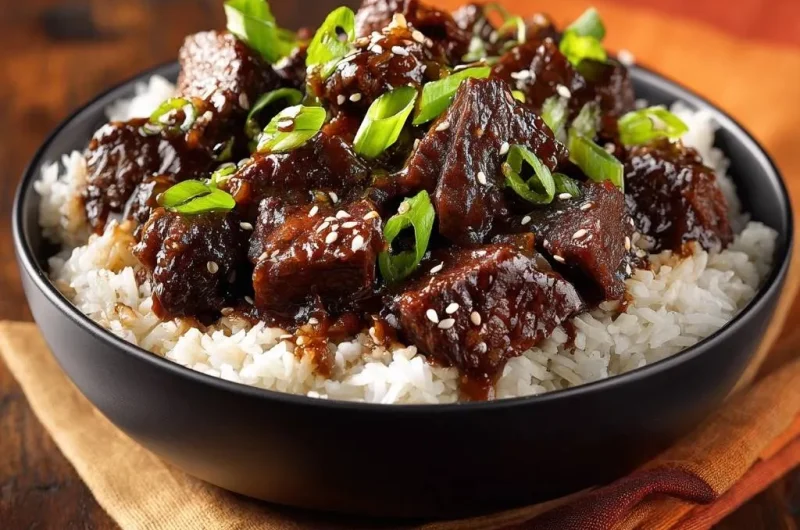
Mongolian Beef
Course: Main CourseCuisine: AsianDifficulty: easy4
servings20
minutes10
minutes550
kcal30
MinutesTired of chewy beef ruining your stir-fry? This recipe uses a quick cornstarch-soy marinade that tenderizes cubes in just 15 minutes, delivering restaurant-juicy results every time without fancy equipment.
Ingredients
1 pound beef chuck or sirloin, cut into 1-inch cubes
1/4 cup low-sodium soy sauce
2 tablespoons brown sugar
2 tablespoons cornstarch
1 tablespoon sesame oil
1 tablespoon vegetable oil
4 green onions, sliced (white and green parts separated)
1 tablespoon sesame seeds
2 cups cooked white rice
2 tablespoons water
1 teaspoon baking soda
1 teaspoon minced garlic (optional, for depth)
1 teaspoon grated ginger (optional, for depth)
Directions
- In a bowl, toss beef cubes with 2 tablespoons soy sauce, 1 tablespoon cornstarch, and 1 teaspoon baking soda (the secret tenderizer). Mix well and let marinate 15 minutes at room temperature. Rinse under cold water, pat dry thoroughly. This step breaks down tough proteins for melt-in-your-mouth texture, solving chewy beef forever.
- In a small bowl, whisk remaining soy sauce, brown sugar, water, remaining cornstarch, sesame oil, garlic, and ginger to make glossy sauce. Set aside.
- Heat 1 tablespoon vegetable oil in a wok or large skillet over high heat until shimmering. Add beef in a single layer; sear 2-3 minutes per side without stirring for deep brown crust. No toughness here thanks to the dry marinade rinse.
- Pour in sauce and white parts of green onions. Stir-fry 1-2 minutes until sauce thickens and coats beef glossy.
- Divide rice into bowls. Top with beef and sauce. Garnish with green onion tops and sesame seeds. Serve hot for perfect, juicy beef over fluffy rice.
Notes
- The baking soda and cornstarch marinade with rinsing is the key to ultra-tender beef. Optional garlic and ginger add depth.