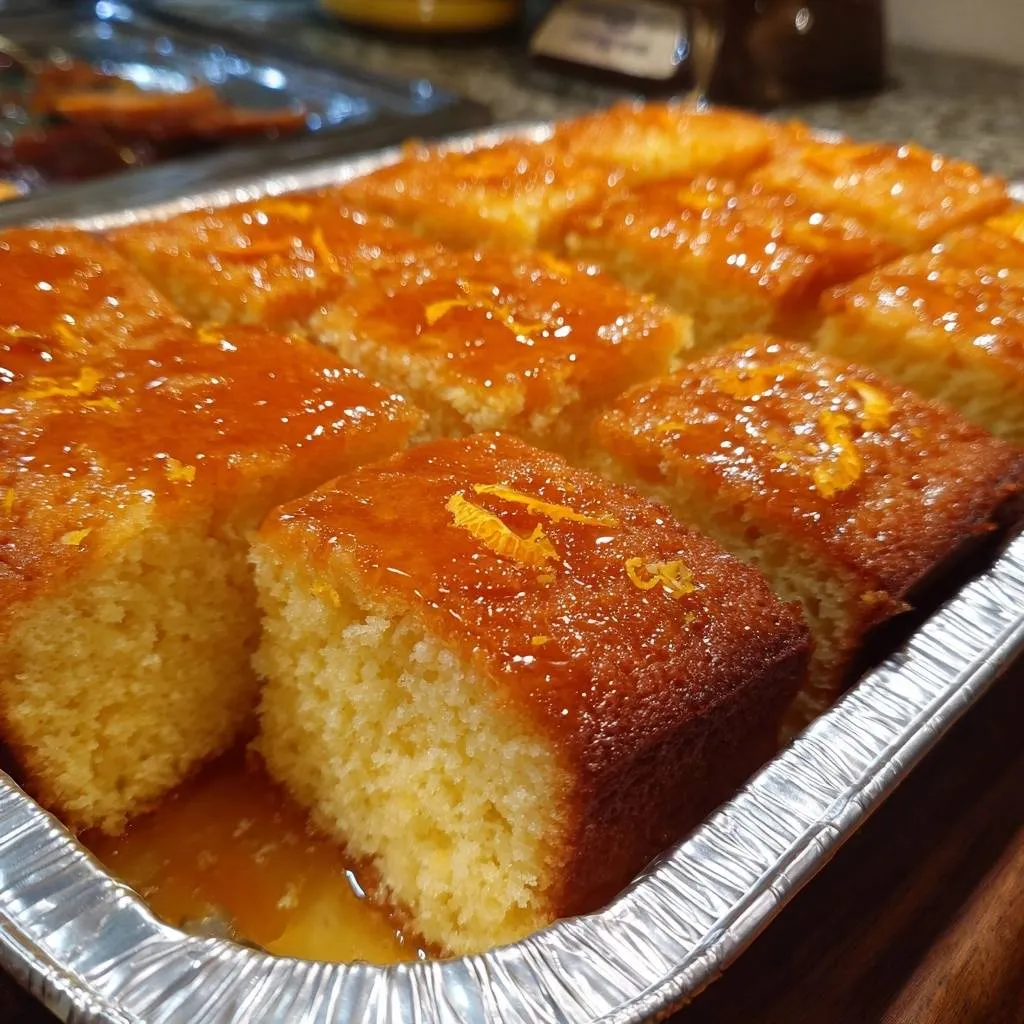
Ever pull a citrus cake from the oven only to find the bottom swimming in syrup while the top turns into a dry brick? This orange glazed cake squares recipe ends that nightmare. You get 24 perfect squares ready in 45 minutes total, with fluffy, moist crumb from edge to edge. No more uneven disasters.
Here’s why it works so well. We bake the cake extra firm first, creating a sturdy structure that holds up to the glaze. Then, hot syrup poured in stages soaks evenly through poked channels. You’ll taste bright orange bursts in every bite, without a hint of sogginess.
The real secret lies in those deep pokes right after baking. They create tiny highways for the hot syrup to travel deep, while the foil cover traps steam for flawless absorption. Trust me, one bite and you’ll wonder why every soaked cake doesn’t do this.
Key Ingredients for Orange Glazed Cake Squares
Start with softened unsalted butter. It creams beautifully with sugar, trapping air for a light, fluffy texture. Skip salted butter, or you’ll throw off the delicate citrus balance.
Fresh orange zest from two oranges packs essential oils for that punchy flavor. Bottled juice can’t match it. Meanwhile, divide the sugar: 1 cup goes into the batter for sweetness, and the rest builds the glossy syrup.
You’ll use 2 cups fresh orange juice total, split between batter and syrup. Fresh juice brings natural acidity for tenderness and a vibrant tang. However, avoid bottled versions, as they often taste flat and alter the pH, leading to uneven rising.
Flour and Leavening Precision
All-purpose flour provides just the right protein for gluten formation, giving the cake firm crumb that stands up to syrup. In addition, baking powder delivers reliable lift without collapse.
Salt sharpens those citrus notes too. Don’t skip it. Therefore, whisk these dry ingredients thoroughly for even distribution and perfect structure.
Citrus Elements Breakdown
Zest releases aromatic oils into the batter for intense flavor. Juice adds moisture without watering down the mix. The 1/2 cup in batter keeps it tender.
For syrup, 1 1/2 cups ensures deep saturation. This balance prevents sogginess by matching the cake’s capacity. Freshness matters most here.
Batter Mixing Technique for Even Texture
Cream butter and 1 cup sugar until pale and fluffy, about 3 minutes. This incorporates air for rise. Add eggs one by one, beating well to emulsify without curdling.
Mix in zest and 1/2 cup juice next. Then, fold in dry ingredients gently. Overmixing develops tough gluten, so stop when just combined. Your batter should look thick and smooth.
For more ideas on balancing flavors, explore the rich notes in chocolate glazed pistachio layer cake.
Pro tip: Room temperature eggs blend seamlessly, preventing lumps. This step sets up the even texture you crave.
Greasing the Tray Right
Grease a 9×13-inch foil tray generously with butter or spray. Foil prevents sticking better than glass. Preheat oven to 350°F for steady heat.
Spread batter evenly with a spatula. This ensures uniform squares later. Tap the tray lightly to release air bubbles.
Baking Firm Structure First
Bake 30 to 35 minutes until the top turns golden and firm. Toothpick test: it should come out clean. Firmness is crucial, as it creates channels for syrup without crumbling.
Place on the middle rack for even heat. The cake transforms from batter to a sturdy base, ready for soaking. Underdone cake leads to mush.
Watch for edges pulling away slightly. That’s your sign it’s set perfectly.
Oven Monitoring Tips
Rotate halfway through for even browning. Resist opening the door early, or the cake dips. At high altitude, add 2 tablespoons extra flour.
Science of Hot Orange Syrup Absorption
Hot cake meets hot syrup for magic absorption. Heat opens the crumb’s pores, and steam from the syrup drives it deep into poked holes. This thermodynamics trick ensures even moisture.
Poking creates capillary action, like tiny straws pulling syrup through. Sugar dissolves fully in simmering juice, forming a glaze with natural pectin for shine. Pouring in stages prevents pooling on top.
Cold syrup fails because it sits on the surface. However, hot-on-hot forces penetration, locking in flavor without sogginess. Cover immediately to trap that steam.
Poking Holes Strategically
Use a toothpick or skewer right after baking. Poke deep holes across the top and sides, almost to the bottom but not through foil. Space them 1/2 inch apart for maximum channels.
This 360-degree approach soaks evenly. Too shallow, and syrup stays shallow. Your cake stays intact.
Pouring Syrup in Stages
Simmer syrup first: combine 1/2 cup sugar and 1 1/2 cups juice until dissolved. Pour half slowly over the hot cake, watching it sink into holes. Wait 2 minutes.
Then add the rest. Cover tightly with foil right away. Steam builds pressure for full infusion. You’ll see bubbles as it works.
Pro tip: Tilt the tray gently for edge coverage. Full absorption takes time, but it’s worth it.
Syrup Simmering Method
Medium heat prevents boiling, preserving orange volatiles for fresh taste. Stir constantly until sugar melts, about 5 minutes. Off heat keeps it hot but safe.
Don’t let it cool. Cold syrup beads up instead of soaking.
Avoiding Soggy Bottoms in Cake Squares
Underbaking leaves a soft base that turns mushy. Always bake firm first. Shallow pokes trap syrup on top, so go deep.
Cold syrup pools instead of absorbing. Skip the foil cover, and steam escapes, drying edges. Fix with this method every time.
The firm crumb acts like a sponge, holding moisture evenly. No more waste.
Post-Bake Cooling Protocol
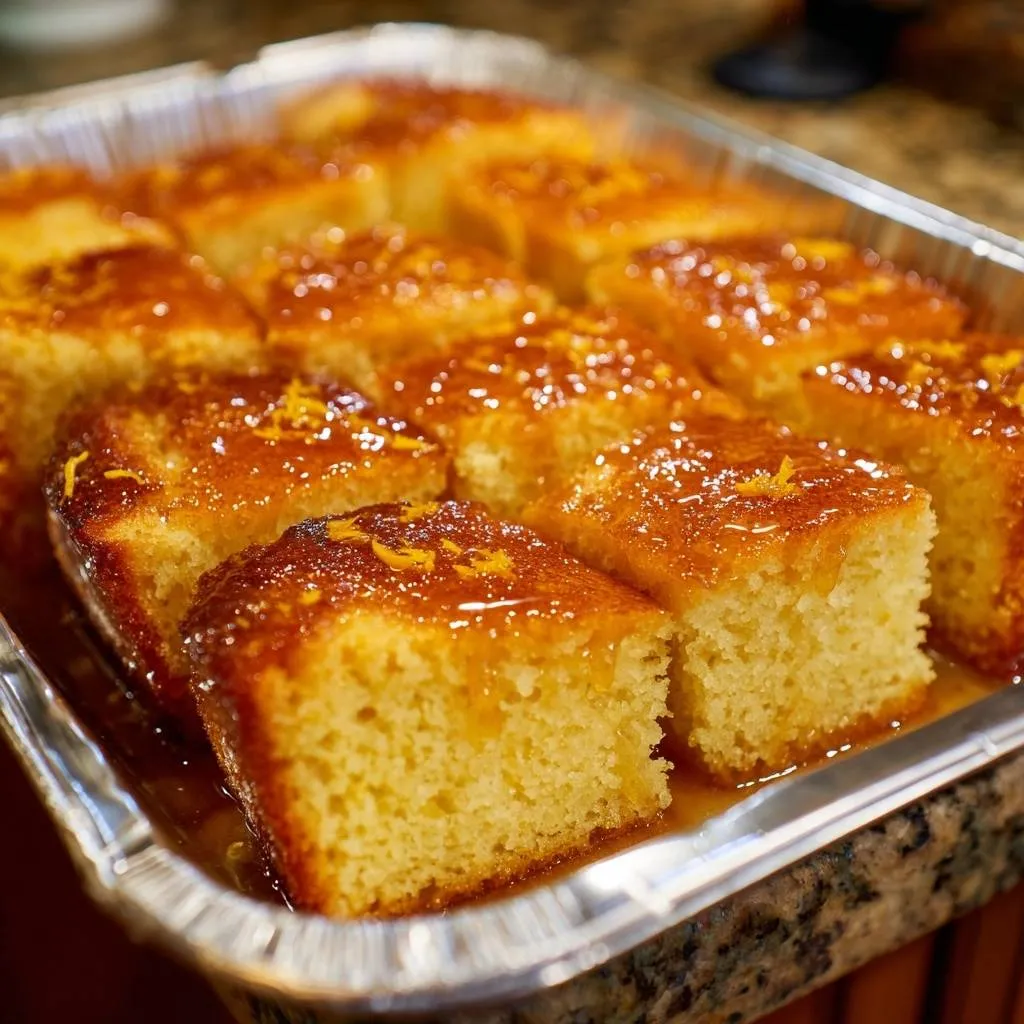
Cool at room temp for 1 hour or more. Syrup fully sets, turning glossy. Cut only when cool to avoid squishing.
Signs of readiness: surface dry, no syrup puddles. Perfect squares await.
Flavor Variations for Orange Glazed Cake Squares
Swap for lemon-lime zest and juice for a tart twist. Add 1 teaspoon vanilla to mellow the citrus. Almond extract brings nutty warmth.
Infuse thyme in the syrup for herbal notes. Top with chopped pistachios post-cooling for crunch. Keep the firm bake core intact.
For berries, reduce juice slightly and muddle in raspberries. Flavor pops without sogginess.
For more moist cake inspiration, check out this chocolate bundt cake.
Glaze Thickness Adjustments
More sugar thickens it up. Stir in 1 teaspoon cornstarch slurry for shine. Ginger slices in syrup add spice.
Storage and Make-Ahead Guide
Store covered at room temp up to 3 days. Fridge works for 5 days, but flavors mute slightly. Rewarm gently to revive.
Freeze whole or squares wrapped in foil for 2 months. Thaw overnight in fridge, then room temp. Texture holds beautifully.
Pro tip: Slice before freezing for easy grabs.
Reviving Day-Old Squares
Microwave 10 seconds or toast edges for crisp. Room temp softens nicely. Drizzle extra syrup if needed.
Pairing Ideas for Orange Glazed Cake Squares
Black tea cuts the sweetness perfectly. Spoon over Greek yogurt for breakfast. Pair with fresh berries too.
Vanilla ice cream melts into citrus heaven. At holidays, plate with mint sprigs. Plus, all that vitamin C makes it a smart treat.
Complementary Recipes
To round out your meal, consider these wonderful additions that pair well with your orange glazed cake squares.
- For a soft, bread component to complement your sweet cake, try fluffy homemade dinner rolls, offering a delightful contrast in texture.
- If you’re in the mood for something sweet and light, these fluffy diner-style pancakes offer a similar delicate texture that works well.
Orange Glazed Cake Squares Troubleshooting
Square Cutting Precision
Chill cake 30 minutes for clean cuts. Use a sharp, hot knife, wiping between slices. Yields 24 even 2-inch squares.
FAQ
How do I store Orange Glazed Cake Squares and can they be frozen?
Keep leftovers covered at room temperature for up to 3 days; the syrup keeps them moist without drying out. In the fridge, they last 5 days, but bring to room temp before serving to restore fluffiness. For freezing, wrap individual squares or the whole tray tightly in foil, then a freezer bag; they hold texture for 2 months. Thaw overnight in the fridge and let sit 1 hour at room temp, avoiding microwave thaw to prevent sogginess.
Why is my cake soggy at the bottom or dry on top?
This happens from underbaking, which leaves a soft crumb unable to absorb syrup evenly, or using cold syrup that pools instead of soaking. Always bake until firm and golden with a clean toothpick, poke deep holes immediately, and pour piping hot syrup in stages. Cover with foil to trap steam, forcing even distribution without bottom sogginess or top dryness.
Can I substitute ingredients in Orange Glazed Cake Squares?
Yes, use gluten-free 1:1 flour blend, but add 1/4 teaspoon xanthan gum for structure. No fresh oranges? Bottled juice works in a pinch, though flavor dulls; zest from dried works too. For dairy-free, swap butter with coconut oil, but cream it well to maintain airiness. Avoid oil entirely, as it makes the crumb greasy and less absorbent.
What if my syrup doesn’t thicken or absorb properly?
Simmer too long boils off volatiles and thickens unevenly; stick to medium heat 5 minutes until just dissolved. If it pools, your cake wasn’t hot enough or holes too shallow, so rebake next time firmer and poke sides too. For thicker glaze, stir in 1/2 teaspoon cornstarch after dissolving sugar, simmering 1 extra minute.
How do I know when the cake is baked firm enough for syrup?
Look for a deep golden top, firm-to-touch surface, and toothpick clean of wet batter after 30-35 minutes. Edges should pull from sides slightly. Press center gently; it springs back fast. Underdone feels jiggly, ruining absorption, so err on longer bake at 350°F.
Can I make Orange Glazed Cake Squares ahead for a party?
Absolutely, bake and syrup 1 day ahead; flavors deepen overnight. Store covered at room temp. For 2-3 days ahead, freeze post-syrup, thaw as noted. Cut just before serving for fresh edges. They’ll stay moist and travel well in a sealed container.
Orange Glazed Cake
Course: DessertCuisine: AmericanDifficulty: medium24
squares15
minutes35
minutes220
kcal60
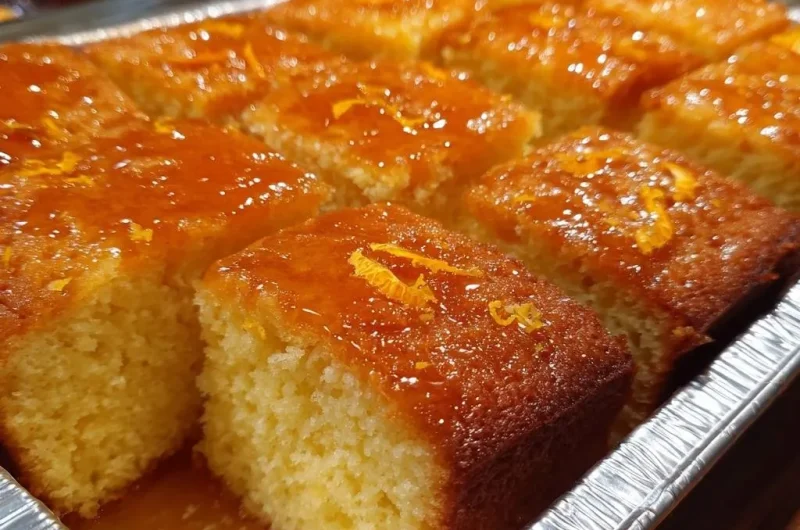
MinutesSick of syrup-soaked cakes that end up soggy at the bottom and dry on top? This recipe fixes it with one foolproof trick: baking the cake extra firm for structure, then poking deep holes and pouring hot syrup in stages while hot so it absorbs evenly without pooling or sogginess. Every square stays moist, fluffy, and perfectly glazed.
Ingredients
2 cups all-purpose flour
1 1/2 cups granulated sugar (divided)
4 large eggs
1/2 cup unsalted butter, softened
Zest of 2 oranges
1/2 cup fresh orange juice (divided)
1 teaspoon baking powder
1/2 teaspoon salt
1 cup additional fresh orange juice (for syrup)
Directions
- Preheat oven to 350 degrees F. Grease a 9×13-inch foil tray or baking dish well.
- In a large bowl, beat butter and 1 cup sugar until light and fluffy. Add eggs one at a time, beating well after each. Mix in orange zest and 1/2 cup orange juice.
- In another bowl, whisk flour, baking powder, and salt. Fold dry ingredients into wet until just combined, no overmixing.
- Spread batter evenly in prepared tray. Bake 30 to 35 minutes until top is firm, golden, and a toothpick comes out clean. Cake must be fully set for syrup absorption.
- While cake bakes, make syrup: In a saucepan, combine remaining 1/2 cup sugar and 1 1/2 cups orange juice. Bring to a simmer over medium heat, stirring until sugar dissolves, about 5 minutes. Remove from heat. This hot syrup is key.
- As soon as cake is out of oven, poke deep holes all over top and sides using a toothpick or skewer, going almost to bottom but not through foil. This creates channels for even soak without sogginess.
- Slowly pour half the hot syrup evenly over hot cake, letting it sink into holes. Wait 2 minutes, then pour remaining syrup. Cover tightly with foil immediately. The trapped steam forces perfect absorption into the firm cake structure, locking in moisture without soggy bottoms.
- Cool completely at room temperature, 1 hour or more. Syrup will fully soak in. Cut into squares and serve. Store covered up to 3 days.
Notes
- Cake must be fully set and firm before adding syrup to prevent sogginess. Use a foil tray for easy serving. Store covered up to 3 days.