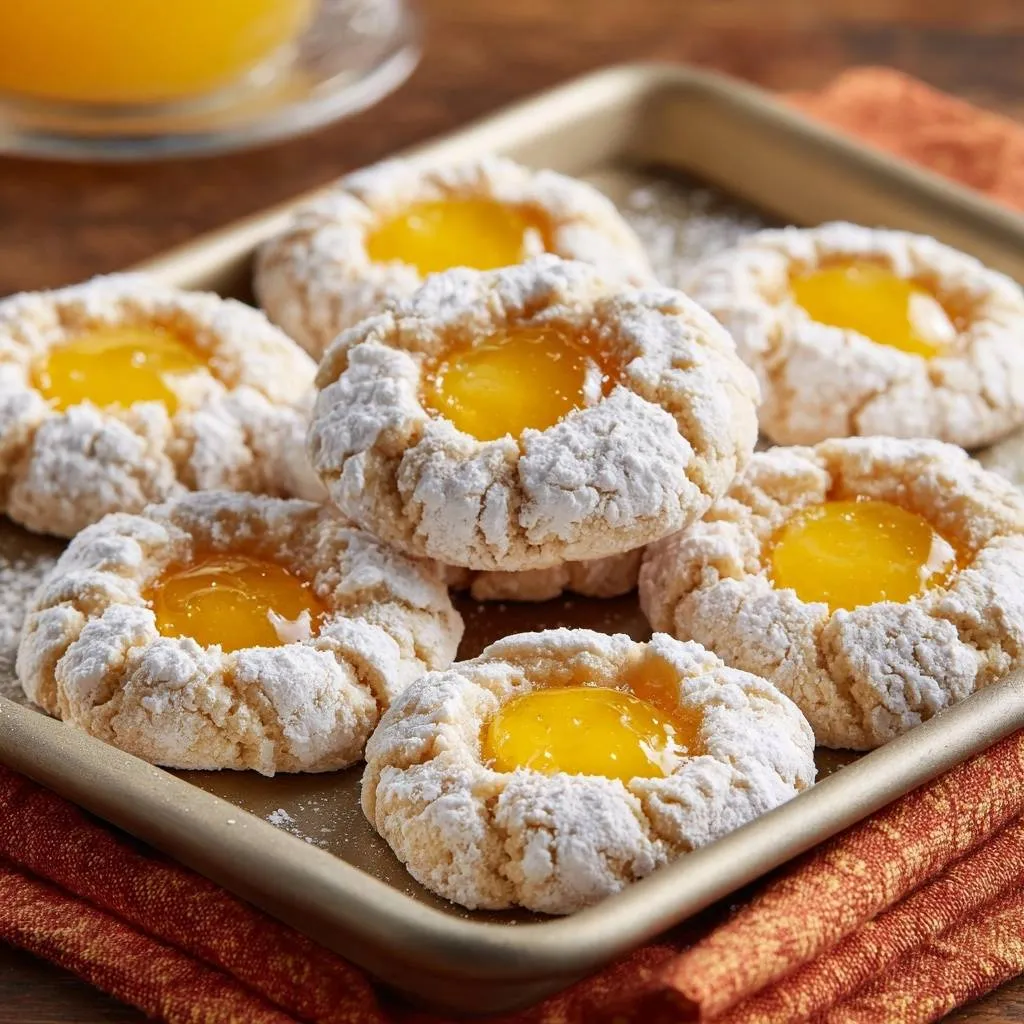
Ever pulled thumbprint cookies from the oven only to find orange marmalade spilling everywhere, burning on the pan, and wrecking that pretty look? You know the drill: flat indents, leaky edges, total mess. But these orange marmalade thumbprint cookies fix it with one simple chilling trick that keeps the bright filling locked in crisp shortbread centers.
That’s why this recipe shines. The 30-minute chill firms up the dough so it holds shape through baking, delivering snowy, zesty bites without the hassle. No more ruined batches or sticky disasters.
Here’s the expertise kicker: press those indents a full half-inch deep before chilling. That depth, plus the cold firm-up, fights oven puff perfectly. You’ll get glossy orange pools every time in your orange marmalade thumbprint cookies.
Why Chilling Transforms Orange Marmalade Thumbprint Cookies
Butter Science in Shortbread Dough
Softened butter creams beautifully with sugar, trapping air for tenderness. However, without chilling, those fats soften too much in the oven, causing spread and lost indents. Chilling crystallizes the butter, locking structure for pale, crinkled edges via minimal Maillard browning.
In addition, this keeps your orange marmalade thumbprint cookies crisp, not greasy. Skip it, and you get flat disasters. Always chill for that pro shortbread snap.
Indent Depth for Jam Containment
Aim for 1/2-inch deep indents in your orange marmalade thumbprint cookies. That’s the sweet spot where dough relaxes just enough pre-chill but resists oven spring. Your thumb works great, or grab a wooden spoon end for even wells.
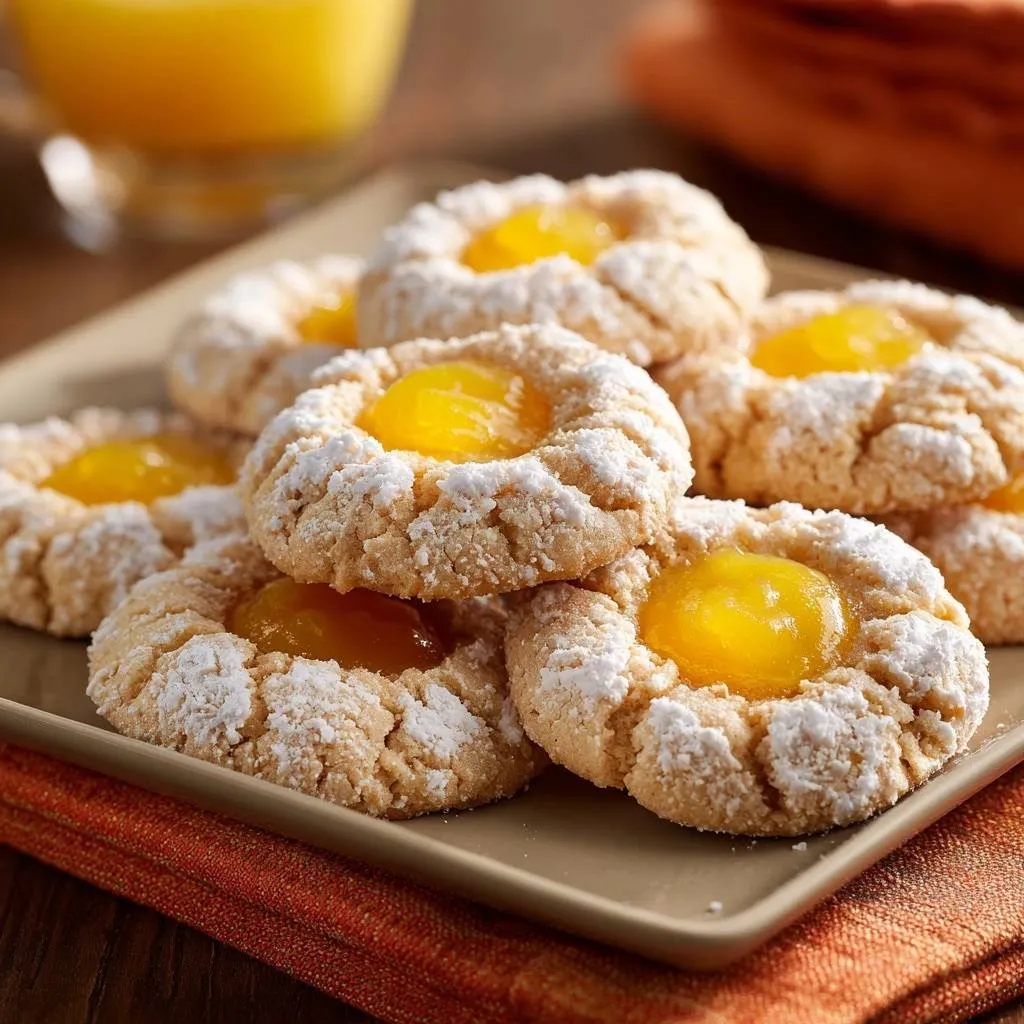
Press firmly at a slight angle to widen the base. Therefore, the marmalade stays pooled, glossy, and mess-free. Shallow ones leak every time.
Key Ingredients for Orange Marmalade Thumbprint Cookies
Unsalted Butter and Sugar Ratio
One cup softened unsalted butter to half a cup granulated sugar gives tender crumb without grease. Unsalted lets you control the 1/4 teaspoon salt addition precisely. Too much sugar cracks the dough; this ratio nails balance.
Pro tip: room-temp butter (not melted) creams fluffiest. It traps air for melt-in-mouth orange marmalade thumbprint cookies.
Orange Zest vs. Extract Power
One tablespoon fresh orange zest packs essential oils for real zing, way better than juice which adds moisture and weakens structure. Vanilla extract rounds it out. Then, two cups all-purpose flour plus salt build the sturdy base.
Choose thick-cut orange marmalade; it holds shape without running. In addition, this combo delivers bright citrus pop in every bite.
Powdered Sugar Rolling Finish
Half a cup powdered sugar creates that snowy coat on cooled marmalade thumbprint cookies. It adheres perfectly post-bake because the surface is dry. Granulated sugar won’t stick right and melts off.
Roll gently for even coverage. Therefore, crispness lasts up to five days airtight. Re-dust if it fades.
Step-by-Step: Forming Orange Marmalade Thumbprint Cookie Dough
Creaming Butter with Citrus Zest
Beat one cup softened butter, half cup sugar, one tablespoon orange zest, and two teaspoons vanilla on medium speed for two minutes. You’ll see it turn pale, creamy, and fluffy with citrus aroma wafting up. Don’t overbeat, or it toughens.
Room-temp bowl helps everything blend smooth. This step sets the tender base for your orange marmalade thumbprint cookies.
Incorporating Flour Without Toughness
Mix in two cups flour and 1/4 teaspoon salt on low speed just until a soft ball forms. Stop there; overmixing wakes gluten for tough cookies. The dough feels smooth and cohesive, not sticky.
No resting needed. Therefore, you’re ready to shape without chewiness ruining the shortbread vibe.
Shaping and Chilling Thumbprint Indents
1-Tablespoon Balls on Parchment
Scoop one-tablespoon portions and roll into smooth balls. Place them two inches apart on parchment-lined sheets; that spacing prevents touching as they bake. Parchment ensures easy release and no sticking.
Silicone mats work too, but parchment crisps edges best. Consistency in size bakes evenly.
Deep Thumb Indent Technique
Press your thumb or wooden spoon end straight down for 1/2-inch deep, wide indents. Apply even pressure to flare the edges slightly. Measure with your pinky for uniformity if needed.
This creates the perfect pool. In addition, chilling seals it against leaks.
30-Minute Fridge Lock-In
Chill the trays for exactly 30 minutes; that’s when fats fully firm without over-hardening. Keep cookies spaced on sheets, don’t pile them. Meanwhile, preheat your oven to overlap time.
No freezer shortcut; it shocks dough unevenly. Therefore, indents stay sharp for flawless orange marmalade thumbprint cookies.
Baking Orange Marmalade Thumbprint Cookies Perfectly
350°F Timing for Pale Crinkles
Bake at 350°F for 10-12 minutes until edges set with crinkles, still pale. No browning wanted for true shortbread. Indents might puff; re-press gently with a spoon while warm.
Cool five minutes on the sheet to firm up, then rack transfer prevents breakage. Watch closely; overbaking dries them out.
Filling with Orange Marmalade Post-Bake
Spoon one teaspoon orange marmalade into each cooled indent. The chill ensures no overflow, just glossy, contained shine. Warm filling risks melting edges and leaks.
Thick marmalade holds best. Therefore, your orange marmalade thumbprint cookies look pro and taste zesty bright.
Snowy Powdered Sugar Roll Technique
Wait until fully cool; warm cookies melt the sugar. Sift half cup powdered sugar into a bowl, then gently roll each cookie. It sticks beautifully for that snowy finish.
For more citrusy goodness, check out this glazed orange loaf cake.
Store airtight up to five days; crispness holds. Re-roll day two if needed for freshness.
Science of No-Overflow Orange Marmalade Thumbprint Cookies
Dough Firming vs. Oven Expansion
Chilling contracts butter fats, resisting bake-time expansion. Dough relaxes slightly but snaps back, containing thick marmalade’s viscosity. Without it, heat melts fats fast, causing spread and burnt overflow via caramelization.
Half-inch depth matches oven spring physics perfectly. In addition, pale baking minimizes Maillard for tenderness.
Shortbread Crispness Factors
High fat, low moisture ratio crisps the edges. Zest oils emulsify into butter for even flavor. Powdered sugar’s hygroscopic nature absorbs humidity, keeping marmalade thumbprint cookies snowy longer.
Therefore, they stay crisp days after baking. Balance is key.
Avoiding Mistakes in Thumbprint Cookies
Overmixing and Flat Spread
Overmixing develops gluten, leading to tough, flat spread. Signs include dense dough that resists balling. Fix by mixing minimally on low; chill always prevents further flattening.
No chill equals puddle cookies. Watch for that soft, non-sticky feel.
Shallow Indents and Leaks
Shallow indents collapse in heat, leaking marmalade. Re-pressing cold fails too. Always go 1/2-inch deep pre-chill, and avoid overfilling post-bake.
One teaspoon max traps shine inside. Therefore, no pan burns.
Flavor Twists on Orange Marmalade Thumbprint Cookies
Lemon Curd or Berry Jam Swaps
Swap for thick lemon curd; its acidity matches orange zest zing. Berry jam works if low-sugar and viscous. Try lime zest or grapefruit for citrus twists, plus chopped almonds in dough for crunch.
Test thickness first; runny fillings leak even chilled. These keep the no-overflow magic.
Spice Infusions for Depth
Add ground ginger or cardamom to dough for warmth. Blend marmalade with apricot for complexity. Vegan butter subs like coconut oil work, but chill longer for structure.
Spices amplify without overpowering citrus. Start with half teaspoon.
Pairing Orange Marmalade Thumbprint Cookies
Tea and Coffee Matches
Earl Grey’s bergamot dances with orange zest. Black coffee cuts richness perfectly. Herbal chamomile tisanes soothe alongside.
These elevate the crisp, zesty bite. Serve warm from tin.
Holiday Platter Companions
Pair with cheese boards or nut clusters for contrast. They shine in gift tins with shortbread cousins. Balance sweet with savory bites.
Holidays demand these snowy gems. They vanish fast.
Make-Ahead Guide for Thumbprint Cookies
Freezing Dough Balls
Freeze shaped, indented balls on trays, then bag for three months. Bake from frozen, add two minutes time. Fill with marmalade after cooling; freezing cooked softens crispness.
Thaw overnight for fresh bake. Perfect for holidays.
Storage Longevity Tips
Airtight containers beat loose storage; humidity softens quick. Five-day window max for peak crisp. Avoid fridge; it pulls moisture.
Layer with parchment. Therefore, they stay snowy.
Orange Marmalade Thumbprint Cookies FAQ
Can I bake without chilling?
No way; skipping the 30-minute chill causes dough to spread, flattens indents, and leaks marmalade everywhere, burning on pans. The firm fats resist oven puff only after chilling. If rushed, fridge longer next time, but don’t skip.
Substitute margarine for butter?
Margarine ruins the rich flavor and crisp texture; higher water content spreads dough wildly. Stick to unsalted butter. For vegan, use refined coconut oil or plant-based sticks with 80% fat, but chill extra 10 minutes.
Why powdered sugar coating?
Powdered sugar adheres to cooled, dry surfaces for snowy look and melt-away sweetness that contrasts crisp shortbread. Granulated falls off and adds crunch wrong. It also absorbs moisture to keep cookies fresh longer.
Gluten-free flour work?
Yes, use 1:1 gluten-free blend with xanthan gum; two cups exact. Add one extra tablespoon butter for tenderness lost in gluten absence. Dough crumbles more, so chill 45 minutes. They bake up crisp, no spread.
Double batch scaling tips?
Double ingredients fine, but mix in two batches to avoid overworking. Chill trays separately 30 minutes; bake one sheet middle rack at a time. Ovens vary, so rotate halfway for even pale crinkles.
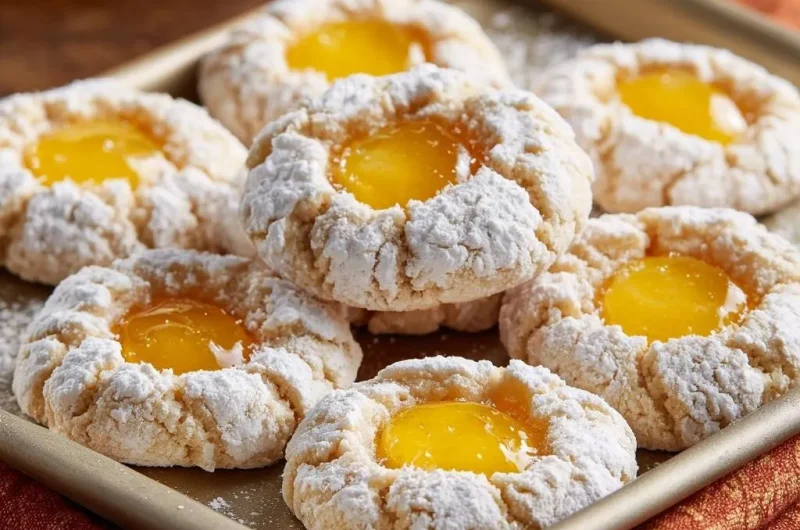
Thumbprint Cookies
Course: DessertCuisine: AmericanDifficulty: easy24
cookies20
minutes12
minutes150
kcal60
MinutesTired of thumbprint cookies where the jam leaks out, burns on the pan, and ruins the look? This foolproof chilling technique locks in perfect indents so your bright orange filling stays pooled in the center every single time, no mess, no spreading. Crisp, snowy shortbread bliss with real orange zing.
Ingredients
1 cup unsalted butter, softened
1/2 cup granulated sugar
1 tablespoon orange zest
2 teaspoons vanilla extract
2 cups all-purpose flour
1/4 teaspoon salt
1/2 cup orange marmalade
1/2 cup powdered sugar, for rolling
Directions
- Beat butter, granulated sugar, orange zest, and vanilla until creamy, about 2 minutes.
- Mix in flour and salt until dough forms a ball. Do not overmix.
- Scoop 1-tablespoon portions, roll into balls. Place on parchment-lined baking sheets 2 inches apart.
- Use your thumb or end of a wooden spoon to make a deep 1/2-inch indent in each ball. This is your jam pool base.
- Chill shaped cookies on trays for 30 minutes. This critical step firms the dough, preventing indents from flattening or filling from leaking during baking.
- Preheat oven to 350 degrees F. Bake 10-12 minutes until set and pale with crinkled edges—no browning. Indents may puff slightly; gently re-press with spoon while warm. Cool 5 minutes on sheet, then transfer to rack.
- Spoon 1 teaspoon orange marmalade into each cooled indent. The chilled dough ensures no overflow, keeping filling glossy and contained.
- Once fully cool, roll cookies in powdered sugar for that snowy finish. Store airtight up to 5 days.
Notes
- Chilling the shaped cookies for 30 minutes is critical to prevent indents from flattening and filling from leaking. Store airtight up to 5 days.